
California, a state renowned for its diverse landscapes, vibrant cities, and unparalleled travel experiences, operates under a time system that observes Daylight Saving Time (DST). This annual tradition shifts the clock forward in spring and backward in fall, influencing everything from daily routines to travel itineraries. For anyone planning a trip, considering a move, or simply curious about the rhythm of life in the Golden State, understanding the nuances of DST is essential. While the debate around its necessity continues, California currently adheres to the national schedule, making it crucial for visitors and residents alike to stay informed about these time changes.
Understanding Daylight Saving Time in California
Daylight Saving Time is a practice of advancing clocks during warmer months so that evening daylight lasts longer, and people “save” daylight by having more of it in the evening. While the idea seems simple, its implementation and impact are far-reaching, especially in a state as dynamic as California.
The Annual Tradition: Spring Forward, Fall Back
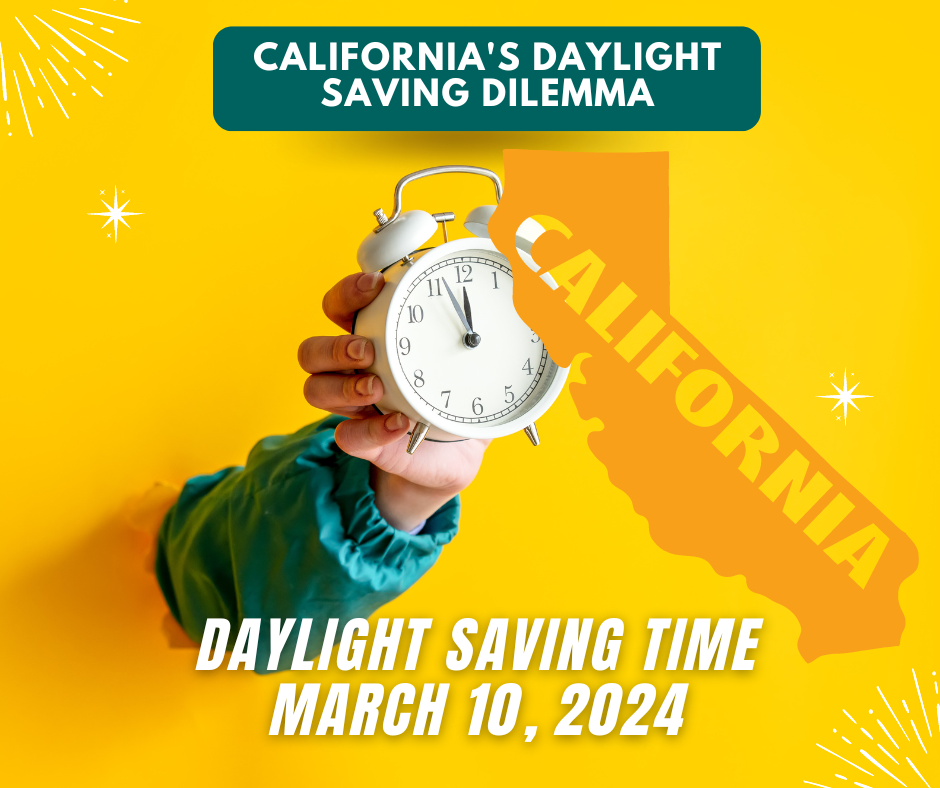
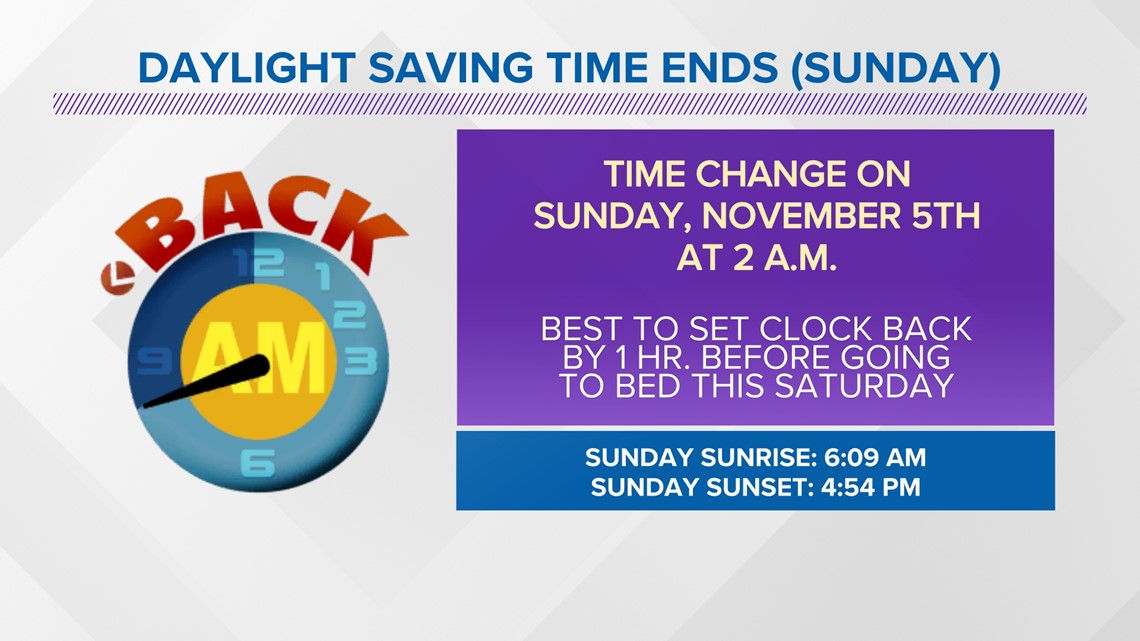
In California, like most of the United States, Daylight Saving Time begins on the second Sunday in March and ends on the first Sunday in November. On the start date, clocks “spring forward” one hour at 2:00 AM local time, meaning 2:00 AM immediately becomes 3:00 AM. This results in an apparent loss of an hour of sleep but grants an extra hour of daylight in the evenings. Conversely, on the end date, clocks “fall back” one hour at 2:00 AM local time, meaning 2:00 AM reverts to 1:00 AM. This gives back the hour of sleep and shifts daylight back to the mornings.
These shifts are standard across the state, from the bustling streets of Los Angeles to the serene vineyards of Napa Valley and the rugged coastlines of Big Sur. The uniform change across the Pacific Time Zone (PT) ensures consistency within California and its immediate neighboring states that also observe DST. While the actual moment of change occurs in the early morning, its effects ripple throughout the day, influencing everything from business hours to the timing of outdoor activities and even the operations of sophisticated resorts and accommodations.
A History of Timekeeping in the Golden State
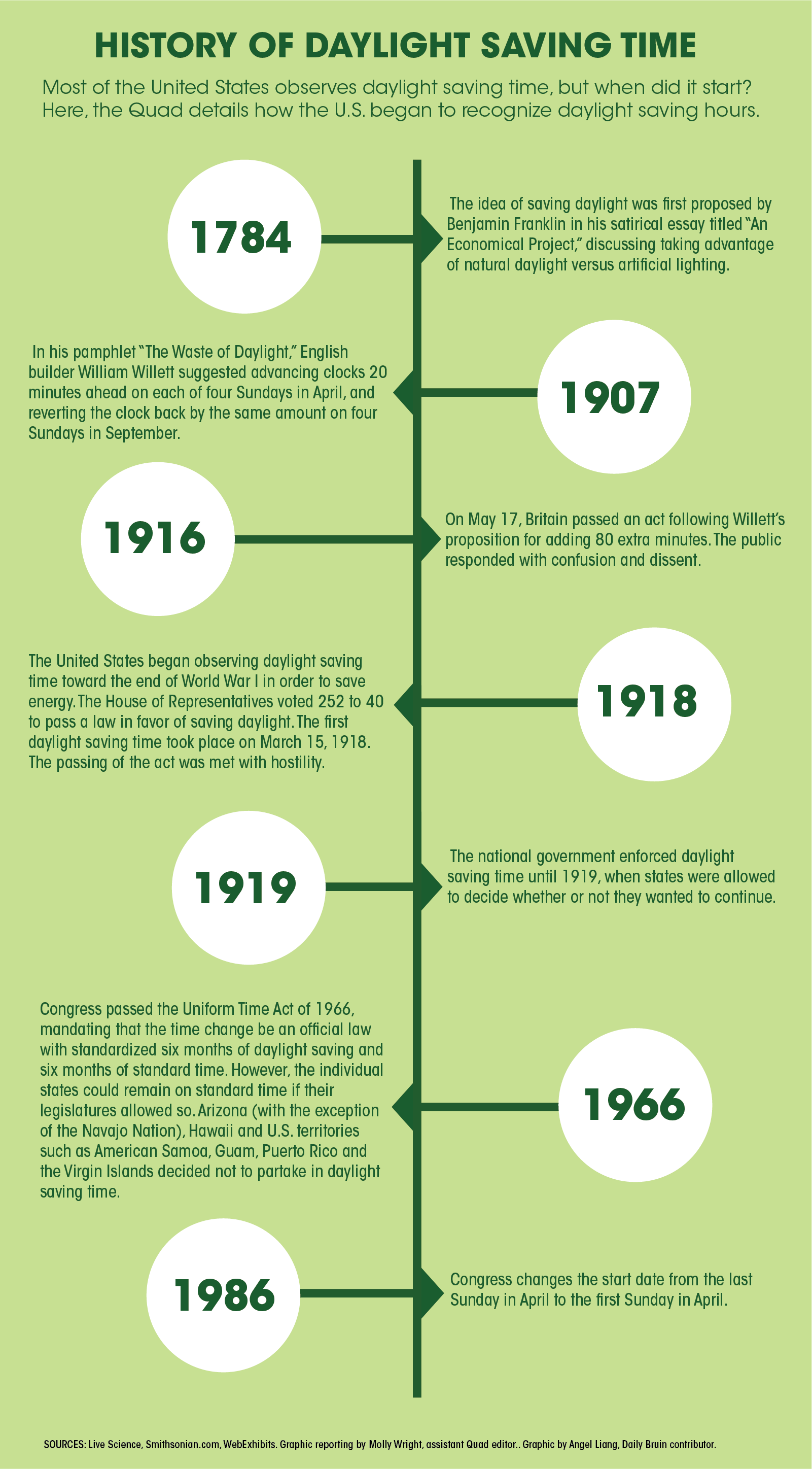
California’s relationship with Daylight Saving Time dates back to the early 20th century. While the concept of advancing clocks to conserve energy was discussed internationally for decades, it was during World War I that the United States first implemented “Standard Time” with an included DST component. However, this was repealed shortly after. It wasn’t until World War II that a federal “War Time” was enacted, effectively placing the entire nation on year-round DST.
The modern era of DST in the United States was solidified with the Uniform Time Act of 1966, which standardized the start and end dates for DST across the country, allowing states to opt out if they chose. California has consistently chosen to participate, adhering to the federal schedule. Subsequent amendments, such as the Energy Policy Act of 2005, extended the DST period, establishing the current “spring forward” in March and “fall back” in November schedule we follow today. This history underscores the long-standing integration of DST into the fabric of life in California, making it a predictable, albeit sometimes inconvenient, annual event.
The Proposition 7 Conundrum and Future Prospects
Despite its long history, Daylight Saving Time in California has been the subject of considerable debate and potential change. In 2018, California voters passed Proposition 7, a ballot initiative that granted the state legislature the authority to change DST, potentially allowing for year-round DST or even opting out entirely, provided federal law permits. The proposition required a two-thirds vote in both legislative houses to make such a change.
Since the passage of Proposition 7, several legislative efforts have attempted to implement year-round DST, citing potential benefits such as reduced energy consumption, fewer traffic accidents, and improved public health. However, these efforts have faced hurdles, primarily due to the federal Uniform Time Act. For California to adopt year-round DST, the United States Congress would need to pass legislation allowing states to make this change. As of now, states can only opt out of DST and remain on standard time year-round (like Arizona and Hawaii), but they cannot adopt permanent DST without federal approval. This means that for the foreseeable future, California will likely continue to observe the “spring forward, fall back” pattern, making it crucial for travelers and residents to continue adjusting their clocks twice a year.
Navigating DST for California Travelers
For those venturing to California, understanding Daylight Saving Time isn’t just about resetting a watch; it’s about optimizing your travel plans, maximizing your experiences, and ensuring smooth transitions during your stay. From booking accommodations to planning sightseeing excursions, DST can subtly influence your trip.
Planning Your California Itinerary: Time Zones and Transitions
When planning your California itinerary, being aware of the DST transition dates is paramount, especially if your travel spans across one of these changes. If you “spring forward” during your trip, you’ll effectively lose an hour. This could mean arriving an hour later than anticipated for a pre-booked tour, a dinner reservation in San Francisco, or a scheduled pickup from Los Angeles International Airport (LAX). Conversely, if you “fall back” mid-trip, you gain an hour, potentially allowing for an earlier start or a more relaxed morning before heading to attractions like Universal Studios Hollywood or a scenic drive down Highway 1.
It’s also important to remember California is in the Pacific Time Zone (PT), which is UTC-8 during Standard Time and UTC-7 during Daylight Saving Time. This shift can affect coordination with friends or family in different time zones or even impact conference calls if you’re on a business stay. Always double-check flight times, reservation confirmations, and activity schedules in local time, especially around the transition weekends, to avoid any confusion or missed opportunities. Many digital devices automatically adjust, but it’s always wise to manually confirm.
Impact on Hotel Stays and Accommodation Bookings
The twice-yearly time change can have direct implications for your hotel stays and accommodation bookings. While most modern hotels and resorts like the Ritz-Carlton Laguna Niguel or charming boutique hotels in Santa Barbara are well-versed in DST adjustments, it’s still good practice to be mindful. For instance, if you check out on the “spring forward” day, you might feel like you’ve had an hour less in your room, though the billing remains consistent. For travelers with early morning flights, a “spring forward” can mean an even earlier wake-up call than anticipated to make it to the airport on time.
Conversely, during “fall back,” some travelers might inadvertently arrive an hour early for an airport shuttle or a pre-arranged pick-up, potentially leading to unnecessary waiting. Always confirm check-in and check-out times in local time with your accommodation provider, particularly if your stay overlaps with a DST transition. Booking platforms usually display times in local time, but a quick verification can save a lot of hassle. Whether you’re staying in a luxurious suite in Beverly Hills or a cozy apartment in San Diego, being prepared for the time shift will ensure a seamless experience.
Maximizing Tourism Experiences with More Daylight
One of the primary advantages of Daylight Saving Time for tourism is the extended daylight in the evenings. This means more time to explore California’s iconic landmarks and attractions. Imagine visiting the Golden Gate Bridge in San Francisco, strolling along the Santa Monica Pier, or hiking in Yosemite National Park with sunlight stretching further into the evening. This extra hour of daylight can significantly enhance your travel experience, allowing for longer outdoor adventures, more relaxed sightseeing, and even pushing back dinner reservations without feeling rushed.
For example, a late afternoon visit to the Hollywood Walk of Fame can seamlessly transition into an early evening meal and then a show, all under the glow of extended daylight. This is particularly beneficial for family trips with children who might appreciate an earlier bedtime but still want to make the most of their day. The longer evenings are also perfect for enjoying outdoor patios, sunset cruises, or simply taking a leisurely walk after a day of exploration. Many tourism operators and attractions adjust their operating hours to capitalize on this, often offering later entry times or evening events during DST months, providing travelers with more flexibility and opportunities.
Lifestyle and Local Impact: Beyond the Clock
Daylight Saving Time extends beyond mere clock adjustments; it deeply influences the lifestyle and daily rhythm of California residents and long-term visitors. From how families plan their evenings to how businesses structure their operations, the effects are widespread and often subtle.
Family Trips, Business Stays, and Leisure Activities
For family trips to destinations like Disneyland Resort in Anaheim or the San Diego Zoo, DST’s extended daylight hours mean more time for outdoor fun. Kids can play longer in parks, at beaches, or even within resort amenities like pools, without the sun setting too early. This can make a huge difference in the perceived value of a family vacation, allowing for more spontaneous activities after scheduled events. Parents often appreciate the natural shift in evening activities, as the brighter evenings can make children feel more energized and less confined to indoor spaces.
For those on business stays in metropolitan hubs like San Jose or Sacramento, DST can offer a welcome opportunity to enjoy the state’s offerings after work. An extra hour of daylight means more time for a round of golf, a jog along the waterfront, or an impromptu visit to a local attraction before darkness sets in. It supports a better work-life balance, even for short-term visitors. Similarly, for general leisure activities, whether it’s a hike in Runyon Canyon, kayaking in Lake Tahoe, or exploring the historic missions in Santa Barbara, the extended daylight allows for a more relaxed pace and greater enjoyment of California’s natural beauty and urban attractions.
Dining, Entertainment, and Nightlife Adjustments
The shift to Daylight Saving Time significantly impacts the dining and entertainment scene across California. With daylight lasting longer into the evening, outdoor dining becomes even more appealing. Restaurants with patios, rooftops, or ocean views in places like Malibu or La Jolla see increased patronage as diners can enjoy their meals bathed in natural light. This also means a later start for traditional nightlife activities. Bars, clubs, and live music venues might see their peak hours shift slightly later as people capitalize on the extended daylight for other pursuits before moving indoors for evening entertainment.
The vibrant cultural scene in cities like San Francisco or Los Angeles also adapts. Outdoor concerts, movie screenings in parks, and evening markets can run later, drawing larger crowds. Travelers keen on experiencing California’s culinary diversity and lively entertainment options will find that DST generally supports a more extended and leisurely evening experience, allowing for more flexibility in planning meals and post-dinner activities.
Exploring California Landmarks and Natural Attractions
California is home to an incredible array of landmarks and natural attractions, from the towering redwoods of Muir Woods National Monument to the majestic cliffs of Hearst Castle. During Daylight Saving Time, these sites often benefit from the longer hours of sunlight. Visitors to national parks like Joshua Tree or Death Valley can extend their exploration, photography, and hiking well into the evening, witnessing breathtaking sunsets without having to rush back before dark. The extended light also provides a safer environment for outdoor activities, particularly in remote areas, reducing the risk of being caught out after dusk.
Iconic urban landmarks also gain. A late afternoon visit to the Getty Center in Los Angeles can be followed by enjoying its stunning views of the city as the sun begins to set, all while still enjoying ample light. This extended period of natural light allows for a more immersive and less rushed experience, whether you’re admiring historical architecture, exploring vast natural reserves, or simply soaking in the scenic beauty that defines California.
Practical Tips for Your California Visit During DST
Understanding DST is one thing, but actively preparing for it can significantly enhance your travel experience. A few simple strategies can help you navigate the time changes in California seamlessly.
Staying Informed and Prepared
The most fundamental tip is to always stay informed about the exact dates for “spring forward” and “fall back.” These dates are consistent year-to-year in the United States, but it’s good practice to mark them on your calendar or use a reliable app. Most modern smartphones, tablets, and computers automatically adjust their clocks, which is incredibly convenient. However, traditional wall clocks, watches, and in-car systems may require manual adjustment. It’s a good idea to perform a quick check of all your timekeeping devices on the morning of the change to ensure everything is synchronized.
For travelers, especially those arriving from different time zones, being aware of the DST transition can help mitigate jet lag. If you’re arriving in California close to the “spring forward” date, you might already be experiencing a natural shift forward in your body clock. Being aware of the “lost” hour can help you mentally prepare for the adjustment. Conversely, during “fall back,” enjoy the extra hour, perhaps allowing yourself a more leisurely morning or an extra hour of sleep. Hydration, exposure to natural light, and adjusting your meal times can also aid in adapting to the time change.
Time Management for Seamless Travel
Effective time management becomes even more critical around DST transitions. When making reservations for flights, hotels (suites, villas, or apartments), car rentals, or tours, always confirm the times in local California time. If your trip involves connecting flights or driving long distances through different time zones (though California itself is primarily one time zone, travel to neighboring states might involve other time zones), factor in these changes to avoid missing connections or arriving late.
Utilize the extended daylight during DST for outdoor activities that might otherwise be cut short. Schedule your visits to popular attractions like Griffith Observatory or Balboa Park later in the afternoon to take advantage of the softer evening light and potentially fewer crowds. For food enthusiasts, this means enjoying al fresco dining experiences well into the evening. Whether you’re on a budget travel adventure or indulging in luxury travel, being strategic with your schedule during DST can enhance your overall experience. By keeping these tips in mind, your visit to California will be as smooth and enjoyable as the Golden State itself.
In conclusion, Daylight Saving Time in California is an integral part of the state’s annual rhythm. While its future remains a topic of discussion, for now, the “spring forward” and “fall back” tradition continues to shape how we live, work, and travel within this magnificent state. By understanding its schedule and impacts, travelers can effortlessly adapt their plans, maximizing every moment in California and fully embracing the extended daylight that the warmer months bring.
LifeOutOfTheBox is a participant in the Amazon Services LLC Associates Program, an affiliate advertising program designed to provide a means for sites to earn advertising fees by advertising and linking to Amazon.com. Amazon, the Amazon logo, AmazonSupply, and the AmazonSupply logo are trademarks of Amazon.com, Inc. or its affiliates. As an Amazon Associate we earn affiliate commissions from qualifying purchases.