
California, a land of breathtaking diverse landscapes, from sun-kissed beaches to majestic mountains and bustling cities, beckons millions of travelers each year. Its allure for tourism is undeniable, offering an unparalleled tapestry of experiences, whether you’re seeking luxury travel or a budget travel adventure. However, for those planning a trip, understanding the state’s fire season is not merely a matter of curiosity but a crucial component of responsible and safe travel planning. Wildfires have become an increasingly significant factor in the California lifestyle, influencing everything from outdoor activities to the availability of accommodation and access to beloved landmarks.
The term “fire season” might conjure images of a specific three-month window, but the reality in California is far more complex and increasingly year-round in some respects. Traditionally, fire season in the Golden State was understood to run from late spring through late fall, generally peaking between July and October. This period aligns with the warmest and driest months, when vegetation is parched and vulnerable to ignition. However, in recent decades, due to a confluence of factors including prolonged droughts, warmer temperatures, and shifts in weather patterns attributed to climate change, the conventional fire season has lengthened dramatically, blurring its boundaries and intensifying its severity. It’s not uncommon now to see significant wildfires ignite as early as May or persist well into November and even December, particularly in Southern California where the infamous Santa Ana winds can whip flames into a frenzy during late fall. This extended period means that travelers must now consider the potential impact of wildfires almost any time they plan to visit, making informed decisions about destinations, timing, and preparedness more vital than ever.
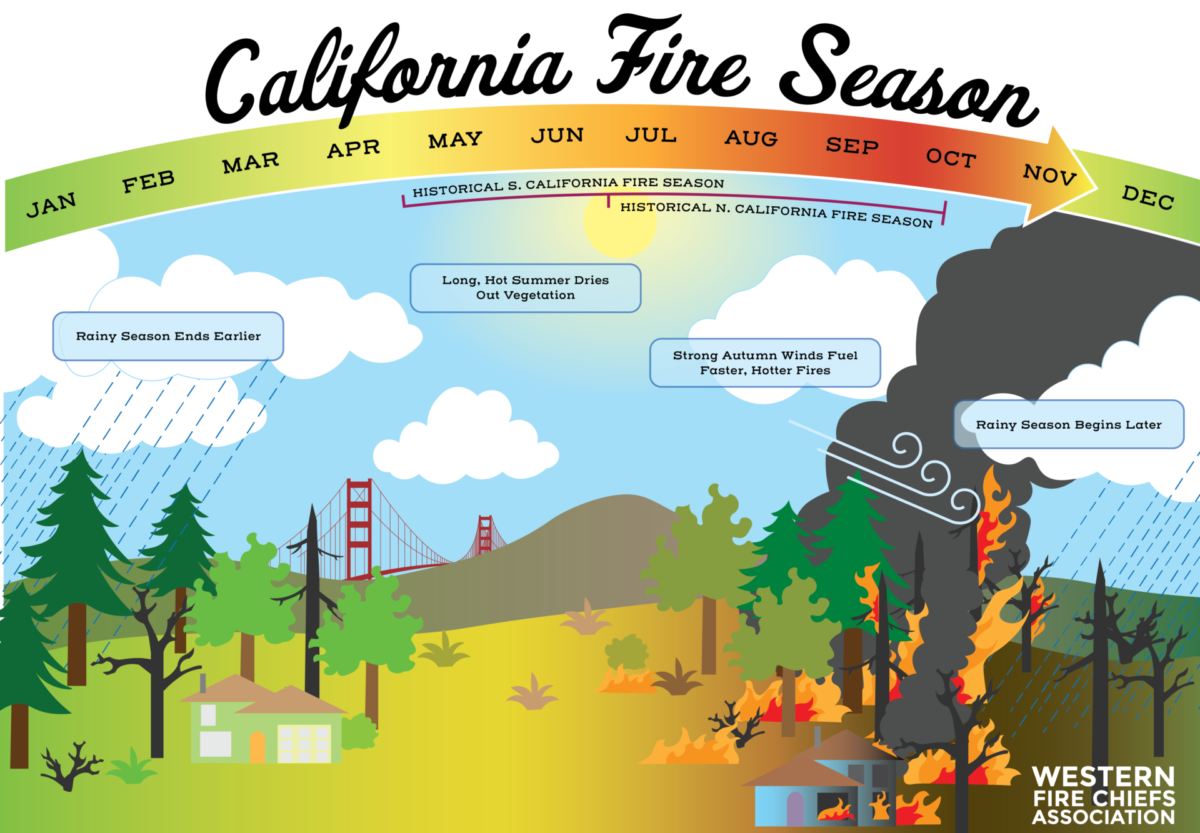
Understanding California’s Extended Fire Season
Defining California’s fire season requires a deeper look into the environmental conditions that fuel these events. Beyond simply warm temperatures, the critical ingredients for large, destructive wildfires include abundant dry vegetation, low humidity, and strong winds. The state’s Mediterranean climate naturally leads to dry conditions in summer and fall, but successive years of drought have left forests and chaparral exceptionally dry, creating a vast tinderbox.
Key Factors Contributing to Fire Risk
Several environmental and meteorological elements converge to dictate the severity and duration of California’s fire season:
- Drought Conditions: Prolonged periods of low rainfall result in parched landscapes. Trees and plants, already stressed, become highly combustible. When a significant portion of the state is experiencing severe or extreme drought, the risk of rapid fire spread is exponentially higher. This impacts travel destinations ranging from the agricultural heartland of the Central Valley to the dense forests of the Sierra Nevada Mountains.
- Warm Temperatures: Record-breaking heatwaves further desiccate vegetation and increase the rate at which fires can spread. Warmer nights also mean less recovery for firefighters, as fuels remain dry.
- Wind Events: Strong winds are perhaps the most dangerous factor, especially the seasonal offshore winds like the Santa Ana winds in Southern California and the Diablo winds in Northern California. These winds act like bellows, fanning flames, carrying embers over long distances, and making containment incredibly challenging. They often pick up in the fall, which is why September and October can be particularly volatile months for fire activity, impacting popular wine country regions like Napa Valley and Sonoma County.
- Fuel Load: Decades of fire suppression have led to an accumulation of dead trees, brush, and other vegetation (known as “fuel load”) in many of California’s wildlands. When a fire does ignite, this abundant fuel allows it to burn hotter and more intensely. This is particularly relevant for those planning trips to vast natural attractions such as Yosemite National Park or Sequoia National Park.
Regional Variations in Fire Season
While generalizations can be made, fire season isn’t uniform across the vast state of California. Different regions experience peak risk at slightly different times due to their unique microclimates and geography:
- Southern California: This region often sees its most intense fire activity in late summer and fall, extending well into November and December. This is largely due to the onset of the Santa Ana winds, which typically begin in September and can persist for months. Areas like Los Angeles, San Diego, Orange County, and Santa Barbara are particularly susceptible during these months.
- Northern and Central California: While summer heat always poses a risk, the peak fire season here often begins earlier, around July, and can remain intense through October. The Diablo winds can significantly exacerbate conditions in areas north of San Francisco during the fall. Forested regions, including the Sierra Nevada Mountains and the foothills, as well as the coastal ranges, are particularly vulnerable. Destinations such as Lake Tahoe and areas near Sacramento and Oakland need to be monitored.
- Coastal Areas: Though generally cooler and moister, even Coastal California can experience significant fires, especially during severe drought years or strong wind events. Famous stretches like Big Sur along Highway 1 have been impacted, leading to road closures and disruptions for scenic drives.
Impacts on Travel and Tourism in California
The expanding and intensifying fire season has profound implications for travelers and the tourism industry in California. From immediate safety concerns to long-term planning, understanding these impacts is essential for anyone considering a visit.
Safety and Accessibility Concerns
The most immediate and critical impact of wildfires is on public safety. Fire incidents can lead to:
- Evacuations: Entire towns and popular tourist destinations may be placed under evacuation orders, requiring visitors to leave immediately. This directly impacts hotels, resorts, and any form of accommodation in the affected zones.
- Road Closures: Major highways and scenic routes, including sections of the Pacific Coast Highway (PCH) or roads leading into national parks, can be closed for extended periods, disrupting travel plans and making certain areas inaccessible.
- Poor Air Quality: Even if a fire is miles away, smoke can travel hundreds of miles, significantly degrading air quality. This poses health risks, especially for individuals with respiratory conditions, and can severely diminish the outdoor experiences that many come to California for, such as hiking, biking, or simply enjoying scenic vistas. A hazy skyline can turn a dream vacation into a less pleasant one.
Disruption to Attractions and Activities
Many of California’s most cherished attractions are natural wonders located in wildland-urban interface areas, making them vulnerable to fires or their effects.
- National and State Parks: Yosemite National Park, Sequoia National Park, Kings Canyon National Park, Joshua Tree National Park, and numerous state parks (like Pfeiffer Big Sur State Park) are frequently impacted. Closures of trails, campgrounds, or even entire parks are common during active fires or when air quality is hazardous. This means planned guides or activities might be canceled.
- Outdoor Recreation: Camping, hiking, biking, and other outdoor activities are often curtailed or deemed unsafe. This can be particularly disappointing for adventure travelers who planned their trips around these very experiences.
- Wine Country: Regions like Napa Valley and Sonoma County, while often resilient, have experienced significant fires, leading to vineyard damage, evacuations, and closures of wineries and restaurants. Even without direct damage, smoke taint can affect grape harvests, and smoke-filled skies deter visitors seeking a relaxing wine country escape.
Accommodation and Booking Challenges
Wildfires introduce significant challenges for accommodation planning:
- Cancellations and Refunds: Travelers may face last-minute cancellations from hotels, resorts, or vacation rentals due to proximity to fires, evacuation orders, or poor air quality. Understanding cancellation policies and having travel insurance becomes paramount.
- Limited Availability: In affected regions, remaining open hotels or those outside the immediate fire zone can become fully booked as evacuees seek shelter, making last-minute bookings difficult and more expensive.
- Impact on Local Economies: The tourism sector in fire-affected communities can suffer immensely, impacting local businesses, restaurants, and service providers who rely on visitor spending. This is a critical aspect of understanding the broader impact of wildfires on the California lifestyle and economy.
Navigating Travel in California During Fire Season
Given the extended nature of California’s fire season, completely avoiding travel during these months might mean missing out on significant portions of the year. Instead, responsible and informed travel planning is key.
Essential Pre-Trip Planning
Before embarking on your California adventure, especially during traditional fire season months:
- Stay Informed: Regularly check official sources like Cal Fire (the California Department of Forestry and Fire Protection) and the National Interagency Fire Center for current fire incidents and warnings. Monitor local news for your specific destinations. Air quality indexes (AQI) from agencies like the Environmental Protection Agency (EPA) are also vital.
- Flexible Bookings and Travel Insurance: Opt for hotels and flights with flexible cancellation policies. Consider purchasing comprehensive travel insurance that covers unforeseen events, including natural disasters and associated trip interruptions or cancellations. This is a fundamental travel tip for navigating uncertain periods.
- Alternative Itineraries: Have a backup plan. If your primary destination is in a high-risk area (e.g., heavily forested regions of the Sierra Nevada), research alternative attractions or areas that are historically less impacted, such as certain coastal cities like San Francisco or urban landmarks like Disneyland Park in Anaheim, though even these can experience smoke.
- Emergency Preparedness: Pack a basic emergency kit for your car, including water, snacks, a flashlight, and a first-aid kit. Know how to check for evacuation routes and local emergency alerts.

During Your Trip
Once you’re in California, continued vigilance is important:
- Stay Connected: Keep your phone charged and enable emergency alerts. Follow local authorities’ instructions.
- Monitor Air Quality: If the air quality index is unhealthy, limit outdoor activities and consider indoor attractions or destinations with better air. Museums, aquariums, and indoor entertainment venues in cities like Los Angeles or San Francisco offer great alternatives.
- Respect Closures and Warnings: Never bypass road closures or enter areas under evacuation. These measures are in place for your safety and the safety of emergency personnel.
- Consider Coastal Escapes: When inland areas face high fire risk, coastal regions often offer respite with cooler temperatures and cleaner air. Cities like Monterey, Santa Cruz, and Mendocino can be excellent alternatives for those seeking a tranquil retreat away from fire zones.
Traveling Responsibly
Beyond personal safety, traveling responsibly during fire season means being mindful of your actions:
- Fire Safety: Be extremely careful with any potential ignition sources. This includes properly extinguishing campfires (if allowed), never discarding cigarettes, and ensuring your vehicle’s exhaust system is well-maintained to prevent sparks. Adhere to all fire restrictions, which often include bans on open fires, fireworks, and even certain types of outdoor cooking.
- Support Local Communities: If you visit a community that has been impacted by fires, consider supporting local businesses during your stay. This helps in their recovery and resilience.
- Educate Yourself: Understanding the underlying causes, including climate change, helps foster a greater appreciation for the challenges California faces and the importance of conservation efforts.
In conclusion, “fire season” in California is no longer a confined period but an extended reality that requires visitors to exercise heightened awareness and flexibility. While the traditional peak months from July to October remain the most critical, vigilance from late spring through late fall, and even into winter in Southern California, is prudent. By staying informed, planning carefully, and respecting safety guidelines, travelers can continue to enjoy the incredible beauty and diverse experiences that make California an unparalleled destination, even as its climate challenges evolve. A well-prepared traveler is a safe and satisfied traveler, ready to adapt and make the most of their California adventure.
LifeOutOfTheBox is a participant in the Amazon Services LLC Associates Program, an affiliate advertising program designed to provide a means for sites to earn advertising fees by advertising and linking to Amazon.com. Amazon, the Amazon logo, AmazonSupply, and the AmazonSupply logo are trademarks of Amazon.com, Inc. or its affiliates. As an Amazon Associate we earn affiliate commissions from qualifying purchases.