
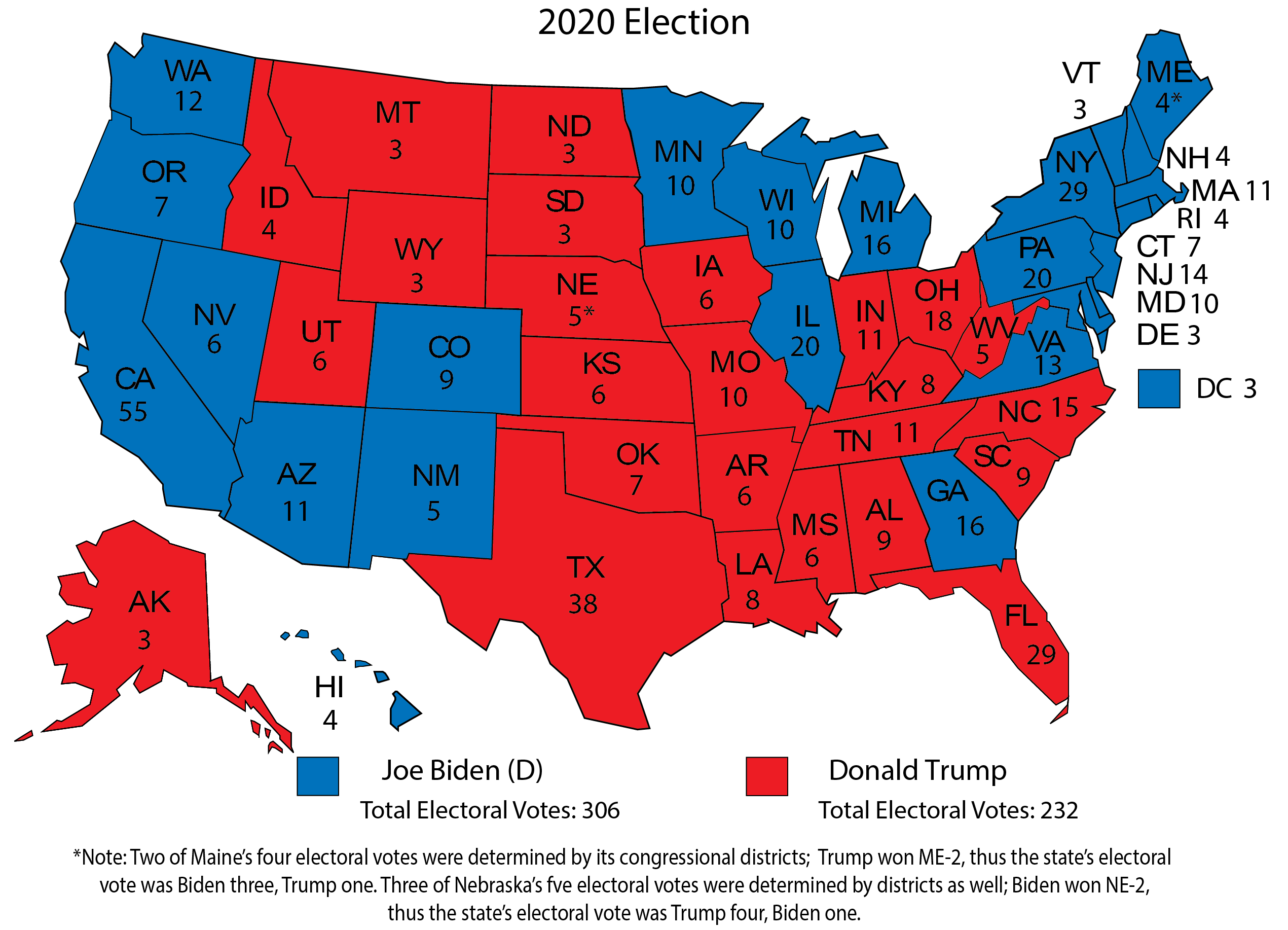
Florida, often affectionately known as the Sunshine State, is a vibrant and geographically diverse peninsula that holds immense significance in the political landscape of the United States. Beyond its pristine beaches, world-famous theme parks, and burgeoning cultural scenes, Florida’s rapidly expanding population bestows upon it a considerable number of electoral votes, making it a pivotal player in presidential elections. As of the most recent reapportionment following the 2020 Census, Florida commands 30 electoral votes. This substantial figure solidifies its status as one of the nation’s premier swing states and underscores the dynamic growth that defines its modern identity.
The allocation of electoral votes is a direct reflection of a state’s population. Every ten years, the U.S. Census Bureau conducts a comprehensive count of the nation’s residents, and these numbers are then used to reapportion the 435 seats in the House of Representatives among the states. Since each state also receives two senators, its total electoral vote count is the sum of its representatives and senators. Florida’s increase from 29 to 30 electoral votes after the 2020 Census highlights its remarkable demographic expansion, drawing millions of new residents seeking its unique blend of lifestyle, economic opportunity, and year-round appeal. This growth isn’t just a political footnote; it’s a profound demographic shift with far-reaching implications for everything from infrastructure development to the thriving tourism and accommodation sectors that define so much of the Sunshine State’s global allure.

The Sunshine State’s Political Clout and Demographic Shift
Florida’s journey to becoming a political heavyweight with 30 electoral votes is deeply intertwined with its consistent and impressive population growth. For decades, the state has been a magnet for people from across the United States and around the world, drawn by a combination of economic factors, lifestyle benefits, and an undeniable natural beauty. This demographic surge has transformed Florida from a regional player into a national influencer, both politically and culturally.
Understanding Electoral Votes and Reapportionment
The Electoral College system, established by the Founding Fathers, dictates that the president and vice president of the United States are not elected by popular vote alone but by votes cast by electors chosen by each state. The number of electors a state gets is determined by its total number of representatives in Congress (which is based on population) plus its two senators. This system ensures that all states, regardless of size, have some voice in the election, while also giving greater weight to more populous states.
Reapportionment is the process by which these congressional seats, and thus electoral votes, are reallocated among the states following each decennial census. For Florida, the 2020 Census confirmed its status as one of the fastest-growing states in the nation, leading to the gain of an additional electoral vote. This was a significant moment, reinforcing Florida’s position as a bellwether state where election outcomes are often closely contested and highly unpredictable. Political strategists, campaigners, and media outlets pay close attention to the Sunshine State not just for its votes, but as a microcosm of broader national trends.
This growth has not been a recent phenomenon. Since the mid-20th century, Florida has seen explosive development, fueled initially by retirees seeking warm climates and later by families and professionals attracted by a robust economy, diverse job markets, and a low-tax environment. The construction of major infrastructure projects, including an extensive highway system and international airports, facilitated this influx, making previously remote areas accessible and desirable. The state’s unique geography, bordered by the Atlantic Ocean to the east and the Gulf of Mexico to the west, offers an unparalleled array of coastal living options, further cementing its appeal.

From Retirement Haven to Economic Powerhouse
While historically known as a premier destination for retirees, Florida has evolved into a dynamic economic powerhouse attracting a diverse demographic. The absence of a state income tax is a significant draw for individuals and businesses alike, creating a favorable economic climate. Industries such as aerospace, technology, finance, and logistics have flourished, diversifying the state’s economy beyond its traditional reliance on agriculture and tourism. Major cities like Miami, Orlando, Tampa, and Jacksonville have become bustling hubs for innovation and commerce, offering career opportunities that appeal to younger generations.
This economic vibrancy, coupled with the state’s natural beauty and recreational opportunities, drives continued migration. The lifestyle offered in Florida is often unparalleled, providing access to world-class beaches, national parks like Everglades National Park, and a plethora of outdoor activities year-round. From watersports in the Florida Keys to championship golf courses in Naples and Sarasota, there’s something for everyone. This blend of economic opportunity and an enviable lifestyle is what directly translates into population growth, which, in turn, fuels the state’s electoral significance.
The impact of this growth isn’t just seen in political maps; it’s profoundly felt across the state’s infrastructure and its thriving tourism and accommodation industries. More residents mean more demand for housing, schools, healthcare, and transportation networks. Crucially, it also means a larger base of potential visitors and an enhanced demand for diverse travel experiences, from luxury resorts to budget-friendly vacation rentals, catering to both new residents and the millions of tourists who flock to the state annually.
Florida’s Irresistible Appeal: A Magnet for Travel and Lifestyle
Florida’s 30 electoral votes are a testament to its burgeoning population, a phenomenon largely driven by its inherent appeal as a travel destination and a place to call home. The state’s commitment to tourism and its diverse offerings have cemented its reputation as a global leader in leisure and lifestyle. This section delves into the rich tapestry of experiences that make Florida an enduring magnet for visitors and residents alike, directly impacting its demographic growth and, consequently, its political weight.
Diverse Destinations for Every Traveler
The Sunshine State boasts an unparalleled array of destinations, each offering a unique flavor and catering to different interests. This diversity is a key factor in its sustained population growth and massive tourism appeal.
-
Central Florida: The Theme Park Capital
No discussion of Florida tourism is complete without mentioning Orlando. Home to the iconic Walt Disney World Resort, Universal Orlando Resort, and SeaWorld Orlando, this region is a dream come true for families and thrill-seekers. The constant innovation and expansion of these parks ensure a fresh experience with every visit, contributing significantly to the state’s visitor numbers and economic output. Beyond the parks, Orlando offers world-class dining, shopping, and entertainment, making it a comprehensive vacation destination. -
South Florida: Glamour, Culture, and Beaches
Miami is the undisputed cultural and economic hub of South Florida, renowned for its vibrant Art Deco Historic District, electrifying nightlife on South Beach, and a rich Cuban heritage palpable in neighborhoods like Little Havana. Further north, Fort Lauderdale, often dubbed the “Venice of America” due to its intricate canal system, offers sophisticated dining, luxury shopping, and beautiful beaches. This region also serves as a major cruise ship port, connecting millions of travelers to the Caribbean and beyond. The blend of international flair, stunning architecture, and laid-back beach vibes makes South Florida a top choice for both luxury travelers and those seeking a dynamic urban experience. -
The Florida Keys: Tropical Paradise and Adventurous Escapes
Stretching southwest from the tip of the Florida peninsula, the Florida Keys offer a distinctly tropical experience. From the coral reefs perfect for snorkeling and diving to the charming, bohemian atmosphere of Key West, this chain of islands is a haven for those seeking relaxation, fishing, and unique cultural experiences. Its secluded resorts and vibrant marine life attract a different kind of traveler, one yearning for authentic island escapism without leaving the United States mainland’s proximity. -
The Gulf Coast: Serenity and Soft Sands
Along the western edge of the state, the Gulf Coast is famed for its calm, warm waters and sugar-fine white sand beaches. Destinations like Sarasota, with its cultural institutions and stunning Siesta Key Beach, and Naples, known for its upscale ambiance and pristine golf courses, attract visitors seeking a more tranquil and luxurious retreat. Tampa offers a blend of urban amenities, historic districts like Ybor City, and family-friendly attractions like Busch Gardens Tampa Bay. Further north, Clearwater Beach consistently ranks among the best beaches in the nation, drawing sun-seekers year-round. -
Historic Northeast and the Panhandle: Timeless Charm and Natural Wonders
St. Augustine, the oldest continuously inhabited European-established settlement in the United States, transports visitors back in time with its Spanish colonial architecture and rich history. Jacksonville, a sprawling city, offers a mix of urban attractions, natural preserves, and a burgeoning arts scene. The Florida Panhandle, with cities like Pensacola and Destin, provides miles of stunning beaches along the “Emerald Coast,” a favorite for family vacations and water sports enthusiasts. The Kennedy Space Center Visitor Complex on the Atlantic Coast offers an inspiring glimpse into space exploration, adding another layer to Florida’s diverse appeal.
World-Class Accommodation for Discerning Guests
The sheer volume of visitors and new residents flocking to Florida necessitates a robust and varied accommodation sector. The state excels in this regard, offering everything from opulent luxury resorts to charming boutique hotels and practical extended-stay options, catering to every budget and preference.
Luxury travel in Florida is epitomized by establishments such as the Ritz-Carlton, Four Seasons, and Waldorf Astoria brands, found in hotspots like Miami, Orlando, Naples, and Palm Beach. These resorts often feature championship golf courses, lavish spas, private beach access, and gourmet dining, creating an exclusive and indulgent experience. For families, many properties, particularly around Orlando and the major beach destinations, are designed as self-contained resorts with multiple pools, kids’ clubs, and diverse dining options, making vacation planning effortless. Brands like Hilton and Marriott have a massive presence, offering a wide range of hotels from full-service to extended-stay, ensuring comfort and convenience for all travelers.
Beyond traditional hotels, Florida’s accommodation market thrives on vacation rentals. Platforms like Airbnb and VRBO host an immense inventory of apartments, villas, and entire homes, especially popular with larger groups, families seeking more space, or those looking for a longer-term stay. The demand for these properties is particularly high in tourist-dense areas and along the coasts, allowing visitors to immerse themselves in local life or enjoy the privacy of a personal retreat. This flexibility in accommodation options not only caters to a diverse visitor base but also supports a significant portion of the local economy, from property management companies to cleaning services and local vendors. The continuous development of new hotels and resorts, alongside the growth of the vacation rental market, is a direct response to the sustained population increase and the unwavering appeal of Florida as a destination.
The Economic and Cultural Tapestry Woven by Tourism and New Residents
The growth that has granted Florida 30 electoral votes is not merely a statistical anomaly; it’s a living, breathing transformation that has profoundly enriched the state’s economic and cultural landscape. The intertwining of booming tourism and a steady influx of new residents creates a dynamic environment, constantly evolving and offering a richer experience for everyone.
Culinary Journeys and Cultural Immersion
Florida’s culinary scene is as diverse as its population, a testament to the melting pot of cultures that call the state home. Miami, in particular, stands out with its vibrant Cuban influence, offering authentic cafecitos, croquetas, and hearty Cuban sandwiches that transport diners straight to the streets of Havana. Beyond Cuban fare, fresh seafood is a staple across the state, with local catches like Florida stone crab, grouper, and snapper featuring prominently on menus from casual beachside shacks to upscale fine dining establishments. Farm-to-table movements are gaining traction, especially in agricultural regions, highlighting local produce and sustainable practices. Major cities boast an international array of cuisines, from Latin American and Caribbean flavors to Asian fusion and classic American comfort food, ensuring that every palate finds its match. Food festivals, such as the South Beach Wine & Food Festival, attract world-renowned chefs and gourmands, further cementing Florida’s reputation as a culinary destination.
Culturally, Florida is a vibrant mosaic. Its history, shaped by Spanish, French, and American influences, is evident in its architecture, museums, and historical sites. St. Augustine offers a deep dive into colonial history, while the Vizcaya Museum & Gardens in Miami showcases European grandeur. The state is also a burgeoning hub for contemporary arts, with events like Art Basel Miami Beach drawing international attention. Performing arts venues across cities like Orlando, Tampa, and Jacksonville host Broadway shows, symphony orchestras, and local theater productions. The constant influx of new residents brings with it diverse perspectives, traditions, and artistic expressions, enriching the state’s cultural fabric and offering visitors an authentic experience that goes beyond the typical tourist traps.
Embracing the Florida Lifestyle: Beyond the Vacation
For many, Florida isn’t just a place to visit; it’s a lifestyle. The pleasant climate allows for year-round outdoor activities, making an active lifestyle accessible and appealing. Golf enthusiasts can choose from hundreds of courses, many designed by legendary architects, set against stunning backdrops. Water sports are paramount, with opportunities for fishing, boating, kayaking, paddleboarding, and jet-skiing available almost everywhere. State parks and nature preserves offer miles of hiking and biking trails, allowing residents and visitors to explore Florida’s unique ecosystems, from the sawgrass prairies of the Everglades to the pristine springs of the central region.
The state has also become synonymous with active adult and retirement communities, offering a lifestyle centered around social activities, wellness, and leisure. These communities, often replete with clubhouses, golf courses, and organized events, provide a strong sense of community and cater to the specific needs and desires of an older demographic. However, the appeal of Florida extends far beyond retirees. Young professionals and families are drawn to the vibrant job markets, excellent schools, and diverse recreational opportunities. Sports play a huge role in the Florida lifestyle, with numerous professional teams in football, basketball, baseball, and hockey attracting passionate fans and contributing to local economies.
This robust lifestyle, supported by a thriving economy and unparalleled natural beauty, is the underlying engine of Florida’s population growth. Each new resident, whether they come for work, retirement, or simply a change of scenery, adds to the state’s demographic heft. This demographic expansion, in turn, fuels the demand for all sectors of the economy, including the travel and tourism industries. It necessitates the development of new hotels, resorts, and attractions, further enhancing the state’s appeal to future visitors and residents. The cycle is self-reinforcing: a desirable lifestyle attracts people, people drive population growth, population growth increases electoral votes, and the dynamic economy created by this growth further enhances the lifestyle and draws even more people.
In conclusion, Florida’s 30 electoral votes are more than just a political statistic. They represent the culmination of decades of sustained growth, driven by a powerful combination of economic opportunity, diverse lifestyles, and an unrivaled appeal as a travel destination. From the magical theme parks of Orlando to the vibrant streets of Miami and the serene beaches of the Gulf Coast, the Sunshine State offers a multifaceted experience that continues to attract millions, shaping not only its political destiny but also its thriving tourism industry and unique cultural identity. As Florida continues to grow, its influence, both politically and as a global travel hub, is only set to expand further.
LifeOutOfTheBox is a participant in the Amazon Services LLC Associates Program, an affiliate advertising program designed to provide a means for sites to earn advertising fees by advertising and linking to Amazon.com. Amazon, the Amazon logo, AmazonSupply, and the AmazonSupply logo are trademarks of Amazon.com, Inc. or its affiliates. As an Amazon Associate we earn affiliate commissions from qualifying purchases.