
Planning a trip to Las Vegas, Nevada, is an exciting endeavor filled with dreams of vibrant nightlife, world-class entertainment, exquisite dining, and unparalleled luxury. From securing the perfect accommodation at a lavish resort to meticulously crafting an itinerary that includes iconic landmarks and unique tourism experiences, every detail contributes to an unforgettable travel experience. However, one often-overlooked yet crucial piece of information for any visitor is understanding the local time zone. Knowing the time zone isn’t just a trivial fact; it’s fundamental for seamless travel, from coordinating flight schedules and managing jet lag to ensuring you don’t miss that coveted show reservation or a critical business meeting.
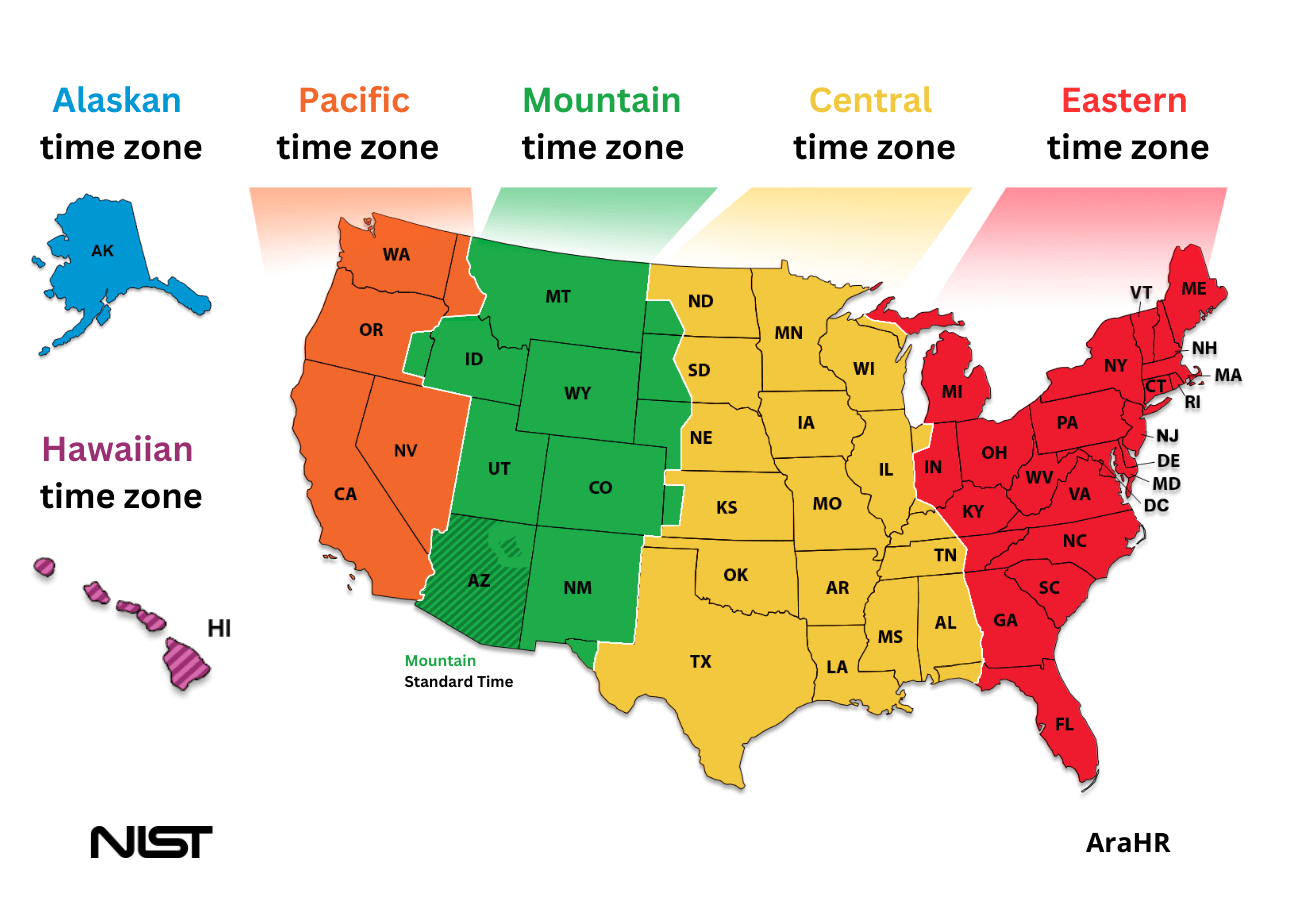
So, to answer the question directly: Las Vegas, Nevada, observes the Pacific Time Zone. This means it operates on either Pacific Standard Time (PST) or Pacific Daylight Time (PDT), depending on the time of year. This distinction, driven by Daylight Saving Time, is vital for travelers to grasp, as it can significantly impact planning and enjoyment. For a city that never sleeps, understanding its rhythm begins with knowing its time.
Understanding Pacific Time: PST and PDT
The Pacific Time Zone is one of the four primary time zones observed in the continental United States. It spans the westernmost states and is intricately linked to how we perceive and plan our days, especially when crossing multiple time zones.
The Basics of Pacific Standard Time (PST)
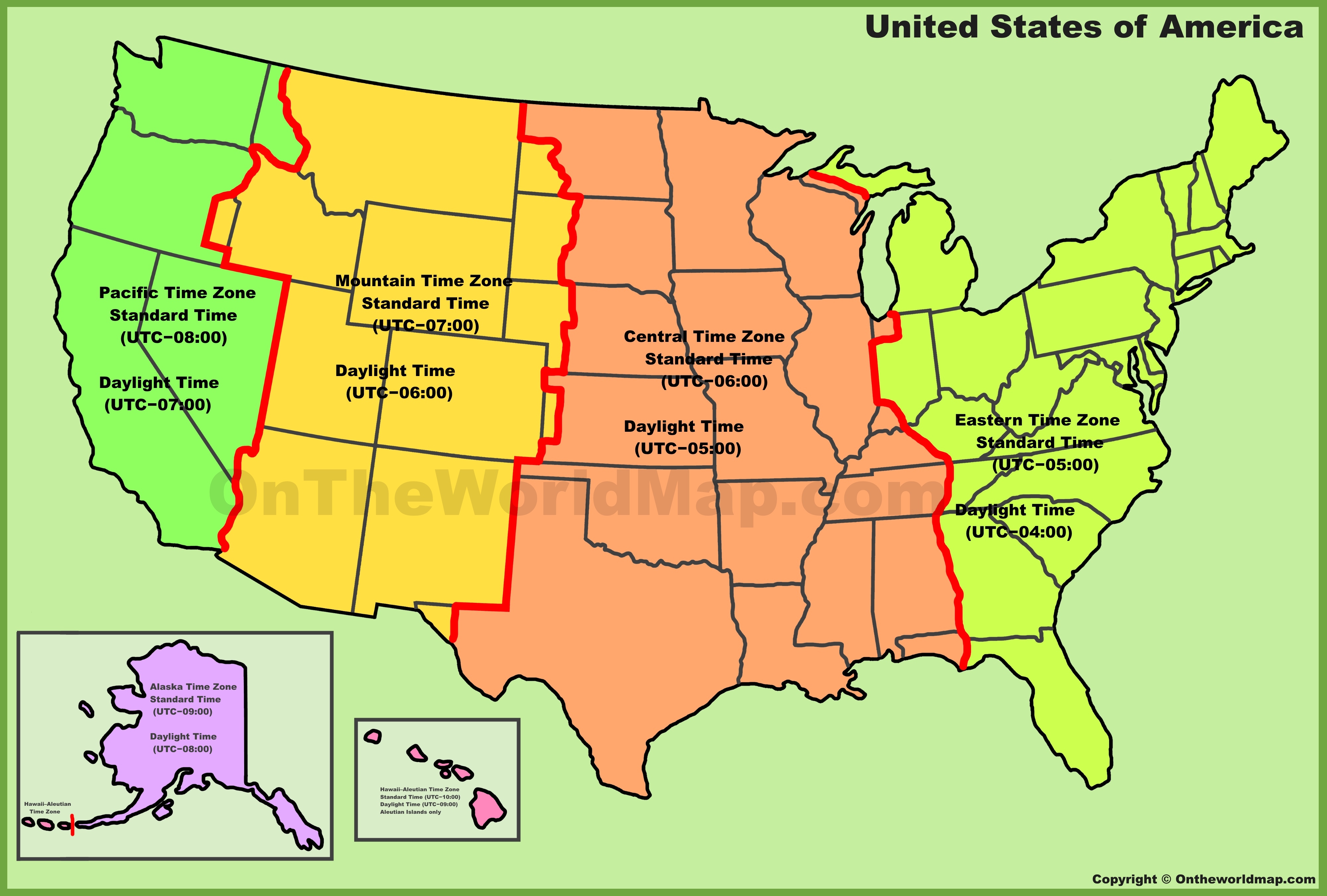
Pacific Standard Time (PST) is the baseline for the Pacific Time Zone during the autumn and winter months. It is 8 hours behind Coordinated Universal Time (UTC-8). This means that when it’s noon UTC, it’s 4:00 AM in Las Vegas under PST. States that primarily observe PST include California, Oregon, Washington, and Nevada, along with parts of Idaho. For much of the year, particularly from early November to mid-March, this is the time standard that governs everything from the opening hours of the Bellagio Fountains to the curtain call at a Cirque du Soleil performance.
Embracing Daylight Saving Time: Pacific Daylight Time (PDT)
As spring approaches, Las Vegas, like most of the United States, shifts to Pacific Daylight Time (PDT). This annual adjustment is part of Daylight Saving Time (DST), where clocks are moved forward by one hour to make better use of daylight. Pacific Daylight Time is 7 hours behind Coordinated Universal Time (UTC-7).
Daylight Saving Time typically begins on the second Sunday in March, when clocks “spring forward” one hour from 2:00 AM PST to 3:00 AM PDT. It then concludes on the first Sunday in November, when clocks “fall back” one hour from 2:00 AM PDT to 1:00 AM PST. This period, roughly from March to November, is when Las Vegas operates on PDT. This extra hour of daylight in the evenings is particularly noticeable and beneficial in a city renowned for its outdoor attractions and extended evening activities. For tourists, it means more sunlight for exploring the Strip or taking a scenic drive to Red Rock Canyon National Conservation Area before the vibrant Las Vegas nightlife truly ignites.

Geographical Context: Nevada and the Pacific Time Zone
Nevada is entirely within the Pacific Time Zone. This consistency across the state simplifies travel within Nevada itself. However, it’s worth noting that neighboring states like Arizona, while geographically close, have a unique relationship with Daylight Saving Time. Most of Arizona does not observe DST, meaning that during the summer months, it operates on Mountain Standard Time (MST), which is effectively the same as Pacific Daylight Time. This can be a point of confusion for travelers driving between Las Vegas and destinations like the Grand Canyon or Phoenix in the summer. Always double-check local times, especially when embarking on cross-state excursions to Hoover Dam or Lake Mead National Recreation Area, which straddle the border.
Why Time Zones Matter for Your Las Vegas Trip
Understanding the Pacific Time Zone is far more than an academic exercise; it’s a practical necessity for maximizing your Las Vegas travel experience. From the moment you begin planning to the final souvenir purchase, time differences play a significant role in ensuring a smooth and enjoyable visit.
Planning Your Arrival and Departure
The most immediate impact of time zones for travelers is felt during arrival and departure. If you’re flying in from the East Coast (e.g., New York, Miami), you’ll be crossing three time zones, resulting in a three-hour time difference. From the Central Time Zone (e.g., Chicago, Dallas), it’s a two-hour difference. This shift can lead to jet lag, a temporary sleep disorder that can affect your energy levels and ability to fully immerse yourself in the city’s offerings.
Properly accounting for this time difference in your flight bookings is essential. A flight arriving at “5:00 PM local time” in Las Vegas might feel much later to your body clock if you departed from an earlier time zone. Conversely, departing Las Vegas at “8:00 AM local time” could mean an extremely early wake-up call for your adjusted body. Always consider the real-time implications for check-in at hotels like the MGM Grand or Caesars Palace, airport transfers, and the earliest planned activities of your trip.
Synchronizing with Attractions and Showtimes
Las Vegas is famous for its elaborate shows, unique attractions, and bustling tourism activities. Missing a reservation for a sought-after Cirque du Soleil performance, a gondola ride at The Venetian Resort, or a ride on the High Roller observation wheel simply because you miscalculated the local time can be incredibly frustrating. Showtimes, attraction hours, and tour departures (for instance, to the Grand Canyon or Death Valley National Park) are always listed in local Las Vegas time. Double-checking your internal clock against the city’s official time is crucial to avoid disappointment. Whether it’s catching the hourly water show at the Bellagio Fountains or the spectacular light show at the Fremont Street Experience, precise timing ensures you don’t miss out on these iconic experiences.
Dining and Nightlife Considerations
The Las Vegas culinary scene is legendary, with restaurants catering to every palate and lifestyle. Securing reservations at top-tier establishments can be competitive, and punctuality is expected. Misjudging the time difference can lead to missed reservations or arriving too late for your table. Furthermore, understanding the local rhythm of dining and nightlife helps you navigate the city’s social currents. When the casinos truly come alive in the evening, or when the late-night eateries offer their best, is all tied to the Pacific Time Zone. A traveler from the East Coast might feel ready for dinner at 6:00 PM Las Vegas time, which is 9:00 PM their body clock time, potentially leading to an early end to their evening if not managed effectively.
Business and Conference Travel
For those visiting Las Vegas for business stays or conferences, time zone awareness is paramount. Meeting schedules, presentation times, and networking events are all strictly adhered to in local Pacific Time. Communicating with colleagues or clients in different time zones requires careful coordination to avoid scheduling conflicts. Furthermore, the ability to make calls or send emails to home offices at appropriate times, considering the three-hour difference to the East Coast or even greater differences internationally, is a professional necessity. Being prepared ensures you remain productive and connected, even amidst the distractions of the Entertainment Capital of the World.
Navigating Time Differences from Major Travel Hubs
Las Vegas welcomes millions of visitors annually from across the globe. For many, this means crossing one or more time zones. Understanding these common differentials can help travelers prepare effectively for their Las Vegas adventure.
East Coast Travelers (e.g., New York, Miami)
Travelers originating from the Eastern Time Zone, which includes major cities like New York, Miami, and Boston, face a three-hour time difference with Las Vegas. When it’s 12:00 PM in New York, it’s only 9:00 AM in Las Vegas. This significant shift is often the biggest contributor to jet lag for domestic travelers. To mitigate this, consider adjusting your sleep schedule by an hour or two each day in the days leading up to your trip. Upon arrival, expose yourself to natural light in the morning and avoid heavy meals or excessive alcohol close to bedtime to help your body adapt more quickly. Hotels like the Wynn Las Vegas or Aria Resort & Casino offer luxurious amenities that can aid in recovery, from tranquil spas to comfortable suites designed for ultimate relaxation.
Central US Travelers (e.g., Chicago, Dallas)
Visitors from the Central Time Zone, encompassing cities like Chicago, Dallas, and Houston, will experience a two-hour time difference. If it’s 12:00 PM in Chicago, it’s 10:00 AM in Las Vegas. While less severe than the East Coast shift, it can still cause a mild form of jet lag. The same principles of gradual adjustment and strategic light exposure apply. Many travelers find this difference manageable, especially for shorter trips, but being mindful of meal times and sleep patterns can still enhance your experience.
Mountain Time Zone Neighbors (e.g., Denver, Phoenix)
For those traveling from the Mountain Time Zone, including cities like Denver and Salt Lake City, the difference to Las Vegas is typically one hour. When it’s 12:00 PM in Denver, it’s 11:00 AM in Las Vegas during periods of Daylight Saving Time. This minimal difference usually causes little to no jet lag. However, as previously mentioned, Phoenix, Arizona, generally does not observe Daylight Saving Time. This means that during the summer months (when Las Vegas is on PDT), Phoenix (on MST) is on the same time as Las Vegas. This can be a quirky detail to remember if you’re planning a multi-state road trip or a detour to the Grand Canyon.
International Visitors
International travelers face the most significant time shifts. For instance, visitors from London (GMT/BST) will be 8 hours ahead of Las Vegas during PST, and 7 hours during PDT. From Tokyo or Sydney, the differences can be even more substantial, often spanning a full day. The key for international travelers is to be acutely aware of this considerable time difference and to plan for several days of adjustment. Staying hydrated, resisting naps, and establishing a new routine quickly upon arrival are critical for mitigating severe jet lag. Many luxury hotels in Las Vegas, such as The Cosmopolitan of Las Vegas or The Palazzo, offer amenities like 24-hour room service, wellness centers, and blackout curtains that can greatly assist with overcoming the effects of long-haul travel and time zone shifts.
Optimizing Your Las Vegas Experience with Time in Mind
Beyond merely knowing the time, strategically incorporating time zone awareness into your Las Vegas strategy can elevate your entire trip, transforming potential challenges into opportunities for deeper enjoyment and discovery.
Overcoming Jet Lag
The best way to combat jet lag is proactive planning. Start adjusting your sleep schedule gradually before your trip, aligning it closer to Pacific Time. Once you arrive, embrace the local time immediately. If you land in the morning, try to stay awake until a reasonable local bedtime. Hydrate well, especially with water, and limit caffeine and alcohol on your travel day. Expose yourself to natural light in the mornings to help reset your circadian rhythm. Many hotels offer impressive fitness centers and spas; a workout or a soothing massage can do wonders to rejuvenate a tired body and mind. Consider booking a hotel with exceptionally comfortable beds, like those found at The Bellagio or Four Seasons Hotel Las Vegas, for optimal sleep quality.
Making the Most of Daylight
Las Vegas isn’t just about neon lights; it also boasts incredible natural beauty in its surroundings. If you’re visiting during Pacific Daylight Time (spring and summer), the extended daylight hours offer a fantastic opportunity for early morning excursions. Beat the desert heat by visiting Red Rock Canyon National Conservation Area, Valley of Fire State Park, or Hoover Dam earlier in the day. These landmarks are breathtaking in natural light, and starting early means you’ll be back in the city well before the mid-day heat or the start of the evening rush on the Strip. This approach allows you to experience both the natural wonders and the urban excitement without feeling rushed or overwhelmed.
Maximizing Your Stay: Hotels and Resorts
Accommodation in Las Vegas comes with its own set of time-sensitive considerations. Check-in and check-out times are strictly enforced according to local Pacific Time. A typical check-in is 3:00 PM or 4:00 PM, and check-out is 11:00 AM. Factor these into your flight schedule to avoid early arrival waits or late departure fees. If you have an early flight, consider booking an extra night or inquiring about late check-out options. Many resorts offer luggage storage, allowing you to enjoy your final hours in the city even after checking out. Spa appointments, hotel show reservations, and special dining experiences within your resort (such as at the Bellagio or Caesars Palace) are all scheduled to the minute, so always be punctual to avoid forfeiture of your booking or deposit.
Local Lifestyle and Daily Rhythm
Las Vegas might be known as the “city that never sleeps,” but even it has a rhythm. While casinos and some restaurants operate 24/7, many other businesses, attractions, and service providers adhere to more conventional operating hours. For instance, retail stores on the Strip typically open around 10:00 AM or 11:00 AM and close around 9:00 PM or 10:00 PM. Museums like the Mob Museum or the Neon Museum have specific daytime hours. Even the energy of the Fremont Street Experience ebbs and flows throughout the day, peaking in the evening. Understanding this rhythm, governed by Pacific Time, helps you better plan your activities, avoid crowds at certain times, and immerse yourself more deeply into the local lifestyle and tourism culture.
In conclusion, Las Vegas, Nevada, operates on the Pacific Time Zone, shifting between Pacific Standard Time (PST) and Pacific Daylight Time (PDT) with the seasons. This seemingly simple fact holds profound implications for travel planning, from mitigating jet lag and scheduling hotel check-ins to ensuring you catch every dazzling show and explore every captivating landmark. By understanding and anticipating these time differences, visitors can transform a good trip into an exceptional one, fully savoring all the unique experiences that the vibrant city of Las Vegas has to offer. So, set your watches, synchronize your plans, and prepare for an unforgettable adventure where time truly flies!
LifeOutOfTheBox is a participant in the Amazon Services LLC Associates Program, an affiliate advertising program designed to provide a means for sites to earn advertising fees by advertising and linking to Amazon.com. Amazon, the Amazon logo, AmazonSupply, and the AmazonSupply logo are trademarks of Amazon.com, Inc. or its affiliates. As an Amazon Associate we earn affiliate commissions from qualifying purchases.