
The question “How much does Disneyland Florida make a day?” immediately conjures images of fantastical castles, thrilling rides, and countless smiling faces. However, it’s important to clarify from the outset that the iconic Disney theme park and resort complex in Florida is officially known as Walt Disney World Resort. Often colloquially referred to as Disneyland Florida due to its west coast counterpart, Walt Disney World stands as a monumental economic engine, an immersive world spanning over 25,000 acres in Lake Buena Vista, just outside Orlando. Pinpointing an exact daily revenue figure for this colossal enterprise is a complex task, as its financial operations are intricate and multi-faceted, encompassing far more than just theme park tickets. Yet, by analyzing its various revenue streams, we can arrive at a comprehensive understanding of the staggering sums it generates daily.
Walt Disney World Resort is not merely a collection of theme parks; it is a meticulously crafted universe designed to maximize guest experience and, by extension, revenue. From the moment guests begin planning their trip, through their stay in a themed resort, to their purchases of souvenirs and gourmet meals, every interaction contributes to its immense financial success. The sheer scale of its operations makes it one of the most profitable tourist attractions in the United States and indeed, the world. Its daily earnings are a testament to the enduring power of the Disney brand, its commitment to immersive storytelling, and its unparalleled ability to attract millions of visitors year after year.

Unpacking the Magic Kingdom’s Financial Fortress
To truly grasp the daily financial might of Walt Disney World Resort, one must look at the bigger picture of The Walt Disney Company’s “Parks, Experiences and Products” segment. This segment globally includes all Disney parks, resorts, cruise lines, and consumer products. While specific daily breakdowns for Walt Disney World are not publicly disclosed, reported annual revenues for the entire segment often reach tens of billions of dollars. For instance, in recent fiscal years, this segment has generated revenues upwards of $28 billion annually. If we conservatively estimate that Walt Disney World Resort contributes a significant portion, say a third to a half, of that global segment’s revenue, its annual intake would be in the realm of $9 billion to $14 billion. Dividing this by 365 days gives us a rough, but impressive, estimate: Walt Disney World Resort could potentially make anywhere from $25 million to $38 million per day. This mind-boggling figure is built upon several critical pillars.
A Multi-Billion Dollar Enterprise
The overall revenue for the Disney Parks, Experiences and Products segment serves as a crucial benchmark. It’s a comprehensive figure that includes contributions from all global operations, demonstrating the immense scale of Disney’s tourism and leisure empire. This segment’s financial reports detail earnings from theme park admissions, resort hotel stays, merchandise sales, food and beverage, and even cruise line operations. While Walt Disney World represents a substantial portion of this, it’s vital to remember that the daily estimate is an extrapolation. Factors such as seasonal demand, new attraction openings, and global economic conditions cause fluctuations. Nevertheless, the consistent performance of this segment highlights Walt Disney World’s role as a financial anchor. Its daily cash flow is a complex tapestry woven from millions of individual transactions, from a single souvenir pin to a week-long luxury resort stay for a family of five. This robust financial foundation allows for continuous reinvestment, ensuring the resort remains a cutting-edge destination that attracts new generations of visitors.
The Power of Park Admissions
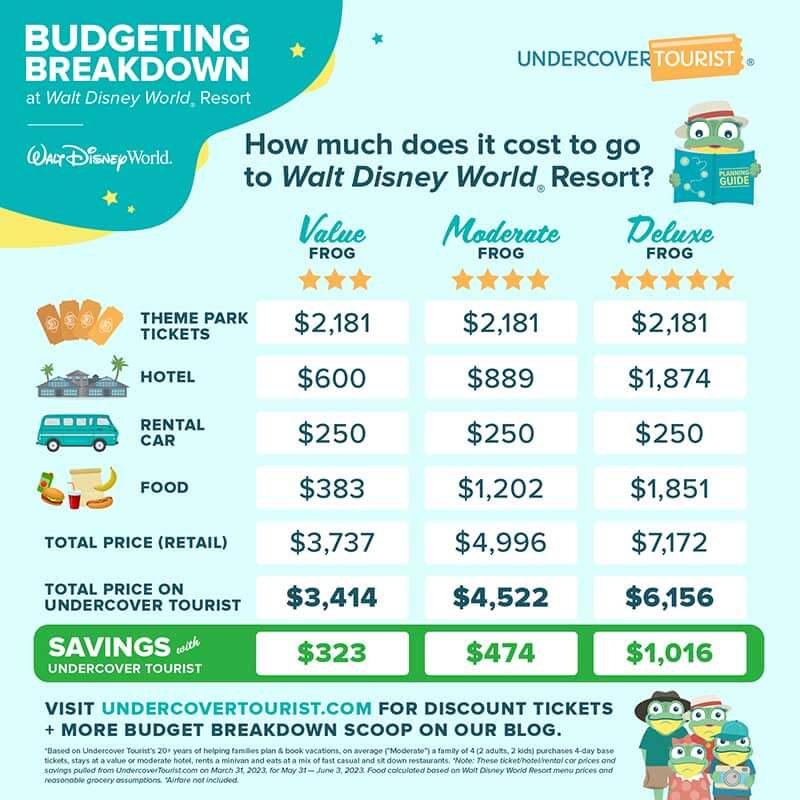
At the core of Walt Disney World’s daily revenue are the millions of guests who enter its four main theme parks: Magic Kingdom, Epcot, Hollywood Studios, and Animal Kingdom. Ticket sales alone represent a massive income stream. A single-day ticket can range from approximately $109 to over $189, depending on the park and the time of year, with prices historically increasing annually. Multi-day tickets offer a slight discount per day but ensure longer stays and more spending.
Beyond basic admission, Disney has ingeniously introduced revenue-generating add-ons. Services like Genie+, which allows guests to use Lightning Lane access for popular attractions, come at an additional daily cost, typically ranging from $15-$35 per person. Individual Lightning Lane purchases for the most sought-after rides, such as Guardians of the Galaxy: Cosmic Rewind or Tron Lightcycle / Run, can add another $15-$25 per ride. Furthermore, millions of guests opt for annual passes, which, while offering seemingly better value over multiple visits, provide a consistent, recurring revenue stream. The sheer volume of visitors—often exceeding 50 million annually across all Walt Disney World parks—ensures that these admission-related revenues contribute tens of millions of dollars each day, forming the bedrock of the resort’s financial success.
Beyond the Turnstiles: Diverse Revenue Streams
The financial prowess of Walt Disney World extends far beyond the gates of its theme parks. A comprehensive ecosystem of accommodations, dining, retail, and entertainment venues ensures that guests continue to spend throughout their vacation. This multi-layered approach maximizes revenue per guest, transforming a simple park visit into a fully integrated, high-value experience.
The Resort Hotel Empire
Walt Disney World Resort boasts over 25 uniquely themed Disney resorts, ranging from value-oriented accommodations to moderate options and luxurious deluxe properties like the Grand Floridian Resort & Spa, Polynesian Village Resort, and Contemporary Resort. With thousands of rooms and suites, these hotels maintain consistently high occupancy rates, often exceeding 80-90%, even during off-peak seasons. Nightly rates can vary from around $150 for a value resort to over $700-$1000 for a deluxe villa or club-level room. The convenience of staying on-site, coupled with exclusive benefits like early park entry, makes these accommodations highly desirable and a significant source of income.
Adding to this revenue stream is the Disney Vacation Club (DVC), a timeshare-like program that sells points to members for future stays at Disney properties. Sales of new DVC contracts and annual maintenance fees provide a continuous influx of cash, capitalizing on brand loyalty and the promise of future magical vacations. The profitability of its hotel segment alone could easily rival that of many large hotel chains, contributing millions of dollars daily to the resort’s overall earnings.

Merchandise, Food, and Experiential Spending
Once inside the parks or resorts, guests are immersed in an environment meticulously designed for spending. Merchandise sales are astronomical. From character plush toys, apparel, and collectible pins to unique artisanal crafts and personalized items, souvenir shops are ubiquitous and highly tempting. The average guest likely leaves with multiple purchases, often spending hundreds of dollars on retail alone over the course of a trip.
Food and beverage sales represent another massive component of daily revenue. Walt Disney World offers everything from quick-service snacks and counter-service meals to fine dining experiences and character meals that can cost upwards of $60-$80 per person. Specialty snacks like Dole Whip, churros, and premium popcorn command high prices, and guests are more than willing to pay for the convenience and themed experience. The resort also hosts numerous popular special events, such as Mickey’s Not-So-Scary Halloween Party and the Epcot International Food & Wine Festival, which require separate tickets and drive additional food, beverage, and merchandise sales. Added experiences like VIP tours, photo packages (Memory Maker), and spa services further enhance guest spending, ensuring a constant flow of transactions throughout the day.
Transportation and Ancillary Services
Even basic logistical needs become revenue opportunities at Walt Disney World. While transportation within the resort (buses, monorails, boats, skyliner) is generally complimentary for resort guests, paid options like Minnie Van services (rideshare operated by Disney) offer a premium alternative. Historically, services like Disney’s Magical Express (airport shuttle) were included, but now third-party services like Mears Connect or Sunshine Flyer operate, meaning guests often incur costs for airport transfers. Stroller and ECV rentals, package delivery services, and even parking fees (for both day guests and resort guests at theme parks) contribute to the daily take. Beyond the core parks and hotels, properties like Disney Springs (a vast shopping, dining, and entertainment district) and the ESPN Wide World of Sports Complex generate significant revenue through retail, dining, and event hosting, drawing both resort guests and local visitors. These ancillary services, while perhaps smaller in individual transaction size, add up to substantial figures when considering the millions of guests interacting with the resort daily.
The Economic Ripple Effect: More Than Just Daily Cash Flow
The financial impact of Walt Disney World Resort extends far beyond its direct daily earnings. It acts as a colossal economic driver for the entire Central Florida region and the state, creating a robust ecosystem of employment, infrastructure development, and continuous investment. Its presence transforms Orlando into one of the world’s premier tourist destinations, benefiting countless associated businesses.
Job Creation and Local Economy
Walt Disney World is one of the largest single-site employers in the United States, employing tens of thousands of “cast members” (as Disney refers to its employees). These jobs span a vast array of roles, from ride operators and entertainers to chefs, hotel staff, engineers, and administrative professionals. The wages and benefits paid to this enormous workforce inject billions of dollars annually into the local economy, supporting housing, retail, and services throughout Orlando and its surrounding areas. Beyond direct employment, the resort generates countless indirect jobs in supporting industries such as transportation, food suppliers, construction, marketing, and local attractions that benefit from the influx of tourists. This massive employment base stabilizes the local economy and ensures a thriving community around the resort.
Continuous Investment and Expansion
A significant portion of Walt Disney World’s revenue is consistently reinvested into the resort itself. Maintaining the magic and staying competitive in the global tourism market requires perpetual innovation and upgrades. Billions of dollars are spent annually on developing new attractions, lands, and experiences, such as the recently added Tron Lightcycle / Run at Magic Kingdom and Guardians of the Galaxy: Cosmic Rewind at Epcot. These investments also cover extensive refurbishments of existing rides, hotels, and infrastructure, ensuring safety, modernity, and a fresh guest experience. This commitment to continuous improvement is crucial; it not only draws repeat visitors but also attracts new demographics, safeguarding the resort’s long-term profitability and cultural relevance. Without this reinvestment, the magic would fade, and so too would the revenue.
What Drives Such Unparalleled Success?
The colossal daily earnings of Walt Disney World Resort are not accidental. They are the result of decades of strategic planning, meticulous execution, and a deep understanding of human desires for fantasy, nostalgia, and exceptional service. Several core elements underpin its enduring and unparalleled financial success.
Branding and Nostalgia
The Disney brand is arguably one of the most powerful and recognized globally. It evokes a sense of wonder, childhood memories, and timeless stories that appeal across generations. For many, a trip to Walt Disney World is a pilgrimage, a chance to relive cherished moments or create new ones with family. This deep emotional connection fosters incredible brand loyalty, making guests willing to invest significantly in their “magical” experience. The power of Disney’s magic transforms a theme park visit into a significant life event, justifying premium pricing and inspiring repeat visits.
Immersive Experiences and Storytelling
Walt Disney World excels at creating fully immersive environments. Every detail, from the architecture and landscaping to the background music and the cast members’ costumes, contributes to a cohesive narrative. Guests aren’t just riding a roller coaster; they’re journeying through Pandora, exploring a galaxy far, far away, or sailing with pirates. This commitment to storytelling and themed experiences transcends typical amusement parks, offering an escapism that is unparalleled. This unique value proposition drives demand and sets Disney apart, making it a bucket-list destination for millions worldwide.
Operational Excellence and Customer Service
Behind the whimsical facade lies a highly efficient and sophisticated operation. Disney’s legendary “cast member” training emphasizes exceptional guest service, ensuring visitors feel valued and attended to. While managing massive crowds is a constant challenge, Disney continuously invests in technology and logistical solutions to optimize guest flow, reduce wait times (or make them feel less arduous), and enhance convenience. From digital park maps and mobile ordering to personalized vacation planning tools, operational excellence supports the immersive experience and encourages guest satisfaction, leading to positive word-of-mouth and repeat business.
Strategic Location and Accessibility
Orlando, Florida, provides an almost perfect location for a massive tourist resort. Its central position in the state, year-round warm climate, and extensive tourism infrastructure make it easily accessible for domestic and international travelers. Orlando International Airport (MCO) is one of the busiest airports in the world, directly feeding millions of tourists into the region. The dense concentration of other attractions in Central Florida also creates a synergy, establishing the area as a prime vacation destination, from which Walt Disney World benefits immensely.
In conclusion, while a precise daily revenue figure for Walt Disney World Resort remains a closely guarded secret, our analysis suggests it comfortably generates tens of millions of dollars every single day. This staggering sum is a culmination of high demand for its world-class theme parks, the extensive offerings of its resort hotels, the irresistible pull of its merchandise and dining, and a host of ancillary services. More than just a collection of numbers, this financial juggernaut reflects the immense power of the Disney brand, its unwavering commitment to storytelling, continuous innovation, and its unique ability to create unforgettable memories. Walt Disney World is not just a dream factory; it’s an economic marvel, continuously proving that magic, when meticulously crafted and strategically managed, translates into extraordinary financial success.
LifeOutOfTheBox is a participant in the Amazon Services LLC Associates Program, an affiliate advertising program designed to provide a means for sites to earn advertising fees by advertising and linking to Amazon.com. Amazon, the Amazon logo, AmazonSupply, and the AmazonSupply logo are trademarks of Amazon.com, Inc. or its affiliates. As an Amazon Associate we earn affiliate commissions from qualifying purchases.