
Florida, often celebrated for its pristine beaches, vibrant cultural scenes, and world-class attractions, holds a unique and complex history when it comes to the civic rights of its citizens, particularly those with past felony convictions. For anyone considering a move to the Sunshine State, planning an extended stay, or simply seeking to understand the fabric of local life and governance, the question of whether a convicted felon can vote in Florida is more than just a legal query—it’s a window into the state’s values, its journey toward rehabilitation, and the broader implications for civic engagement. Understanding these laws is part of truly grasping the “local culture” and “lifestyle” in Florida, influencing everything from community dynamics to political landscapes.
The journey of voting rights for felons in Florida is one marked by significant historical shifts and ongoing legal battles. For decades, Florida was one of the toughest states in the United States regarding the restoration of voting rights for those with felony convictions, disenfranchising a substantial portion of its population. This strict stance meant that unless a felon went through a lengthy and often difficult clemency process, their right to vote was permanently revoked. This legal framework has profoundly impacted countless individuals and communities across cities like Miami, Orlando, Tampa, and Jacksonville, affecting their ability to fully participate in the democratic process and shape the future of their home state. For many, the inability to vote represented a lingering punishment long after their sentences were served, impacting their sense of reintegration into society and influencing their overall lifestyle choices within the state.

Navigating Citizenship and Engagement in the Sunshine State
The question of felon voting rights in Florida is not just a matter of law; it’s a vital aspect of civic participation that shapes the broader social and political landscape. For residents and visitors alike, understanding the nuances of these laws can offer deeper insights into the state’s governance and the community values that underpin its unique charm. This understanding can influence decisions about settling down, investing in local communities, or simply appreciating the complex tapestry of life in places like Palm Beach or Sarasota.
The Evolving Landscape of Felon Voting Rights in Florida
The narrative surrounding felon voting rights in Florida underwent a monumental change with the passage of Amendment 4 in November 2018. This ballot initiative, approved by an overwhelming 65% of Florida voters, sought to automatically restore voting rights to most felons who had completed “all terms of their sentence, including parole or probation.” It was heralded as a historic move, potentially restoring the right to vote to over 1.4 million Floridians, making it the largest expansion of voting rights in the United States in decades. This widespread support reflected a growing sentiment among the populace that rehabilitation should include full civic participation, moving beyond punitive measures towards a more inclusive societal model.
The excitement and hope generated by Amendment 4 were palpable across the state, from the bustling streets of Miami to the serene shores of Naples. Many saw it as a path to true reintegration for individuals who had served their time, offering them a chance to contribute meaningfully to the democratic process. Advocacy groups and grassroots organizations, such as the Florida Rights Restoration Coalition, played a pivotal role in educating the public and campaigning for the amendment, highlighting the human impact of disenfranchisement and advocating for a more just system. Their efforts underscored the principle that civic engagement is a cornerstone of a healthy democracy and a vital component of a fulfilling lifestyle for all citizens.
However, the implementation of Amendment 4 quickly became a point of contention and legal dispute. The Florida Legislature, guided by the Governor, passed Senate Bill 7066 in 2019, which sought to clarify the “all terms of sentence” clause. This legislation interpreted “all terms of sentence” to include the full payment of all fines, fees, and restitution ordered by the court at the time of sentencing. This interpretation dramatically narrowed the scope of Amendment 4, effectively making the restoration of voting rights conditional upon financial obligations that many felons found impossible to meet due to their economic circumstances.

This legislative move sparked immediate legal challenges, arguing that it undermined the will of the voters and created a “pay-to-vote” system. The ensuing legal battles reached the Florida Supreme Court, which ultimately upheld the state’s interpretation, confirming that financial obligations must be paid before voting rights are restored. This decision profoundly impacted the lives of hundreds of thousands of Floridians, many of whom still struggle with the financial burdens associated with their past convictions. The debate continues to highlight the complex interplay between legal statutes, voter intent, and the socioeconomic realities faced by individuals seeking to re-enter society.
Understanding the Historical Context and Amendment 4
To fully grasp the current situation, it’s essential to look at the historical backdrop against which Amendment 4 emerged. Florida’s history of felon disenfranchisement dates back to the post-Civil War era, where laws were often enacted with discriminatory intent, particularly targeting African American voters. For over a century, the process of restoring voting rights was incredibly stringent, often requiring a direct appeal to the state’s clemency board, comprising the Governor and Cabinet. This process was notoriously slow, opaque, and inconsistent, leading to long wait times and arbitrary decisions. Such a system essentially created a permanent underclass of citizens, unable to participate in the most fundamental aspect of democratic life.
The push for Amendment 4 was a direct response to this historical legacy and the widespread belief that once a debt to society is paid, individuals should regain all their civil liberties. The campaign highlighted stories of individuals who had successfully rebuilt their lives but remained disenfranchised, unable to vote for local officials in Tallahassee or federal representatives in Washington D.C.. The ballot initiative was carefully crafted to exclude those convicted of murder or felony sexual offenses, reflecting a nuanced approach to public safety while still advocating for broad restoration.
The overwhelming success of Amendment 4 at the polls was a testament to the public’s desire for reform and a belief in the principles of rehabilitation and second chances. It represented a powerful moment for direct democracy, where citizens took the initiative to change a long-standing state policy. However, the subsequent legislative and judicial interpretations introduced a significant hurdle: the requirement to pay all “legal financial obligations” (LFOs). These LFOs can include court costs, fines, and restitution to victims, which often amount to thousands of dollars, posing an insurmountable barrier for many individuals who struggle with employment and financial stability after release from incarceration.
This financial prerequisite has transformed the landscape of felon voting rights in Florida into a two-tiered system: those who can afford to pay their LFOs and those who cannot. This distinction has drawn criticism from civil rights organizations and advocates, who argue that it effectively discriminates against low-income individuals and perpetuates systemic inequalities. The debate is ongoing, with efforts by organizations to help felons clear their financial debts through fundraising and legal assistance, striving to fully realize the promise of Amendment 4.
Beyond the Ballot Box: Reintegration and Lifestyle Considerations
The complexities surrounding felon voting rights in Florida extend far beyond the act of casting a ballot. They touch upon fundamental aspects of social reintegration, economic opportunity, and the overall quality of life for individuals and communities. For those considering Florida as a place to live, work, or establish a long-term presence, understanding these nuances is crucial, as they reflect the state’s approach to justice and civic participation.
Pathways to Restoring Voting Rights
For a convicted felon in Florida to vote today, they generally must meet the following criteria as defined by the current interpretation of Amendment 4 and subsequent legislation:
- Completion of Sentence: The individual must have completed all terms of their sentence, including incarceration, parole, and probation. This is the foundational requirement for rights restoration.
- Exclusions: The amendment explicitly excludes individuals convicted of murder or felony sexual offenses. For these specific crimes, voting rights are not automatically restored and would still require a separate clemency process, which is often a lengthy and difficult endeavor involving the Governor and the state cabinet in Tallahassee.
- Payment of Legal Financial Obligations (LFOs): This is the most contested and significant hurdle. As per the legislative and judicial interpretation, all fines, fees, and restitution ordered by the court as part of the sentence must be paid in full. This applies even if the individual has completed all other aspects of their sentence.
For individuals who meet these criteria, the next step is to register to vote. There isn’t a separate application process for felon voting rights restoration beyond fulfilling the sentence terms. Once eligibility requirements are met, individuals can simply register to vote through standard procedures at their local supervisor of elections office or online via the Florida Department of State website. It is the responsibility of the individual to ensure they meet all the criteria before registering. Registering to vote when ineligible can lead to legal penalties, underscoring the importance of understanding the specific requirements.
Organizations like the Florida Rights Restoration Coalition and the ACLU of Florida continue to provide resources, legal aid, and financial assistance to help eligible felons navigate these complex requirements. These efforts are crucial in bridging the gap between the constitutional intent of Amendment 4 and its practical implementation, aiming to ensure that more Floridians can exercise their civic duties. Their work often involves helping individuals verify their LFO status, understand payment plans, and find ways to resolve their debts, making the path to voting rights restoration more accessible.
Financial Obligations and the Right to Vote
The requirement to pay all financial obligations has created a significant barrier to voting for many former felons in Florida. For individuals leaving incarceration, finding stable employment, housing, and reintegrating into society are already enormous challenges. Adding substantial financial debt, often accumulated through court fees, prosecution costs, and restitution, can make the prospect of voting seem like an unattainable dream. This financial hurdle affects individuals across all demographics and regions of Florida, from the bustling metropolis of Miami to the quieter communities of Fort Lauderdale or Orlando.
Critics of the financial obligation requirement argue that it creates a “poll tax,” effectively disenfranchising individuals based on their economic status. They contend that this undermines the spirit of Amendment 4, which was overwhelmingly supported by voters who believed in giving people a second chance regardless of their financial standing. The debate often centers on whether financial penalties should be linked to fundamental constitutional rights, questioning the fairness and equity of such a system.
The impact on individuals can be profound. Many former felons express a deep desire to vote and participate in their communities, viewing it as a critical step in their personal redemption and civic engagement. The inability to do so due to financial constraints can lead to feelings of frustration, exclusion, and a diminished sense of citizenship. This struggle also reflects on the broader “lifestyle” considerations within Florida; a state where civic participation is unevenly distributed based on economic capacity can affect everything from local governance to community development and the overall sense of belonging for its residents.
Advocacy groups have been instrumental in raising funds to pay off LFOs for eligible individuals, effectively buying back their voting rights. These efforts, while impactful, highlight the systemic issue and the need for broader policy solutions. The ongoing discussion revolves around finding a balance between holding individuals accountable for their crimes and ensuring that financial circumstances do not permanently bar them from civic participation, especially after they have served their time and demonstrated a commitment to rehabilitation.
Implications for Residents and Visitors: Planning Your Florida Experience
While the topic of felon voting rights may seem deeply specific, its implications ripple through the broader social, legal, and even economic landscape of Florida. For anyone looking to travel, live, or establish a business in the Sunshine State, understanding the unique legal and civic environment is part of an informed “tourism” and “lifestyle” perspective. It speaks to the character of the state and its communities, affecting everything from local politics to the inclusivity of its diverse population.
The Importance of Knowing Local Laws
For prospective residents, understanding Florida’s laws, especially those pertaining to civic rights, is as crucial as researching accommodation options in Miami or the best attractions in Orlando. These laws define the parameters of participation in local governance and community life. If you or someone you know has a felony conviction, knowing the specifics of Amendment 4 and its interpretations is essential for determining eligibility to vote and engaging fully in civic society. This knowledge can influence decisions about relocation, employment, and long-term planning within the state.
Even for tourists and short-term visitors, being aware of such significant social issues provides a deeper appreciation for the local culture and the challenges faced by its residents. It highlights the complex interplay between history, law, and community identity that shapes destinations like Tampa or Fort Lauderdale. Understanding these legal frameworks is akin to understanding the historical significance of a landmark or the cultural nuances of local cuisine—it enriches the overall “tourism” experience.
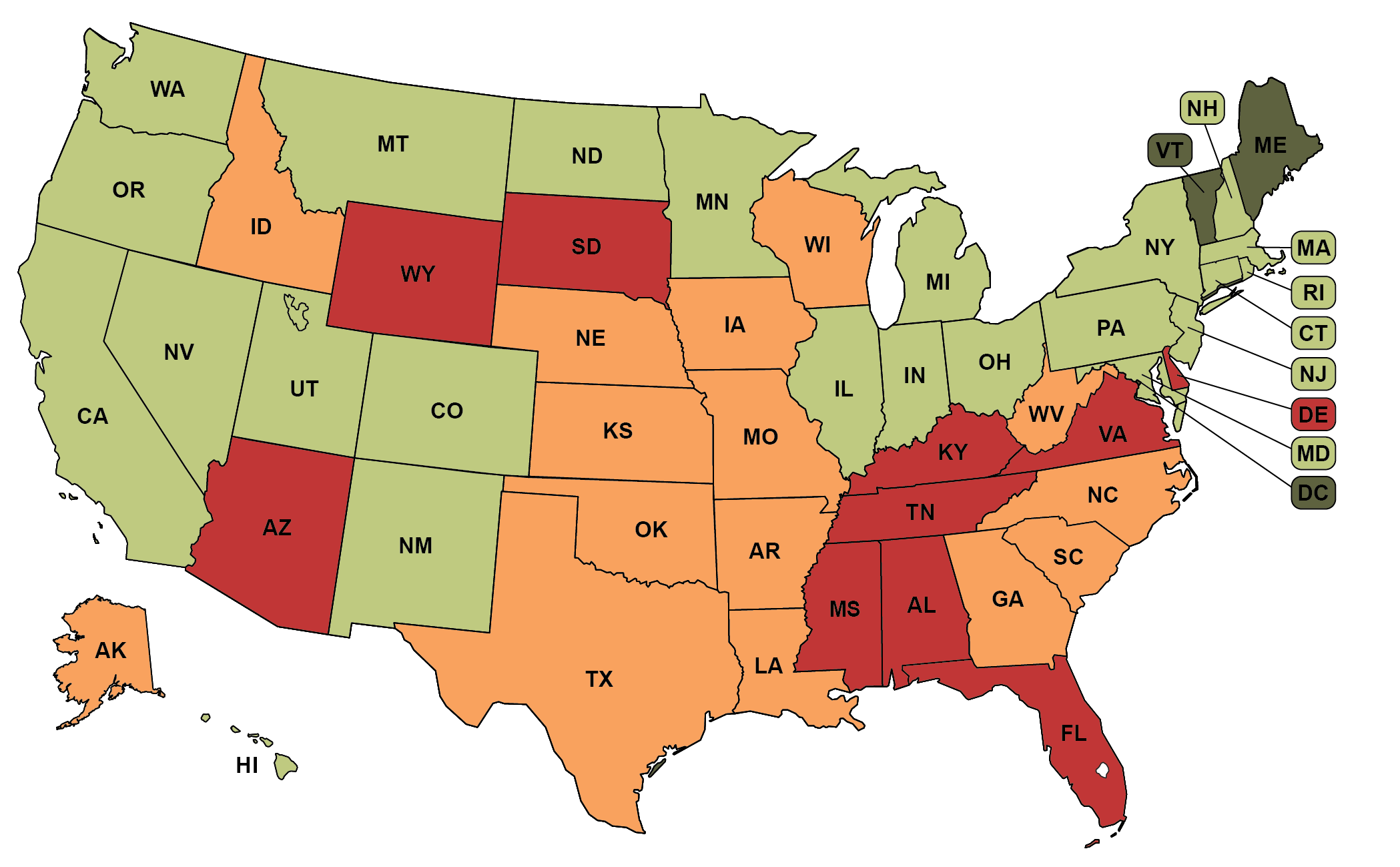
Florida’s approach to felon voting rights is also distinct from many other states. Some states automatically restore voting rights upon release from prison or completion of parole, while others maintain permanent disenfranchisement. This diversity across the United States underscores the importance of researching specific state laws, a key “travel tip” for anyone navigating legal or civic matters in different jurisdictions. Whether planning an extended stay or considering a permanent move, due diligence regarding local regulations is paramount for a smooth and informed experience.
Resources for Further Information and Support
Navigating the complexities of felon voting rights in Florida can be challenging, but numerous resources are available to provide guidance and support. For individuals seeking to verify their eligibility, understand their financial obligations, or receive assistance with the restoration process, reputable organizations offer invaluable services:
- Florida Rights Restoration Coalition (FRRC): This organization was a driving force behind Amendment 4 and continues to be a primary resource for information, legal assistance, and often financial aid to help individuals pay off LFOs. Their website provides detailed guides and contact information.
- ACLU of Florida: The American Civil Liberties Union of Florida actively advocates for voting rights and provides legal resources and information on the impact of current laws.
- Local Supervisors of Elections Offices: Each county in Florida has a Supervisor of Elections office, which can provide personalized information regarding voter registration and eligibility requirements. They are the official point of contact for voting-related queries in areas such as Jacksonville, Sarasota, and Naples.
- Florida Department of State: The state’s official website often provides FAQs and links to relevant statutes concerning voting rights.
In conclusion, while Amendment 4 marked a significant step forward in Florida for felon voting rights, the current reality involves a crucial financial prerequisite. For a convicted felon to vote in Florida, they generally must have completed all terms of their sentence, including the payment of all fines, fees, and restitution, unless they were convicted of murder or felony sexual offenses. Understanding this intricate legal landscape is not just for those directly affected; it’s a vital part of comprehending the broader social dynamics, civil liberties, and the evolving lifestyle of the Sunshine State, enriching the experience for every resident and visitor alike.
LifeOutOfTheBox is a participant in the Amazon Services LLC Associates Program, an affiliate advertising program designed to provide a means for sites to earn advertising fees by advertising and linking to Amazon.com. Amazon, the Amazon logo, AmazonSupply, and the AmazonSupply logo are trademarks of Amazon.com, Inc. or its affiliates. As an Amazon Associate we earn affiliate commissions from qualifying purchases.