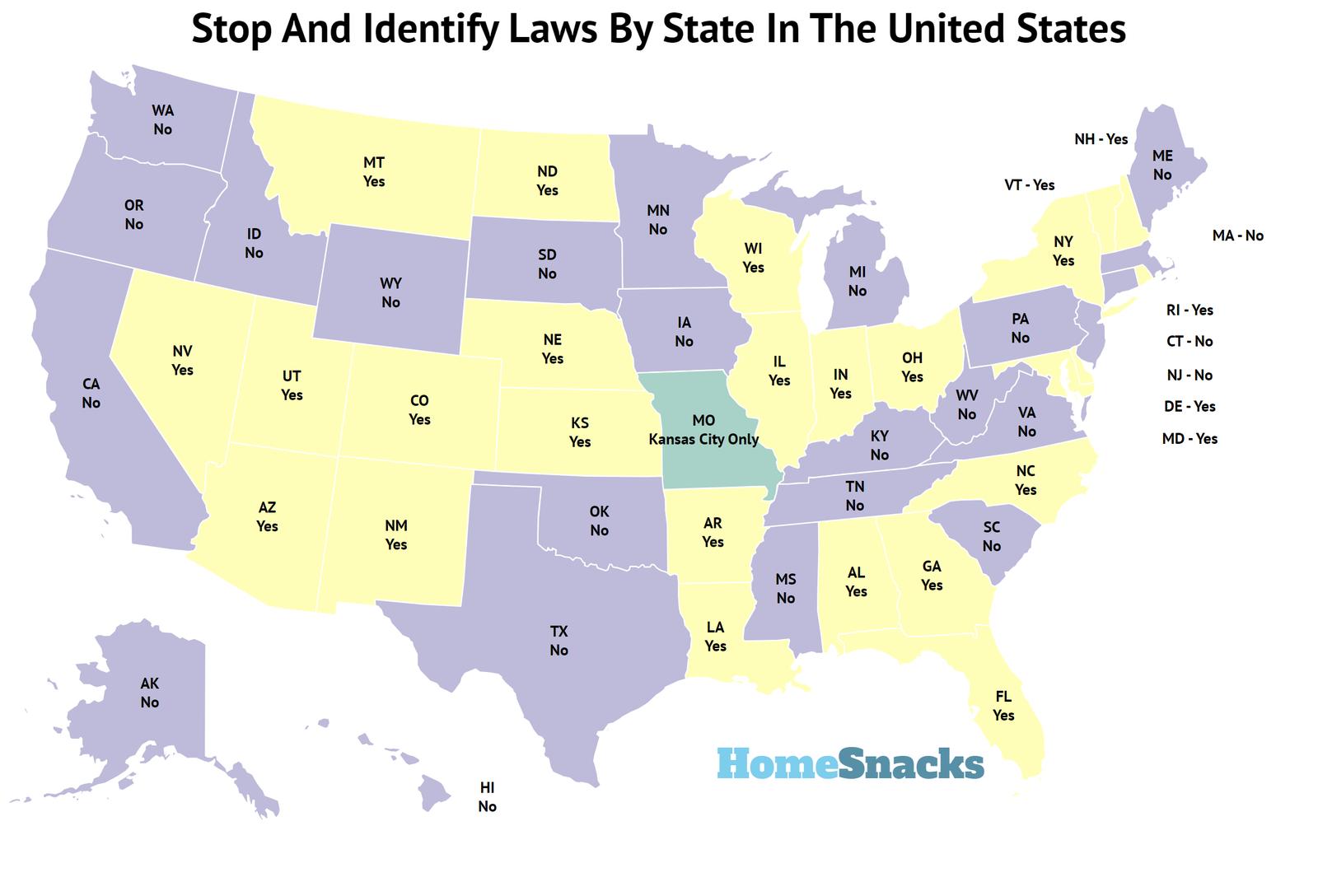
Embarking on a journey to the Sunshine State, whether it’s for the vibrant nightlife of Miami, the enchanting theme parks of Orlando, or the serene beaches of Key West, promises an unforgettable experience. Florida is a premier destination for travelers worldwide, boasting a rich tapestry of attractions, luxurious resorts, and diverse cultural experiences. From the historic charm of St. Augustine to the natural wonders of Everglades National Park, every corner of this state offers something unique. However, as with any travel adventure, it’s wise to be informed about the local laws and regulations, particularly concerning interactions with law enforcement. A common question that arises for both domestic and international visitors to the United States is whether Florida operates as a “Stop and ID” state. Understanding your rights and responsibilities can significantly enhance your travel experience, ensuring peace of mind throughout your stay.

This comprehensive guide aims to demystify Florida’s legal position on “Stop and ID” laws, providing practical advice for travelers. We’ll delve into what these laws entail, how Florida law differs from some other states, and what steps you can take to ensure a smooth and enjoyable trip while staying informed about your legal protections. For those planning a long-term stay, considering accommodation options, or simply exploring the state’s numerous landmarks, this knowledge is invaluable.
Understanding Florida’s Legal Framework: The “Stop and ID” Nuance
The concept of “Stop and ID” laws is frequently misunderstood, largely due to variations across different states within the United States. Knowing the specifics for your travel destination is crucial for a stress-free trip.
What Exactly is a “Stop and Identify” Law?
In its most stringent form, a “stop and identify” law mandates that an individual, when lawfully detained by law enforcement based on “reasonable suspicion” of criminal activity, must provide identification to the officer. The “reasonable suspicion” standard is a crucial legal benchmark, meaning an officer must have specific, articulable facts that lead them to believe a person is involved in, or about to be involved in, criminal behavior. It’s a lower standard than “probable cause,” which is required for an arrest.
The origins of these laws are rooted in the Supreme Court’s decision in Terry v. Ohio (1968), which established that police could briefly detain an individual if they have reasonable suspicion that the person has committed, is committing, or is about to commit a crime. This is often referred to as a “Terry Stop.” While Terry permitted the stop and a pat-down for weapons under specific circumstances, it did not explicitly require individuals to identify themselves. Many states subsequently enacted laws requiring identification during a lawful Terry stop.
Florida’s Stance: Not a Traditional “Stop and ID” State
Florida does not have a specific statute that broadly requires individuals to present identification to law enforcement simply upon being stopped with reasonable suspicion. This sets it apart from states like Nevada or New York that have explicit “stop and identify” statutes. In Florida, generally, you are not legally required to provide identification to a police officer merely because they have reasonable suspicion to detain you for questioning, unless there are additional circumstances.
However, there are important exceptions and nuances that every traveler must understand:
- Driving a Vehicle: If you are operating a motor vehicle, you are legally required to carry a valid driver’s license and vehicle registration, and present them upon demand by a law enforcement officer during a traffic stop. Failure to do so can result in citations or further legal issues. This is a common situation for tourists renting cars to explore destinations like Tampa or drive through The Keys.
- Arrest: If you are lawfully arrested, you are generally required to provide identification as part of the booking process.
- Specific Statutes: Certain specific statutes may require identification. For example, laws related to alcohol consumption by minors, or individuals involved in specific regulated activities, might carry an obligation to identify oneself. Fishing or hunting licenses also require identification.
- Immigration Status: For non-citizens, carrying documentation of your immigration status (e.g., passport with visa, green card) is generally advisable and may be requested by federal immigration officers, or by local law enforcement officers acting in coordination with federal immigration authorities. While not strictly a “Stop and ID” law in the state sense, it’s a significant consideration for international tourists visiting popular spots like Walt Disney World Resort or Universal Studios Florida.
- Voluntary Cooperation: While not legally required to identify yourself in a non-driving, non-arrest situation, you can always choose to cooperate and provide identification. Sometimes, doing so can resolve a misunderstanding quickly and lead to the officer concluding their interaction. However, this is a personal choice, and travelers should be aware of their rights before making it.
The key takeaway is that in Florida, outside of driving or being arrested, your obligation to identify yourself when merely stopped by an officer on foot is not as broad as in some other states. This nuanced distinction is vital for a clear understanding of your rights.
Your Rights as a Traveler in the Sunshine State
Understanding your rights is paramount to a comfortable and secure travel experience, especially when navigating unfamiliar legal landscapes. In Florida, as in the rest of the United States, the Fourth Amendment protects individuals from unreasonable searches and seizures, and the Fifth Amendment protects against self-incrimination. These constitutional safeguards are fundamental to your interactions with law enforcement.
When Law Enforcement Can Request Identification
Even though Florida isn’t a traditional “Stop and ID” state, officers can still ask for your identification. The distinction lies between asking and requiring.
- Traffic Stops: As mentioned, if you are driving, an officer can and will request your driver’s license, vehicle registration, and proof of insurance. This is a standard and legally mandated procedure.
- Reasonable Suspicion: If an officer has reasonable suspicion that you are involved in criminal activity, they can lawfully stop and briefly detain you for questioning. During this detention, they may ask for your name and identification. While you are not legally required to provide it (unless the aforementioned exceptions apply), they can continue to question you based on their suspicion.
- Witness/Victim: If you are considered a witness to a crime or a victim, an officer will likely ask for your identification to document the incident. While cooperation is often helpful in these situations, you typically retain the right to decline if you choose.
- Public Safety/Emergencies: In certain situations where there is an immediate threat to public safety or during an emergency, officers may have broader authority to gather information, including identity.
It’s important to remember that simply being in a public place, even popular tourist areas like South Beach or Clearwater Beach, does not automatically obligate you to identify yourself to a police officer unless one of the specific legal conditions is met.
Your Right to Remain Silent and Refuse Searches
Beyond the question of identification, two other critical rights are your right to remain silent and your right to refuse searches.
- Right to Remain Silent: Under the Fifth Amendment, you have the right to refuse to answer questions asked by law enforcement. You can clearly state, “I am exercising my right to remain silent.” While you must provide your license and registration during a traffic stop, you are not required to answer questions about your destination, activities, or anything else that might incriminate you. This right applies whether you are a suspect, a witness, or simply being questioned.
- Right to Refuse Searches: The Fourth Amendment protects you from unreasonable searches of your person, vehicle, or belongings. An officer needs either “probable cause” (a higher standard than reasonable suspicion), a warrant, or your voluntary consent to conduct a search. If an officer asks to search you or your belongings, you can politely but firmly say, “I do not consent to a search.” If they proceed to search anyway, do not resist physically, but clearly state for the record that you do not consent to the search. Remember that “consent” must be voluntary; it cannot be coerced. An officer might be able to search without consent if they observe something in plain view that is illegal or if they believe you are armed and dangerous (a pat-down for weapons during a Terry stop).
Understanding these rights is crucial. They are your shield against potential overreach and ensure that you are treated fairly under the law while enjoying your visit to Florida.
Practical Advice for Navigating Encounters with Law Enforcement
Even with a clear understanding of your rights, interacting with law enforcement can be daunting. Being prepared and knowing how to act can make a significant difference in the outcome of any encounter. This is particularly relevant for travelers who might be unfamiliar with local customs and legal procedures.
What to Do If Stopped While Driving
Traffic stops are the most common interaction travelers have with police.
- Pull Over Safely: As soon as it’s safe to do so, pull your vehicle to the right side of the road, turn off your engine, turn on your interior lights if it’s dark, and keep your hands visible on the steering wheel.
- Remain Calm and Courteous: Keep your demeanor respectful, even if you disagree with the reason for the stop.
- Provide Requested Documents: When asked, present your driver’s license, vehicle registration, and proof of insurance. Keep these documents easily accessible.
- Know Your Rights on Questioning: You are not required to answer questions beyond providing your identification and vehicle documents. You can politely state, “Officer, I prefer not to answer any questions without my attorney present.”
- Refuse Searches: If an officer asks to search your vehicle, you have the right to refuse. Say, “I do not consent to a search of my vehicle.” If they have probable cause or a warrant, they may proceed despite your refusal. Do not physically resist, but clearly state your non-consent.
- Stay in Your Vehicle: Unless instructed otherwise by the officer, remain inside your car.
What to Do If Stopped on Foot or in Public Spaces
Encounters on foot, perhaps near a landmark like the Kennedy Space Center Visitor Complex or strolling through Jacksonville, can feel different.
- Ask if You Are Free to Leave: This is the most important question. If an officer approaches you, ask, “Am I free to go?” If they say yes, you can politely walk away. If they say no, you are being detained, and your rights as a detained individual apply.
- Remain Silent: If detained, you have the right to remain silent. You can state, “I am exercising my right to remain silent.”
- Do Not Physically Resist: Never resist an officer physically, even if you believe the detention is unlawful. Your recourse is through the legal system later.
- Do Not Consent to Searches: If asked to search your person or bag, clearly state, “I do not consent to a search.”
- Identification: As discussed, in Florida, you are generally not required to provide identification when merely stopped with reasonable suspicion on foot. However, if you are being lawfully arrested, or if specific circumstances or ordinances apply, you may be required to. It is often a judgment call whether providing ID will quickly resolve the situation. If you choose to provide it, present only your ID and nothing else.
- Witness and Record (if safe and legal): If you witness an interaction between police and another person, you generally have the right to record it in public spaces, as long as you do not interfere with police duties. For your own interactions, recording can also be beneficial, but be mindful of privacy laws in certain contexts.
Special Considerations for International Visitors
International travelers have additional layers of consideration when visiting the United States and Florida.
- Passport and Visa Documents: Always carry your passport and visa (or ESTA printout) or a copy of them, especially if you are not a U.S. citizen. While local police typically cannot ask for these without reasonable suspicion of an immigration violation, federal agents (like CBP or ICE) can. Having them readily available can prevent misunderstandings.
- Consular Rights: If you are arrested, you have the right to contact your country’s consulate or embassy. Law enforcement must inform you of this right if you are not a U.S. citizen.
- Language Barrier: If there is a language barrier, request an interpreter. Do not sign anything you do not understand.
- Cultural Differences: Be aware that policing styles may differ from your home country. What might be acceptable or expected in one country may not be in another. Maintaining a calm and respectful demeanor is universally advisable.
Equipping yourself with this knowledge is not about anticipating trouble but about empowering yourself to handle any unforeseen circumstances confidently and correctly. This ensures your focus remains on enjoying your Florida experience, from the thrilling rides at Busch Gardens Tampa Bay to the serene sunsets of Naples.
Enhancing Your Florida Travel Experience with Awareness
Travel, at its heart, is about exploration, relaxation, and creating lasting memories. Understanding local laws, including the nuances of “Stop and ID” in Florida, contributes significantly to a worry-free and enjoyable journey. This awareness allows you to immerse yourself fully in the rich offerings of the state, from its vibrant culture to its stunning natural beauty, without undue concern.
Peace of Mind in Popular Destinations and Attractions
Florida’s allure stems from its diverse attractions. Whether you’re planning a family trip to Orlando’s theme parks, a romantic escape to Sarasota’s Siesta Key, or an urban adventure in Fort Lauderdale, knowing your rights ensures a layer of protection and comfort. Tourists flock to these areas, and while law enforcement is primarily there to ensure safety, unexpected interactions can occur.
For instance, enjoying a night out in Miami Beach, or attending a concert in Tampa, involves being in public spaces where law enforcement maintains a presence. Being aware of your right to remain silent and your stance on providing identification can prevent minor inquiries from escalating. It’s about being informed and confident, rather than fearful. This peace of mind allows you to focus on the local culture, savor the delicious Florida cuisine, and engage in the various activities without constantly worrying about legal pitfalls.
Planning Your Trip: Incorporating Legal Awareness into Your Lifestyle Choices
Integrating legal awareness into your travel planning aligns perfectly with a responsible and enriching travel lifestyle. It’s a proactive step that enhances all aspects of your trip, whether you’re a luxury traveler staying in a high-end Miami resort or a budget traveler exploring the state’s natural parks.
- Pre-Trip Research: Before you even book your accommodation or plan your itinerary, a quick review of local laws, especially for driving regulations and specific regional ordinances (e.g., open container laws on beaches), is advisable. Websites like
lifeoutofthebox.comoffer guides on various destinations, and this legal insight is a natural extension of comprehensive travel planning. - Document Management: Always have important documents (ID, passport, visa, booking confirmations) safely stored and accessible, perhaps with digital copies on your phone or in a cloud service. This is particularly crucial for any long-term stay or if you are combining your trip with business travel.
- Emergency Contacts: Keep a list of emergency contacts, including local consulate information for international visitors, readily available.
- Travel Insurance: For international travelers, understanding the scope of your travel insurance, especially regarding legal assistance or emergencies, can be beneficial.
By taking these preparatory steps, you’re not only safeguarding yourself but also ensuring that your focus remains on the incredible experiences Florida has to offer. From the captivating history of St. Augustine on the Atlantic Coast to the pristine waters of the Gulf Coast, your adventure will be more enjoyable when you feel secure and informed.
In conclusion, while Florida is not a traditional “Stop and ID” state like some others in the United States, there are specific circumstances, particularly involving driving or lawful arrest, where you are legally required to provide identification. For all other encounters, while officers may ask for identification, you generally retain the right to refuse, alongside your fundamental rights to remain silent and refuse searches. By understanding these nuances and remaining calm and respectful during any interaction, travelers can confidently navigate the legal landscape of the Sunshine State, ensuring their trip is memorable for all the right reasons. Enjoy your journey through Florida’s magnificent destinations, its vibrant lifestyle, and its endless possibilities for adventure.