
For any traveler, whether embarking on a long-anticipated vacation, a crucial business trip, or a spontaneous weekend getaway, understanding the local time upon arrival is far more than a mere curiosity—it’s the cornerstone of effective planning and an immersive experience. When your destination is a vibrant metropolis like Chicago, a city renowned for its stunning architecture, world-class museums, diverse culinary scene, and lively entertainment, every minute counts. So, what time is it in Chicago right now?
Chicago operates on Central Time (CT), which is UTC-6 during Standard Time and UTC-5 during Daylight Saving Time (DST). This seemingly simple piece of information holds profound implications for everything from scheduling your airport transfer to making dinner reservations and ensuring you don’t miss out on a once-in-a-lifetime museum exhibit. From the moment you land at O’Hare International Airport or Midway International Airport, syncing your internal clock with the rhythm of the city is your first step towards unlocking the full potential of your visit. This guide delves into the significance of Chicago’s time zone, offering insights into how to best manage your schedule, overcome potential jet lag, and meticulously plan your travel, accommodation, tourism activities, and overall lifestyle experiences in the Windy City.
Understanding Chicago’s Time Zone and Its Impact on Travel
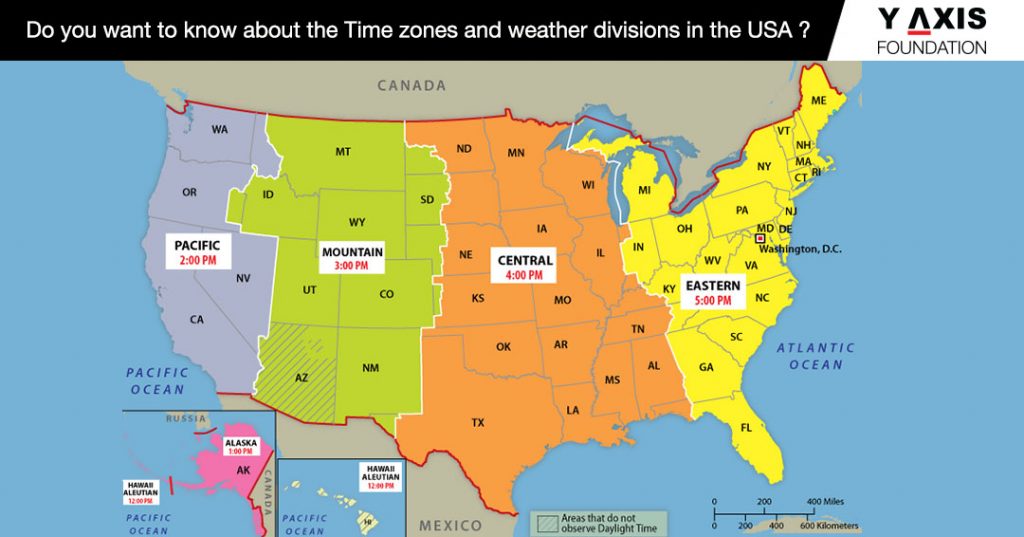
The concept of time zones, while seemingly straightforward, dictates the pace of global travel and communication. For a city as central and interconnected as Chicago, being situated in the Central Time Zone (CT) has significant implications for both domestic and international visitors. Knowing precisely where Chicago stands in relation to other major cities—like being two hours ahead of Los Angeles, one hour behind New York City, or six to eight hours behind European capitals like London and Paris—is fundamental to a seamless travel experience.
Central Time Zone (CT) Explained
The Central Time Zone encompasses a vast swathe of the central United States, stretching from the Gulf of Mexico to the Canadian border. During the majority of the year, from early March to early November, Chicago observes Central Daylight Saving Time (CDT), which is UTC-5. This shift means that clocks are moved forward by one hour, providing an extra hour of daylight in the evenings. For the remainder of the year, the city reverts to Central Standard Time (CST), which is UTC-6.
This biannual adjustment can be a point of confusion for travelers, especially those arriving from regions that do not observe Daylight Saving Time or follow a different schedule for its implementation. Always double-checking whether Chicago is currently observing CDT or CST is a crucial first step in accurate trip planning. Many airlines and booking platforms automatically adjust for this, but confirming independently can save you from missed appointments or delayed departures. Moreover, understanding the Central Time Zone’s position relative to your origin allows you to anticipate potential disruptions to your sleep schedule and plan accordingly.
Navigating Jet Lag for International Travelers
For those arriving from distant lands, particularly across multiple time zones from continents like Europe, Asia, or Australia, jet lag is an almost inevitable companion. The difference in time from cities like Tokyo (14 hours ahead) or Sydney (15 hours ahead during DST) can significantly impact your first few days in Chicago. Jet lag symptoms, ranging from fatigue and disorientation to digestive issues and difficulty concentrating, can diminish the enjoyment of your trip if not managed proactively.
Successful jet lag mitigation involves several strategies. Prior to your departure, gradually adjust your sleep schedule closer to Chicago time. Hydrate consistently during your flight and avoid excessive alcohol or caffeine. Upon arrival, expose yourself to natural daylight as much as possible, particularly in the mornings, to help reset your circadian rhythm. Resist the urge to nap extensively during the day, even if exhausted, and try to eat meals at local Chicago times. Choosing flights that arrive earlier in the day can also give you more daylight hours to adjust before needing to sleep. Many luxury hotels in Chicago, such as The Langham Chicago or Peninsula Chicago, offer amenities like blackout curtains, calming spa services, and 24-hour room service that can aid in your adjustment, ensuring you’re refreshed and ready to explore.
Importance for Business and Leisure Planning
Whether your trip to Chicago is for business or pleasure, a precise understanding of the local time is paramount. For business travelers, adhering to meeting schedules, conference times, and networking events is critical. Miscalculating a time zone difference could lead to missed opportunities or, at best, a flustered start. It’s advisable to confirm all meeting times in Chicago local time with your contacts, especially if you are coordinating across different time zones. Building in a buffer for travel to and from venues, particularly during peak Chicago rush hours, is also a smart strategy.
For leisure travelers, accurate timekeeping is equally vital. Missing a timed entry slot for the Art Institute of Chicago, an architectural boat tour on the Chicago River, or a reservation at a sought-after Michelin-starred restaurant can be disappointing. Many popular Chicago attractions now require advance booking with specific time slots to manage crowd flow. From catching a Chicago Cubs game at Wrigleyville to experiencing the panoramic views from Skydeck Chicago at the Willis Tower, knowing the local time ensures you arrive punctually and make the most of your prepaid tickets and precious vacation hours.
Maximizing Your Chicago Experience: A Time-Based Itinerary
Chicago’s appeal lies in its dynamic versatility, offering distinct experiences depending on the hour. Crafting a time-based itinerary allows you to capture the essence of the city from dawn until dusk, ensuring no memorable moment is left unexplored. From the serene mornings to the vibrant nights, Chicago offers a continuous stream of activities for every taste.
Morning Delights: Breakfast, Museums, and Early Exploration
The early hours in Chicago offer a tranquil yet invigorating start to your day. As the city awakens, the magnificent skyline is often bathed in a soft, golden light, perfect for photography. Begin your day with a classic Chicago breakfast—perhaps a hearty meal at a local diner or a sophisticated brunch at your hotel, such as the Hyatt Regency Chicago. This is an opportune time to visit some of Chicago’s world-renowned museums, such as the Field Museum, Shedd Aquarium, or the Museum of Science and Industry. Arriving shortly after opening allows you to explore the exhibits before the midday crowds descend, providing a more intimate and leisurely experience.
Alternatively, take advantage of the cooler morning temperatures for an invigorating stroll through Millennium Park, where you can admire Cloud Gate (The Bean)) with fewer onlookers, or wander through the lush expanses of Grant Park. A morning walk along the Chicago Riverwalk offers breathtaking views of the city’s iconic architecture, an experience that transitions beautifully from the calm of morning to the bustle of the late morning. Many architectural boat tours also begin mid-morning, providing an excellent way to learn about the city’s history and design while cruising its famous waterway.

Afternoon Adventures: Iconic Landmarks and Shopping Sprees
As the morning progresses into afternoon, Chicago truly comes alive. This is the prime time to tackle some of the city’s most famous landmarks and indulge in retail therapy. Ascend the Willis Tower for unparalleled views of the city, or opt for the 360 Chicago Observation Deck at the John Hancock Center for a different perspective. Remember to book timed tickets in advance, especially during peak tourist season, to minimize waiting times.
The afternoon is also ideal for exploring the Magnificent Mile, Chicago’s premier shopping district. Here, you’ll find everything from high-end boutiques to major department stores, interspersed with charming cafes where you can grab a quick lunch or a revitalizing coffee. For families, Navy Pier offers a plethora of afternoon activities, including rides, gardens, and diverse dining options. Alternatively, a visit to Lincoln Park Zoo, one of the oldest free zoos in the United States, can provide a relaxing escape from the urban hustle. The afternoon can also be a perfect time to savor Chicago’s culinary scene, perhaps by trying a slice of authentic deep-dish pizza at a local institution.
Evening Elegance: Dining, Entertainment, and Nightlife
As twilight descends upon Chicago, the city transforms into a dazzling spectacle of lights and energy. The evening is dedicated to unforgettable dining experiences, world-class entertainment, and vibrant nightlife. Making dinner reservations well in advance is highly recommended, especially for popular establishments or during weekends. Chicago boasts an incredible array of culinary options, from casual eateries to fine dining, catering to every palate and preference.
After dinner, immerse yourself in Chicago’s legendary arts and culture scene. Catch a Broadway show in the Theater District, enjoy a classical performance at the Symphony Center, or experience the improvisational brilliance of The Second City. For music lovers, Chicago’s deep roots in jazz and blues are evident in its numerous clubs, where you can enjoy live performances late into the night. If you’re visiting during sports season, attending a Chicago Bulls game at the United Center or a Chicago Blackhawks game offers an electrifying evening experience. For those seeking a more relaxed ambiance, enjoy a cocktail at a rooftop bar, like Cindy’s Rooftop, offering stunning panoramic views of the illuminated city skyline and Millennium Park.
Accommodation and Logistics: Planning Your Stay Around Chicago Time
The seamless integration of your travel itinerary with Chicago’s local time extends beyond tourist attractions; it’s vital for all logistical aspects of your trip, particularly accommodation and transportation. A well-orchestrated plan ensures comfort and minimizes stress from the moment you consider booking to your final departure.
Checking In and Out: Hotel Policies and Your Schedule
Hotel check-in and check-out times are strictly adhered to and almost always reference local time. Standard check-in is typically between 3:00 PM and 4:00 PM CT, and check-out is usually around 11:00 AM or 12:00 PM CT. If your flight arrives early in the morning, or departs late in the evening, this can create a significant gap between your arrival/departure and your room’s availability.
For early arrivals, consider contacting your hotel—be it a luxury suite at the Four Seasons Hotel Chicago, an apartment stay, or a boutique resort like Thompson Chicago—in advance to inquire about early check-in options. While not always guaranteed, many hotels will accommodate this if rooms are available, especially for loyalty program members. Alternatively, most hotels offer luggage storage facilities, allowing you to drop off your bags and begin exploring Chicago immediately. For late departures, asking for a late check-out can extend your stay in the room, often for an additional fee or as a complimentary perk for elite guests. If that’s not possible, utilizing luggage storage allows you to enjoy your last few hours in the city without the burden of your bags.
Booking Flights and Transfers: Synchronizing with Local Time
When booking flights to Chicago, always pay close attention to the arrival and departure times listed in local Chicago time. This is particularly crucial for connecting flights or if you have tight schedules upon arrival or before departure. Missing a connecting flight due to time zone confusion can be a costly mistake.
Once your flights are set, plan your airport transfers with Chicago time in mind. Whether you’re using the CTA Blue Line from O’Hare International Airport, a taxi, ride-share service, or a pre-booked shuttle, factor in potential traffic delays, especially during rush hour, which typically runs from 7:00 AM to 9:00 AM and 4:00 PM to 6:00 PM CT on weekdays. Reputable hotels like the Palmer House Hilton or Swissôtel Chicago often have concierge services that can assist with arranging reliable transfers, taking into account local traffic patterns and your schedule.
Dining Reservations and Event Bookings: Don’t Miss a Beat
Chicago’s culinary scene is a major draw, and securing reservations at popular restaurants, particularly for weekend evenings or special occasions, is often essential. Always make these bookings in Chicago local time to avoid any miscommunications. The same applies to booking tickets for shows, sporting events, concerts (like Lollapalooza), or timed entry to museums and observatories. Many online booking systems will automatically convert times to your local time zone during the booking process, but it’s always best to verify the final confirmed time in the destination’s local time.
For events like the Chicago Marathon or large conventions, traffic and public transport schedules can be significantly altered. Being aware of the event’s start and end times in relation to your itinerary will help you navigate the city efficiently. Always give yourself ample time to travel to these events, perhaps opting for public transportation or planning routes that avoid major congestion areas.
Embracing Chicago’s Lifestyle, Day and Night
Chicago caters to every lifestyle, offering a spectrum of experiences from budget-friendly adventures to opulent indulgence. Understanding how local time impacts the availability and flow of these activities ensures you capture the true essence of the city, regardless of your travel style or budget.
Family-Friendly Fun: Activities for All Ages
For families traveling with children, managing schedules around naps, meals, and early bedtimes is crucial. Chicago offers a wealth of family-friendly attractions that can be enjoyed throughout the day. Morning visits to the Shedd Aquarium or Lincoln Park Zoo are excellent as children are typically more energized. Afternoons can be spent at Navy Pier with its Ferris wheel and children’s museum, or exploring the interactive exhibits at the Museum of Science and Industry.
Many restaurants offer early bird specials or child-friendly menus, making early dinners a convenient option before heading back to the hotel. Consider family-focused accommodation options like serviced apartments or suites, which often provide kitchenettes and separate living areas, allowing for more flexibility with meal times and relaxation. Attractions often have specific opening and closing hours, so checking these against your children’s routine in Chicago time will help avoid meltdowns and maximize fun.
Luxury Experiences: Indulging in the Best of the Windy City
Chicago is synonymous with luxury, offering discerning travelers unparalleled experiences. From staying in five-star suites with panoramic city views to indulging in private shopping excursions along the Magnificent Mile, precise timing enhances these exclusive moments. Booking private architectural tours, securing prime seating at a Chicago Bulls game, or enjoying a bespoke dining experience at one of the city’s many Michelin-starred restaurants often requires advance planning and strict adherence to scheduled times.
For those seeking ultimate relaxation, indulging in spa treatments at luxury hotel spas like The Langham Chicago can be a perfect afternoon or evening activity. Many luxury establishments also offer exclusive after-hours access to galleries or private events. Coordinating these high-end experiences with your personal preferences and the local Chicago clock ensures a seamless and memorable lavish retreat. Personal concierges at upscale hotels are adept at managing complex itineraries and can be invaluable in orchestrating these time-sensitive luxury pursuits.
Budget-Conscious Travel: Enjoying Chicago Without Breaking the Bank
Even for budget travelers, understanding Chicago’s time can unlock significant savings and experiences. Many museums offer free admission days or hours, often in the late afternoon or early evening. Free attractions like Lincoln Park Zoo, Millennium Park, and walking along the Riverwalk can fill hours without spending a dime.
Eating out can be a significant expense, but many restaurants offer lunch specials or happy hour deals earlier in the evening that provide excellent value. Exploring local neighborhoods during the day can reveal hidden gems and more affordable dining options compared to the central tourist districts. Utilizing Chicago’s efficient public transportation system, the CTA, is also a cost-effective way to get around, but it’s important to be aware of peak hours when trains and buses can be crowded, potentially impacting travel time. Early mornings are often the best time for budget travelers to capture iconic photos without crowds, maximizing their free sightseeing opportunities.
In conclusion, while “What time is it in Chicago now?” might seem like a simple question, its answer is intricately woven into every aspect of travel planning and execution in this magnificent city. From overcoming jet lag to securing the best dining reservations and experiencing Chicago’s diverse attractions, a keen awareness of the local time zone and its daily rhythms is your ultimate tool for a rewarding, stress-free, and truly unforgettable visit to the Windy City. Plan wisely, embrace the local pace, and prepare to be captivated by all that Chicago has to offer, from the first light of dawn to the dazzling glow of its iconic skyline at night.
LifeOutOfTheBox is a participant in the Amazon Services LLC Associates Program, an affiliate advertising program designed to provide a means for sites to earn advertising fees by advertising and linking to Amazon.com. Amazon, the Amazon logo, AmazonSupply, and the AmazonSupply logo are trademarks of Amazon.com, Inc. or its affiliates. As an Amazon Associate we earn affiliate commissions from qualifying purchases.