
California – a land of sun-kissed beaches, towering ancient redwoods, majestic mountains, and vibrant cities – beckons millions of travelers each year. From the iconic glamour of Hollywood and the serene beauty of Yosemite National Park to the world-renowned vineyards of Napa Valley and the stunning coastline of Big Sur, the Golden State offers an unparalleled tapestry of experiences. However, beneath this allure lies an increasingly prominent challenge: wildfires. For both residents and visitors planning their next travel adventure, understanding the dynamics of these fires is crucial for safety, informed decision-making, and responsible tourism.
The question “Where are the fires in California?” is far more complex than a simple geographical query. It speaks to evolving climate patterns, the interface between wildlands and urban areas, and the profound impact on infrastructure, natural landmarks, and the lives of those who call California home. For a website dedicated to travel, hotels, tourism, and lifestyle, addressing this topic isn’t just about reporting news; it’s about providing essential guidance, fostering preparedness, and highlighting the resilience of a state that continues to inspire exploration despite its challenges. This comprehensive guide aims to shed light on California’s wildfire situation, offering insights for planning your trip, ensuring your safety, and contributing to the state’s ongoing recovery and conservation efforts.
Understanding California’s Wildfire Landscape
California’s diverse topography and Mediterranean climate naturally lend themselves to periods of wildfire. However, recent decades have seen an alarming increase in the frequency, intensity, and destructiveness of these events, primarily driven by a combination of climate change, prolonged drought conditions, and historical land management practices. Understanding the underlying factors and typical patterns of wildfire season is the first step toward informed travel and awareness.
The Dynamics of Fire Season
While wildfires can occur year-round in California, the official “fire season” typically spans from late spring through late autumn, peaking during the hot, dry months of August, September, and October. This period is characterized by high temperatures, low humidity, and strong Santa Ana or Diablo winds, which can rapidly spread flames across vast distances. The dry chaparral, brush, and timber — a natural part of California’s ecosystems — become highly flammable fuel, ready to ignite from natural causes like lightning strikes or, more commonly, human activity.
The dynamics of these fires are complex. They aren’t just isolated incidents but often part of a broader environmental narrative. Extended periods of drought weaken trees, making them more susceptible to insect infestations and disease, creating even more dry fuel. Urban encroachment into wildland areas, known as the Wildland Urban Interface (WUI), also increases the risk of ignitions and the potential for structural damage, impacting communities and critical infrastructure. For travelers, this means that even if a fire isn’t directly in a major destination, its smoke or the resources deployed to combat it can indirectly affect their planned itinerary.
Key Regions and Vulnerabilities
Wildfires can affect virtually any part of California, but certain regions are historically more vulnerable. The mountainous areas, particularly the Sierra Nevada foothills, the coastal ranges, and the southern California mountains, are hotspots. Iconic areas like Sonoma County and Napa Valley in wine country, the forested regions surrounding Lake Tahoe, and the sprawling wildlands bordering Los Angeles and San Diego have all experienced significant wildfire events.
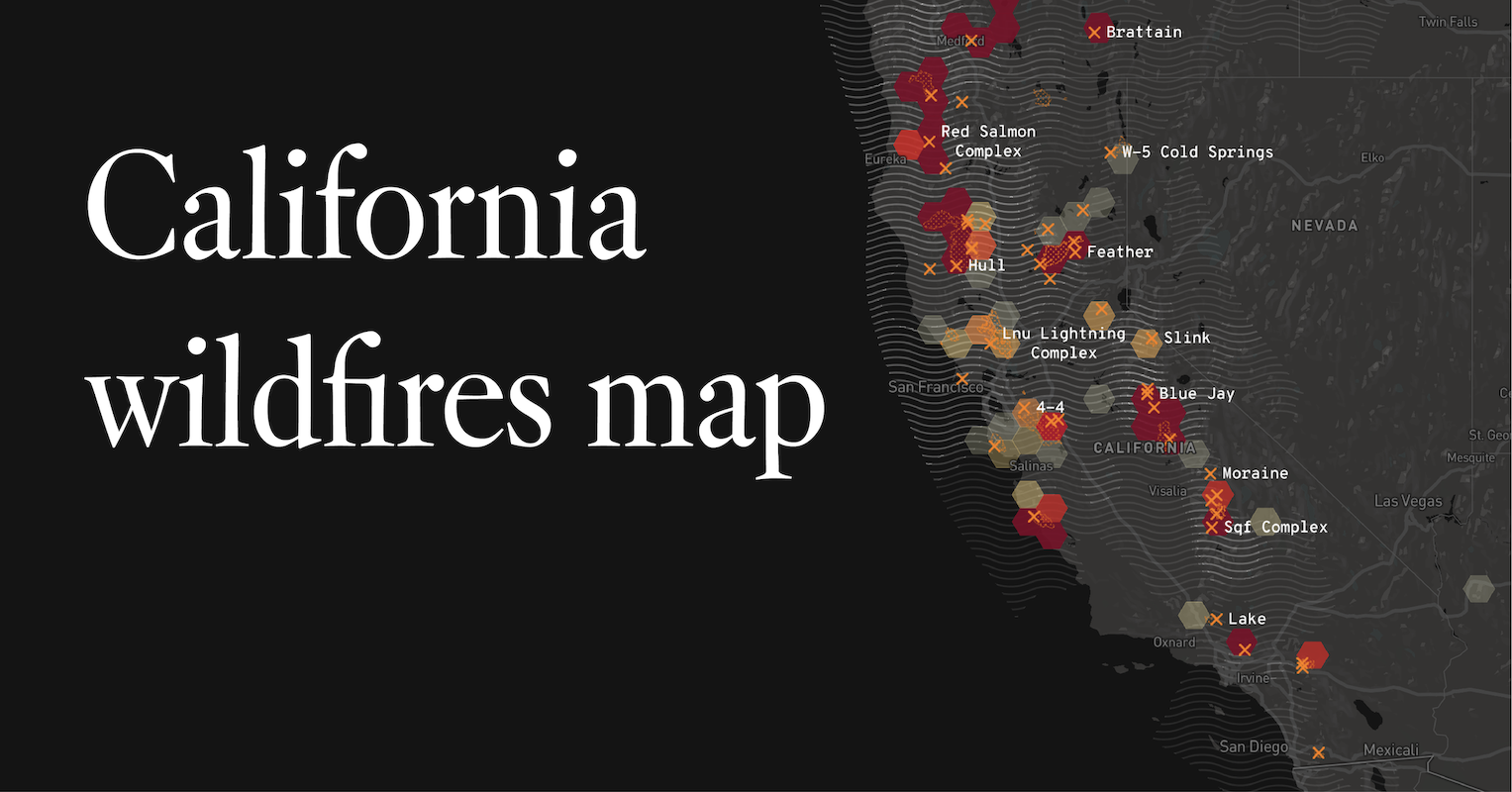
The vulnerability isn’t just about forests burning. It extends to the delicate ecosystems of places like Redwood National Park, the unique flora and fauna of the Mojave Desert, and the marine life off the Big Sur coast, all of which can be indirectly affected by smoke, ash, and subsequent erosion. CAL FIRE and the US Forest Service provide real-time maps and updates on active fires, their containment status, and potential threats to communities. These resources are invaluable for anyone planning to visit or travel through these beautiful, yet sometimes volatile, regions.
Navigating Travel and Tourism Amidst Wildfire Activity
The primary concern during wildfire season is safety. However, beyond immediate danger, wildfires can significantly impact travel plans, affecting everything from air quality to road accessibility. Staying informed and flexible is key to a smooth and enjoyable California experience.
Impact on Destinations and Attractions
When fires burn, the immediate impact on specific destinations can be severe. National and state parks, such as Yosemite National Park, Sequoia National Park, or portions of the Pacific Crest Trail, may be partially or fully closed to visitors to ensure public safety and allow firefighting efforts. Similarly, popular scenic routes like Highway 1 along the Big Sur coast or access roads to mountain resorts near Lake Tahoe could face closures.
Beyond direct closures, the atmosphere can also be significantly altered. Even if a fire is miles away, smoke plumes can drift, casting a hazy pall over cities like San Francisco or Los Angeles, obscuring iconic views of the Golden Gate Bridge or the Hollywood Sign. Outdoor activities like hiking, cycling, or enjoying theme parks such as Disneyland can become less pleasant or even unsafe due to poor air quality. Wineries in Napa Valley might also face operational disruptions or concerns about smoke taint affecting grapes, impacting tasting experiences. It’s always advisable to check local park service websites, tourism boards, and specific attraction pages for real-time updates before heading out.
Air Quality and Health Considerations
One of the most widespread impacts of wildfires is the degradation of air quality, which can affect areas hundreds of miles from the active burn zones. Wildfire smoke contains fine particulate matter that can penetrate deep into the lungs, posing health risks, especially for individuals with respiratory conditions, the elderly, and young children. Air quality indices (AQI) are crucial tools for travelers during fire season. Websites like AirNow.gov provide real-time AQI maps and forecasts, allowing you to gauge the safety of outdoor activities in your chosen destination.
When air quality is poor, it’s recommended to limit prolonged outdoor exposure, keep windows and doors closed, and use air purifiers if available in your accommodation. Some travelers might consider N95 masks for outdoor activities during periods of moderate to unhealthy air quality. Choosing indoor attractions like museums, art galleries, or shopping centers in cities like San Francisco, Los Angeles, or San Jose can be a smart alternative when smoke is prevalent.
Road Closures and Transportation
Wildfires frequently lead to road closures, which can disrupt ground transportation and impact travel times significantly. Major highways, scenic byways, and local roads may be closed to ensure public safety, facilitate emergency vehicle access, or due to direct fire threats. This can affect routes to popular areas like Yosemite, Lake Tahoe, or even major interstates connecting cities.
Before embarking on any road trip in California during fire season, it is essential to check current road conditions. Resources such as Caltrans QuickMap provide up-to-the-minute information on closures, traffic incidents, and alternative routes. Flight schedules at major airports like LAX or SFO can also be indirectly affected by visibility issues due to smoke, leading to delays or cancellations. Always confirm your flight status with your airline before heading to the airport. Being aware of these potential disruptions allows travelers to adjust itineraries, consider alternative transportation options, or postpone non-essential journeys.
Accommodation and Planning: Staying Informed and Safe
Careful planning, particularly regarding accommodation and travel insurance, becomes paramount when visiting California during wildfire season. Having a flexible approach and understanding available resources can help mitigate potential disruptions and ensure a safe trip.
Booking Flexibly and Understanding Policies
When booking hotels, resorts, apartments, or villas in California, especially during the traditional fire season, prioritizing flexible cancellation policies is a wise lifestyle choice. Many reputable accommodation providers offer options for free cancellation up to a certain point, which can be invaluable if a fire erupts near your chosen destination. Reading the fine print of booking agreements is crucial, as policies vary significantly.
Consider purchasing comprehensive travel insurance that covers natural disasters. While basic policies might not cover changes of mind, a robust plan could protect you against non-refundable expenses if your trip is canceled or interrupted due to mandatory evacuations, road closures, or other significant wildfire-related disruptions. Always verify what your policy specifically covers regarding wildfires and natural disasters before purchasing. Websites offering accommodation comparison and reviews can also sometimes provide insights into how specific hotels or areas typically handle such situations.
Finding Safe Havens and Alternative Stays
Should a fire situation arise that impacts your planned destination, having an evacuation plan or a backup accommodation strategy is beneficial. If you are staying in a high-risk area, familiarize yourself with local evacuation routes and emergency shelters. Many hotels in unaffected cities further away from fire zones, such as San Jose, Sacramento, or even Reno, Nevada (if visiting Lake Tahoe and unable to move further west), might have availability.
Exploring alternative destinations within California that are less prone to wildfires, or at least far from current activity, is also an option. For instance, if mountain areas are affected, a coastal city like Santa Barbara or Monterey might offer a safer and equally enriching experience, provided air quality is acceptable. Leveraging online booking platforms to check real-time availability in a wider geographical radius can help secure last-minute changes to your itinerary. Look for hotels with good amenities like indoor pools or fitness centers, which can be valuable if outdoor activities are curtailed.
Essential Resources for Travelers
Staying informed is your best defense. Utilize official channels for the most accurate and up-to-date information:
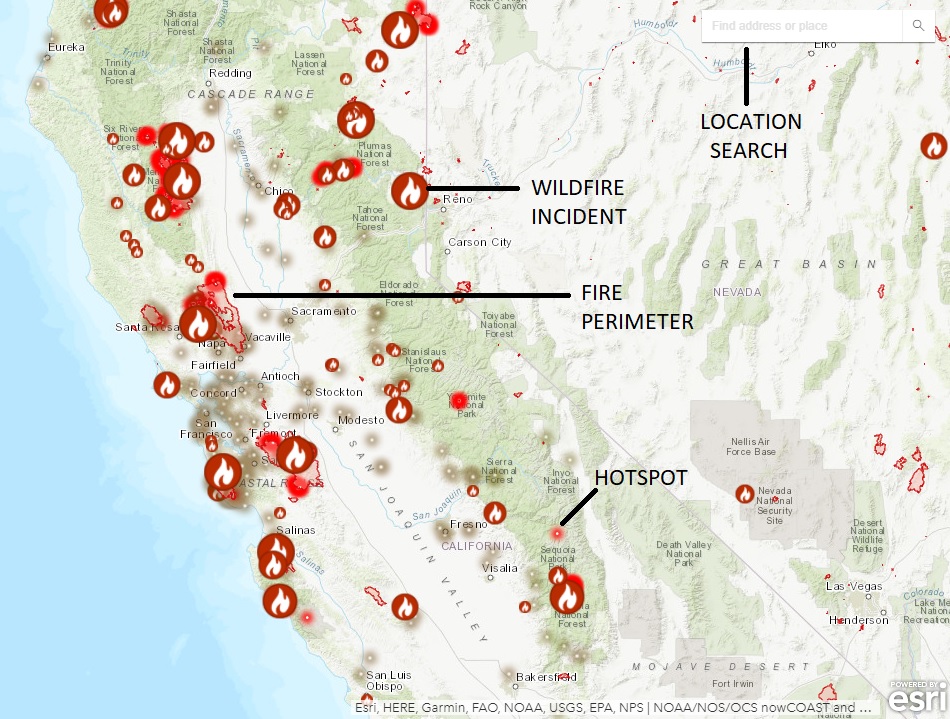
- CAL FIRE Incident Information: The primary source for active wildfire locations, sizes, containment, and evacuation orders. Their website and social media channels are constantly updated.
- National Park Service / California State Parks: Check individual park websites for closure information, trail conditions, and air quality updates.
- Caltrans QuickMap: For real-time road closures and conditions across the state.
- AirNow.gov: Provides current air quality data by location.
- Local Emergency Services: Sign up for local alerts in your chosen destination via county-specific emergency alert systems (e.g., Nixle).
- Hotel and Tourism Websites: Many local tourism boards and specific hotel websites will post advisories or direct links to official information.
Keep a portable battery pack charged for your phone, and always have physical maps as a backup in case cell service is disrupted. Being self-reliant and prepared can make a significant difference in an emergency.
The Resilience of California’s Landmarks and Communities
Despite the annual challenges posed by wildfires, California remains an incredibly vibrant and resilient state. Its natural landmarks endure, and its communities consistently demonstrate remarkable strength and adaptability. For travelers, understanding this resilience and knowing how to engage in responsible tourism is key to a meaningful visit.
Protecting Natural Wonders and Cultural Sites
California is home to an astonishing array of natural landmarks, from the ancient groves of Redwood National Park and Sequoia National Park to the dramatic cliffs of Big Sur and the vast wilderness of the Sierra Nevada. These sites are not only ecological treasures but also vital attractions for the state’s tourism economy. Efforts to protect them from wildfires are monumental, involving controlled burns, forest thinning, and rapid response by dedicated firefighters.
Culturally significant sites, including historic towns, wineries, and agricultural lands, also face threats. Many communities have learned to adapt, investing in fire-resistant construction and creating defensible spaces around properties. The post-fire recovery process is extensive, involving ecological restoration, rebuilding, and community healing. As a visitor, recognizing the efforts made to preserve these landmarks and sites, and respecting any temporary closures or restrictions, is part of responsible travel.
Supporting Local Tourism and Recovery Efforts
When a region is impacted by wildfires, the local tourism economy often takes a significant hit. Businesses, from small boutique hotels and family-run restaurants to local guides and tour operators, rely heavily on visitor traffic. Once an area is declared safe and open for visitors, one of the most impactful ways to support recovery is to return and spend your travel dollars locally.
However, “support” does not mean rushing into areas that are still recovering or are unsafe. It means being mindful and patient. Follow local advisories, respect the pace of recovery, and choose businesses that are genuinely ready to welcome visitors. This might involve staying in a local hotel, dining at local eateries, purchasing crafts from local artisans, or booking tours with local operators. Your presence, when appropriate, helps communities rebuild and regain a sense of normalcy. Many tourism organizations in affected areas actively promote “come back” campaigns once they are ready to receive guests, providing guidance on how visitors can best help.
Responsible Travel in a Changing Climate
Visiting California today, especially during fire season, calls for a heightened sense of responsibility. This means minimizing your own fire risk, understanding your environmental impact, and respecting local regulations.
- Fire Prevention: Be extremely cautious with anything that could spark a fire. This includes campfires (check restrictions and use designated fire rings only), cigarette disposal, parking vehicles on dry grass, and proper maintenance of vehicles to prevent sparks from hot catalytic converters.
- Leave No Trace: Adhere to Leave No Trace principles, especially in natural areas. Pack out everything you pack in, stay on marked trails, and minimize disturbance to wildlife.
- Educate Yourself: Learn about California’s ecosystems and the role of fire in some of them. Understand the difference between healthy fire (prescribed burns) and destructive wildfires.
- Support Conservation: Consider donating to or volunteering with organizations dedicated to wildfire prevention, ecological restoration, or climate change mitigation in California.
Responsible tourism isn’t just about enjoying your destination; it’s about contributing positively to its longevity and well-being.
Lifestyle and Preparedness: A Shared Responsibility
For both residents and those embracing the California lifestyle temporarily as visitors, preparedness is a shared responsibility. Adopting a proactive mindset not only enhances personal safety but also contributes to the resilience of communities across the state.
Local Perspectives and Community Action
Living with the reality of wildfires has ingrained a strong sense of community and preparedness in many Californians. From organized neighborhood watch groups for fire danger to local volunteer efforts in fuel reduction and emergency response, community action is a cornerstone of the state’s defense against wildfires. Visitors can learn a great deal from this local wisdom. Engage with locals, ask about their experiences, and observe their preparedness practices. This can offer a deeper understanding of the challenges and strengths of California.
Many cities and counties have robust public education campaigns aimed at residents, focusing on creating defensible space around homes, having emergency kits, and developing family evacuation plans. While these are primarily for residents, travelers can adapt principles like having an “emergency go-bag” ready in their hotel room, especially if staying in a fire-prone area. This bag could include essential documents, medications, a change of clothes, water, and snacks.

Enhancing Personal Safety and Awareness
Whether you’re embarking on a luxurious resort stay in Beverly Hills, exploring budget travel options along the coast, or planning a family trip to a national park, enhancing your personal safety and awareness during fire season is paramount.
- Stay Hydrated and Monitor Air Quality: Especially if engaging in outdoor activities, drink plenty of water. Regularly check the AQI for your location.
- Heed Warnings: Never ignore evacuation orders or advisories. Emergency personnel prioritize your safety.
- Communicate Your Plans: Inform someone of your itinerary, especially if you plan to hike in remote areas.
- Know Your Exits: Upon checking into any accommodation, identify fire exits and gather points.
- Emergency Contact Information: Have local emergency numbers saved in your phone, along with your hotel address.
- Respect Nature: Understanding that a single spark can devastate vast areas should encourage everyone to be extremely vigilant and respectful of the environment.
California is a magnificent destination, offering an endless array of attractions and experiences. While the question of “Where are the fires in California?” highlights a significant challenge, it also underscores the importance of informed and responsible travel. By staying informed, planning flexibly, and engaging thoughtfully with the local environment and communities, visitors can continue to enjoy the Golden State safely and contribute to its enduring beauty and resilience. California stands ready to welcome you, with its stunning landscapes and vibrant culture, even as it navigates the complexities of a changing climate. Your mindful presence makes all the difference.
LifeOutOfTheBox is a participant in the Amazon Services LLC Associates Program, an affiliate advertising program designed to provide a means for sites to earn advertising fees by advertising and linking to Amazon.com. Amazon, the Amazon logo, AmazonSupply, and the AmazonSupply logo are trademarks of Amazon.com, Inc. or its affiliates. As an Amazon Associate we earn affiliate commissions from qualifying purchases.