
For anyone planning a trip to the Lone Star State, understanding the nuances of the local weather is as crucial as picking the perfect destination or securing the ideal accommodation. One significant factor, especially for those drawn to the beautiful coastline, is hurricane season. While Texas offers a diverse range of travel experiences, from bustling cityscapes to serene natural parks, the period between June and November brings specific considerations for travelers. This guide aims to equip you with essential knowledge about hurricane season in Texas, offering insights into preparation, safety, and how to still enjoy all that this vibrant state has to offer, even during its most unpredictable weather months. Whether you’re a first-time visitor or a seasoned traveler, navigating the potential challenges of hurricane season effectively will ensure a smoother, safer, and more enjoyable journey. We’ll delve into official timelines, geographic risks, crucial travel planning tips, and fantastic alternative destinations to consider, all to help you make informed decisions for your next adventure in Texas.
Understanding Texas Hurricane Season
Planning your travel to Texas requires a clear understanding of its hurricane season, which aligns with the broader Atlantic Hurricane Season. While the entire season spans several months, certain periods are historically more active and pose a higher risk to coastal regions. Being aware of these timelines and the specific areas most susceptible to severe weather is the first step in responsible and enjoyable travel during these months. This knowledge allows travelers to make educated decisions about booking accommodations, planning itineraries, and ensuring their safety throughout their stay. The United States has robust systems in place for tracking and responding to hurricanes, but individual preparedness remains paramount for visitors.
Official Dates and Peak Periods
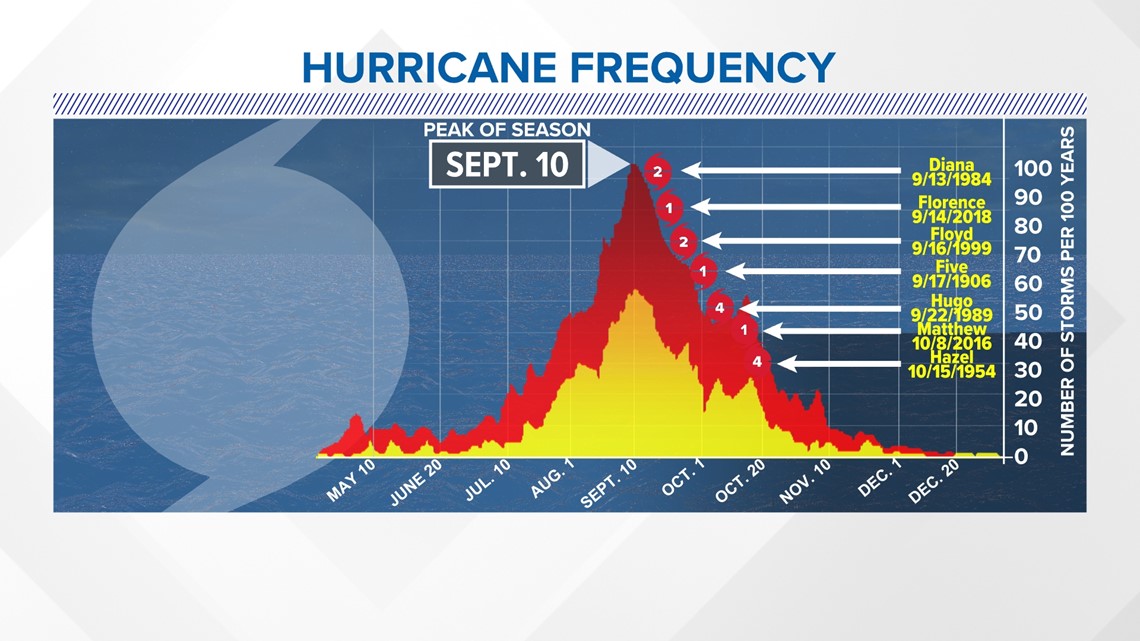
The official hurricane season for the Atlantic basin, which directly impacts Texas, runs annually from June 1st to November 30th. During this six-month window, conditions in the Gulf of Mexico and the wider Atlantic are conducive to tropical storm and hurricane formation. While storms can occur at any point within these dates, historical data indicates a significant increase in activity during the peak months of August, September, and October. These months typically see the warmest ocean waters, which act as fuel for developing systems. Travelers planning trips during this peak period should exercise the highest degree of vigilance. It’s not uncommon for coastal areas to experience heavy rainfall, strong winds, and storm surges even from systems that do not make direct landfall as a hurricane, underscoring the importance of continuous weather monitoring regardless of the storm’s official classification. Staying informed through reputable sources like the National Hurricane Center is crucial for anyone traveling to or residing in Texas during this time.
Geographic Vulnerability: Texas’s Gulf Coast
The primary region of Texas most vulnerable to hurricanes and tropical storms is its extensive Gulf Coast. This includes a stretch of coastline dotted with popular tourist destinations, major shipping ports, and significant population centers. Cities such as Galveston, Corpus Christi, and South Padre Island are particularly susceptible to direct impacts, including powerful storm surges, torrential rainfall leading to widespread flooding, and destructive winds. Even inland cities like Houston, while not directly on the coast, are highly vulnerable to the secondary effects of landfalling storms, primarily catastrophic flooding from persistent heavy rains, as much of its terrain is low-lying and close to numerous bayous and rivers.
The flat topography of the Texas Gulf Coast makes it particularly prone to storm surge, where rising seawater is pushed inland by strong winds, inundating coastal communities and barrier islands. This surge can severely impact coastal roads, infrastructure, and properties, including hotels and resorts. Understanding that even a weak tropical storm can bring significant hazards to these areas is vital for travelers. The risk extends beyond immediate landfall, as the lingering effects of heavy rainfall can cause river flooding and urban inundation for days or even weeks after a storm has passed, affecting travel plans and local activities.
Preparing for Travel During Hurricane Season
Traveling to Texas during hurricane season doesn’t mean you have to cancel your plans, but it absolutely necessitates a heightened level of preparation and flexibility. Proactive planning is the cornerstone of a safe and stress-free trip, especially when dealing with unpredictable weather patterns. This involves not only monitoring forecasts but also making strategic choices regarding your bookings and having contingency plans in place. Embracing a cautious approach will allow you to enjoy the state’s many attractions while minimizing the risks associated with potential severe weather. From understanding the fine print of your travel insurance to choosing accommodations wisely, every decision contributes to a smoother experience.
Essential Travel Planning and Safety Tips
When planning a trip to Texas during hurricane season, the first and most critical step is vigilant weather monitoring. Before and during your trip, regularly check forecasts from reliable sources like the National Hurricane Center and local weather services. Be prepared to adjust your itinerary at a moment’s notice. Travel insurance is an absolute must-have. Opt for comprehensive policies that specifically cover weather-related cancellations, delays, and medical emergencies. Carefully review the terms regarding hurricane coverage, as some policies have specific waiting periods or conditions.
Develop an emergency communication plan with your travel companions and family back home. Share your itinerary and check-in regularly. If you’re traveling to a coastal area, familiarize yourself with local evacuation routes and procedures. Many coastal cities, like Galveston and Corpus Christi, have well-defined plans that are activated based on storm severity. Keep an emergency kit handy, especially if driving, which should include essential documents, a first-aid kit, non-perishable food and water, flashlights, a portable charger for electronic devices, and any necessary medications. Furthermore, ensure your vehicle’s fuel tank is full, and have cash on hand, as power outages can disable credit card processing and ATMs. Flexibility is key; consider booking flights and accommodations with generous cancellation or rebooking policies. This foresight will save you significant stress and potential financial loss if your plans need to change due to an approaching storm.
Accommodation Considerations and Booking Flexibility
Selecting your accommodation during Texas hurricane season demands careful thought, extending beyond typical preferences for amenities or location. When booking hotels, resorts, or apartments, prioritize those with flexible cancellation policies. Many reputable chains and independent properties understand the unique challenges of this period and offer more lenient terms for weather-related disruptions. Always confirm these policies directly with the accommodation provider at the time of booking.
Beyond cancellation flexibility, consider the structural integrity and emergency preparedness of the property. Larger, well-established hotels, such as the Omni Houston Hotel in Houston or the Hotel Galvez & Spa in Galveston, often have robust emergency plans, backup generators, and higher elevation for coastal properties. Inquire about their specific hurricane protocols: Do they have contingency plans for power outages? What support do they offer guests during a shelter-in-place order or evacuation? For coastal properties, understand their vulnerability to storm surge and ensure they have adequate protection or are located on higher ground. Booking accommodations further inland, even if your primary destination is the coast, can serve as a safer base, allowing you to venture out on clear days and retreat if weather conditions deteriorate. Researching reviews for how properties have handled past weather events can also provide valuable insight into their reliability and guest support during a crisis.
Navigating Texas Coastal Destinations and Inland Alternatives
While the allure of the Texas Gulf Coast is undeniable, hurricane season calls for a strategic approach to travel. Understanding the risks associated with popular coastal destinations allows for informed decisions, while simultaneously highlighting the incredible array of safe and equally captivating inland alternatives. Texas is vast and offers experiences far beyond its beaches, making it possible to have an unforgettable trip even if coastal plans are disrupted. This balanced perspective ensures that travelers can make the most of their visit, regardless of the weather’s whims.
Popular Coastal Cities: Risks and Appeals
The Texas Gulf Coast boasts iconic destinations that continue to draw visitors, even during hurricane season. Cities like Galveston, with its historic Strand District and Kemah Boardwalk nearby, or Corpus Christi, known for its bayfront and proximity to Padre Island National Seashore, offer unique charm. South Padre Island is another favorite, famous for its beautiful beaches and vibrant atmosphere. The appeal of these destinations often includes fresh seafood, beach activities, and vibrant local culture.
However, the risks during hurricane season are significant. Coastal areas are subject to rapid deterioration of weather conditions, including severe winds, heavy rainfall, and dangerous storm surges. Such conditions can lead to flash flooding, road closures, power outages, and even mandatory evacuations. Traveling during these months means accepting the possibility that your plans might be interrupted or require a complete change of location. If you choose to visit these areas, ensure your accommodation, such as The Tremont House in Galveston, has robust emergency plans. Stay informed about local advisories and be prepared to leave quickly if a storm approaches. Despite the risks, visiting during off-peak times (early June or late November) can offer fewer crowds and potentially better deals, provided you remain hyper-aware of weather conditions and have a flexible itinerary.
Exploring Inland Alternatives and Attractions
Should coastal travel seem too risky or if plans are disrupted, Texas offers a wealth of incredible inland destinations that are generally unaffected by hurricanes. These areas provide a different, yet equally rich, travel experience.
- Austin: The state capital is a hub for live music, vibrant culture, and delicious food. Explore its numerous parks, enjoy the Barton Springs Pool (though linking this may be too granular if not a major landmark), or delve into its thriving arts scene. Austin offers a dynamic urban experience without coastal weather concerns.
- San Antonio: Rich in history and culture, San Antonio is home to the iconic The Alamo and the picturesque Riverwalk, lined with shops, restaurants, and hotels like the JW Marriott San Antonio Hill Country Resort & Spa. Its historical missions and lively atmosphere provide ample exploration opportunities.
- Dallas & Fort Worth: These twin cities offer a blend of modern urban sophistication and cowboy culture. From the world-class museums in Dallas (such as those near the Hyatt Regency Dallas) to the historic Stockyards in Fort Worth, there’s no shortage of attractions, dining, and entertainment.
- Hill Country: This scenic region, west of Austin and San Antonio, is known for its rolling hills, vineyards, charming small towns, and natural swimming holes. It’s an ideal escape for nature lovers and those seeking a tranquil retreat.
- National Parks and Preserves: For the adventurous, Texas boasts incredible national treasures like Big Bend National Park in West Texas, offering dramatic desert landscapes and unparalleled stargazing. Other options include Guadalupe Mountains National Park and Big Thicket National Preserve, providing diverse natural experiences far from coastal concerns.
These inland destinations offer a fantastic way to experience the unique culture, history, and natural beauty of Texas with significantly reduced weather-related risks during hurricane season.
Lifestyle and Travel Choices During Hurricane Season
The decision to travel to Texas during hurricane season can be influenced by various factors, including budget, travel style, and the purpose of your visit. Whether you’re seeking a luxurious escape, a family-friendly adventure, or a crucial business trip, understanding how hurricane season might impact these different travel lifestyles is essential. Flexibility and smart planning become even more paramount when tailoring your trip to specific needs and preferences during this time. By considering the unique demands of each travel type, visitors can mitigate risks and ensure their journey remains enjoyable and productive.
Tailoring Your Trip: Family, Business, and Leisure Travel
Hurricane season presents unique considerations for different types of travelers visiting Texas.
For family trips, safety is the paramount concern. If traveling with children, the unpredictability of hurricane season can be particularly challenging. Opting for inland destinations like San Antonio or Austin might offer a more stable environment, reducing the risk of sudden evacuations or disruptions that can stress young travelers. When booking accommodations, consider properties with excellent indoor amenities (kids’ clubs, indoor pools) in case of rainy days, and ensure they have reliable emergency protocols. Having a detailed “what-if” plan, including emergency contacts and a small bag with essentials for each child, is highly recommended.
Business travelers often have less flexibility in their travel dates, making hurricane season a unavoidable reality. For those with meetings in Houston or Dallas, the primary concern might be travel delays, airport closures, or local flooding affecting ground transportation. Choosing hotels that cater to business needs, such as those with robust internet, conference facilities, and backup power, becomes crucial. Properties like the Hyatt Regency Dallas or Omni Houston Hotel are often well-equipped. Building extra buffer time into travel schedules and having remote work capabilities are also wise precautions.
For leisure travelers seeking relaxation or adventure, hurricane season offers a trade-off. While there’s a risk of disruption, the shoulder months (early June or late November) can sometimes mean fewer crowds and potentially lower prices on flights and accommodations. However, this demands a high level of adaptability. If planning a coastal leisure trip, researching resorts with comprehensive amenities that can sustain guests during a shelter-in-place scenario, such as Hotel Galvez & Spa, is smart. For a luxury experience, consider a high-end resort in the Texas Hill Country, like JW Marriott San Antonio Hill Country Resort & Spa, which offers indulgence without the coastal weather risks.
Financial Planning: Budget, Insurance, and Potential Savings
Financial planning during hurricane season involves a delicate balance of seeking value and protecting your investment.
Budget travelers might find tempting deals during the off-peak hurricane season, as some airlines and hotels offer discounts to attract visitors. However, it’s crucial to factor in the cost of robust travel insurance, which becomes a non-negotiable expense. A budget trip can quickly become costly if you face unexpected cancellations, rebooking fees, or emergency accommodation needs without proper coverage. Research accommodations that offer flexible booking policies and consider booking refundable rates, even if slightly more expensive upfront, for greater peace of mind.
Luxury travelers often prioritize comfort and minimal disruption. For them, investing in premium, comprehensive travel insurance is standard practice. They might also choose high-end resorts or hotels known for their superior emergency preparedness and guest services, which can manage unforeseen events with greater efficiency. While luxury travel typically entails higher costs, the assurance of seamless service and support during a weather event adds significant value. Properties that can provide an uninterrupted experience, even if isolated for a short period, are worth the investment.
Regardless of your budget, travel insurance remains the most critical financial safeguard. Understand what your policy covers in terms of trip cancellation, interruption, medical emergencies, and evacuation. Some credit cards offer limited travel protection, but these often don’t provide the extensive coverage needed for hurricane season. It’s also wise to have an emergency fund accessible, as unexpected expenses can arise, and cash may be needed if electronic payment systems are down. By meticulously planning your finances and prioritizing protection, you can mitigate many of the financial risks associated with traveling to Texas during hurricane season, potentially even discovering some excellent value opportunities along the way.
Conclusion
Navigating hurricane season in Texas requires a proactive and informed approach, but it certainly doesn’t mean you have to forgo exploring this magnificent state. From the official dates of June 1st to November 30th, with a peak between August and October, understanding the risks and preparing accordingly is key. While the Gulf Coast region faces the highest vulnerability, Texas offers a vast array of secure and captivating inland destinations like Austin, San Antonio, and Dallas that are perfect for a worry-free visit.
Prioritizing comprehensive travel insurance, booking flexible accommodations, and staying vigilant with weather updates are fundamental steps for any traveler. Whether you’re planning a family vacation, a crucial business trip, or a solo adventure, tailoring your itinerary with safety and adaptability in mind will ensure a smoother experience. By being prepared and making informed choices, you can unlock the diverse attractions of Texas and create lasting memories, even during its most challenging weather period.
LifeOutOfTheBox is a participant in the Amazon Services LLC Associates Program, an affiliate advertising program designed to provide a means for sites to earn advertising fees by advertising and linking to Amazon.com. Amazon, the Amazon logo, AmazonSupply, and the AmazonSupply logo are trademarks of Amazon.com, Inc. or its affiliates. As an Amazon Associate we earn affiliate commissions from qualifying purchases.