
The vast expanse of the Pacific Ocean separates many lands, creating unique cultures and diverse ecosystems across its shimmering surface. Among the most iconic and frequently dreamt-of island destinations are the volcanic paradises of Hawaii and the ancient, yet futuristic, archipelago of Japan. For travelers pondering a journey between these two mesmerizing locations, a fundamental question often arises: just how far apart are they? The answer, while seemingly straightforward in terms of distance, opens up a world of considerations related to travel, time, and the rich experiences awaiting on either side.
The Geographic Reality: Distance and Location
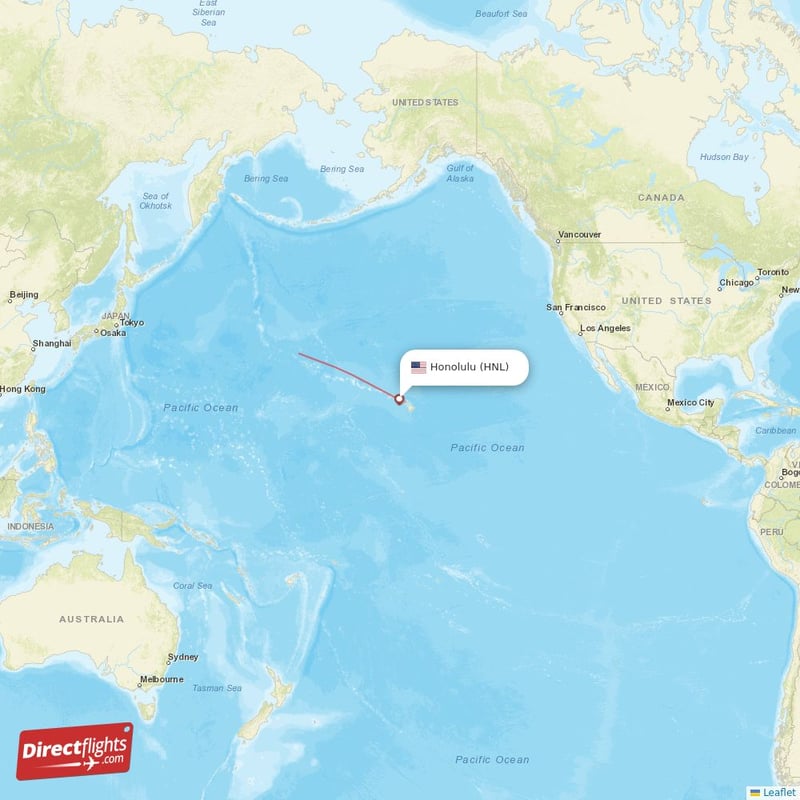
At its core, the distance between Japan and Hawaii is a matter of pure geography. These two island nations are situated in the North Pacific Ocean, separated by thousands of miles of open water.
Unpacking the Numbers: Miles and Kilometers
The approximate straight-line distance, often referred to as “as the crow flies,” between major hubs like Honolulu, Hawaii, and Tokyo, Japan, is around 3,850 to 4,000 miles (or 6,200 to 6,400 kilometers). This makes the journey a substantial trans-Pacific crossing, typically requiring a direct flight of 7 to 9 hours, depending on prevailing winds and specific flight paths.
To put this into perspective, this distance is roughly equivalent to traveling from New York City to London, or across the entire continental United States from coast to coast and then some. It underscores that while both are island nations in the Pacific, they are not close neighbors but rather distinct entities on opposite sides of a colossal ocean.
Navigating Time Zones: A Leap Across the Dateline
Adding another layer of complexity to the travel equation is the significant time zone difference. Hawaii observes Hawaiian Standard Time (HST), which is UTC-10. Japan observes Japan Standard Time (JST), which is UTC+9. This means there is a remarkable 19-hour time difference between the two.
When traveling from Hawaii to Japan, you effectively “lose” a day as you cross the International Date Line. For instance, if you depart Honolulu on a Monday morning, you’ll likely arrive in Tokyo on Tuesday afternoon. Conversely, traveling from Japan to Hawaii means “gaining” a day, potentially arriving before you even left according to the local calendar — a fascinating aspect of international travel that often leads to mild disorientation, or “jet lag,” which savvy travelers learn to mitigate.
Navigating the Pacific: Travel Routes and Times
Given the considerable distance, air travel is the primary and most practical mode of transportation between Japan and Hawaii. While cruise ships do traverse this route, they offer a vastly different experience and timescale.
Air Travel: Key Routes and Airlines
Several major airlines offer direct flights, connecting the main international airports. In Japan, these include Narita International Airport (NRT) and Haneda Airport (HND) in Tokyo, as well as Kansai International Airport (KIX) near Osaka. In Hawaii, the main gateway is Daniel K. Inouye International Airport (HNL) in Honolulu, Oahu.
Airlines commonly operating on this route include:
- Japan Airlines (JAL)
- All Nippon Airways (ANA)
- Hawaiian Airlines
- United Airlines
- Delta Air Lines
Flight durations are typically:
- From Tokyo to Honolulu: Approximately 6.5 to 7.5 hours.
- From Honolulu to Tokyo: Approximately 8.5 to 9.5 hours (due to prevailing westerly winds, the return journey against the wind is longer).
Travelers should factor in airport check-in times, security, and potential delays when calculating total travel time. It’s advisable to book flights well in advance, especially during peak seasons like Japan’s cherry blossom season or Hawaii’s winter holidays, to secure better fares and preferred flight times. Using flight comparison websites and being flexible with travel dates can often lead to significant savings.
Cruise Adventures: A Slower, Scenic Pace
While not a primary mode for quick transit, cruises offer a unique way to bridge the distance. Trans-Pacific cruises, often repositioning voyages, can take anywhere from 10 to 20 days or more, making stops at various islands along the way, such as Guam, Wake Island, or Midway Atoll. These voyages cater to a different kind of traveler – one who prioritizes the journey itself, enjoying the amenities of a luxurious ship, ocean views, and the gradual transition between cultures. Brands like Princess Cruises or Cunard Line occasionally offer such itineraries, providing a more leisurely and indulgent crossing experience.
Exploring the Destinations: A Tale of Two Cultures
Beyond the logistics of distance and travel, the allure of both Japan and Hawaii lies in their profoundly distinct yet equally captivating cultures, landscapes, and experiences. For travelers, understanding these differences is key to planning an enriching itinerary.
Discovering Japan’s Rich Tapestry
Japan is a land of fascinating contrasts, where ancient traditions blend seamlessly with cutting-edge modernity. Its cities are bustling hubs of innovation, while its countryside offers serene temples, majestic mountains, and tranquil gardens.
-
Landmarks and Attractions:
- Tokyo: The vibrant capital offers iconic sights like the neon-lit Shibuya Crossing, the historic Imperial Palace, and the towering Tokyo Skytree. Districts like Shinjuku, Ginza, and Akihabara each offer unique vibes, from luxury shopping to pop culture immersion.
- Kyoto: The former imperial capital is a treasure trove of cultural heritage, home to thousands of temples and shrines. Must-sees include Fushimi Inari-taisha with its iconic red torii gates, the serene Arashiyama Bamboo Grove, the opulent Kinkaku-ji (Golden Pavilion), and the geisha district of Gion.
- Natural Wonders: The majestic Mount Fuji is an enduring symbol of Japan, while regions like Hokkaido offer stunning national parks and winter sports.
- History: Hiroshima provides a somber but important historical perspective with its Peace Memorial Park.
-
Culture and Culinary Journeys: Japanese culture is deeply rooted in respect, harmony, and aesthetics. Travelers can experience traditional Japanese tea ceremony, witness sumo wrestling, or don a traditional kimono. The cuisine is world-renowned, from exquisite sushi and sashimi to comforting ramen, delicate tempura, and the multi-course artistry of kaiseki.
Embracing Hawaii’s Aloha Spirit
Hawaii, a state of the United States, is a volcanic archipelago renowned for its stunning natural beauty, warm climate, and unique Polynesian-American fusion culture, deeply ingrained with the “aloha spirit.”
-
Landmarks and Attractions:
- Oahu: Home to Honolulu and the iconic Waikiki Beach, Oahu offers a blend of city life and natural beauty. Hike up Diamond Head for panoramic views, visit the historical Pearl Harbor (USS Arizona Memorial), experience a traditional luau at the Polynesian Cultural Center, or surf the legendary waves of the North Shore.
- Maui: Known as the “Valley Isle,” Maui boasts the scenic Road to Hana, the majestic sunrise at Haleakala National Park, and world-class snorkeling and diving spots.
- Big Island: Hawaii’s largest island is home to Kilauea, one of the world’s most active volcanoes, and Mauna Kea, the tallest sea mountain. It offers incredibly diverse landscapes, from black sand beaches to lush rainforests.
- Kauai: The “Garden Isle” is famous for its dramatic cliffs of the Na Pali Coast, the vast Waimea Canyon, and abundant natural beauty perfect for hiking and outdoor adventures.
-
Culture and Cuisine: Hawaiian culture is deeply connected to nature and family, expressed through music, dance like the hula, and storytelling. Food in Hawaii is a delicious mix of Polynesian, Asian, and American influences. Popular local dishes include fresh poke, Spam Musubi, kalua pig, and refreshing shave ice. Farm-to-table movements are strong, leveraging the islands’ fertile volcanic soil.
Planning Your Journey: Accommodation, Experiences, and Lifestyle
Whether embarking on a single trip or combining both destinations, thoughtful planning is essential to maximize your travel experience. Considerations extend beyond just booking flights, encompassing accommodation choices, local activities, and aligning with your preferred travel lifestyle.
Accommodation Choices: From Luxury to Budget Travel
Both Japan and Hawaii offer a wide spectrum of accommodation options to suit every taste and budget.
-
In Japan:
- Luxury Hotels & Resorts: World-class brands like the Park Hyatt Tokyo or The Ritz-Carlton, Kyoto offer impeccable service and amenities.
- Traditional Stays: Experiencing a ryokan (traditional Japanese inn) with tatami mats, futon beds, and onsen (hot springs) is a must for a deep cultural immersion. Minshuku offer a more budget-friendly guesthouse experience.
- Modern Options: Business hotels, capsule hotels, and trendy boutique hotels are abundant in cities.
- Apartments & Villas: For longer stays or family trips, vacation rentals are a growing trend.
-
In Hawaii:
- Resorts & Luxury Travel: Hawaii is famed for its stunning resorts like the Four Seasons Resort Maui at Wailea or the Grand Hyatt Kauai Resort & Spa, offering beachfront access, exquisite dining, and spa amenities.
- Mid-Range Hotels: Numerous hotels and suites cater to those seeking comfort without the ultra-luxury price tag, especially in areas like Waikiki.
- Vacation Rentals: Condos and villas are very popular, especially on islands like Maui and the Big Island, offering flexibility and a home-away-from-home feel.
- Budget Travel: Hostels and more modest accommodations can be found, particularly in Honolulu and less tourist-dense areas.
When booking accommodation, consider factors like proximity to attractions, transport links (e.g., Shinkansen stations in Japan), and whether amenities like pools or kitchens are important for your trip style. Reviews and comparison sites are invaluable tools.
Lifestyle and Travel Experiences: Tailoring Your Adventure
The choice between a luxury travel experience, a budget travel adventure, a family trip, or a business stay will significantly shape your itinerary in both destinations.
- For Luxury Travelers: Indulge in private ryokan stays with personal chefs in Japan, or helicopter tours over Hawaii’s volcanoes followed by exclusive resort experiences. High-end shopping in Ginza or designer boutiques in Maui offers retail therapy.
- For Budget Travelers: Utilize Japan’s efficient public transport (like the Bullet Train for inter-city travel), stay in capsule hotels or minshuku, and enjoy delicious street food or conveyor belt sushi. In Hawaii, opt for hostels, self-catering apartments, and explore free natural attractions like beaches and hiking trails.
- For Family Trips: Japan offers family-friendly attractions like Universal Studios Japan in Osaka, interactive museums, and themed cafes. Hawaii boasts safe swimming beaches, snorkeling, surfing lessons, and the Polynesian Cultural Center for engaging cultural learning.
- For Cultural Experiences: Both destinations are rich in heritage. In Japan, explore ancient temples, participate in a traditional festival, or learn calligraphy. In Hawaii, immerse yourself in the aloha spirit through hula lessons, visiting historical sites, and engaging with local communities.
Regardless of your travel style, both Japan and Hawaii promise unforgettable memories. The distance between them, while substantial, is merely a bridge to two entirely different yet equally compelling worlds. Whether you choose to explore one or combine them for an epic trans-Pacific adventure, the journey itself is part of the grand experience.
LifeOutOfTheBox is a participant in the Amazon Services LLC Associates Program, an affiliate advertising program designed to provide a means for sites to earn advertising fees by advertising and linking to Amazon.com. Amazon, the Amazon logo, AmazonSupply, and the AmazonSupply logo are trademarks of Amazon.com, Inc. or its affiliates. As an Amazon Associate we earn affiliate commissions from qualifying purchases.