
For anyone planning a trip, considering a move, or simply curious about the Golden State’s rhythm, understanding “What is the time in California, USA?” is more than just a trivial question—it’s a fundamental aspect of seamless travel planning and immersive experience. California, a land of diverse landscapes and vibrant cities stretching along the Pacific Coast, operates within a specific time zone that significantly impacts everything from flight schedules and hotel check-ins to booking popular attractions and managing personal lifestyle adjustments. Whether you’re coming from across the country or around the globe, knowing the local time empowers you to synchronize with California’s pace, ensuring your accommodation arrangements are spot-on, your tourism adventures are perfectly timed, and your overall visit is as relaxing and fulfilling as possible.
This comprehensive guide will delve into the specifics of California’s time zone, exploring how it changes throughout the year, the practical implications for travelers, and essential tips for navigating time differences with ease. From understanding Daylight Saving Time to planning your visits to iconic landmarks and enjoying the local food scene, we’ll cover all the time-related facets that contribute to a truly unforgettable California adventure.
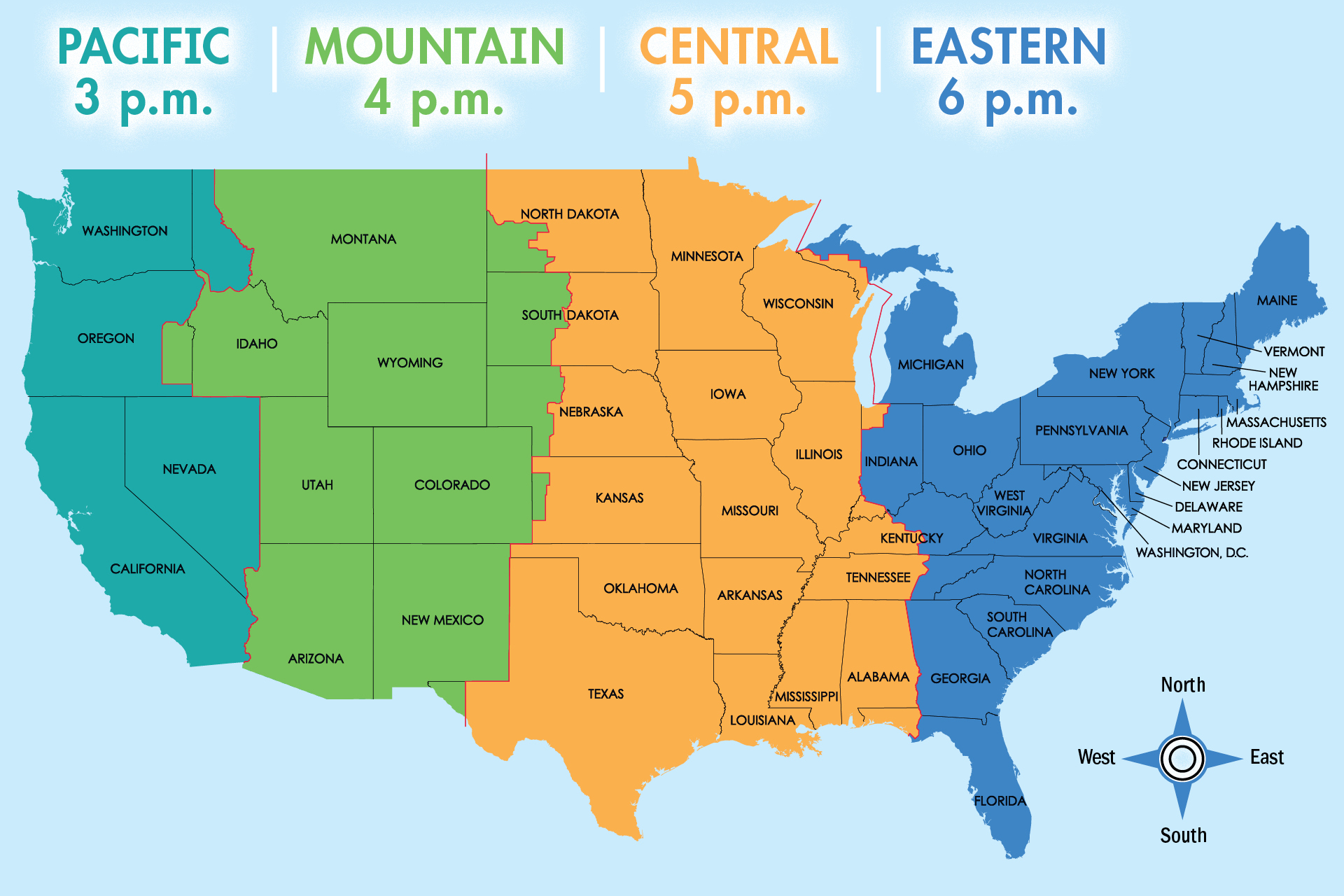
Understanding California’s Time Zone
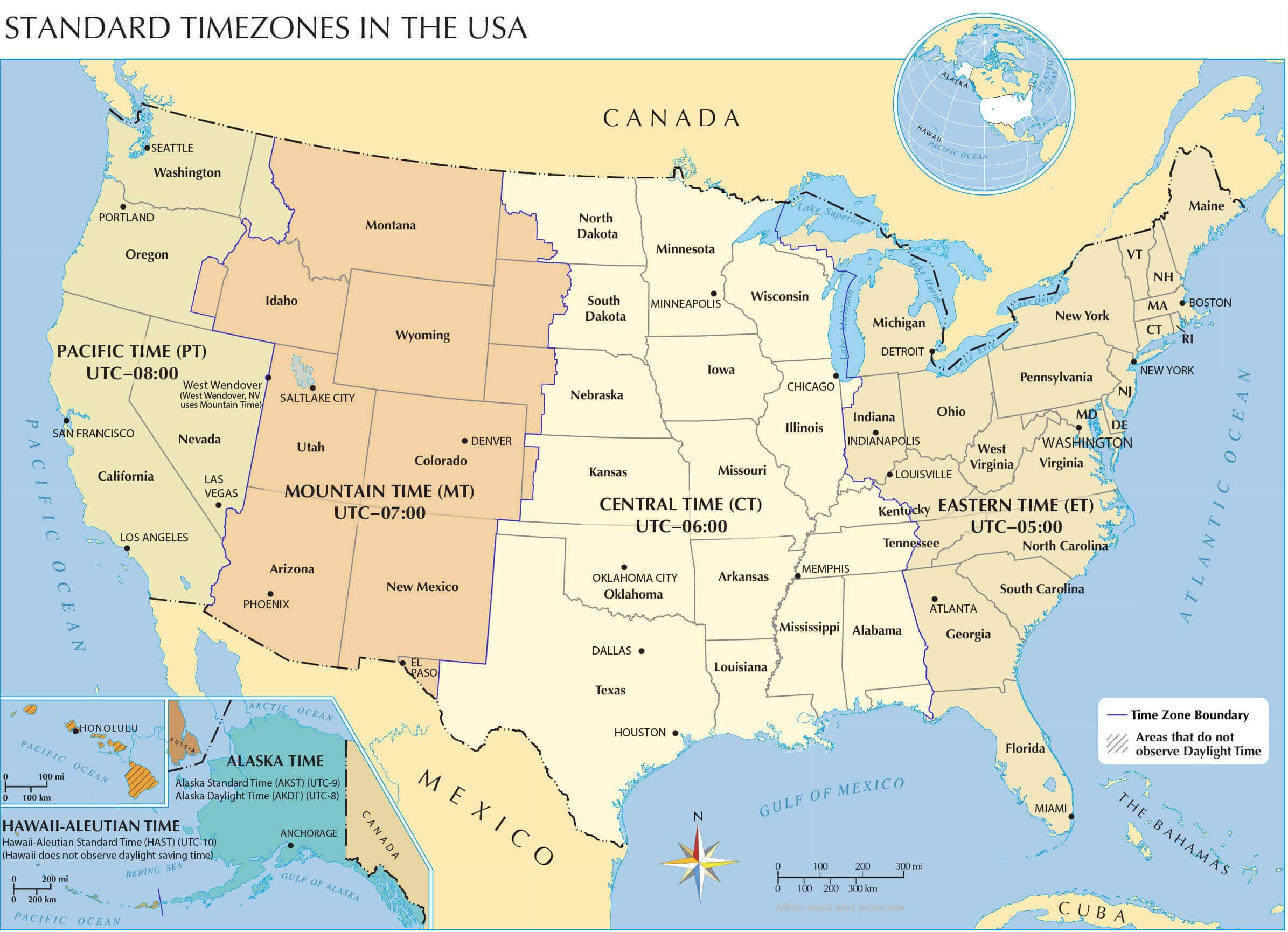
At its core, understanding the time in California revolves around its position within the Pacific Time Zone. This zone, shared by other western USA states like Oregon, Washington, and Nevada, dictates the daily rhythm of millions.
Pacific Standard Time (PST) and Pacific Daylight Time (PDT)
Throughout the year, California primarily observes two different time designations within the Pacific Time Zone:
- Pacific Standard Time (PST): This is the standard offset, which is eight hours behind Coordinated Universal Time (UTC)—often written as UTC-8. PST is observed during the fall and winter months.
- Pacific Daylight Time (PDT): During spring and summer, California switches to PDT, which is seven hours behind Coordinated Universal Time (UTC)—or UTC-7. This shift is a result of Daylight Saving Time.
It’s crucial to distinguish between PST and PDT because the one-hour difference can significantly impact arrival times, meeting schedules, and tour bookings. Always double-check which time is currently in effect, especially if your travel dates straddle the changeover periods.
The Impact of Daylight Saving
Daylight Saving Time (DST) is observed across most of the United States, including California. The clocks “spring forward” one hour on the second Sunday in March and “fall back” one hour on the first Sunday in November. This means:
- In March, when DST begins, 2:00 AM PST instantly becomes 3:00 AM PDT.
- In November, when DST ends, 2:00 AM PDT instantly becomes 1:00 AM PST.
For travelers, these shifts require careful attention. An overnight flight arriving on the day DST begins might find passengers losing an hour, while the end of DST effectively grants an extra hour. Failing to account for this can lead to missed connections, early arrivals for non-existent appointments, or even a rushed hotel check-out. Reputable travel websites and flight booking platforms usually adjust for DST, but it’s always wise to verify schedules independently, especially for crucial arrangements.
Why California’s Time Zone Matters for Travelers
The local time in California isn’t just a number on a clock; it’s a critical component of successful travel and tourism.
- Flight and Accommodation Logistics: All flight arrival and departure times, as well as hotel check-in and check-out times, are based on the local time of that specific location. Miscalculating can lead to unnecessary stress or even financial penalties.
- Scheduling Attractions and Activities: From theme park opening hours like Disneyland Park or Universal Studios Hollywood to the starting times for Alcatraz tours or wine tasting sessions in Napa Valley, all tourism activities operate on California’s local time.
- Communication: If you’re coordinating with friends, family, or colleagues in different time zones (e.g., the East Coast or Europe), a clear understanding of the time difference is essential for effective communication, especially for business stays or remote work.
- Local Rhythms: Restaurants, shops, public transportation in cities like Los Angeles, San Francisco, and San Diego, and cultural events all adhere to California’s clock. Being out of sync means potentially missing out on authentic local culture.
Navigating Time Differences for Your California Journey
The transition to a new time zone, especially for those crossing multiple ones, can be daunting. However, with a few strategic preparations, you can ensure your California journey is as smooth and enjoyable as possible.
Planning Your Itinerary and Bookings
Effective planning is your best defense against time-related glitches.
- Double-Check All Times: When making flight reservations, hotel bookings (whether for suites, resorts, apartments, or villas), and tour schedules, always confirm they are listed in local California time. Many online platforms will automatically convert times, but a manual check provides peace of mind.
- Build in Buffer Time: Especially for arrivals and departures, allow extra time for potential delays, customs, baggage claim, and travel to your accommodation. This buffer becomes even more critical when dealing with jet lag.
- Utilize Time Zone Converters: There are numerous free online tools and smartphone apps that can instantly convert times between different zones. These are invaluable for coordinating with people back home or scheduling calls.
- Consider Early Check-in/Late Check-out: If your flight schedule clashes significantly with standard hotel check-in (usually 3 PM) or check-out (11 AM-12 PM) times, inquire about early check-in or late check-out options, especially if you’ve booked a premium suite or a resort with extensive amenities. Some hotels may offer these for an additional fee, or complimentary based on availability.
Managing Jet Lag: Tips for a Smoother Transition
Jet lag can turn even the most exciting destinations into a blur of exhaustion. Tackling it head-on is a key aspect of making the most of your California lifestyle trip.
- Adjust Before You Go: A few days before your trip, gradually shift your sleep schedule closer to California time. If flying west, try going to bed later; if flying east (from, say, Asia), go to bed earlier.
- Stay Hydrated: Drink plenty of water before, during, and after your flight. Dehydration exacerbates jet lag symptoms. Avoid excessive caffeine and alcohol, as they can disrupt sleep.
- Embrace Sunlight: Upon arrival, expose yourself to natural light, especially in the morning. Sunlight helps reset your body’s internal clock. Head outdoors for a walk or enjoy breakfast on a patio.
- Stick to the Local Schedule: Try to eat meals and sleep according to California’s time, even if you don’t feel hungry or tired. Nap sparingly, if at all, to ensure better sleep at night.
- Light Exercise: Gentle exercise, like walking around your hotel or exploring nearby areas in Los Angeles or San Francisco, can help you feel more alert and improve sleep quality later.
Synchronizing with Local California Schedules
To truly immerse yourself in the local culture and fully enjoy your tourism experiences, it’s important to understand the typical rhythm of California life.
- Business Hours: Most shops and businesses in cities like San Diego, Sacramento, or San Jose operate from 9 AM or 10 AM to 5 PM or 6 PM, with many restaurants open later into the evening. Weekend hours can vary.
- Dining Times: Californians often have dinner relatively early compared to some parts of Europe or the East Coast, with peak dining typically between 6 PM and 8 PM. Making reservations, especially for popular establishments, is highly recommended.
- Public Transport: Familiarize yourself with the operating hours of local public transport systems in major metropolitan areas. For instance, Los Angeles’ Metro and San Francisco’s Muni have specific schedules that can greatly impact your daily sightseeing plans.
- Event Timings: From concerts in Hollywood to art exhibitions in San Francisco, local events will always be listed in PDT or PST. Arriving on time is key to enjoying the show without disruption.
The Practicalities of Time: From Arrivals to Attractions
Once you’ve settled into California’s rhythm, practical considerations of time management will guide your daily adventures, from ensuring a smooth hotel stay to maximizing your visits to world-renowned landmarks.
Hotel Check-ins and Flights: Time-Sensitive Essentials
The timing of your arrival and departure directly impacts your accommodation experience.
- Standard Check-in/Check-out: Most hotels, whether luxury resorts with extensive amenities or budget-friendly apartments, adhere to specific check-in (often 3 PM or 4 PM) and check-out (11 AM or 12 PM) times. Confirm these when booking to align with your travel plans.
- Early Arrivals/Late Departures: If your flight arrives early in the morning, consider booking an extra night or contacting the hotel (e.g., the Hyatt Regency San Francisco or The Beverly Hilton) directly to request an early check-in. Similarly, for late flights, a late check-out or utilizing luggage storage services can be invaluable. This planning is part of ensuring a comfortable long-term stay or even just a brief business stay.
- Flight Timings: Pay close attention to the time listed on your boarding pass and gate information. Airport procedures, especially at busy hubs like LAX or SFO, can be time-consuming, so allow ample time before your flight’s scheduled departure in California time.
Maximizing Your Visits to California’s Iconic Landmarks
California is home to countless famous places, from stunning nature to incredible architecture and history. Efficient time management is crucial for experiencing them all.
- Opening Hours are Key: Always check the official opening and closing times for landmarks such as Yosemite National Park, the Getty Center, or museums in Los Angeles or San Francisco. These can vary by season, day of the week, or even during public holidays.
- Beat the Crowds: For popular attractions like Disneyland Park, Universal Studios Hollywood, or even just crossing the Golden Gate Bridge, arriving right at opening time or later in the afternoon can often mean shorter lines and a more relaxed experience.
- Pre-Book Tickets: Many California destinations and attractions (e.g., Alcatraz Island, Griffith Observatory) offer online booking with timed entry slots. This not only saves time but also guarantees admission, especially during peak tourism seasons.
- Optimal Viewing Times: Some sights are best enjoyed at specific times. Catching the sunset from the Santa Monica Pier or the sunrise at Griffith Observatory requires precise timing to create those truly magical moments.
Experiencing California’s Culture and Cuisine on Schedule
California’s vibrant local culture and renowned food scene are integral parts of any visit.
- Dining Reservations: From Michelin-starred restaurants in San Francisco to trendy eateries in Los Angeles, making reservations well in advance is essential, especially for dinner. Many places have set seatings.
- Happy Hour and Specials: If you’re looking for budget travel options or just a lively atmosphere, be aware of “happy hour” timings, typically in the late afternoon.
- Tours and Classes: Whether it’s a surfing lesson in Malibu, a studio tour in Hollywood, or a guided hike in Big Sur, these activities have fixed start times. Arrive punctually to avoid missing out.
- Festivals and Events: California hosts numerous festivals and events throughout the year. Check local listings for their schedules and plan your travel accordingly to immerse yourself in unique experiences. For example, a wine tasting festival in Sonoma Valley will have specific hours of operation.
Beyond the Clock: Embracing the California Lifestyle
Understanding the time in California extends beyond mere scheduling; it’s about adapting to a lifestyle and optimizing your entire experience, whether you’re here for work, family, or pure leisure.
Business Travel and Remote Work Considerations
For those visiting California for business stays or engaging in remote work, time zone differences can significantly impact productivity and collaboration.
- Meeting Schedules: Coordinating with colleagues in different time zones, such as the East Coast (three hours ahead) or Europe (nine hours or more ahead), requires strategic scheduling. Early morning meetings for Californians might mean late afternoons for colleagues further east.
- Productivity Peaks: Adjust your work schedule to align with your most productive hours, especially if you’re battling jet lag. Many remote workers in California find that morning hours are ideal for cross-country collaboration before the East Coast workday ends.
- Flexibility: Embrace the flexibility that modern work allows. Utilizing tools for asynchronous communication and scheduling meetings during mutually convenient windows will enhance your business stay or remote work efficiency.
- Selecting Accommodation: When booking hotels, suites, or apartments for work, consider those that offer strong Wi-Fi and dedicated workspaces as key amenities.
Family Trips and Keeping Everyone on Schedule
Family trips to California require even more meticulous time management, especially when traveling with young children.
- Children’s Sleep Schedules: Jet lag can be particularly challenging for kids. Gradually adjusting their sleep schedule before departure and maintaining a consistent bedtime routine upon arrival can help minimize disruption.
- Pacing Activities: Don’t overschedule. Build in downtime for rest and play, particularly in the afternoons. Trying to cram too much into one day, especially at attractions like Disneyland Park, can lead to exhaustion and meltdowns.
- Meal Timings: Stick to regular meal times to maintain a sense of normalcy and keep energy levels up. Packing snacks is always a good idea for those unexpected delays.
- Booking Family-Friendly Accommodation: When choosing resorts or villas for your family trip, look for those with kid-friendly amenities, like pools or play areas, which can provide easy entertainment during downtime.
Making the Most of Every Moment in the Golden State
Ultimately, understanding the time in California is about more than just avoiding mistakes; it’s about enhancing your entire journey. It’s about seamlessly transitioning from the bustling cityscapes of Los Angeles and San Francisco to the serene nature of Yosemite National Park or the coastal charm of San Diego.
- Flexibility is Key: While planning is essential, be prepared for spontaneous changes. California’s diverse offerings mean you might stumble upon a local festival, an impromptu surfing lesson, or a breathtaking sunset that requires a slight deviation from your original schedule.
- Embrace the Flow: Once you’ve adjusted to the Pacific Time Zone, allow yourself to relax and embrace the distinct pace of California life. Whether it’s an early morning hike, a leisurely afternoon on the beach, or a late-night food adventure, knowing the time helps you savor each moment.
- Record Your Memories: Don’t forget to capture your experiences. From the history of Alcatraz Island to the stunning architecture of the Getty Center, your well-timed visits will create lasting memories.
In conclusion, the time in California, USA, is based on the Pacific Time Zone, shifting between PST (UTC-8) and PDT (UTC-7) due to Daylight Saving Time. For any visitor, understanding this fundamental aspect is not just about telling time; it’s about unlocking a world of perfectly coordinated travel, hassle-free accommodation, enriching tourism adventures, and a truly immersive lifestyle experience in the Golden State. With careful planning and a mindful approach to time differences, your California journey is set to be extraordinary.
LifeOutOfTheBox is a participant in the Amazon Services LLC Associates Program, an affiliate advertising program designed to provide a means for sites to earn advertising fees by advertising and linking to Amazon.com. Amazon, the Amazon logo, AmazonSupply, and the AmazonSupply logo are trademarks of Amazon.com, Inc. or its affiliates. As an Amazon Associate we earn affiliate commissions from qualifying purchases.