
Las Vegas, often hailed as the “Entertainment Capital of the World,” is a magnet for travelers seeking unforgettable experiences, from world-class shows and gourmet dining to thrilling casino action and vibrant nightlife. Located in the heart of the Mojave Desert in Nevada, United States, the city’s unique geographical placement profoundly shapes its climate. While many visitors are drawn to its dazzling lights and luxurious resorts, understanding the local weather patterns is paramount for planning the perfect trip, ensuring comfort, and maximizing every moment of your stay. Whether you’re considering a summer splash in a lavish pool, an autumn hike through stunning desert landscapes, or a cozy winter escape, the climate in Las Vegas offers distinct advantages and challenges for every season. This comprehensive guide delves into the nuances of Las Vegas weather, offering insights for travel, tourism, accommodation choices, and lifestyle adjustments to make your visit truly spectacular.
Understanding Las Vegas’s Desert Climate
The climate of Las Vegas is characterized by its arid, subtropical hot desert classification. This means year-round, you can generally expect abundant sunshine, very low humidity, and significant temperature variations between day and night. However, a common misconception is that the desert is perpetually scorching, a notion that doesn’t fully capture the seasonal diversity of Las Vegas.
The Arid Reality: What to Expect Year-Round
At its core, Las Vegas experiences a climate defined by extreme dryness. Rainfall is minimal, averaging just over four inches annually, concentrated mostly in the winter and during sporadic summer monsoon events. This aridity is a double-edged sword: it means consistently sunny skies perfect for outdoor activities for much of the year, but also necessitates constant hydration and awareness of sun exposure, especially during peak daylight hours.
Despite the desert setting, temperatures fluctuate dramatically throughout the year. Summers are undeniably hot, often reaching triple digits (Fahrenheit), while winters are surprisingly mild and pleasant. The low humidity, however, is a key factor that makes even the highest temperatures more bearable than in humid climates. This “dry heat” allows sweat to evaporate quickly, providing a cooling effect, though it also means dehydration can occur more rapidly if one is not careful. For those planning a trip, understanding this fundamental arid reality is the first step toward a well-prepared and enjoyable Las Vegas experience. From packing choices to activity scheduling, the desert climate dictates much of the lifestyle within the city and its surrounding attractions.

Dispelling Myths: Is It Always Hot?
The pervasive image of a perpetually sizzling Las Vegas is only partially true. While the summer months from June to August are indeed characterized by intense heat, often exceeding 100°F (38°C) and sometimes even climbing above 110°F (43°C), the rest of the year offers a much more temperate, even cool, experience.
Winter, from December to February, presents a stark contrast to the scorching summers. Daytime temperatures typically range from the mid-50s to low-60s Fahrenheit (10-18°C), with nights dropping into the 30s and 40s (0-9°C). While rarely freezing, a light jacket or coat is certainly necessary for evening outings. Spring (March-May) and autumn (September-November) are particularly delightful, offering ideal conditions with comfortable temperatures usually in the 70s and 80s Fahrenheit (21-32°C). These shoulder seasons are often considered the prime time to visit, as they balance pleasant weather with the full array of attractions Las Vegas has to offer, both indoors and out.
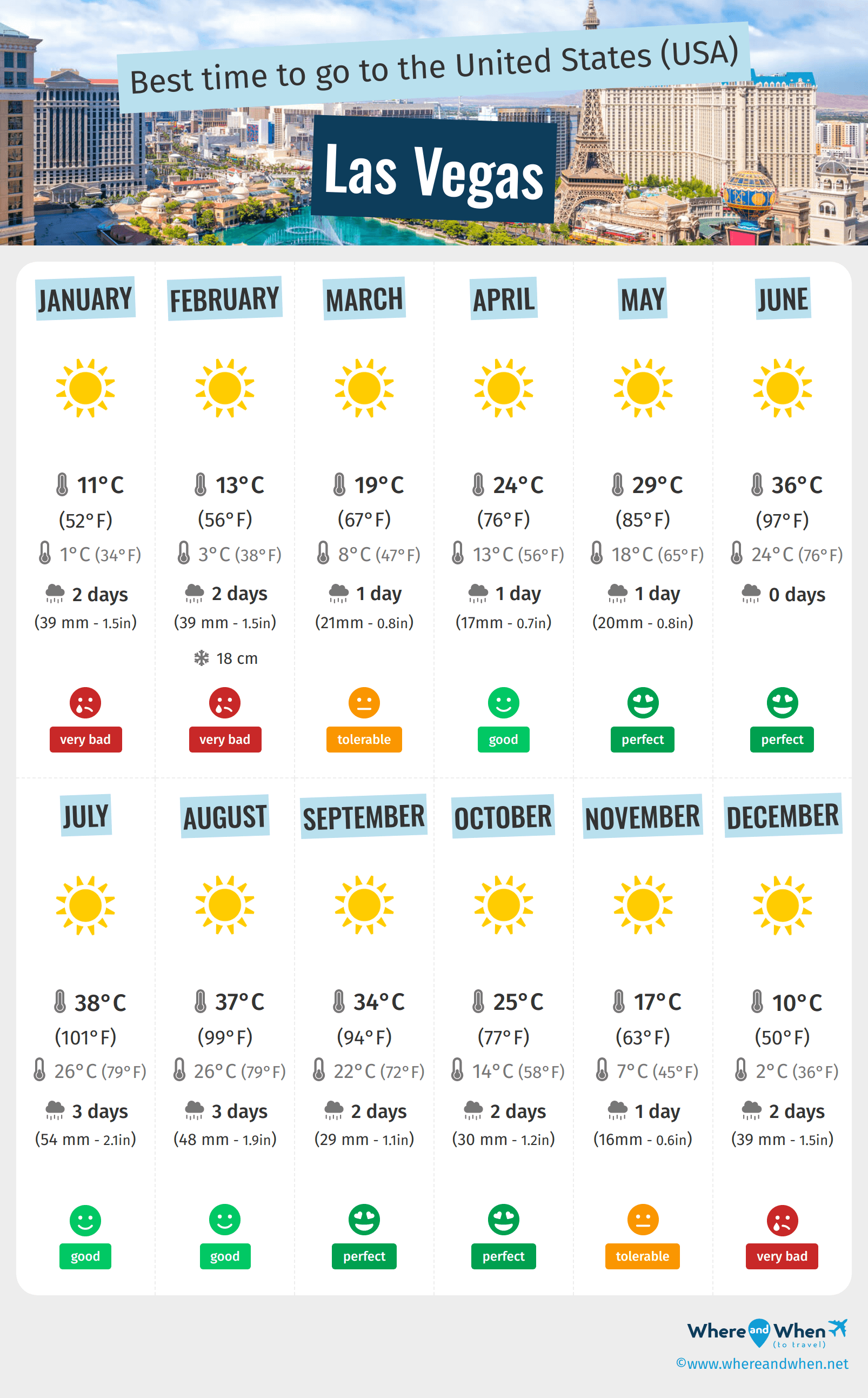
The low humidity plays a crucial role in dispelling the “always hot” myth. Even when temperatures are high, the absence of oppressive moisture in the air prevents the sticky, suffocating feeling associated with humid heat. This means shade provides significant relief, and air conditioning feels incredibly effective. Travelers should therefore not let the summer heat deter them entirely, as numerous indoor attractions and world-class hotels provide cool havens, and evenings can still be quite enjoyable. Conversely, those seeking cooler weather will find Las Vegas in winter to be a remarkably comfortable and inviting destination.
Seasonal Weather Breakdown: Planning Your Perfect Trip
Understanding the distinct characteristics of each season in Las Vegas is crucial for tailoring your itinerary and expectations. Whether you’re chasing the sun, seeking outdoor adventure, or reveling in holiday festivities, the timing of your visit profoundly impacts the type of experience you’ll have.
Summer (June – August): Intense Heat and Nocturnal Delights
Summer in Las Vegas is synonymous with extreme heat. Daytime temperatures consistently soar into the triple digits, making direct sun exposure challenging for extended periods. However, this season is far from dull; it simply shifts the focus of activities. Many visitors embrace the heat by spending their days at elaborate hotel pool complexes, indulging in vibrant pool parties, or relaxing in luxurious cabanas equipped with misters and ample shade. The city’s air-conditioned havens—its sprawling casinos, world-class entertainment venues showcasing spectacular shows, fine dining restaurants, and expansive shopping malls—become primary attractions during the hottest parts of the day.
As the sun sets, the desert air cools, making evenings more tolerable and often quite pleasant for strolling along The Strip or enjoying outdoor patio dining in the cooler night air. For tourism and lifestyle, summer offers a unique blend of high-energy indoor activities and lively nighttime entertainment. Packing essentials include light, breathable clothing, wide-brimmed hats, sunglasses, and high-SPF sunscreen. Hydration is non-negotiable; constantly drink water, even if you don’t feel thirsty, and consider electrolyte-rich beverages. For accommodation, prioritizing hotels with exceptional air conditioning, extensive pool amenities, and easy access to indoor attractions is key.
Autumn (September – November): Ideal Conditions and Festival Season
Autumn emerges as one of the most desirable times to visit Las Vegas. The intense summer heat gradually subsides, yielding to comfortably warm days and crisp, cool evenings. Temperatures typically range from the high 80s (Fahrenheit) in September, slowly cooling to the 60s by November. This pleasant weather creates ideal conditions for outdoor activities that are less feasible in summer.
Travelers can embark on scenic drives, go hiking, and explore stunning natural landmarks like Red Rock Canyon, Valley of Fire State Park, or Lake Mead without the risk of overheating. Golf courses are in prime condition, attracting enthusiasts from around the globe. This season also ushers in a lively festival and event schedule, with outdoor concerts, food festivals, and various cultural celebrations benefiting from the superb weather. For tourism, autumn allows for a more comprehensive exploration of both the urban wonders and the natural beauty surrounding Las Vegas. Packing layers is recommended, as day-to-night temperature swings can be significant, requiring a light jacket or sweater for evenings. Accommodation tends to be in high demand during this popular season, so booking well in advance is advisable.
Winter (December – February): Surprisingly Mild and Holiday Cheer
Las Vegas winters offer a surprisingly mild and often sunny escape from colder climates. While not tropical, daytime temperatures typically hover in the 50s and low 60s Fahrenheit (10-18°C), with nights dropping to the 30s and 40s (0-9°C). Snow is an extremely rare occurrence in the city itself, though the surrounding mountains might receive a dusting, creating a picturesque backdrop.
This season is perfect for travelers who prefer cooler weather, making it comfortable for exploring indoor attractions, enjoying holiday decorations, and participating in festive events. New Year’s Eve on The Strip is a legendary spectacle, attracting hundreds of thousands with fireworks and street parties. While not prime pool weather for most, some resorts offer heated pools, and the city’s myriad indoor entertainment options shine. For a more relaxed lifestyle, exploring museums, indulging in spa treatments, or enjoying intimate fine dining experiences are popular choices. Packing should include warmer layers—jackets, sweaters, scarves, and comfortable closed-toe shoes—especially for evening outings. Accommodation prices can vary, with spikes around major holidays and conventions, but generally offer good value outside of these peak times.
Spring (March – May): Pleasant Breezes and Outdoor Adventures
Spring in Las Vegas is a delightful bridge between the cool winter and hot summer, offering some of the most pleasant weather of the year. Temperatures gradually climb from the 70s (Fahrenheit) in March to the high 80s or low 90s by May, with comfortable breezes often accompanying the warmth. Nights remain pleasantly cool, making it ideal for both day and evening activities.
This season is perfect for outdoor enthusiasts, as hiking, biking, rock climbing, and golfing conditions are superb. Pool season kicks into high gear, with resorts opening all their water features and hosting lively daytime parties. Many find spring to be the best time to explore the vast natural beauty just outside the city, including national parks and scenic overlooks. For tourism and lifestyle, spring combines the best of both worlds: vibrant outdoor recreation opportunities with the full spectrum of Las Vegas’s indoor entertainment. Packing includes light clothing, swimwear, and a light jacket or cardigan for cooler evenings. As a highly popular travel period, booking accommodation and flights well in advance is strongly recommended to secure the best rates and availability.
Beyond Temperatures: Other Weather Considerations
While temperature is often the primary concern, other atmospheric conditions in Las Vegas can significantly impact your travel experience. Understanding these nuances allows for even more comprehensive planning.
Precipitation and Flash Floods: A Rare but Real Concern
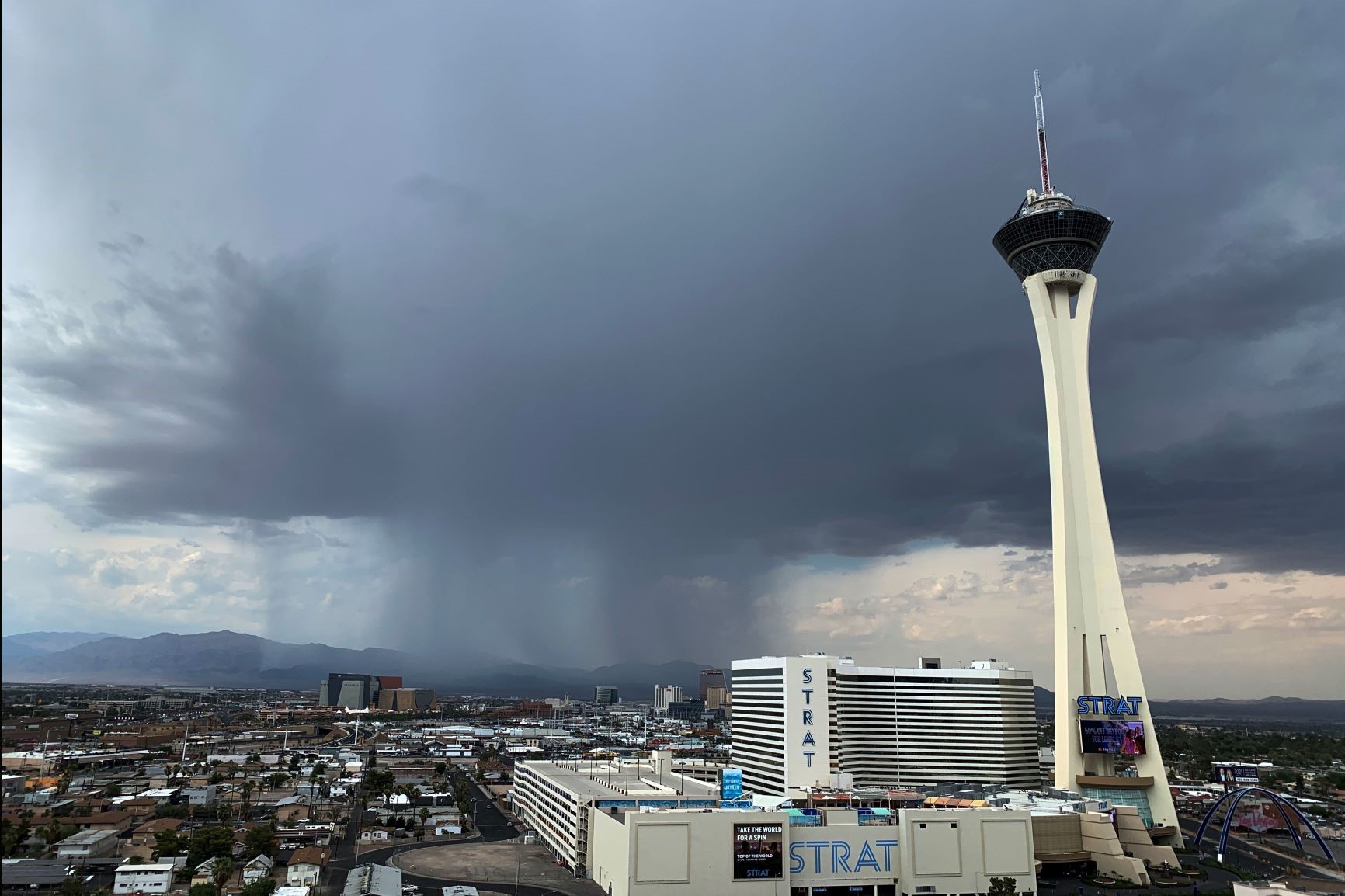
Despite its arid climate, Las Vegas does experience rain, primarily during two periods: scattered winter showers and summer monsoon events. While total annual rainfall is low, when it does rain, it can be intense and localized. The summer monsoon season, typically from July through September, brings a higher likelihood of heavy thunderstorms. These storms can unleash significant amounts of rain in a short period, leading to a phenomenon known as flash floods.
Flash floods are a serious concern in desert environments, as the dry, hard ground has difficulty absorbing water quickly, causing runoff to surge through washes, canyons, and even city streets. While official weather alerts are issued, travelers exploring areas like Red Rock Canyon or other natural parks should always be aware of weather forecasts and avoid low-lying areas or dry creek beds if rain is predicted. Within the city, infrastructure is designed to manage runoff, but localized street flooding can still occur, briefly impacting travel. Staying informed and exercising caution is crucial during these infrequent but potent weather events.
Wind and Dust: Preparing for Desert Gusts
As a desert city, Las Vegas is no stranger to wind. The spring months, particularly March and April, are often the windiest, with gusts that can range from breezy to strong. These winds can kick up dust and sand, sometimes reducing visibility and creating less comfortable outdoor conditions. While rarely severe, strong winds can affect outdoor activities like golf or walking The Strip.
On rare occasions, during intense dust storms known as haboobs, visibility can drop dramatically, and air quality can be temporarily poor. While these are not everyday occurrences, being prepared with sunglasses to protect your eyes from dust and scarves to cover your face if you plan extensive outdoor time during windy periods is a sensible precaution. For accommodation, choosing a hotel that offers extensive indoor activities and sheltered outdoor spaces can provide refuge on particularly blustery days.
Humidity and Air Quality: Comfort Levels in the Desert
One of the most defining characteristics of the Las Vegas climate is its consistently low humidity. This is a significant advantage, as it makes even high temperatures feel less oppressive than in humid regions. The “dry heat” allows for efficient natural cooling through perspiration, which is why shaded areas and air conditioning feel so effective. Most visitors find the low humidity a pleasant change, contributing to a more comfortable overall experience.
However, air quality can occasionally be a concern, primarily due to two factors: dust and pollution. During strong winds, suspended dust particles can affect air quality. Additionally, like any major metropolitan area, vehicle emissions and regional industrial activity can contribute to pollution, especially during temperature inversions. While generally good, individuals with respiratory sensitivities might want to check local air quality forecasts, particularly during very still periods or strong winds. For most visitors, the low humidity outweighs these occasional concerns, contributing to the generally pleasant comfort levels in Las Vegas.
Maximizing Your Las Vegas Experience: Weather-Wise Tips for Travelers
Equipped with an understanding of Las Vegas’s unique climate, you can strategically plan your trip to ensure maximum enjoyment, comfort, and convenience, regardless of the season. Integrating weather considerations into your travel, accommodation, tourism, and lifestyle choices will elevate your entire experience.
Hotel Amenities and Indoor Escapes
Given the sometimes extreme temperatures, particularly in summer, selecting the right accommodation is paramount. When booking hotels, look beyond just room aesthetics and consider the array of amenities designed to combat or complement the weather. For summer visits, prioritize resorts with expansive, well-maintained pool complexes, ideally with shaded areas, cabanas, and even misters. Many top-tier hotels feature multiple pools, some of which are adults-only or offer distinct party vibes.
Year-round, the importance of robust air conditioning within hotel rooms and common areas cannot be overstated. Beyond the rooms, the best Las Vegas hotels offer a labyrinth of indoor escapes: world-class casinos, diverse dining options ranging from casual eateries to Michelin-starred restaurants, stunning entertainment venues for shows and concerts, luxurious spas, and extensive shopping arcades. These indoor oases allow guests to seamlessly transition from scorching outdoor heat or chilly winter nights to climate-controlled comfort, ensuring there’s always something to do, regardless of the external conditions. For long-term stays or those seeking a more residential feel, apartments and villas also prioritize climate control and often include access to community pools or private amenities.
Outdoor Activities and Hydration Strategies
For those eager to explore the natural beauty surrounding Las Vegas, timing is everything. In summer, outdoor activities like hiking, biking, or exploring Red Rock Canyon should be reserved for the early morning hours (before 8 AM) or late evenings after sunset. Always carry significantly more water than you think you’ll need, especially when venturing into the desert, and inform someone of your plans. Utilize shaded trails and wear appropriate sun protection.
During the more temperate spring, autumn, and even winter months, outdoor adventures become much more accessible throughout the day. These seasons are ideal for golf, leisurely strolls, enjoying outdoor patios, or taking longer excursions to destinations like the Grand Canyon (which has its own distinct weather patterns, requiring separate consideration). Regardless of the season, consistent hydration is critical in the dry desert air. Don’t wait until you feel thirsty; sip water regularly throughout the day, and consider sports drinks to replenish electrolytes, especially if you’re active.
Packing Essentials for Every Season
Your packing list should directly reflect the season of your visit:
- Summer: Lightweight, breathable fabrics (cotton, linen), loose-fitting clothing, wide-brimmed hats, sunglasses, high-SPF sunscreen, comfortable sandals or open-toed shoes. Swimwear is a must. A light jacket for air-conditioned interiors might be useful.
- Autumn/Spring: Layers are key. T-shirts, long-sleeved shirts, light sweaters or cardigans, a medium-weight jacket for evenings. Comfortable walking shoes for exploration. Swimwear for pool time.
- Winter: Warmer clothing is necessary. Sweaters, long-sleeved shirts, a warm jacket or coat, scarves, gloves (optional, but good for colder nights), and closed-toe shoes. You might still want lighter options for indoor activities.
Regardless of the season, comfortable walking shoes are essential for navigating The Strip and hotel complexes. Don’t forget any medications, a reusable water bottle, and a portable phone charger.
Event Planning: When to Visit for Specific Experiences
The weather can also influence the best time to plan for specific Las Vegas experiences:
- Pool Parties & Outdoor Daylife: Summer is peak season, but spring and early autumn also offer fantastic pool weather.
- Outdoor Adventures (Hiking, Golf, Scenic Drives): Spring and autumn provide the most comfortable temperatures. Winter is also pleasant for daytime outdoor activities.
- Major Conventions & Festivals: These often occur in the shoulder seasons (spring/autumn) due to pleasant weather and typically higher demand.
- Holiday Celebrations (New Year’s Eve, Christmas): Winter brings a festive atmosphere and unique events, though weather will be cooler.
- Budget Travel: Summer, particularly mid-week, can sometimes offer lower hotel rates due to the heat, appealing to budget-conscious travelers who plan to stay indoors.
Ultimately, Las Vegas truly is a year-round destination, offering a diverse array of experiences to suit every preference. By understanding its unique desert climate and planning accordingly, visitors can ensure their trip is not just memorable, but also perfectly comfortable and enjoyable, making the most of all the city’s incredible offerings in travel, tourism, and lifestyle.
LifeOutOfTheBox is a participant in the Amazon Services LLC Associates Program, an affiliate advertising program designed to provide a means for sites to earn advertising fees by advertising and linking to Amazon.com. Amazon, the Amazon logo, AmazonSupply, and the AmazonSupply logo are trademarks of Amazon.com, Inc. or its affiliates. As an Amazon Associate we earn affiliate commissions from qualifying purchases.