
The allure of Southern California is undeniable, a tapestry woven with the glitz and glamour of Los Angeles and the tranquil, sun-drenched oasis of Palm Springs. For many travelers contemplating a diverse California escape, the question isn’t whether to visit both, but rather how to seamlessly transition between these two captivating destinations. Understanding the distance, travel time, and various transportation options between the bustling metropolis and the serene desert playground is key to planning an unforgettable journey.
Palm Springs, nestled in the Coachella Valley of the Sonoran Desert, beckons with its iconic mid-century modern architecture, world-class golf courses, luxurious spas, and vibrant arts scene. In stark contrast, Los Angeles offers an expansive urban landscape renowned for its entertainment industry, diverse culinary experiences, stunning beaches, and a plethora of cultural landmarks. Whether you’re a local seeking a weekend retreat or an international visitor aiming to experience the full spectrum of California’s charm, the journey between Los Angeles and Palm Springs is a common itinerary highlight. This guide delves into every aspect of this popular route, providing insights into distances, travel times, transportation methods, and tips to maximize your travel experience, ensuring your trip is as smooth as it is exciting.
Navigating the Distance: Routes, Mileage, and Anticipated Travel Times
The geographical relationship between Los Angeles and Palm Springs is straightforward, making it an accessible route for various travel plans, from quick day trips to extended stays. The distance and corresponding travel time are, of course, the primary considerations for any journey.
The Direct Drive: Mileage and Main Arteries
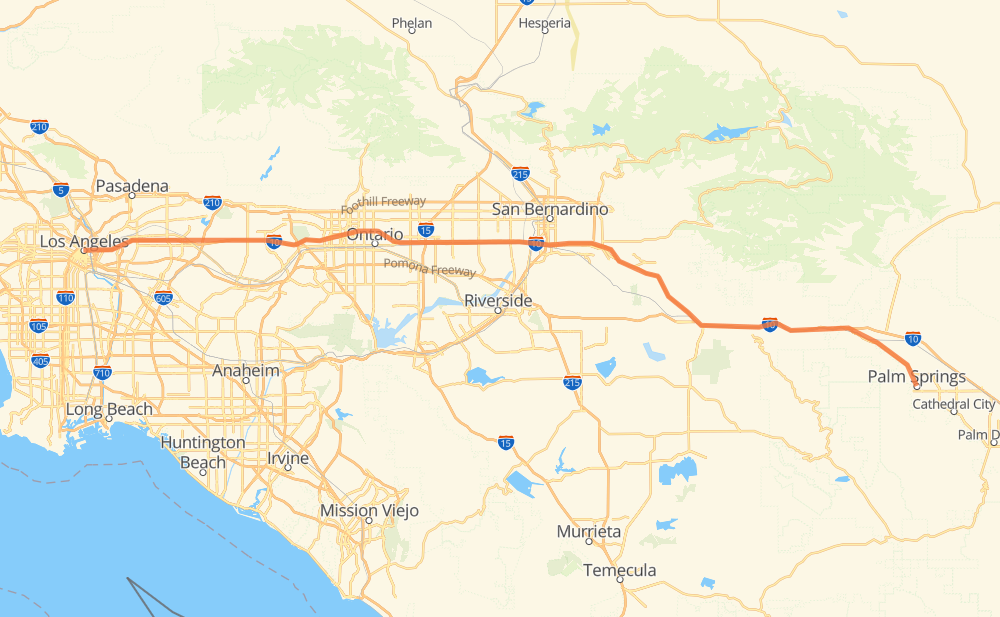
The approximate distance from downtown Los Angeles to downtown Palm Springs is generally 100 to 120 miles (160 to 193 kilometers), depending on your specific starting point in LA and your final destination in the Palm Springs area. For instance, departing from Hollywood might yield a slightly different mileage than leaving from Santa Monica or Pasadena.
The most common and direct route connecting these two cities is via Interstate 10 East (I-10 E). This major highway serves as the backbone of travel through the Inland Empire and into the desert region. From Los Angeles, travelers will typically merge onto I-10 E and follow it almost directly to the exit ramps for Palm Springs, such as Highway 111.
Alternative routes, while potentially longer in distance, might offer scenic detours or help avoid specific traffic hotspots, though they are less common for direct travel. For example, some might use portions of Highway 60 or Highway 91 to connect to I-10 from other parts of Los Angeles County or Orange County, but I-10 remains the predominant artery. The journey typically takes you through parts of San Bernardino County and Riverside County, offering a glimpse of Southern California’s diverse landscape transitioning from urban sprawl to arid beauty.

Estimated Driving Times and Factors Affecting Them
Under ideal driving conditions, with minimal traffic, the drive from Los Angeles to Palm Springs can take approximately 1.5 to 2 hours. However, “ideal conditions” in Southern California are often a rare luxury. Traffic is the single most significant variable affecting travel time.
- Time of Day: Peak commuting hours in Los Angeles (typically 6:00 AM – 9:00 AM and 3:00 PM – 7:00 PM on weekdays) can significantly extend travel times, potentially pushing the journey to 3 to 4 hours or even longer. Departing outside these windows, such as late morning, early afternoon, or late at night, is advisable.
- Day of the Week: Weekends, especially Friday afternoons/evenings and Sunday afternoons, also see increased traffic as locals head to and from popular getaway spots like Palm Springs or other desert destinations. Special events in the Coachella Valley, such as the Coachella Valley Music and Arts Festival or Stagecoach Festival, can cause unprecedented congestion, turning a two-hour drive into a five or six-hour ordeal.
- Construction: Roadwork on I-10 or connecting freeways can also lead to delays. Checking real-time traffic updates via navigation apps (e.g., Google Maps, Waze) before and during your trip is highly recommended.
- Weather Conditions: While less common, heavy rain in Los Angeles or strong winds and dust storms in the desert areas can impact visibility and slow down traffic.
Considering these factors, it’s prudent to budget at least 2.5 to 3 hours for the drive to account for potential delays, especially if your schedule is tight. For those on a leisure trip, embracing the possibility of a longer drive and planning for stops can transform potential frustration into an enjoyable part of the journey.
Modes of Transportation: Your Options for Getting There
While driving is undeniably the most popular way to travel between Los Angeles and Palm Springs, it’s by no means the only option. Depending on your budget, preference for convenience, and desired travel experience, several alternatives are available.
1. Driving: The Freedom of the Open Road
Pros:
- Flexibility: Hands down, driving offers the most flexibility. You can depart whenever you wish, stop wherever you please, and explore off-the-beaten-path attractions at your leisure. This is particularly appealing for those looking to combine their trip with a scenic road trip experience.
- Cost-Effectiveness (Groups): For groups or families, splitting the cost of gas and a rental car (if needed) often makes driving the most economical choice.
- Convenience: Having your own vehicle once you arrive in Palm Springs is incredibly beneficial for exploring the sprawling desert communities and accessing various attractions, many of which require driving.
Cons:
- Traffic: As mentioned, Southern California traffic can be a major deterrent, especially during peak hours or event weekends.
- Parking: While generally easier in Palm Springs than Los Angeles, parking can still be a consideration at popular attractions or hotels.
- Fuel Costs: Gas prices can fluctuate, impacting your overall travel budget.
Tips for Drivers:
- Plan Ahead: Use navigation apps to monitor real-time traffic conditions and choose the best departure time.
- Car Rental: If you’re flying into LAX or another Los Angeles area airport, numerous car rental agencies are available. Booking in advance can secure better rates.
- Vehicle Maintenance: Ensure your car is in good condition, especially if driving during summer months when desert temperatures can be extreme.
- Break Up the Drive: Consider stopping at popular points of interest along I-10, such as the Cabazon Dinosaurs, Desert Hills Premium Outlets, or the Morongo Casino Resort & Spa for a meal or quick break.

2. Bus Services: An Economical and Relaxed Journey
Pros:
- Affordability: Bus travel is typically the most budget-friendly option, especially for solo travelers.
- No Driving Stress: You can relax, read, work, or enjoy the scenery without the stress of navigating traffic.
- Environmentally Friendly: Bus travel generally has a lower carbon footprint per passenger compared to driving.
Cons:
- Less Flexible Schedule: Bus schedules are fixed, offering less spontaneity.
- Longer Travel Times: Due to multiple stops and potential delays, bus journeys can take longer than driving, often ranging from 3 to 4 hours.
- Luggage Restrictions: While generally generous, there may be limits on luggage size and weight.
Providers:
- Greyhound: Offers regular services between Los Angeles (from its downtown station or other terminals) and the Palm Springs bus station.
- FlixBus: A popular choice for intercity travel, often providing comfortable coaches with Wi-Fi and power outlets. They offer routes from various LA stops to Palm Springs.
3. Train Travel: Scenic and Comfortable
Pros:
- Comfort: Trains generally offer more spacious seating, the ability to walk around, and often dining cars, making for a more comfortable journey.
- Scenic Views: While not a continuous panorama, certain stretches can offer interesting views as the train passes through different landscapes.
- Relaxing: Like bus travel, you can avoid driving stress and simply enjoy the ride.
Cons:
- Limited Direct Service: Amtrak provides service to Palm Springs, but the station is technically in Palm Springs but a few miles north, requiring a taxi or ride-share to downtown or specific resorts.
- Longer Overall Travel Time: Factoring in transfers and the train’s speed, the total travel time from LA’s Union Station to the Palm Springs area can be comparable to or even longer than driving, especially once you account for getting to/from stations. Expect 2.5 to 3.5 hours for the train portion itself.
- Cost: Train tickets can be more expensive than bus fares, though often less than flying.
Provider:
- Amtrak: The Pacific Surfliner connects various Southern California cities. For Palm Springs, you’d typically take a train from Union Station in Los Angeles to the Palm Springs stop.
- Metrolink: While Metrolink doesn’t directly reach Palm Springs, it can take you to the Riverside-Downtown station, from where you could potentially transfer to an Amtrak bus connection or another local transport option. This is generally more complex and time-consuming.
4. Flying: The Fastest (But Not Always) Option
Pros:
- Speed: Direct flights are by far the fastest way to cover the distance, with flight times sometimes as short as 45 minutes to an hour.
- Convenience: Particularly useful for business travelers or those with very limited time.
Cons:
- Cost: Airfares are typically the most expensive option, especially if booked last minute.
- Total Travel Time: The “speed” of flying is often offset by the time spent traveling to/from airports, going through security, check-in, and waiting for boarding. When you factor in getting to LAX (or Hollywood Burbank Airport / Long Beach Airport / Ontario International Airport), airport wait times, and then ground transportation from Palm Springs International Airport (PSP), the total door-to-door time can easily equal or exceed a drive with light traffic.
- Limited Direct Flights: While LAX and PSP are well-connected, direct flights might not be as frequent as other popular routes, and smaller regional airports in LA might offer less choice.
Airports:
- Los Angeles International Airport (LAX): The primary international gateway for Los Angeles.
- Palm Springs International Airport (PSP): A convenient and charming regional airport located just a few miles from downtown Palm Springs.
5. Ride-Sharing and Private Car Services: Door-to-Door Luxury
Pros:
- Convenience: Offers door-to-door service, eliminating the need to navigate or find parking.
- Comfort: Typically a comfortable and private experience, especially with premium services.
- Flexible Pick-up: You can schedule a ride at your preferred time.
Cons:
- Cost: This is usually the most expensive ground transportation option, with prices potentially reaching several hundred dollars, particularly for private car services.
- Traffic Dependent: Still subject to the same traffic delays as driving yourself.
Providers: Uber, Lyft, and various local luxury car services operate along this route.
Beyond the Drive: Exploring What Each Destination Offers
Understanding the journey is just the beginning; knowing what awaits you in Los Angeles and Palm Springs helps frame the entire travel experience. These two destinations, while distinct, offer complementary aspects that cater to a wide range of traveler lifestyles, from luxury seekers to budget-conscious adventurers.
The Allure of Palm Springs: A Desert Oasis
Palm Springs epitomizes relaxation and mid-century cool. It’s a perfect escape for those seeking sunshine, stylish accommodations, and a vibrant outdoor lifestyle.
- Mid-Century Modern Architecture: The city is a living museum of iconic 20th-century design. Architectural tours are a must-do, exploring neighborhoods filled with homes designed by legendary architects.
- Outdoor Activities: The desert landscape provides a stunning backdrop for hiking in Indian Canyons (home to the Agua Caliente Band of Cahuilla Indians), cycling, and world-class golf on courses like those found in nearby Palm Desert or La Quinta. The Palm Springs Aerial Tramway offers breathtaking panoramic views as it ascends to Mount San Jacinto State Park.
- Arts and Culture: Explore the Palm Springs Art Museum, browse numerous art galleries, and enjoy live music venues.
- Shopping and Dining: From high-end boutiques on Palm Canyon Drive to quirky vintage shops and a diverse culinary scene catering to every taste, Palm Springs offers ample options for indulgence.
- Wellness and Relaxation: The region is famous for its luxurious spas and natural hot springs, particularly in Desert Hot Springs, providing perfect opportunities for rejuvenation.
- Proximity to National Parks: Joshua Tree National Park is an easy drive away, offering a completely different desert experience with its unique flora and rock formations.
Hotels and Accommodation in Palm Springs: Your Desert Home Away From Home
Palm Springs offers a diverse array of accommodation options, catering to every style and budget, reinforcing its status as a premier destination for relaxation and luxury.
- Luxury Resorts: For those seeking an opulent experience, Palm Springs and its surrounding cities like Rancho Mirage and Indian Wells boast renowned resorts offering private pools, championship golf courses, and full-service spas. These establishments often come with extensive amenities, from gourmet dining to personalized concierge services, fitting the “Luxury Travel” lifestyle.
- Boutique Hotels: The city is famous for its charming boutique hotels, many housed in beautifully restored mid-century modern buildings. These often feature unique design aesthetics, intimate atmospheres, and personalized service, appealing to travelers looking for a distinctive and stylish stay. Many cater to adult-only guests, offering a tranquil escape.
- Vacation Rentals (Villas, Apartments): For families, groups, or those desiring more space and a “home away from home” experience, vacation rentals are abundant. From sprawling villas with private pools to chic downtown apartments, these options provide kitchens, multiple bedrooms, and often more privacy, ideal for “Family Trips” or longer stays. Websites specializing in “Accommodation Booking” are essential for securing these.
- Budget-Friendly Options: While known for luxury, Palm Springs also offers more economical hotel chains and motels, particularly on the outskirts of downtown. These provide comfortable and clean options for “Budget Travel” without compromising on the ability to enjoy the city’s main attractions.
- Amenities to Look For: Regardless of the category, key amenities often include swimming pools (a desert essential!), air conditioning, free Wi-Fi, and often complimentary breakfast. For specific needs, look for properties offering pet-friendly policies, fitness centers, or business facilities if on a “Business Stay.” Reading “Reviews” and performing “Comparison” across various booking platforms is vital to finding the perfect fit.
The Vibrancy of Los Angeles: A World-Class Metropolis
Los Angeles offers an entirely different, yet equally captivating, experience. It’s a global hub for entertainment, culture, and diverse lifestyles.
- Entertainment Capital: Explore Hollywood with its Walk of Fame and TCL Chinese Theatre, visit Universal Studios Hollywood, or immerse yourself in movie magic at various studio tours.
- Beaches: Relax on the iconic sands of Santa Monica Beach and visit the pier, surf the waves in Malibu, or enjoy the bohemian vibe of Venice Beach.
- Arts and Culture: Discover world-class museums like the Getty Center and the Los Angeles County Museum of Art (LACMA), or catch a show at one of the city’s many theaters.
- Dining: Los Angeles is a culinary paradise, offering everything from Michelin-starred restaurants to diverse ethnic eateries and trendy food trucks.
- Iconic Landmarks: From the Griffith Observatory with its stunning city views to the luxurious streets of Beverly Hills and the vibrant downtown skyline, LA is full of famous places.
- Family-Friendly Fun: Beyond theme parks like Disneyland Resort (a short drive away in Anaheim), Los Angeles offers zoos, aquariums, and interactive museums for all ages.
Planning Your Perfect California Getaway: Tips and Considerations
Whether you’re embarking on a solo adventure, a romantic escape, a family vacation, or a business trip, a well-planned itinerary ensures a smoother and more enjoyable experience.
Best Time to Travel
- Palm Springs: The peak season is typically October to May, when temperatures are mild and pleasant, ideal for outdoor activities and events like the BNP Paribas Open at the Indian Wells Tennis Garden. Summers (June to September) are extremely hot, with temperatures often exceeding 100°F (38°C), making it the off-peak season with lower accommodation rates but fewer outdoor activities during the day.
- Los Angeles: LA enjoys a Mediterranean climate year-round. Spring and Fall offer the most comfortable temperatures and fewer crowds. Summer is popular but can be crowded, especially around major attractions. Winter is mild but can bring occasional rain.
Combining Both Destinations
Many travelers choose to combine a few days in Los Angeles with a relaxing retreat in Palm Springs. This offers a fantastic blend of urban excitement and desert tranquility.
- Itinerary Flow: Consider starting in Los Angeles to immerse yourself in the city’s energy, then head east to Palm Springs for a relaxing conclusion to your trip. Or, if flying into PSP is more convenient, start in the desert and then drive to the coast.
- Rental Car Recommendation: For exploring both regions thoroughly, especially Palm Springs and its surrounding areas, renting a car is highly recommended. It provides the freedom to explore at your own pace.
- Packing Essentials: For Palm Springs, pack light clothing, swimwear, sunscreen, a hat, and good walking shoes. For Los Angeles, layering is often key, especially when moving from coastal areas to inland neighborhoods, and comfortable shoes for city exploration are a must. Don’t forget a camera to capture the diverse beauty!
Maximizing Your Travel Experience
- Book Accommodation in Advance: Especially during peak seasons or major events in either city, hotels and vacation rentals can book up quickly. Utilizing “Accommodation Booking” platforms for “Comparison” and reading “Reviews” will ensure you find the best value and experience.
- Flexibility with Travel Times: If driving, try to schedule your journey during off-peak hours to avoid the notorious Southern California traffic.
- Explore Beyond the Main Hubs: While downtown Palm Springs and Hollywood are central, venture out to discover the unique charm of nearby towns like Yucca Valley or the diverse neighborhoods of Los Angeles like Koreatown or Silver Lake.
- Consider Tour Packages: For specific interests, look into “Travel Guides” or “Tourism” packages that combine transportation with tours of attractions, offering a hassle-free way to experience both destinations.
In conclusion, the journey from Los Angeles to Palm Springs is relatively short and easily manageable, offering a convenient transition between two distinct yet equally alluring facets of California. Whether you opt for the freedom of the open road, the economy of a bus, or the comfort of a train, a memorable adventure awaits. With a clear understanding of the distance, travel options, and the unique offerings of each destination, you are well-equipped to plan a perfect getaway that combines metropolitan excitement with desert tranquility. So pack your bags, choose your mode of transport, and prepare to immerse yourself in the vibrant culture and stunning landscapes that define this quintessential Southern California journey.
LifeOutOfTheBox is a participant in the Amazon Services LLC Associates Program, an affiliate advertising program designed to provide a means for sites to earn advertising fees by advertising and linking to Amazon.com. Amazon, the Amazon logo, AmazonSupply, and the AmazonSupply logo are trademarks of Amazon.com, Inc. or its affiliates. As an Amazon Associate we earn affiliate commissions from qualifying purchases.