
Planning a trip to the vibrant city of Las Vegas often involves meticulous arrangements for flights, hotel bookings, show tickets, and dinner reservations. Amidst the excitement of envisioning dazzling casinos, world-class entertainment, and exquisite dining, one crucial detail can sometimes be overlooked: the local time zone. Understanding Las Vegas’s time zone is not just a matter of curiosity; it’s a fundamental aspect of seamless travel planning, directly influencing everything from your flight schedule to your ability to mitigate jet lag and fully immerse yourself in the city’s unique rhythm.
Las Vegas, a jewel in the desert landscape of Nevada, operates on Pacific Time. This means it observes Pacific Standard Time (PST) during the winter months and transitions to Pacific Daylight Time (PDT) in the spring, aligning with Daylight Saving Time protocols. For travelers, especially those arriving from distant time zones, this seemingly minor detail carries significant weight, impacting energy levels, booking accuracy, and the overall enjoyment of their stay. This comprehensive guide will delve into the specifics of Las Vegas’s time zone, its implications for your travel experience, and practical tips to ensure your visit is as smooth and enjoyable as possible, whether you’re a first-time visitor or a seasoned high-roller.
Understanding Las Vegas’s Time Zone: PST and PDT
The concept of time zones, while seemingly straightforward, involves a dynamic shift throughout the year due to Daylight Saving Time. For Las Vegas, this means navigating between two distinct designations: Pacific Standard Time and Pacific Daylight Time. Grasping the nuances of these changes is essential for any traveler heading to the entertainment capital of the world.
Pacific Standard Time (PST) Explained
During the cooler months, typically from early November to mid-March, Las Vegas adheres to Pacific Standard Time (PST). This time zone is defined as UTC-8, meaning it is eight hours behind Coordinated Universal Time. For those unfamiliar with UTC, it’s the primary time standard by which the world regulates clocks and time. Essentially, when it’s noon UTC, it’s 4:00 AM PST.
PST is a common time zone across the western United States and Canada. Its consistent offset from UTC makes it relatively easy to calculate time differences once you know your own local offset. For instance, if you’re traveling from the East Coast of the United States, which typically observes Eastern Standard Time (EST) at UTC-5, you’ll find Las Vegas is three hours behind your departure point. This three-hour difference is a crucial factor for business travelers needing to connect with colleagues back east or families coordinating schedules with loved ones across the country.
The Shift to Pacific Daylight Time (PDT)
As spring arrives, signaling longer days and warmer weather, Las Vegas, like much of the United States, adjusts its clocks forward by one hour to observe Pacific Daylight Time (PDT). This annual ritual, known as Daylight Saving Time, typically occurs on the second Sunday in March, when clocks “spring forward” at 2:00 AM local time. The shift means that PDT is now UTC-7, placing Las Vegas only seven hours behind Coordinated Universal Time.
The primary purpose of Daylight Saving Time is to make better use of daylight, ostensibly saving energy and providing more evening daylight hours for activities. For visitors to Las Vegas, this transition means that the city will have more daylight stretching into the evening, ideal for enjoying outdoor attractions like the High Roller observation wheel, exploring the Las Vegas Strip, or dining al fresco. The “fall back” occurs on the first Sunday in November, when clocks move back one hour, returning to PST. Always double-check the specific dates for Daylight Saving Time if your travel plans fall around these transitions, as an hour’s difference can critically impact flight connections or show timings.
Geographical Context: Where Else Observes PST/PDT?
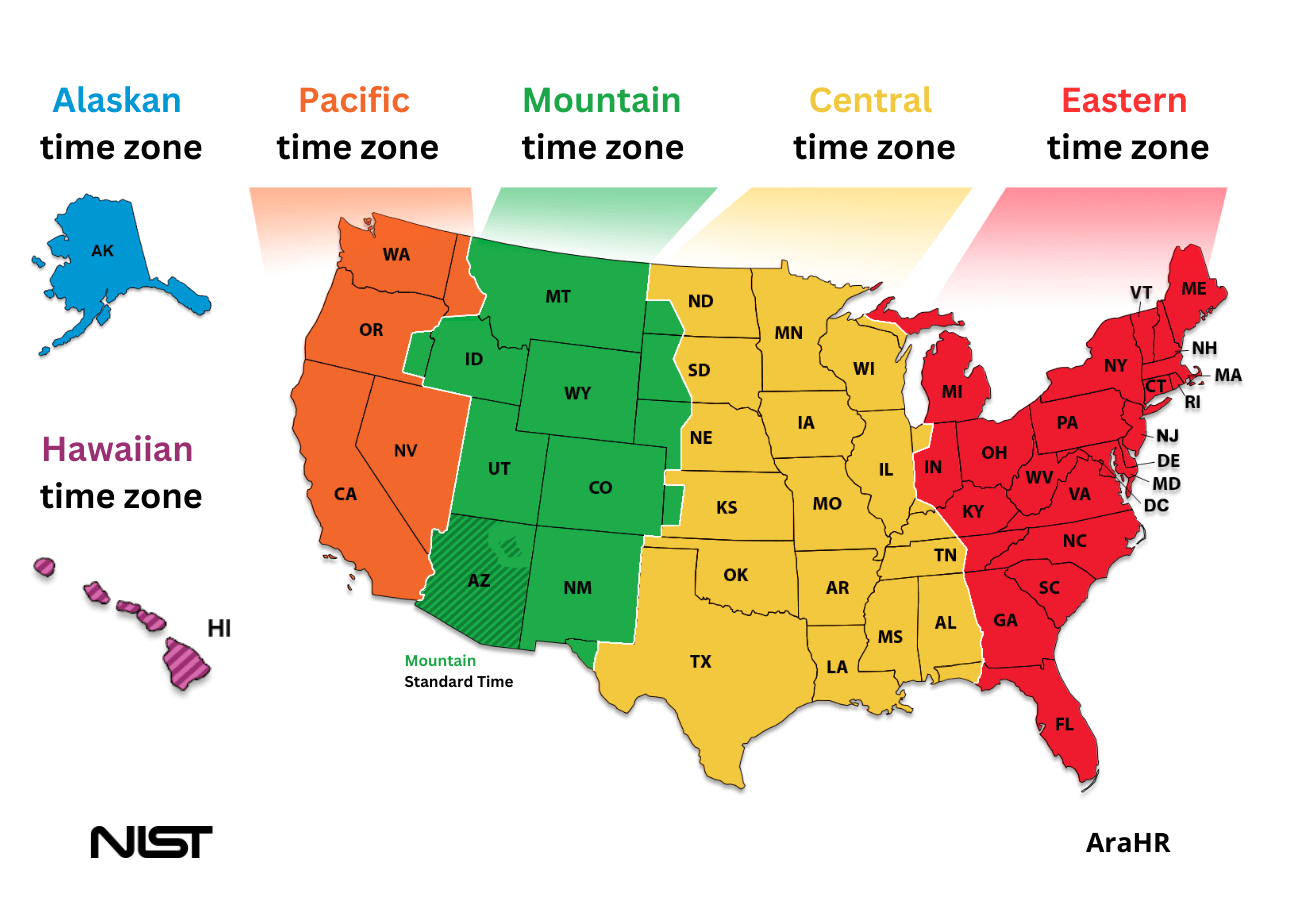
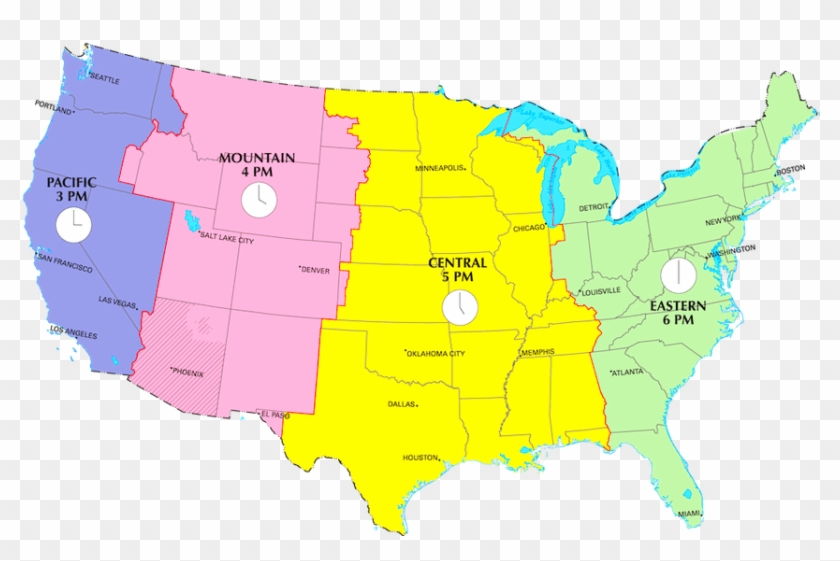
Understanding the geographical spread of the Pacific Time Zone can provide a helpful frame of reference, especially for those traveling regionally within the western United United States. Besides Nevada, the Pacific Time Zone is observed by the entirety of California, Oregon, and Washington, as well as a portion of Idaho. This means that if you’re traveling from major cities like Los Angeles, San Francisco, or Seattle, your arrival in Las Vegas will involve no time zone adjustment, simplifying your travel plans considerably.
It’s also worth noting which areas don’t observe the same time. Arizona, for instance, largely does not observe Daylight Saving Time, meaning that during the summer months, Phoenix (Mountain Standard Time) will be on the same time as Las Vegas (Pacific Daylight Time). However, in winter, when Las Vegas is on PST, Phoenix will be an hour ahead. This can be particularly relevant for those planning road trips or excursions to nearby natural wonders like the Grand Canyon, which straddles different time interpretations. Awareness of these regional differences ensures accurate planning for all aspects of your journey, from drive times to tour departures.

The Impact of Time Zones on Your Las Vegas Travel Experience
The local time zone in Las Vegas is far more than an abstract geographical detail; it’s a practical consideration that directly impacts numerous facets of your trip. From the moment you book your flight to your last dining experience, understanding the time difference and its implications is key to a stress-free and enjoyable visit.
Navigating Flights and Airport Transfers
For most travelers, the journey to Las Vegas begins and ends with air travel. All flight schedules, both arrival and departure, are listed in the local time of the respective airport. This means if you’re flying from New York (EST/EDT) to Las Vegas (PST/PDT), a flight departing at 9:00 AM Eastern Time might arrive at 11:00 AM Pacific Time, even though the actual flight duration is five hours. It’s crucial to correctly calculate the real duration of your travel, especially when connecting flights are involved, to avoid missing a segment of your journey.
Upon arrival at Harry Reid International Airport, formerly McCarran International Airport, your internal clock will likely still be operating on your home time zone. This is where jet lag begins to set in. Planning your airport transfers in advance, whether via a pre-booked shuttle, taxi, or ride-share service, becomes even more important when you’re disoriented by time differences. Knowing the local time helps you schedule your pick-up accurately and communicate effectively with your transportation provider, ensuring a smooth transition from the airport to your chosen accommodation, be it a luxury resort or a budget-friendly hotel.
Hotel Check-ins, Check-outs, and Resort Amenities
Hotels and resorts in Las Vegas operate strictly on local time for check-in and check-out procedures. Standard check-in times are often around 3:00 PM or 4:00 PM local time, while check-out is typically 11:00 AM or noon. If you arrive early from an eastern time zone, your body might feel like it’s already mid-afternoon, but the hotel’s clock dictates otherwise. This could mean a wait before your room is ready. Conversely, an early morning flight on your departure day might require a very early check-out by local time, even if it feels like the middle of the night to your internal clock.
Beyond basic accommodation logistics, resort amenities are also time-sensitive. Spa appointments, pool access hours, gym openings, and even room service availability are all based on Las Vegas local time. If you’ve booked a relaxing massage at The Venetian Resort or a workout session at Caesars Palace for 9:00 AM, ensure you’re adjusting your internal clock to be there punctually, avoiding missed appointments and forfeited payments. For longer stays or those seeking apartments or villas, maintaining a consistent schedule with the local time becomes even more critical for daily living.
Planning Your Las Vegas Itinerary: Shows, Dining, and Attractions
Las Vegas is a city of experiences, and nearly every one of them is time-bound. Showtimes for world-renowned productions like Cirque du Soleil at the Bellagio, concert schedules at various venues, and exhibition hours at museums like the Mob Museum or Neon Museum are all published in PST/PDT. Miscalculating the time could lead to missing a performance or arriving after an attraction has closed. Always confirm your reservations and show tickets against the local time to avoid disappointment.
Dining is another significant part of the Las Vegas experience, from lavish buffet breakfasts to Michelin-starred dinners. Restaurant reservation times are strictly local. An 8:00 PM dinner reservation might feel like 11:00 PM if you’re coming from the East Coast, potentially impacting your appetite or energy levels. Similarly, planning excursions to nearby landmarks like the Hoover Dam or Red Rock Canyon requires adherence to local tour departure times. When booking any activity, whether it’s a gondola ride at The Venetian Resort or a helicopter tour over the Grand Canyon, confirm all timings in Las Vegas local time.
Business Travel and Meeting Schedules
For those traveling to Las Vegas for business, conferences, or conventions, time zone awareness is paramount. Meeting schedules, presentation times, and networking events will all be set to local PST/PDT. Missing a critical meeting because you’re still on your home time zone’s schedule can have serious repercussions. Furthermore, coordinating with colleagues or clients in different time zones requires careful planning. You might need to adjust your workday to accommodate early morning calls with East Coast partners or late evening video conferences with international contacts. Staying vigilant about the time zone ensures punctuality and professionalism in all your business endeavors in Las Vegas.
Overcoming Time Differences: Tips for a Seamless Las Vegas Trip
Successfully managing the time difference, particularly when traveling across several time zones, can significantly enhance your Las Vegas experience. Proactive strategies can minimize the effects of jet lag and ensure you hit the ground running, ready to enjoy everything the city has to offer.
Pre-Trip Preparation and Adjustment Strategies
The key to combating jet lag often begins before you even depart. A few days prior to your trip, try to gradually shift your sleep schedule closer to Las Vegas time. If you’re traveling west, try going to bed an hour or two later each night and waking up later. If traveling east, do the opposite. Adjusting meal times can also help your body prepare for the change.
Hydration is also critical. Drink plenty of water before, during, and after your flight. Avoid excessive alcohol and caffeine, as they can exacerbate dehydration and disrupt sleep patterns. Upon booking your accommodation, consider checking if early check-in options are available, especially if you’re arriving on an early morning flight and need to rest before exploring. For resorts like Caesars Palace or Bellagio, this amenity can be invaluable.
Maximizing Your Stay Upon Arrival
Once you land in Las Vegas, immediately set your watch and all electronic devices to local PST/PDT. This simple act helps trick your mind into adapting more quickly. Try to expose yourself to natural light during the day, especially in the morning, as this helps regulate your circadian rhythm. Fight the urge to nap for too long if you arrive in the afternoon; instead, try to power through until a reasonable bedtime in Las Vegas local time.
Plan your first day with less strenuous activities. Perhaps a leisurely stroll down the Las Vegas Strip, a casual meal, or an evening show rather than an intense hiking excursion to Red Rock Canyon. This allows your body to acclimate without adding additional stress. For those interested in local culture and history, attractions like the Fremont Street Experience offer vibrant evening entertainment that can keep you awake and engaged until a more appropriate sleep time.
Managing Jet Lag for Optimal Enjoyment
Jet lag can manifest as fatigue, irritability, difficulty concentrating, and digestive issues. To minimize these effects, stick to a routine once you’ve adjusted to Las Vegas time. Aim for consistent sleep-wake cycles. If you have trouble sleeping, consider using earplugs and an eye mask to create a dark, quiet environment. Some travelers find melatonin supplements helpful, but always consult with a doctor before taking any new medication.
Incorporate light exercise into your daily routine. Many Las Vegas hotels offer state-of-the-art fitness centers, or you could opt for a swim in one of the iconic pools. Physical activity can boost energy levels and improve sleep quality. Remember to stay hydrated throughout your trip, especially given the dry desert climate of Nevada. By consciously managing your internal clock, you can ensure your energy levels remain high, allowing you to fully enjoy the myriad of attractions, from the thrilling rides at the Stratosphere Tower to the quiet luxury of a resort spa.
Specific Considerations for Different Traveler Types
The impact of time zones and the strategies to manage them can vary depending on your travel style and companions.
- Family Trips: Traveling with children often amplifies the challenges of time zone changes. Kids can be particularly sensitive to disruptions in their sleep and meal routines. Plan for slower mornings, build in downtime, and pack familiar snacks and comfort items. Early dinner reservations might be more suitable, and look for family-friendly shows with earlier start times. Many Las Vegas resorts offer extensive pools and activities that can help burn off energy during the day.
- Luxury Travel: For those indulging in luxury travel, consider upgrading your flight for better comfort to arrive feeling more refreshed. Utilize concierge services to pre-book all your activities and dining, ensuring accurate local times are applied. Many luxury hotels offer personalized services, including spa treatments designed to combat jet lag, or even in-room wellness programs. Early check-in or late check-out can often be arranged for a fee, providing much-needed flexibility.
- Budget Travel: Budget travelers can still mitigate jet lag effectively. Focus on free activities that allow for flexibility, such as walking the Las Vegas Strip or visiting the free attractions at hotels. Pack your own snacks to save money and ensure you have food when your body demands it, regardless of local restaurant hours. Choose accommodation with good blackout curtains to aid sleep.
- Business Stays: Business travelers on tight schedules must be extra diligent. Ensure your laptop and phone are set to automatically update time zones. Schedule important meetings for later in the day if possible, allowing your body to adjust. Take advantage of hotel business centers and amenities for any urgent work that needs to be done outside of regular local business hours. Prioritize sleep and healthy eating to maintain peak performance throughout your stay.
Las Vegas’s Timeless Appeal: Beyond the Clock
While understanding Las Vegas’s time zone is crucial for logistical planning, the city itself possesses a timeless quality that transcends the ticking of the clock. It’s a destination where the lines between day and night often blur, where entertainment and excitement are available 24/7. From the bustling casino floors that never close to the round-the-clock dining options and the perpetual glow of neon lights, Las Vegas operates on its own unique rhythm, inviting visitors to shed their conventional schedules and embrace the spontaneous.
However, even in a city that seemingly defies time, knowing when the Bellagio Fountains dance, when the Fremont Street Experience light show begins, or when your reservation at a renowned restaurant is, remains essential. The practicalities of PST/PDT simply provide the framework for you to build an unforgettable experience. By respecting the local time zone and employing smart travel strategies, you can minimize disruptions, maximize your enjoyment, and fully immerse yourself in the magic of Las Vegas, ensuring that every moment, regardless of the hour, is a testament to the city’s unparalleled allure.
LifeOutOfTheBox is a participant in the Amazon Services LLC Associates Program, an affiliate advertising program designed to provide a means for sites to earn advertising fees by advertising and linking to Amazon.com. Amazon, the Amazon logo, AmazonSupply, and the AmazonSupply logo are trademarks of Amazon.com, Inc. or its affiliates. As an Amazon Associate we earn affiliate commissions from qualifying purchases.