
Embarking on a journey, whether for leisure or business, often involves meticulous planning. Among the myriad details to consider—from booking flights and accommodation to mapping out attractions and activities—one fundamental aspect sometimes gets overlooked until the last minute: understanding the local time. For anyone contemplating a visit to the breathtaking landscapes of Montana, or simply needing to connect with someone in the state, the question “What time is it in Montana right now?” is more than just a trivial inquiry. It’s the gateway to a smooth, well-coordinated, and ultimately more enjoyable experience in Big Sky Country.
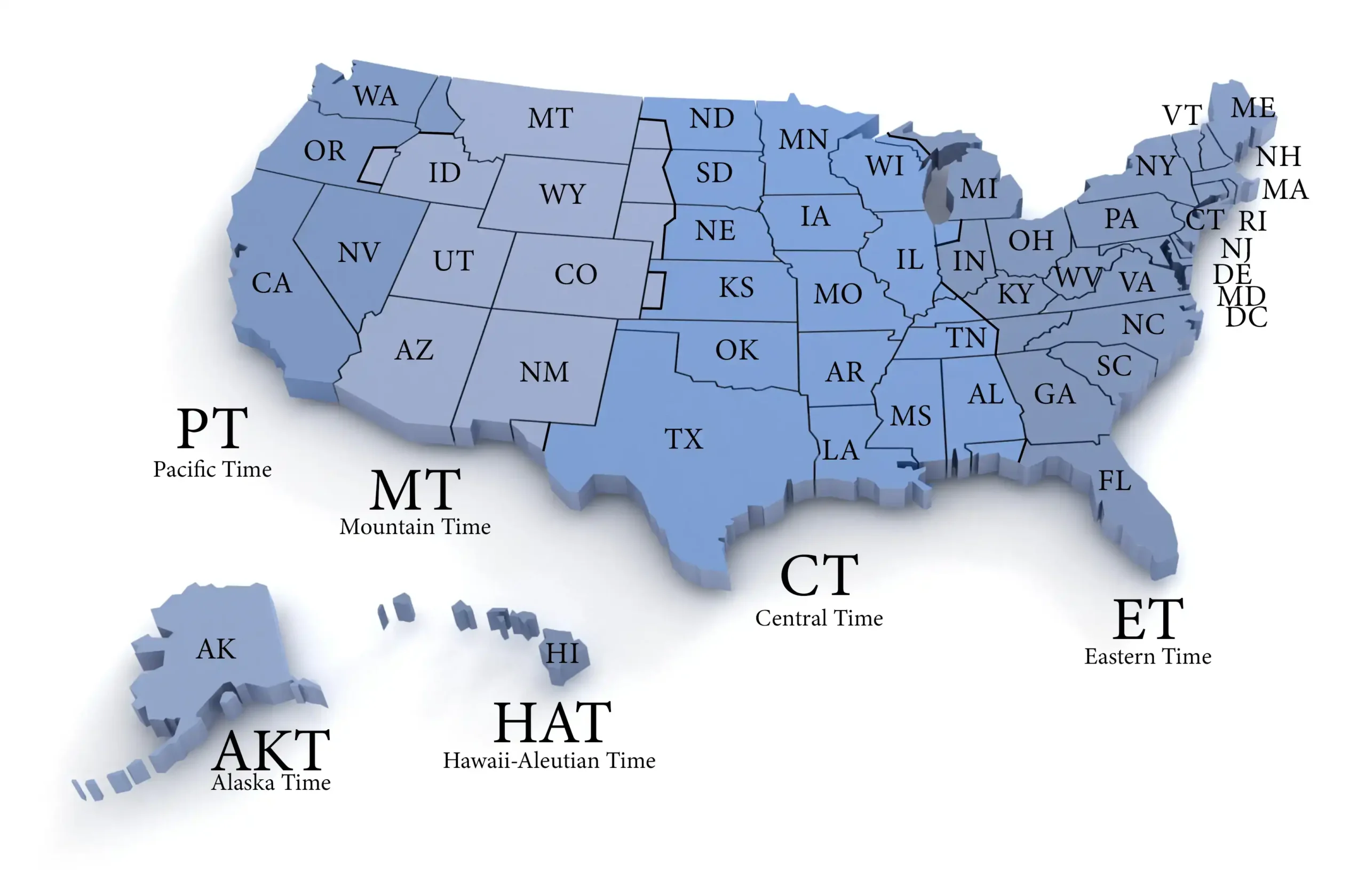
At its core, Montana observes the Mountain Time Zone (MT). This means that during standard time, from roughly early November to mid-March, Montana is seven hours behind Coordinated Universal Time (UTC-7). However, like much of the United States, Montana participates in Daylight Saving Time. From mid-March to early November, clocks spring forward by one hour, shifting the state to Mountain Daylight Time (MDT), which is six hours behind Coordinated Universal Time (UTC-6). This seasonal adjustment is crucial for travelers, as it impacts everything from flight schedules to the opening hours of popular attractions and even the timing of sunsets, which can be critical for planning outdoor adventures.
Understanding this simple time zone fact is the first step in unlocking the full potential of your Montana adventure. Whether you’re planning to hike through Glacier National Park, ski at Big Sky Resort, or explore the charming streets of Bozeman, knowing the correct time allows you to synchronize your plans, manage your itinerary effectively, and avoid any missed opportunities due to temporal misunderstandings.
Planning Your Trip to Big Sky Country: Understanding Montana’s Time Zone
For travelers, the seemingly minor detail of a time zone can have significant ripple effects across an entire trip. From avoiding jet lag to ensuring you arrive on time for reservations, a clear grasp of Montana’s time is indispensable for seamless travel planning.
The Mountain Time Zone Explained
The Mountain Time Zone encompasses a vast region of the Western United States and Canada. In Montana, this means that cities like Billings, Missoula, Bozeman, and the capital, Helena, all operate on the same clock. During Mountain Standard Time (MST), the time is UTC-7, meaning it’s two hours behind the Eastern Time Zone and one hour ahead of the Pacific Time Zone. When Daylight Saving Time is in effect, the state switches to MDT, moving to UTC-6.
This information is vital for several aspects of travel. When booking flights, ensure you’re aware of arrival and departure times in the local time zone of each airport. For example, if you’re flying from New York (Eastern Time) to Bozeman Yellowstone International Airport (Mountain Time), a flight departing at 9 AM ET and arriving at 12 PM MT might feel like a short journey, but you’ve actually spent four hours in the air, with a three-hour time difference to account for. Similarly, tour operators, restaurant reservations, and activity bookings will all be based on local Montana time, so factoring in these differences ensures punctuality and avoids missing out on pre-paid experiences.
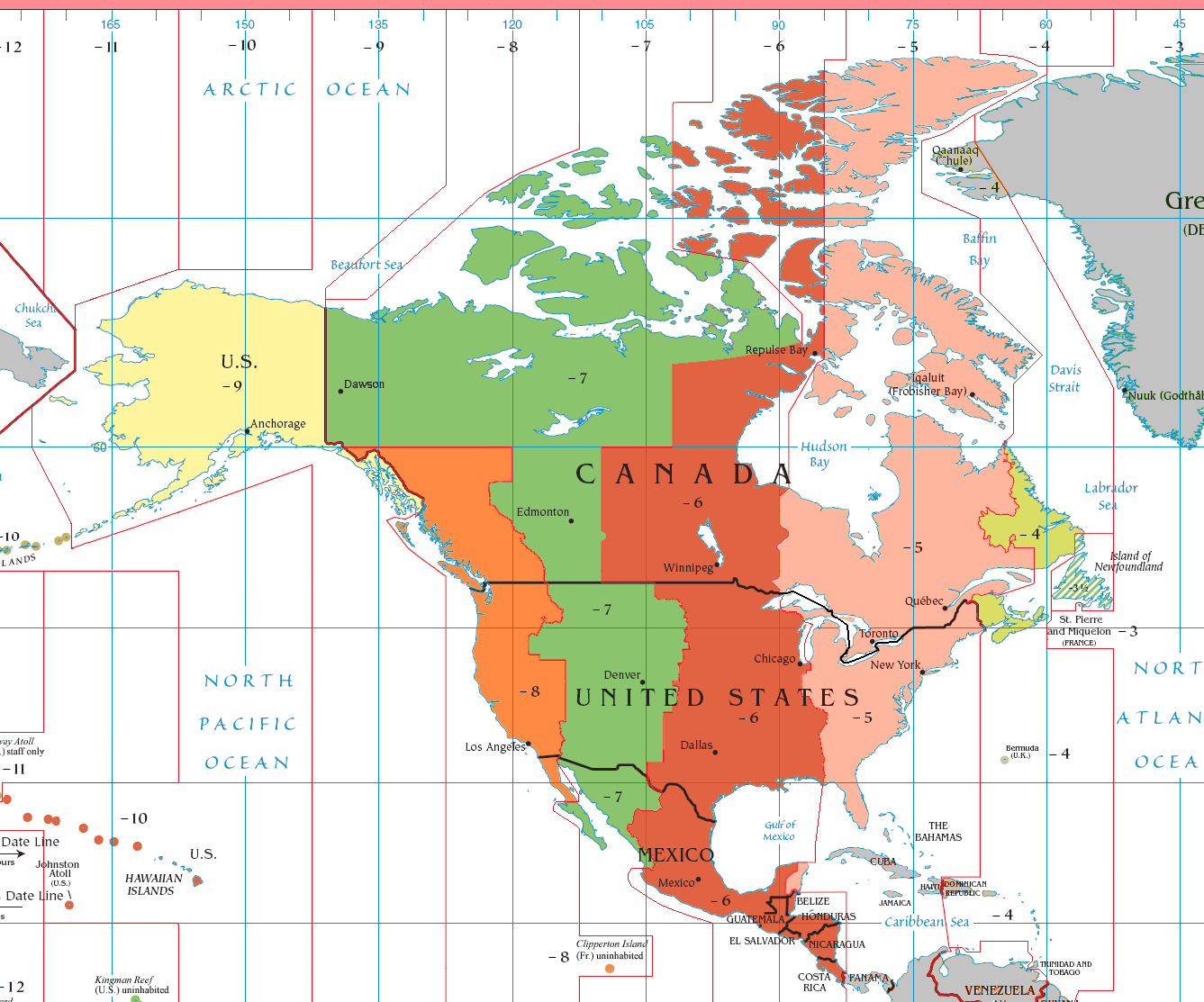
Moreover, for those traveling for business, coordinating meetings across different time zones requires precision. A conference call scheduled for 10 AM MT will be 12 PM ET or 9 AM PT, a detail that can make or break critical business communications. Understanding the consistent time zone across the state simplifies multi-destination itineraries within Montana, allowing for smooth transitions between cities and attractions without constant clock adjustments.
Navigating Time Differences for Seamless Travel
Adjusting to a new time zone is a common challenge for travelers, often leading to what is famously known as jet lag. While the time difference within the continental United States might not be as severe as international travel, even a one or two-hour shift can impact your initial days. Here are some tips to navigate Montana’s time zone effectively:
- Adjust Before You Go: If possible, try to shift your sleep schedule by an hour or two in the days leading up to your trip. Gradually going to bed and waking up earlier or later can ease your body into the new rhythm.
- Embrace Natural Light: Upon arrival, expose yourself to natural daylight as much as possible. Sunlight helps reset your body’s internal clock. Take a walk, enjoy a patio meal, or simply spend time outdoors.
- Stay Hydrated and Avoid Excessive Caffeine/Alcohol: Dehydration can exacerbate jet lag symptoms. Opt for water and limit substances that can disrupt your sleep patterns.
- Synchronize Your Devices: As soon as you land, update all your electronic devices to Montana time. This prevents confusion and ensures you’re always operating on local time.
- Plan Strategically: Schedule strenuous activities for later in your trip once your body has had time to adjust. On your arrival day, opt for lighter activities or simply explore your immediate surroundings.
For coordinating with family or colleagues outside Montana, free apps and online tools can be invaluable. These resources allow you to instantly convert times across different zones, ensuring that your check-in calls, photo shares, or travel updates are sent at appropriate hours for everyone involved. For instance, if you’re calling a friend in New York City (Eastern Time) from Missoula (Mountain Time), remember there’s a two-hour difference. A 7 PM call in Missoula would be 9 PM for them. This small consideration enhances communication and maintains connections, no matter the distance.
Beyond the Clock: Experiencing Montana’s Timeless Beauty
While understanding the clock is practical, the true magic of Montana lies in how you spend the hours. Known for its rugged wilderness, majestic mountains, and wide-open spaces, Montana offers an unparalleled travel experience focused on nature, adventure, and a distinct Western lifestyle.
Iconic Destinations and Natural Wonders
Montana’s allure is deeply rooted in its spectacular natural landscapes. The state is home to two of the most iconic national parks in the United States, alongside countless other natural attractions that promise awe and adventure.
Glacier National Park: The Crown of the Continent
Often referred to as the “Crown of the Continent,” Glacier National Park is a UNESCO World Heritage Site renowned for its pristine forests, alpine meadows, rugged mountains, and some 700 lakes. Its most famous feature, the Going-to-the-Sun Road, is an engineering marvel that offers breathtaking views as it traverses the Continental Divide. Visitors can spend days hiking hundreds of miles of trails, spotting diverse wildlife like grizzly bears, mountain goats, and moose, or simply soaking in the serene beauty of places like Lake McDonald and Many Glacier.
Yellowstone National Park: A Geothermal Marvel
While much of Yellowstone National Park lies in Wyoming, its northern entrances and a significant portion of its wilderness extend into Montana. The northern range, accessible via Gardiner and Cooke City, is renowned for its abundant wildlife, including bison, elk, and wolves. The geothermal features, such as Mammoth Hot Springs and the iconic Old Faithful, offer a glimpse into the earth’s powerful forces. For those seeking adventure, the vastness of the park provides endless opportunities for hiking, wildlife viewing, and photography.
Big Sky Resort: World-Class Recreation
Beyond the national parks, Big Sky Resort near Bozeman stands out as a premier destination for winter sports and summer adventures. With some of the biggest skiing in North America, it attracts enthusiasts from around the globe. In warmer months, the resort transforms into a hub for mountain biking, zip-lining, hiking, and fly-fishing on the renowned Gallatin River.

Flathead Lake and the Lewis and Clark Trail
Flathead Lake, the largest freshwater lake west of the Mississippi River in the contiguous United States, offers incredible opportunities for boating, swimming, and fishing, with cherry orchards dotting its shores. History buffs can follow parts of the Lewis and Clark Trail, retracing the footsteps of the famous explorers along the Missouri River and through the Gates of the Mountains Wilderness, gaining insights into America’s westward expansion.
Unforgettable Stays: Hotels and Accommodation in Montana
Montana’s approach to accommodation is as diverse as its landscape, catering to every style of traveler, from those seeking rustic charm to ultimate luxury. The lodging options are often an integral part of the overall experience, reflecting the state’s rugged elegance and pioneering spirit.
For the luxury traveler, Montana boasts some truly exceptional high-end resorts and ranches. The Resort at Paws Up near Greenough offers an opulent “glamping” experience, combining wilderness adventure with five-star amenities. Guests can stay in lavish safari-style tents or private luxury homes, enjoying gourmet dining and a plethora of activities from horseback riding to fly-fishing. Similarly, Lone Mountain Ranch in Big Sky is a historic dude ranch offering an authentic Western experience with luxury cabins, world-class cross-country skiing, and summer adventures. Other notable luxury properties include The Ranch at Rock Creek near Philipsburg and Triple Creek Ranch in Darby, both renowned for their all-inclusive experiences and bespoke service.
For those looking for more budget-friendly or family-oriented options, cities like Bozeman, Missoula, and Whitefish offer a wide array of hotels, motels, and vacation rentals. From charming boutique hotels in historic downtown areas to comfortable chains conveniently located near major attractions, there’s something for every preference. Vacation rentals, including cabins, apartments, and larger homes, are particularly popular, offering flexibility and a home-away-from-home feel, especially for longer stays or groups. Many are situated near Glacier National Park or the Rocky Mountains, providing direct access to outdoor activities.
When planning your stay, consider the season. Peak summer months (June-August) and the winter ski season can see accommodations book up quickly and prices surge, especially around popular areas like Glacier National Park, Yellowstone National Park, and Big Sky. Booking well in advance is highly recommended to secure your preferred lodging and potentially better rates. Utilizing online booking platforms and review sites can also help compare options and find the perfect fit for your travel style and budget.
Lifestyle and Local Culture: Making the Most of Your Montana Hours
Montana isn’t just about the scenery; it’s about a distinct way of life that celebrates independence, connection to nature, and a strong sense of community. Embracing this culture will enrich your travel experience, transforming it from a simple sightseeing trip into a deeper immersion.
Embracing the Montana Way of Life
The lifestyle in Montana is defined by its vastness and the resilience required to thrive amidst its rugged beauty. It’s a place where outdoor adventure is not just a pastime but a way of life. Skiing, fly-fishing, hiking, hunting, and horseback riding are deeply ingrained in the local culture. You’ll find communities that take pride in their Western heritage, often expressed through rodeos, live music at local saloons, and an emphasis on craftsmanship.
Food in Montana often reflects the local bounty, with bison burgers, huckleberry treats, and locally sourced game being staples. The craft beer scene has also flourished, with numerous breweries in cities like Bozeman, Missoula, and Kalispell offering unique brews. Exploring local farmer’s markets, especially in summer, provides a taste of fresh, regional produce and a chance to interact with local artisans.
Montana also has a rich Native American history and culture, with several tribal nations including the Blackfeet Nation, Crow Nation, and the Confederated Salish and Kootenai Tribes of the Flathead Reservation calling the state home. Visiting cultural centers, attending powwows, or exploring significant sites like the Little Bighorn Battlefield National Monument offers profound insights into their enduring traditions and contributions to the state’s heritage.
Whether you’re on a luxury getaway, a budget-friendly adventure, a family trip, or a business stay that blends work with exploration, Montana encourages a slower, more deliberate pace. It’s a place where you’re invited to disconnect from the frantic rhythm of daily life and reconnect with nature and yourself.
Practical Tips for a Smooth Montana Journey
To ensure your Montana journey is as smooth and enjoyable as possible, consider these practical tips:
- Best Time to Visit: Each season offers a different Montana experience. Summer (June-September) is ideal for hiking, fishing, and exploring national parks, but it’s also the busiest. Fall brings stunning foliage and fewer crowds. Winter offers world-class skiing and snowmobiling, while spring sees thawing landscapes and active wildlife, though some roads and facilities might still be closed. Check park opening dates, especially for Glacier National Park’s Going-to-the-Sun Road, which typically opens in late June or early July.
- Transportation: A rental car is almost essential for exploring Montana’s vast distances and accessing remote attractions. Major airports include Bozeman Yellowstone International Airport, Missoula International Airport, and Billings Logan International Airport. Be prepared for varying road conditions, especially outside peak season, and always keep an eye on weather forecasts.
- Packing Essentials: Layers are key in Montana, as weather can change rapidly. Even in summer, evenings can be cool. Bring sturdy hiking boots, rain gear, sun protection (hat, sunscreen), insect repellent, and bear spray if you plan on serious backcountry hiking. Don’t forget binoculars for wildlife viewing!
- Respect Wildlife and Nature: Montana is wild country. Always maintain a safe distance from wildlife, never feed animals, and store food properly to avoid attracting bears. Stick to marked trails, pack out everything you pack in, and leave no trace. Be aware of fire restrictions, especially during dry summer months.
- Connectivity: While cities offer reliable cell service and Wi-Fi, coverage can be spotty or non-existent in national parks and remote areas. Download maps offline and inform others of your itinerary, especially if you venture off-grid.
In essence, whether you’re adjusting your watch or immersing yourself in the landscape, Montana invites you to experience time in a profound way – from the rapid flow of its wild rivers to the ancient rhythm of its mountains.
In conclusion, understanding what time it is in Montana right now, and the implications of the Mountain Time Zone, is a fundamental piece of information for any traveler. It underpins effective planning for travel logistics, accommodations, and activities. But beyond the practicalities, Montana offers a timeless allure—a chance to disconnect from the frantic pace of the modern world and reconnect with nature’s grandeur. From the pristine wilderness of Glacier National Park and the geothermal wonders of Yellowstone, to the charming small towns and luxurious ranches, every moment spent here is an opportunity for adventure, relaxation, and discovery. So, set your watch, plan your journey, and prepare to be captivated by the enduring beauty and rugged spirit of Montana.
LifeOutOfTheBox is a participant in the Amazon Services LLC Associates Program, an affiliate advertising program designed to provide a means for sites to earn advertising fees by advertising and linking to Amazon.com. Amazon, the Amazon logo, AmazonSupply, and the AmazonSupply logo are trademarks of Amazon.com, Inc. or its affiliates. As an Amazon Associate we earn affiliate commissions from qualifying purchases.