
For many, the idea of traveling, exploring new destinations, or even simply residing in the Golden State evokes images of sun-drenched beaches, iconic landmarks, and vibrant city life. California is a global magnet for tourism, offering everything from the glitz of Hollywood to the natural splendor of Yosemite National Park. However, beneath the surface of its alluring lifestyle and diverse attractions, lies one of the United States’ most stringent legal frameworks concerning firearms. A question that frequently arises for both visitors and residents concerned about personal safety, especially those accustomed to carrying a firearm in other states, is: “Can you conceal carry in California?”
The simple answer is often complex, layered with specific regulations, a rigorous permitting process, and significant jurisdictional variations that can make navigating the issue a daunting task. Unlike many states that embrace “shall-issue” policies, where a permit is granted if an applicant meets objective criteria, California operates predominantly under a “may-issue” system, albeit one that has seen considerable evolution due to landmark Supreme Court decisions. This means that even if you meet all basic requirements, the issuing authority (typically the county sheriff or local police chief) retains discretion in approving or denying a permit. For anyone planning to travel through or stay in the state, understanding these nuances is not just advisable, but absolutely critical to avoid severe legal repercussions. This comprehensive guide aims to demystify concealed carry in California, addressing the legal landscape, application processes, and the implications for those exploring its many wonders, from staying in a luxury hotel in Beverly Hills to camping in a remote state park.

Understanding California’s Concealed Carry Laws for Travelers and Residents
California stands out with some of the most restrictive gun laws in the nation, a stark contrast to many other states. This strict approach extends directly to the practice of carrying firearms, especially when concealed. For anyone contemplating carrying a firearm within the state, whether you’re a lifelong resident or a tourist visiting for a short stay, a thorough understanding of these regulations is paramount. The consequences of non-compliance can range from substantial fines to felony charges and imprisonment, not to mention the potential forfeiture of your firearm and your right to own one.
The Landscape of Gun Laws in the Golden State
The foundational principle in California is that carrying a loaded firearm, openly or concealed, without a valid permit is generally illegal. While open carry was once permissible in unincorporated areas, it has been largely prohibited throughout the state for both loaded and unloaded firearms in public places. This makes concealed carry permits (CCWs) the primary legal avenue for carrying a firearm for self-defense outside one’s home or business. The “may-issue” nature of California’s CCW system meant that authorities could require applicants to demonstrate “good cause” beyond general self-defense—a hurdle that historically made permits difficult to obtain in many urban counties like Los Angeles or San Francisco.
However, the legal landscape shifted significantly with the U.S. Supreme Court’s 2022 decision in New York State Rifle & Pistol Association v. Bruen. This ruling invalidated “good cause” requirements, asserting that individuals have a right to carry a handgun for self-defense outside the home. While California has had to adapt its policies, some counties have responded by introducing new subjective requirements, such as demonstrating “good moral character” or passing extensive background checks and interviews, which can still make the process challenging. This evolving situation means that while the door for CCW permits has opened wider in some areas, the path remains complex and varies considerably by jurisdiction.
Who Can Apply for a Concealed Carry Permit (CCW) in California?
Even with the post-Bruen changes, obtaining a CCW permit in California is not a simple matter of requesting one. Applicants must meet a series of strict criteria:
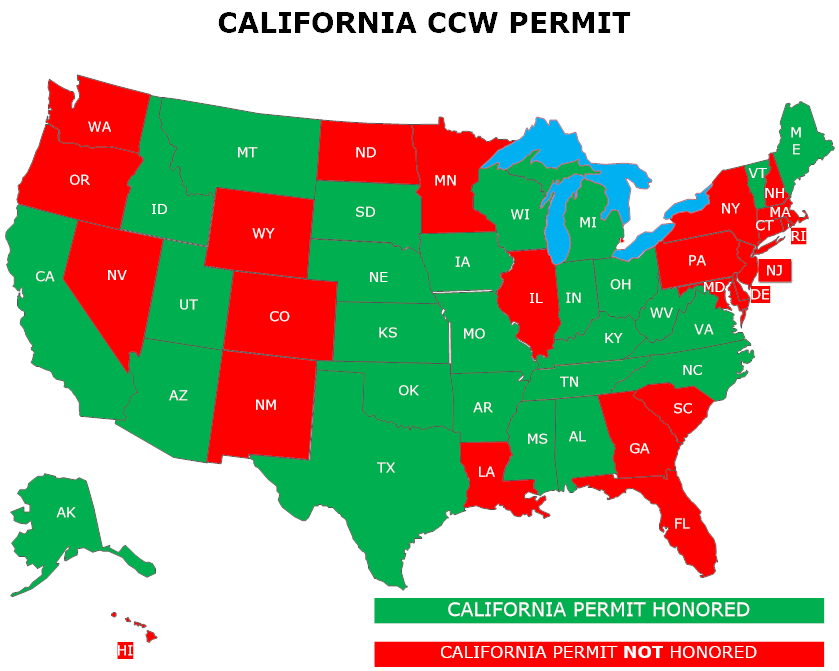
- Residency: You must be a resident of the county where you are applying. Non-residents, including those from other states with their own CCW permits, are generally not eligible for a California CCW permit, and California does not recognize concealed carry permits from any other state. This is a critical point for travelers who assume their out-of-state permit offers reciprocity.
- Minimum Age: Applicants must be at least 21 years old.
- Good Moral Character: This subjective criterion is now often the primary discretionary element for issuing authorities. It typically involves extensive background checks, interviews, and a review of an applicant’s criminal history, mental health records, and even social media activity. Any history of domestic violence, certain misdemeanor convictions, or even a pattern of questionable behavior can lead to denial.
- Training Requirements: All applicants must complete a firearms training course from an approved provider. This course covers firearm safety, storage, and the lawful use of a firearm. The specific duration and content of the training can vary by county.
- Disqualifiers: A range of factors can disqualify an applicant, including felony convictions, certain misdemeanor convictions (e.g., domestic violence, drug offenses), outstanding warrants, dishonorable discharge from the military, or a history of mental illness that prohibits firearm possession.
Meeting these criteria is just the beginning; the actual application process is extensive and can be time-consuming, reflecting the state’s cautious approach to firearm regulation.
Navigating CCW Permits: Application Process and Challenges
Successfully obtaining a Concealed Carry Weapon (CCW) permit in California is a journey that demands patience, meticulous attention to detail, and a thorough understanding of local variations. Given the strict nature of gun laws in the Golden State, the application process is far from a mere formality; it’s a comprehensive vetting procedure designed to ensure that only those deemed responsible and compliant with all legal stipulations are granted the privilege to carry a concealed firearm.
The California CCW Application Journey
The process for applying for a CCW permit in California typically follows a multi-stage approach, primarily handled by the county sheriff’s office in unincorporated areas or the local police department within city limits. While the general steps are consistent, the stringency and duration can vary significantly:
- Initial Application and Documentation: The first step involves submitting a detailed application form, often available online through the issuing agency’s website. This form requires comprehensive personal information, including residency details, employment history, and a detailed account of any prior arrests or convictions. Applicants must also provide supporting documents, such as proof of residency and identification.
- Extensive Background Checks: Once the application is submitted, a rigorous background check commences. This is far more extensive than a standard firearm purchase background check. It typically includes checks of federal and state databases for criminal records, mental health adjudications, and any restraining orders. Additionally, social media accounts may be reviewed, and personal references contacted, all in an effort to assess the applicant’s “good moral character.”
- Personal Interview: A mandatory interview with law enforcement personnel is a critical component of the process. During this interview, applicants may be asked to elaborate on their reasons for seeking a CCW permit, their understanding of firearm laws, and their general temperament. This stage allows the issuing authority to gauge the applicant’s suitability beyond what’s on paper.
- Firearms Training Course: After the initial review and interview, applicants are usually required to complete an approved firearms training course. These courses, typically ranging from 8 to 16 hours, cover critical aspects of firearm safety, marksmanship, safe storage, and the legal responsibilities of carrying a concealed weapon. The specific course content and duration are often dictated by the county, ensuring compliance with local requirements.
- Live-Scan Fingerprinting: Applicants must undergo live-scan fingerprinting for a thorough background investigation, which is submitted to the California Department of Justice (DOJ) and the FBI.
- Waiting Periods and Approval/Denial: The entire process, from application submission to final decision, can take several months, sometimes even up to a year, depending on the volume of applications and the efficiency of the issuing agency. Upon completion, the applicant will either receive their permit or a denial, which often comes with a detailed explanation and, in some cases, an opportunity for appeal.

The Impact of Jurisdictional Differences
One of the most challenging aspects of California’s CCW system is the significant variation in implementation across different counties. While the post-Bruen ruling eliminated the “good cause” requirement, interpretations and the practical application of criteria like “good moral character” can differ wildly:
- County-Specific Policies: Some counties, historically more permissive, like Orange County or Sacramento County, may have streamlined processes and clearer guidelines, making permits relatively more accessible. Conversely, highly urbanized counties such as San Francisco County or Los Angeles County have historically been (and may still be, albeit with adjustments) much stricter, with rigorous interpretations of “good moral character” and lengthier processing times.
- Reciprocity – A Critical Absence: For travelers, it’s vital to understand that California does not have reciprocity agreements with any other state regarding concealed carry permits. This means that a CCW permit valid in Arizona or Nevada is absolutely null and void in California. Attempting to carry a concealed firearm in California with an out-of-state permit is treated as carrying without a permit and carries severe penalties.
- Non-Resident Permits: California generally does not issue CCW permits to non-residents. This effectively closes the door for visitors hoping to obtain a legal means to concealed carry during their stay. The expectation is that non-residents will comply with the state’s strict transport laws, rather than carry.
Understanding these jurisdictional nuances is not merely an academic exercise; it is a practical necessity that directly impacts one’s ability to legally carry a firearm and avoid potentially life-altering legal entanglements while in California.
Concealed Carry and California’s Tourist Destinations: What You Need to Know
For the millions who visit California each year, the state offers an unparalleled array of attractions, from world-renowned theme parks to pristine natural landmarks. Whether you’re planning a family trip to Disneyland, exploring the vibrant streets of San Francisco, or embarking on an adventure through Yosemite National Park, understanding the strict firearm laws is crucial. Even if you possess a valid California CCW permit, or if you are transporting a firearm legally, there are numerous “gun-free zones” where carrying a weapon, concealed or otherwise, is strictly prohibited.
Specific Restrictions in Sensitive Places
California designates a wide range of locations as “sensitive places” where firearms are generally banned, regardless of whether one holds a CCW permit. These restrictions are often broadly applied and heavily enforced:
- Schools and Universities: Carrying firearms on K-12 school grounds or university campuses is almost universally prohibited, even with a CCW, with very limited exceptions for law enforcement or specific security personnel. This includes school-sponsored events.
- Government Buildings and Public Meetings: State and local government buildings, courthouses, polling places, and locations of public gatherings (like legislative sessions or city council meetings) are typically off-limits.
- Airports and Public Transportation: While federal law governs the transport of unloaded and properly secured firearms on commercial aircraft, carrying a concealed weapon within the sterile areas of an airport or on public transit systems (buses, trains, subways) is generally illegal.
- Theme Parks and Entertainment Venues: Major attractions like Disneyland, Universal Studios Hollywood, and other large entertainment venues or stadiums often have strict “no weapons” policies enforced at their entrances, often with metal detectors and bag checks. These policies apply even if a CCW is possessed.
- National Parks and State Parks: While federal law allows for carrying firearms in National Parks (if permissible by state law), California state parks and many state recreation areas have their own specific regulations that may restrict or prohibit firearms, especially loaded ones. Always check the specific rules of the park or area you plan to visit.
- Private Property Rights: Owners of private establishments (e.g., restaurants, shops, private businesses) have the right to prohibit firearms on their premises, often indicated by “no guns” signs. Ignoring such signage, even with a valid CCW, could lead to trespassing charges in addition to potential firearm violations.
Travel, Hotels, and Accommodation Considerations
When traveling through California with firearms, even without the intent to concealed carry, the rules for transport are critical. For visitors, the general rule is that firearms must be unloaded and stored in a locked container, separate from ammunition, and not readily accessible. This applies to vehicles, luggage, and personal effects.
- Transporting Firearms: If you are bringing a firearm into California from another state, it must comply with California’s strict regulations regarding permissible firearms. Certain types of firearms and magazines legal elsewhere are banned in California. It is imperative that firearms are transported unloaded and in a locked container. For vehicles, this generally means in the trunk or a locked box not in the passenger compartment.
- Hotel Policies: When booking accommodation, especially hotels and resorts, it’s wise to inquire about their specific policies regarding firearms. While hotels typically cannot prevent you from having a legally transported firearm in your room, some may have policies regarding their safe storage or may request that firearms be declared upon check-in. This is particularly relevant for those staying at high-end resorts or suites in Napa Valley or Palm Springs, where property policies might be more explicit.
- Renting Accommodation (e.g., Airbnb, VRBO): If you’re opting for vacation rentals through platforms like Airbnb or VRBO, the property owner or host might have specific rules about firearms on their property. Always check the listing details or communicate directly with the host to avoid misunderstandings or violations of their terms of service.
- Camping and Outdoor Recreation: For those venturing into California’s vast wilderness, regulations can vary. While camping in designated areas within National Forests might allow for legal firearm possession consistent with federal and state law, state parks and specific recreational areas may have outright bans on firearms. Always consult the specific regulations for your chosen destination, whether it’s Lake Tahoe or the Big Sur coastline.
Navigating California’s firearm laws requires diligence, especially for those who wish to maintain their right to carry for self-defense. The numerous restrictions in “sensitive places” and the strict transport requirements mean that awareness and adherence to the law are paramount for any traveler or resident.
Legal Ramifications and Responsible Gun Ownership
Given the complexities and strictness of California’s firearm laws, responsible gun ownership in the state, particularly concerning concealed carry, requires a high degree of diligence and continuous awareness. Ignorance of the law is never an excuse, and in a state where firearm regulations are among the strictest in the nation, non-compliance can lead to severe and life-altering consequences. This is particularly true for travelers who might be accustomed to more lenient laws in their home states or for residents navigating the evolving legal landscape.
Penalties for Non-Compliance
The penalties for illegally carrying a concealed firearm in California are substantial and can include both felony and misdemeanor charges, depending on the specific circumstances, location, and the individual’s criminal history.
- Felony Charges: Carrying a concealed firearm without a valid permit is typically a wobbler offense, meaning it can be charged as either a misdemeanor or a felony. However, certain aggravating factors almost guarantee a felony charge. These include:
- Having prior felony convictions.
- Being a prohibited person (e.g., due to a prior violent misdemeanor, domestic violence conviction, or mental health adjudication).
- Carrying a stolen firearm.
- Carrying in a “sensitive place” where firearms are strictly prohibited, such as schools or government buildings.
- Possessing a firearm that is unregistered or considered illegal in California (e.g., certain “assault weapons” or high-capacity magazines).
- Having the intent to commit a felony while carrying.
A felony conviction can result in significant state prison time (ranging from 16 months to several years), hefty fines, a permanent loss of the right to own firearms, and other civil liberties, and can severely impact future employment and housing opportunities.
- Misdemeanor Charges: If the circumstances are less severe and without aggravating factors, illegal concealed carry might be charged as a misdemeanor. While less severe than a felony, a misdemeanor conviction can still lead to up to a year in county jail, significant fines, probation, and a temporary or permanent loss of firearm rights.
- Forfeiture of Firearms: In almost all cases of illegal carry or possession, the firearm involved will be confiscated and subject to forfeiture, meaning you will lose ownership of the weapon.
The message is clear: the legal system in California takes firearm offenses very seriously, and even seemingly minor infractions can have profound consequences.
Best Practices for Travelers and Gun Owners in California
For anyone considering bringing a firearm into California or for residents navigating their rights, a proactive and cautious approach is absolutely essential.
- Prioritize Education and Legal Counsel: Before embarking on any travel to California with a firearm or applying for a CCW, thoroughly educate yourself on the current laws. Consult official sources such as the California Department of Justice (DOJ) website, your local sheriff’s office, or, ideally, a qualified attorney specializing in California firearm law. Legal advice can clarify nuances and protect you from inadvertent violations.
- Always Verify Local Laws: While state law provides a framework, local ordinances can add further restrictions. When visiting specific cities or counties like San Diego, Santa Monica, or Long Beach, check their specific regulations, especially concerning places like beaches, piers (e.g., Santa Monica Pier), or specific recreational areas.
- Err on the Side of Caution: When in doubt, assume more restrictive laws apply. If a location is not explicitly stated as permissible for concealed carry, it is safer to assume it is prohibited. For travelers, the safest course of action is often to leave firearms at home or ensure they are transported strictly according to federal and state guidelines (unloaded, locked container, inaccessible) and not carried concealed.
- Consider Alternative Self-Defense Methods: For those visiting California from states with more permissive gun laws, it might be prudent to consider non-lethal self-defense tools or tactics that are legal in California. This shift in mindset can prevent severe legal issues and allow for a worry-free enjoyment of the state’s many offerings.
- Regularly Check for Updates: California’s gun laws are subject to frequent legislative changes and judicial rulings. What was legal last year might not be today. Stay informed about any new laws or court decisions that could impact your right to carry or transport firearms.
In conclusion, while it is technically possible to conceal carry in California with a valid permit, the process is arduous, and the restrictions are extensive. For visitors, the answer is almost universally no, as the state does not recognize out-of-state permits and rarely issues permits to non-residents. Responsible gun ownership in the Golden State means prioritizing legal compliance, thorough research, and making informed decisions that align with the state’s stringent firearm regulations, ensuring that your travels and lifestyle experiences remain positive and entirely within the bounds of the law.
LifeOutOfTheBox is a participant in the Amazon Services LLC Associates Program, an affiliate advertising program designed to provide a means for sites to earn advertising fees by advertising and linking to Amazon.com. Amazon, the Amazon logo, AmazonSupply, and the AmazonSupply logo are trademarks of Amazon.com, Inc. or its affiliates. As an Amazon Associate we earn affiliate commissions from qualifying purchases.