
The Silver State of Nevada is synonymous with dazzling entertainment, world-class resorts, and breathtaking natural landscapes. From the glittering Strip of Las Vegas to the tranquil beauty of Lake Tahoe and the historic charm of Reno, this state draws millions of visitors annually, fueling a vibrant tourism and hospitality industry. For anyone planning a trip, considering a move, or simply interested in the economic backbone of this unique destination, understanding the minimum wage structure is crucial. It impacts everything from the cost of your favorite cocktail to the livelihoods of the dedicated individuals who make your travel experiences unforgettable.
Nevada operates with a distinct approach to its minimum wage, a system designed to balance employer responsibilities with employee well-being. Unlike many states with a single minimum hourly rate, Nevada employs a two-tier system, influenced significantly by whether an employer offers qualifying health benefits. This policy shapes the economic landscape for thousands of workers across its bustling cities and serene natural retreats, influencing the operational dynamics of hotels, casinos, restaurants, and countless other businesses that cater to residents and travelers alike. Delving into the intricacies of this system provides valuable insights into the cost of living, the labor market, and the overall economic health of one of America’s most dynamic states.
Understanding Nevada’s Unique Minimum Wage System
Nevada’s minimum wage is not a static figure but rather a dynamic component of its economic policy, undergoing regular adjustments to reflect economic conditions and legislative mandates. The state’s commitment to employee welfare, while fostering a business-friendly environment, is encapsulated in its two-tiered structure. This system directly impacts the hundreds of thousands of individuals employed in the state’s dominant service sectors, particularly those catering to the millions of tourists who flock to destinations like Las Vegas, Reno, and Lake Tahoe. For travelers, this wage structure implicitly affects the prices of services and goods, as businesses adjust to labor costs. For those considering long-term stays or even relocating, understanding this fundamental economic principle is paramount to budgeting and lifestyle planning.
The Two-Tier Wage Structure Explained
At the heart of Nevada’s minimum wage policy is its distinctive two-tier system. This structure dictates that the minimum hourly wage an employer must pay an employee depends directly on whether that employer provides qualifying health benefits. Specifically, there are two different rates:
- Lower Tier Wage: Applies to employees who are offered a qualifying health insurance plan by their employer, where the employee’s contribution for premiums does not exceed 10% of their gross taxable wages.
- Higher Tier Wage: Applies to employees who are not offered qualifying health insurance benefits by their employer.
This system encourages employers to provide health benefits, as doing so allows them to pay a slightly lower minimum wage rate. For employees, it means that even at the minimum wage level, there’s a significant difference in total compensation and security, depending on their employer’s benefit offerings.
For context, as of July 1, 2023, the minimum wage rates in Nevada were:
- $10.25 per hour for employees offered qualifying health benefits.
- $11.25 per hour for employees not offered qualifying health benefits.
This differentiation is a critical aspect of labor law in Nevada and plays a substantial role in the financial planning of individuals working in hotels, casinos, restaurants, retail, and various other service roles that are the backbone of the state’s economy.
Annual Adjustments and Future Projections
The minimum wage in Nevada is not static; it is subject to annual increases. This mechanism ensures that the minimum wage keeps pace, to some extent, with the cost of living and inflation, providing a measure of financial stability for low-wage earners. These adjustments are typically implemented on July 1st of each year, following a schedule set by state law.
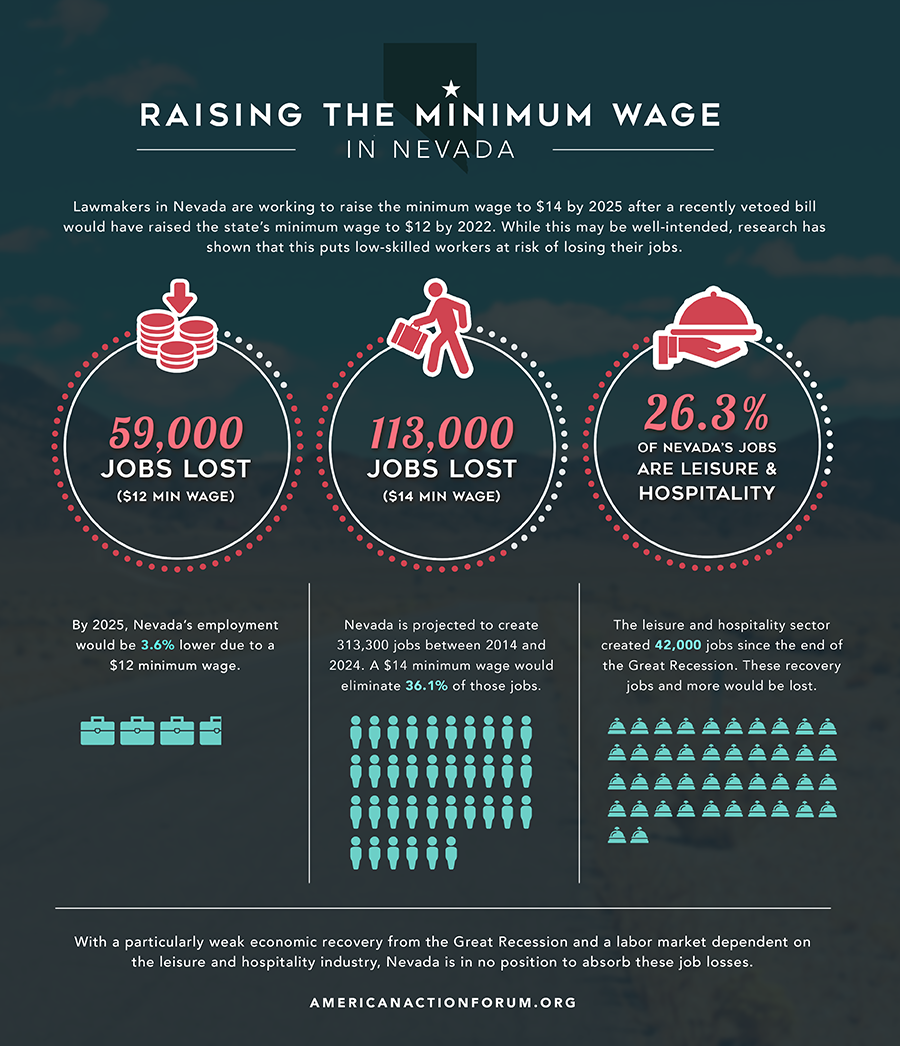
Looking ahead, the path to a higher minimum wage is clearly defined. The state has committed to a progressive increase, aiming to reach a universal minimum wage of $12.00 per hour for all employees by July 1, 2024. This significant benchmark will simplify the current two-tier system, creating a more uniform wage standard across the state. The transition reflects ongoing efforts to ensure a living wage for all workers, which is particularly relevant in areas with a higher cost of living, such as Las Vegas and the Lake Tahoe region.
These annual adjustments and future projections are vital for both businesses and employees. Businesses, especially in the highly competitive tourism and hospitality sectors, must factor these rising labor costs into their operational budgets, potentially influencing pricing strategies for accommodation, dining, and entertainment. For employees, these increases represent a potential for improved financial stability and purchasing power, which can, in turn, stimulate local economies. For tourists, an understanding of these economic shifts can offer insight into the quality of service, as fair wages often correlate with employee morale and retention, ultimately enhancing the overall travel experience.
The Economic Tapestry: Minimum Wage and Nevada’s Tourism & Hospitality Sector
The vibrant economy of Nevada is inextricably linked to its booming tourism and hospitality sectors. From the iconic resorts on the Las Vegas Strip to the charming bed and breakfasts in Carson City and the rustic lodges near Great Basin National Park, every corner of the state thrives on welcoming visitors. The minimum wage, therefore, isn’t just a regulatory figure; it’s a fundamental thread in the economic tapestry that supports millions of travelers and residents. It influences everything from labor costs for businesses to the quality of service guests receive, and even the overall vibrancy of local culture and activities.
Impact on Hotels, Resorts, and Accommodation Providers
Hotels, resorts, and various accommodation providers are the lifeblood of Nevada’s tourism industry. From the colossal properties like Bellagio, MGM Grand, and Caesars Palace in Las Vegas to boutique hotels in Reno and luxury cabins by Lake Tahoe, these establishments are significant employers of minimum wage workers. Housekeepers, concierges, front desk staff, kitchen porters, and many other vital roles often fall within this wage bracket.
The two-tier minimum wage system in Nevada directly impacts the operational costs of these businesses. Employers providing health benefits, and thus qualifying for the lower minimum wage tier, might see a slight cost advantage compared to those who do not. However, as the minimum wage steadily rises, particularly with the upcoming move to a universal $12.00 per hour, accommodation providers face increasing labor expenses.
This can lead to several business decisions:
- Pricing Adjustments: Hotels and resorts may need to adjust room rates, resort fees, or service charges to absorb rising labor costs. This could subtly affect the overall cost of a traveler’s stay.
- Operational Efficiencies: Businesses might invest in technology to streamline operations, such as automated check-in kiosks or robotic cleaning services, to mitigate the impact of higher wages.
- Staffing Levels: Decisions regarding the number of staff employed, particularly during off-peak seasons, may be influenced by wage increases.
- Talent Attraction and Retention: A competitive wage, especially with benefits, is crucial for attracting and retaining skilled employees in a demanding industry. High turnover can significantly impact service quality, so retaining experienced staff is a priority, even with higher wage costs.

Ultimately, the minimum wage is a balancing act. While it adds to business expenses, a fairly compensated workforce is often a more motivated and productive one, which can translate into better guest experiences and a stronger industry reputation for Nevada’s hospitality sector.
Shaping the Traveler’s Experience: From Service to Spend
For travelers exploring the diverse attractions of Nevada, the minimum wage might seem like a distant policy detail, but its effects are subtly woven into the fabric of their experience. The cost of labor is a component in the pricing of almost every service encountered: from the cost of a guided tour of the Hoover Dam or Red Rock Canyon National Conservation Area, to the price of a meal at a Las Vegas restaurant or a souvenir in Virginia City.
Moreover, the minimum wage directly influences the quality of service. When employees are paid a fairer wage and offered benefits, they tend to be more engaged, professional, and content in their roles. This often translates to:
- Improved Service Quality: Happier employees are more likely to provide exceptional service, enhancing a visitor’s enjoyment of their stay. From a friendly hotel front desk agent to an attentive server, a positive employee experience often correlates with a positive guest experience.
- Reduced Turnover: Lower employee turnover means more experienced staff, who are more knowledgeable about their roles and the destination, offering better recommendations and more efficient service.
- Tipping Culture: While tips are a significant part of compensation for many service workers in Nevada, particularly in casinos and restaurants, a higher base minimum wage can provide a more stable income, reducing complete reliance on gratuities and potentially enhancing service consistency.
For budget-conscious travelers, understanding that labor costs contribute to the overall price of travel services can help manage expectations. While certain experiences in Nevada might seem pricier, this often reflects the underlying costs of providing high-quality service, ensuring that the destination remains a premier travel choice for all types of lifestyles – from luxury escapades at the Venetian Resort Las Vegas to adventurous budget trips exploring the Valley of Fire State Park.
Navigating the Cost of Living in Nevada’s Iconic Destinations
Nevada is a state of stark contrasts, both geographically and economically. While the dazzle of its major cities draws global attention, the cost of living varies significantly across its diverse regions. Understanding how the minimum wage interacts with these differing costs is crucial for residents and for travelers considering longer stays or lifestyle changes in the Silver State. The affordability of accommodation, dining, and daily essentials directly impacts the quality of life for workers and the overall visitor experience.
Las Vegas: The Entertainment Capital’s Economic Reality
Las Vegas, often hailed as the “Entertainment Capital of the World,” presents a unique economic landscape. With its massive tourism infrastructure, including sprawling casinos, luxury resorts, and endless entertainment options, it’s a magnet for both high-rollers and minimum wage workers. For the hundreds of thousands employed in the hospitality and service industries here, the minimum wage, even at the higher tier, can be a tight squeeze against the city’s relatively high cost of living.
- Accommodation Costs: Housing, whether renting an apartment in Henderson or a house closer to the Strip, is a significant expense. While not as exorbitant as some California cities, Las Vegas real estate demands a substantial portion of a minimum wage earner’s income.
- Transportation: While public transport options exist, many rely on personal vehicles, adding costs for fuel, insurance, and maintenance.
- Daily Expenses: Groceries, utilities, and other essentials, while potentially lower than in some major coastal cities, still require careful budgeting.
For someone earning the higher tier minimum wage (e.g., $11.25/hour as of July 2023) and working full-time, their gross monthly income would be approximately $1,800. After taxes and without health benefits, this can be challenging to manage in an urban environment like Las Vegas. This reality underscores the importance of the upcoming wage increases and the supplementary income many service industry workers receive through tips, particularly in high-traffic tourist areas and at venues like the Fremont Street Experience.
Reno and Beyond: Diverse Economic Landscapes
Moving north to Reno, the “Biggest Little City in the World,” or exploring smaller towns like Carson City, Laughlin, Elko, or the remote areas near Lake Tahoe, the economic picture changes. While Reno also has a robust tourism and gaming sector, its cost of living can sometimes be more manageable than Las Vegas, though areas around Lake Tahoe can be exceptionally expensive.
- Regional Variations: In rural parts of Nevada, such as Pahrump or Fallon, the cost of living is generally lower. This means that the minimum wage, while still a baseline, might stretch further, providing a more comfortable lifestyle for residents. However, job opportunities might be fewer, and amenities less abundant compared to urban centers.
- Specific Industries: Beyond tourism, other industries like mining (prevalent in areas like Elko) or technology (growing in Reno) offer different wage structures and often higher median incomes.
- Outdoor Lifestyle: Many residents in areas like Reno and around Lake Tahoe embrace an outdoor-centric lifestyle, with easy access to hiking on Mount Charleston, skiing, and water sports. The ability to enjoy these natural amenities, often at little to no cost, contributes to the overall perceived value of living in these regions, even on a minimum wage.
For travelers, these regional differences translate into varying costs for accommodation and activities. A budget trip exploring ghost towns like Goldfield or natural wonders near Lake Mead National Recreation Area might be more affordable than a luxury stay on the Las Vegas Strip. Understanding the baseline wage provides a framework for comprehending the local economic pressures and the pricing you encounter during your Nevada adventures.
Lifestyle and Labor: How Minimum Wage Shapes Lives and Livelihoods
The minimum wage in Nevada isn’t just an economic statistic; it profoundly impacts the daily lives and long-term aspirations of thousands of people. In a state so reliant on its service industry, the interplay between wages, cost of living, and quality of life is a constant conversation. This dynamic affects both the individuals working tirelessly behind the scenes of every great Nevada experience and the businesses striving to remain competitive and deliver exceptional service. It shapes the very essence of the “Nevadan lifestyle,” from how families manage their budgets to how major resorts attract their workforce.
Employee Perspectives: Balancing Work and Life in a Tourist Hub
For employees earning the minimum wage in Nevada, particularly in bustling tourist centers like Las Vegas or the Lake Tahoe area, balancing work and life presents unique challenges and opportunities. These individuals are the friendly faces at hotel check-ins, the diligent housekeepers ensuring pristine rooms, the dedicated staff in restaurants, and the critical support behind the scenes of world-class entertainment.
- Financial Strain: Despite the minimum wage increases, the cost of living in popular areas can still lead to financial strain. Many minimum wage earners hold multiple jobs or rely heavily on tips to make ends meet, especially if they are not offered health benefits. This constant hustle can limit time for leisure, family, and personal development.
- Access to Benefits: The two-tier system highlights the significant impact of health benefits. Employees with employer-provided benefits gain crucial financial security, reducing out-of-pocket medical costs that can be devastating on a minimum wage income. Those without benefits face greater vulnerability.
- Diverse Workforce: Nevada’s service industry attracts a diverse workforce, including students, retirees, and individuals from various backgrounds seeking entry-level opportunities. For many, a minimum wage job is a stepping stone, while for others, it’s a primary source of income requiring careful financial management.
- Community and Culture: Despite the challenges, many find a strong sense of community within the hospitality sector. The fast-paced, dynamic environment, especially in Las Vegas, fosters a unique work culture where individuals are part of creating memorable experiences for millions. This sense of contribution and the vibrant social scene can be a significant draw.
For lifestyle travelers, understanding the economic realities of these workers can deepen their appreciation for the service received. Acknowledging the effort and dedication behind every smooth operation, from a clean hotel room to an efficient airport experience, adds another layer to the travel narrative, encouraging respectful interactions and fair tipping practices.
For Businesses: Attracting and Retaining Talent
For businesses across Nevada, from luxury resorts and expansive casinos to local diners and independent tour operators, the minimum wage is a critical factor in human resources and operational strategy. Attracting and retaining talent is paramount, especially in a state with a perpetually booming visitor economy.
- Competitive Edge: Offering wages above the state minimum, or providing comprehensive health benefits, can be a significant competitive advantage in attracting higher-quality applicants and reducing employee turnover. In a market where good service is king, retaining experienced staff is invaluable.
- Operational Costs: Rising minimum wages directly impact labor budgets. Businesses must continuously evaluate their pricing strategies and operational efficiencies. This could mean adopting new technologies, optimizing scheduling, or strategically investing in employee training to boost productivity.
- Reputation and Brand Image: How a business treats its employees, including its wage and benefits structure, contributes to its public image. Businesses known for fair labor practices often enjoy better public perception and customer loyalty, which is crucial in the travel and tourism industry where reviews and reputation heavily influence booking decisions.
- Economic Contribution: Businesses that pay a living wage contribute to a healthier local economy. When employees have more disposable income, they spend more locally, supporting other businesses and services within their communities, from Boulder City to Mesquite and beyond. This creates a positive feedback loop that benefits the entire state.
The continuous evolution of Nevada’s minimum wage policy reflects a broader commitment to economic stability and worker welfare. For those of us who travel, explore, and experience the richness of Nevada, understanding this fundamental economic aspect provides deeper insight into the vibrant communities and dedicated individuals who make this extraordinary destination truly shine. Whether you’re planning a thrilling adventure to the Grand Canyon (accessible from Nevada) or a serene escape to the Black Rock Desert for Burning Man, the minimum wage remains an essential part of the story, shaping the experiences of both the hosts and their cherished guests.
LifeOutOfTheBox is a participant in the Amazon Services LLC Associates Program, an affiliate advertising program designed to provide a means for sites to earn advertising fees by advertising and linking to Amazon.com. Amazon, the Amazon logo, AmazonSupply, and the AmazonSupply logo are trademarks of Amazon.com, Inc. or its affiliates. As an Amazon Associate we earn affiliate commissions from qualifying purchases.