
When the question “What time is Oregon?” arises, it often carries a dual meaning for the discerning traveler. Beyond the literal clock face, it delves into the optimal moments to experience the Beaver State’s diverse landscapes, vibrant cities, and unique cultural tapestry. Oregon is a land of stunning contrasts, where rugged Pacific coastline meets ancient forests, arid high deserts give way to lush wine country, and bustling urban centers thrive alongside tranquil mountain retreats. For anyone planning a journey, understanding both its temporal and seasonal rhythm is key to unlocking an unforgettable adventure.
This comprehensive guide aims to clarify Oregon’s place on the global clock while also exploring the opportune times of year to delve into its myriad attractions. Whether you’re seeking a serene escape in a luxurious resort, an active adventure through its iconic landmarks, or an immersive dive into local tourism and lifestyle, knowing “what time is Oregon?” will be your first step in crafting the perfect itinerary. We’ll explore everything from booking the ideal accommodation to savoring Oregon’s distinctive culinary scene, ensuring your travel experience is seamless and richly rewarding.

Unraveling Oregon’s Time Zone: Practicalities for Travelers
Before we embark on a seasonal exploration of Oregon’s wonders, let’s address the most literal interpretation of our question: what time zone does Oregon observe?
PST / PDT: The Standard for the Beaver State
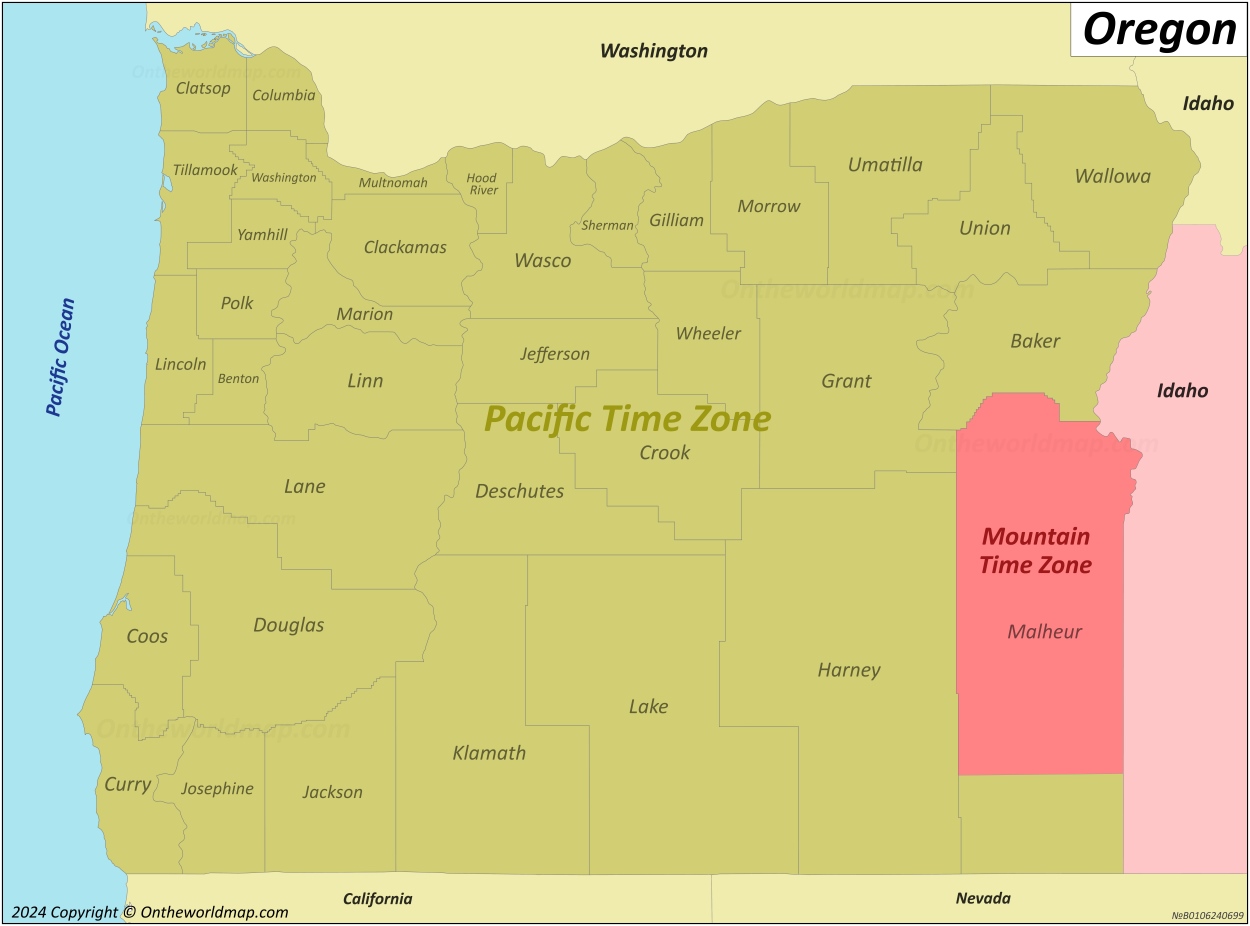
The vast majority of Oregon operates within the Pacific Time Zone. This means during standard time, it observes Pacific Standard Time (PST), which is UTC-8 (eight hours behind Coordinated Universal Time). When Daylight Saving Time is in effect, typically from mid-March to early November, Oregon switches to Pacific Daylight Time (PDT), which is UTC-7 (seven hours behind Coordinated Universal Time).
There’s a small, notable exception: a portion of Malheur County in southeastern Oregon, particularly the town of Ontario and surrounding areas, observes Mountain Time due to its proximity to Idaho. However, for most visitors traveling to major cities like Portland, exploring the Oregon Coast, or venturing into the Willamette Valley, Pacific Time will be the standard to keep in mind.
Planning Your Arrival: Bridging the Time Gap
Understanding Oregon’s time zone is crucial for seamless travel planning. For international visitors or those arriving from the East Coast of the United States, a significant time difference means factoring in potential jet lag. When booking flights, tours, and accommodation, always double-check the local times. Many modern travel apps and devices automatically adjust, but a manual confirmation can prevent missed reservations or early awakenings. Coordinating with local guides or hotel staff will be straightforward once you’re aware of the time difference. This awareness is particularly important for business travelers or those with scheduled online meetings, ensuring no critical appointments are missed.
What Time of Year is Oregon’s Best? A Seasonal Travel Guide
Beyond the clock, “what time is Oregon?” speaks to the best season to visit. Each quarter of the year unveils a distinctly different facet of the state, offering unique attractions and experiences. Your ideal time to visit will largely depend on your interests, whether they lean towards outdoor adventures, culinary exploration, or cultural immersion.
Spring’s Awakening: Wildflowers and Waterfalls (March – May)
As winter’s chill recedes, Oregon awakens with a vibrant burst of color and renewed energy. Spring, from March through May, is an enchanting time, particularly for nature lovers. The lush Willamette Valley and Columbia River Gorge burst into life with an incredible display of wildflowers. Trails that were once dormant now invite hikers to witness nature’s spectacle. This is also prime time for waterfall viewing; the winter snowmelt swells the cascades, making iconic sites like Multnomah Falls particularly impressive.
Cities like Portland come alive with burgeoning food cart scenes and farmers’ markets, showcasing fresh spring produce. Accommodation options, from boutique hotels in urban centers to charming bed-and-breakfasts in the wine regions, often see slightly lower prices and fewer crowds than in peak summer. This season is ideal for those seeking beauty, tranquility, and a taste of Oregon’s natural splendor before the summer rush.
Summer’s Peak: Coastal Escapes and Mountain Adventures (June – August)
Summer (June to August) is undeniably Oregon’s high season, drawing visitors with its reliably warm, sunny weather and a plethora of outdoor activities. The Oregon Coast beckons with its dramatic cliffs, pristine beaches, and charming towns like Cannon Beach, where Haystack Rock stands sentinel. While temperatures are pleasant, visitors should be prepared for cooler coastal breezes and occasional fog, part of the Oregonian charm.
Inland, the Cascades and Mount Hood offer unparalleled opportunities for hiking, mountain biking, and camping. Crater Lake National Park, with its impossibly blue waters, is fully accessible and a must-visit. Central Oregon, centered around Bend, becomes a hub for craft beer enthusiasts and adventure seekers. Due to high demand, securing hotel rooms, resort stays, or vacation rentals well in advance is essential, especially for popular destinations and luxury accommodations.
Autumn’s Embrace: Vineyard Vibrancy and Fall Foliage (September – November)
As summer crowds thin, autumn (September to November) unveils a magnificent transformation across Oregon’s landscapes, making it a favorite time for many visitors. The fall foliage is spectacular, particularly in the Columbia River Gorge and throughout the Willamette Valley, where vibrant hues of red, orange, and gold paint the hillsides.
This season is synonymous with Oregon’s wine industry. The Willamette Valley, renowned for its Pinot Noir, is abuzz with harvest festivals and wine-tasting events. Many wineries offer special tours and experiences, providing a deep dive into the local culture and gastronomy. Farm-to-table restaurants highlight seasonal produce, making it an excellent time for food tourism. Accommodation often becomes more readily available and sometimes at better rates than in summer, offering a more relaxed yet equally enriching travel experience.
Winter’s Wonderland: Ski Slopes and Cozy Retreats (December – February)
Winter (December to February) in Oregon offers a unique charm, especially for those who embrace the colder months. The Cascade Mountains, including Mount Hood, transform into a winter wonderland, attracting skiers and snowboarders to world-class resorts like Timberline Lodge and Mount Bachelor.
For those preferring a warmer experience, the Oregon Coast offers dramatic storm watching, where powerful waves crash against the shore, best enjoyed from the warmth of a cozy coastal hotel or vacation rental with ocean views. Cities like Portland and Ashland host holiday markets, theater productions, and a vibrant indoor culinary scene. This season is perfect for a romantic getaway or a family trip focused on winter sports and cozy retreats. Many accommodations offer special winter packages, providing excellent value for a serene escape.
Iconic Oregon Destinations: Where to Spend Your Time
Regardless of the time of year, Oregon boasts a collection of must-visit destinations that cater to every travel style.
Portland: The Urban Heartbeat of Oregon
Portland is more than just Oregon’s largest city; it’s a vibrant hub of culture, culinary innovation, and quirky charm. Known for its thriving food scene (especially its legendary food trucks and craft breweries), coffee culture, and independent spirit, Portland offers a rich urban experience. Visitors can explore the International Rose Test Garden, wander through Powell’s City of Books, or delve into the city’s diverse neighborhoods, each with its own unique character. From luxury hotels to boutique apartments and budget-friendly hostels, Portland offers a wide array of accommodation options suitable for any lifestyle or budget. It serves as an excellent base for day trips to the Columbia River Gorge or the Willamette Valley.
The Majestic Oregon Coast: From Cannon Beach to Crater Lake
The Oregon Coast stretches over 360 miles, offering breathtaking vistas, dramatic rock formations, and charming seaside towns. Cannon Beach is iconic, home to the magnificent Haystack Rock and a vibrant arts scene. Further south, towns like Newport offer excellent aquariums and fresh seafood, while Astoria boasts rich maritime history. Beyond the coast, the crown jewel of Oregon’s natural landmarks is Crater Lake National Park, the deepest lake in the United States, formed in the caldera of an ancient volcano. Its pristine blue waters are a sight to behold, especially during summer when the entire Rim Drive is accessible. Accommodation along the coast ranges from quaint oceanfront motels and boutique inns to luxury resorts offering stunning views, perfect for a rejuvenating escape.
Willamette Valley: A Toast to Oregon Wine Country
For connoisseurs of fine wine and pastoral beauty, the Willamette Valley is Oregon’s answer to Napa Valley. This verdant region, nestled between the Oregon Coast Range and the Cascade Mountains, is internationally acclaimed for its Pinot Noir production, home to hundreds of wineries. Beyond wine tasting, the valley offers charming small towns like McMinnville and Dundee, excellent farm-to-table dining experiences, and picturesque drives through rolling vineyards. Many wineries also provide on-site accommodation, from cozy suites to full villas, allowing guests to fully immerse themselves in the wine country lifestyle. It’s a destination that epitomizes sophisticated tourism and relaxed luxury travel.
Central Oregon’s Allure: Bend and the Cascades
Central Oregon, particularly the vibrant city of Bend, is an outdoor enthusiast’s paradise. Flanked by the majestic Cascade Mountains and the High Desert, Bend offers year-round activities from skiing and snowboarding on Mount Bachelor to hiking, rafting, and mountain biking along the Deschutes River in warmer months. The city itself is famous for its burgeoning craft brewery scene and a relaxed, active lifestyle. Accommodation ranges from large resorts with extensive amenities to cozy vacation rentals perfect for family trips or adventure travel. It’s a testament to Oregon’s diverse landscape, offering a completely different flavor of tourism than the coast or wine country.
Crafting Your Oregon Experience: Accommodation, Lifestyle, and Local Flavors
To truly answer “what time is Oregon?” for your personal travel narrative, it’s essential to consider the fabric of its tourism industry and the unique lifestyle it offers.
Beyond the Clock: Diverse Accommodation Options
Oregon’s commitment to providing memorable travel experiences is reflected in its vast array of accommodation options. Whether you’re planning a luxury escape, a budget-friendly adventure, or a comfortable family trip, the state caters to every preference. You can find everything from opulent five-star hotels in Portland to charming boutique inns nestled in the Willamette Valley wine region.
For those seeking a closer connection to nature, eco-lodges and cabin rentals are abundant, especially near Crater Lake, Mount Hood, and the Oregon Coast. Resorts often come equipped with extensive amenities like spas, golf courses, and fine dining, perfect for a relaxing retreat. For longer stays or a more independent experience, fully equipped apartments and villas are popular choices, offering the comforts of home. Utilizing booking platforms and checking reviews will help in comparing options and securing the best fit for your travel style and desired amenities.
Embracing the Oregon Lifestyle: Culinary Delights and Outdoor Pursuits
The true essence of “What time is Oregon?” lies in experiencing its unique lifestyle. It’s a place where a profound appreciation for nature seamlessly blends with a vibrant, innovative culture. Oregonians are known for their love of the outdoors, from hiking and biking to skiing and surfing. This active lifestyle is complemented by a rich culinary scene that emphasizes fresh, local, and sustainable ingredients.
Food tourism in Oregon is a journey in itself, from the farm-to-table ethos dominating its fine dining establishments to the inventive food carts that define Portland’s urban landscape. The state is a pioneer in the craft beer movement and boasts a world-class coffee culture. Engaging with local communities, exploring farmers’ markets, and participating in regional festivals offer authentic insights into Oregon’s spirit. Tips for travelers include embracing spontaneous exploration, respecting the natural environment, and being open to the unexpected delights that arise when immersing oneself in the local rhythm.
In conclusion, “What time is Oregon?” is a question that invites a multi-layered answer. It’s Pacific Time on the clock, a state that shines brightest in summer for outdoor adventures, bursts with color in spring and fall, and offers serene beauty in winter. But most profoundly, it’s a state perpetually in time for an unforgettable journey, rich with diverse destinations, welcoming accommodations, and an infectious lifestyle that beckons travelers to explore its endless horizons. Your ideal time to visit Oregon is always now, provided you tailor your plans to its magnificent seasonal shifts and unique offerings.
LifeOutOfTheBox is a participant in the Amazon Services LLC Associates Program, an affiliate advertising program designed to provide a means for sites to earn advertising fees by advertising and linking to Amazon.com. Amazon, the Amazon logo, AmazonSupply, and the AmazonSupply logo are trademarks of Amazon.com, Inc. or its affiliates. As an Amazon Associate we earn affiliate commissions from qualifying purchases.