
The allure of Hawaii is undeniable, a vibrant tapestry of pristine beaches, volcanic landscapes, and a rich, captivating culture. Known as the “Aloha State,” this archipelago in the heart of the Pacific Ocean promises an unforgettable escape, whether you’re seeking adventure, relaxation, or cultural immersion. But with its year-round tropical climate, pinpointing the absolute best time to travel to Hawaii can feel like a delightful dilemma. The answer, in truth, depends entirely on your priorities: your budget, preferred activities, tolerance for crowds, and even the specific island you wish to explore. By understanding the nuances of Hawaii’s seasons, both climatically and in terms of tourism, you can strategically plan a trip that perfectly aligns with your dream Hawaiian vacation.
Understanding Hawaii’s Seasons: Weather and Crowds
While Hawaii boasts a consistently warm and inviting climate, it does experience two distinct seasons that influence everything from rainfall to visitor numbers. Understanding these patterns is crucial for optimal planning.
The Dry Season (Summer): May to October
Often considered the most popular time to visit Hawaii, the dry season, running from May to October, offers consistently sunny days and lower humidity. Temperatures during this period typically hover between the mid-70s and mid-80s Fahrenheit (24-29°C). This is the ideal time for classic beach activities like swimming, snorkeling, and sunbathing, as the ocean is generally calm and clear. The islands receive less rainfall, making it perfect for hiking and exploring the numerous natural wonders without the concern of muddy trails or sudden downpours.
However, popularity comes at a price. The dry season coincides with summer breaks in the United States and Canada, leading to higher crowds and increased prices for flights and accommodation. Expect bustling beaches, fully booked tours, and a lively atmosphere across major destinations like Waikiki Beach on Oahu or the scenic shores of Maui. If you don’t mind the crowds and prioritize glorious sunshine for outdoor pursuits, this is an excellent window. Early May and late September/early October, often referred to as shoulder seasons, can offer a sweet spot with pleasant weather and slightly fewer people than the peak summer months of July and August.
The Wet Season (Winter): November to April
Hawaii’s wet season, spanning from November to April, brings cooler temperatures, increased rainfall, and rougher ocean conditions, particularly on the north and east-facing shores of the islands. While it’s dubbed the “wet season,” it doesn’t mean constant rain. Showers are typically brief and localized, often occurring in the mornings or evenings, and sunshine usually follows quickly. The leeward (western and southern) sides of the islands, such as Kona on the Big Island or Lahaina on Maui, tend to remain drier. Temperatures range from the low-70s to low-80s Fahrenheit (21-27°C).
Despite the increased chance of rain, winter is a fantastic time to visit Hawaii for several compelling reasons. The biggest draw is whale watching season, as thousands of humpback whales migrate to Hawaii’s warm waters to calve and mate. The North Shore of Oahu becomes a mecca for big wave surfing, attracting professional surfers and spectators alike to witness the colossal waves. Furthermore, outside of the Christmas and New Year holidays, visitor numbers are generally lower, leading to more affordable prices for flights and hotels, and a more relaxed atmosphere. For those seeking cultural events, this season also hosts several significant festivals.

Seasonal Activities and Events
Hawaii’s diverse climate and rich culture mean there’s always something exciting to do, regardless of when you visit. However, certain times of the year lend themselves better to specific experiences.
Winter Wonders: Whale Watching and Big Waves
From December to May, with peak viewing from January to March, the waters around Maui, the Big Island, and Oahu become prime locations for humpback whale watching. These majestic creatures migrate from Alaska, offering incredible opportunities to spot them breaching, spouting, and tail-slapping. Numerous boat tours depart daily, promising close encounters with these gentle giants.
For adrenaline junkies and surf enthusiasts, winter is synonymous with Hawaii’s legendary big waves. The North Shore of Oahu, home to iconic breaks like Banzai Pipeline and Waimea Bay, transforms into a global surfing hotspot. Witnessing professional surfers tackle waves that can reach 20 to 50 feet high is an unforgettable spectacle. Events like the Eddie Aikau Big Wave Invitational are held only when conditions are right, drawing massive crowds. While the waves are immense on the north shores, the south-facing beaches often remain calm enough for swimming and snorkeling.

Summer Adventures: Ideal for Beach Lovers and Hikers
The dry, sunny days of summer (May to October) are tailor-made for exploring Hawaii’s natural beauty. This is the best time for snorkeling and diving, with crystal-clear waters offering optimal visibility in renowned spots like Hanauma Bay on Oahu or Molokini Crater off Maui. The calmer ocean conditions make it perfect for kayaking, paddleboarding, and learning to surf on gentler waves.
Hiking enthusiasts will find summer to be the ideal season for tackling trails, from the iconic ascent of Diamond Head on Oahu to the lush paths of Waimea Canyon on Kauai, or the volcanic landscapes of Volcanoes National Park on the Big Island. The lower chance of rain means trails are less muddy and views are often unobstructed. Long, sunny days also allow for extended exploration of scenic drives like the famous Road to Hana on Maui.
Cultural Celebrations Year-Round
Hawaii’s rich cultural heritage is celebrated throughout the year with various festivals and events.
- Spring: The Merrie Monarch Festival in Hilo on the Big Island, usually held in April, is a world-renowned week-long hula competition and cultural event, drawing visitors from across the globe.
- Summer: The Maui Film Festival in June showcases independent cinema under the stars, adding a touch of glamour to the island paradise. Local regattas and canoe races are also common.
- Fall: September brings the month-long Aloha Festival to Oahu, a vibrant celebration of Hawaiian culture with parades, street parties, and traditional music and dance.
- Winter: Holiday festivities across the islands offer a unique tropical twist on Christmas and New Year’s celebrations, with special luaus and events.
Regardless of the season, a traditional Hawaiian luau is a must-do experience, offering a feast of local cuisine, music, and hula performances.
Navigating Costs: Accommodation and Flights
The cost of a Hawaiian vacation can vary significantly depending on the time of year. Understanding these fluctuations is key to planning a trip that fits your budget.
Peak Season Premiums: When to Expect Higher Prices
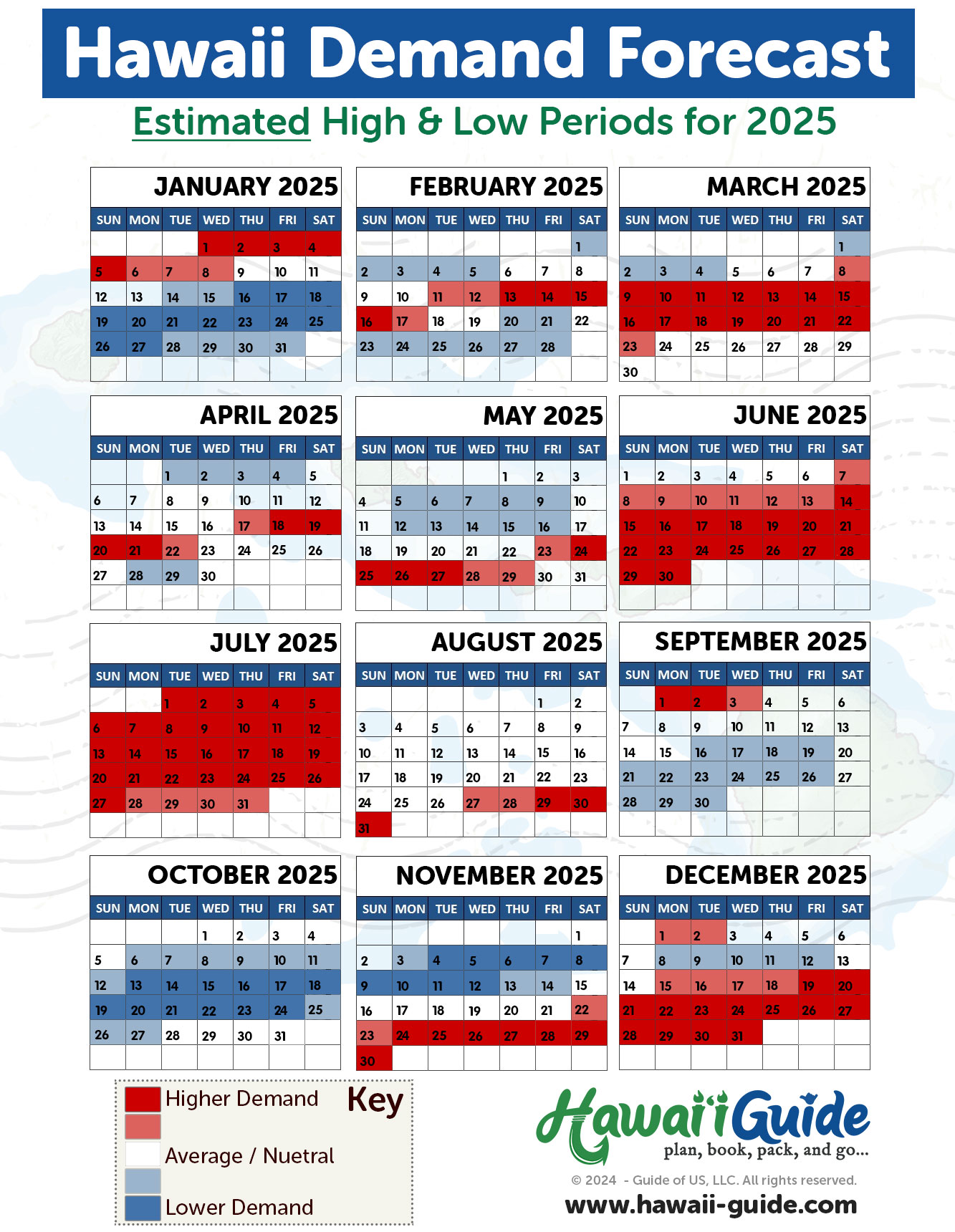
Mid-December to early January (Christmas/New Year’s) and the summer months (June to August) represent Hawaii’s peak travel seasons. During these times, demand for flights, hotels, and car rentals soars, leading to substantially higher prices. Many luxury resorts like the Four Seasons Resort Maui at Wailea or the Grand Hyatt Kauai Resort & Spa will be at their highest rates, and even budget-friendly options will see price hikes. Booking well in advance (6-12 months for holiday periods) is essential to secure preferred accommodation and potentially mitigate some of the cost increases. Availability can also be a major issue during these times, especially for popular family-friendly resorts like the Hilton Hawaiian Village Waikiki Beach Resort.
Finding Deals: The Shoulder Seasons
For travelers looking to experience Hawaii without breaking the bank, the shoulder seasons offer the best value. These typically fall in late April to May and September to early November. During these periods, the weather is still largely beautiful, with plenty of sunshine and comfortable temperatures, but the major holiday crowds have dissipated. You’ll find lower prices on flights and accommodation, making it an ideal time for budget-conscious travelers or those seeking a more serene experience.
January, after the New Year’s rush, can also present good deals, though you’ll be firmly in the wet season. March and early April can also be good options before the Easter and spring break crowds pick up. Flexibility with your travel dates, especially avoiding weekends, can further help in finding more affordable options. Booking directly with hotels or using comparison sites during these periods often reveals significant savings.
Tailoring Your Trip: Best Time for Every Traveler
The “best” time is truly subjective and depends on what kind of experience you envision for your Hawaiian adventure.
For Budget Travelers
May, September, and early October are generally the most affordable months. You’ll avoid the peak summer rush and the holiday surcharges, enjoying pleasant weather, fewer crowds, and lower prices on everything from flights to hotels and activities. The islands are lush from the recent winter rains, but the dry season sunshine is beginning to take hold, offering a beautiful balance.
For Luxury Seekers
If cost is no object, then any time is a good time, but mid-winter (January-March) offers the allure of whale watching and spectacular big wave surfing, along with cooler, breezier evenings perfect for enjoying upscale dining and resort amenities. Alternatively, the peak summer months (July-August) guarantee consistent sunshine for resort-based relaxation and high-end outdoor activities, albeit with more crowds. Luxury resorts like The Ritz-Carlton Kapalua on Maui are exceptional year-round.
For Families
Summer (June to August) is the most popular time for families due to school holidays, offering calm waters ideal for swimming and snorkeling. However, be prepared for higher prices and more crowded attractions. If you have younger children not bound by school schedules, May or September/October offer a better balance of good weather, fewer crowds, and more affordable rates, making for a less stressful and more enjoyable family vacation. Many resorts offer excellent kids’ clubs and family-friendly activities during these shoulder seasons.
For Surfers and Outdoor Enthusiasts
For those chasing the thrill of the waves, winter (November to April) is non-negotiable, particularly for experiencing the legendary swells of Oahu’s North Shore or the impressive waves off Maui. Hikers and general outdoor adventurers will find late spring (May) and early fall (September-October) ideal, offering dry conditions for trails and calm ocean conditions for water sports, without the intense heat or the biggest crowds of mid-summer. Those looking to explore the active Kilauea volcano on the Big Island or witness the sunrise from Haleakala National Park on Maui will find these seasons offer clear skies and comfortable temperatures for early morning excursions.
Essential Tips for Planning Your Hawaiian Getaway
- Book in Advance: Regardless of when you travel, especially if visiting popular islands like Oahu or Maui, booking flights, accommodation, and car rentals several months in advance is always recommended. This is even more crucial for peak seasons.
- Consider Inter-Island Travel: If you plan to visit multiple islands (e.g., Oahu, Maui, Kauai, the Big Island, Molokai, or Lanai), factor in the cost and time for inter-island flights.
- Pack Smart: Hawaii’s climate calls for light clothing, swimwear, and good walking shoes. Even in the dry season, a light rain jacket can be useful, especially if exploring lush, mountainous areas. Sun protection (hat, sunglasses, reef-safe sunscreen) is a must year-round.
- Embrace the Aloha Spirit: Be open to new experiences, respect local customs and the natural environment, and you’ll find your Hawaiian journey even more enriching.
- Stay Informed on Conditions: Check local weather forecasts, surf reports, and park conditions (e.g., for Volcanoes National Park or the Na Pali Coast) closer to your travel dates, as conditions can change.
Ultimately, there’s no truly “bad” time to visit Hawaii. Each season offers a unique charm and set of experiences. By aligning your travel preferences with Hawaii’s seasonal rhythms and diverse offerings, you can ensure your trip to these enchanting islands is nothing short of perfect.
LifeOutOfTheBox is a participant in the Amazon Services LLC Associates Program, an affiliate advertising program designed to provide a means for sites to earn advertising fees by advertising and linking to Amazon.com. Amazon, the Amazon logo, AmazonSupply, and the AmazonSupply logo are trademarks of Amazon.com, Inc. or its affiliates. As an Amazon Associate we earn affiliate commissions from qualifying purchases.