
Understanding the current time in any destination is more than just a trivial detail; it’s a foundational element for seamless travel, efficient business, and an enriching experience. For those planning a trip to Seattle, a vibrant city nestled in the Pacific Northwest of the United States, knowing the local time is paramount. Whether you’re coordinating flight arrivals, booking a suite at a luxurious resort, scheduling business calls, or simply trying to catch the sunset from Kerry Park, having a firm grasp of Seattle’s time zone will enhance every aspect of your visit. This guide delves into the specifics of Seattle’s time, its implications for travelers, and how to harness this knowledge to craft an unforgettable journey through the Emerald City’s diverse attractions and unique lifestyle.
Understanding Seattle’s Temporal Rhythms: PST and PDT
Seattle operates within the Pacific Time Zone, a crucial piece of information for anyone arriving from a different part of the world or even another region of the United States. This zone observes two distinct time settings throughout the year: Pacific Standard Time (PST) and Pacific Daylight Time (PDT). Being aware of which one is in effect during your visit will significantly influence your travel plans.
The Basics: Pacific Standard Time (PST)
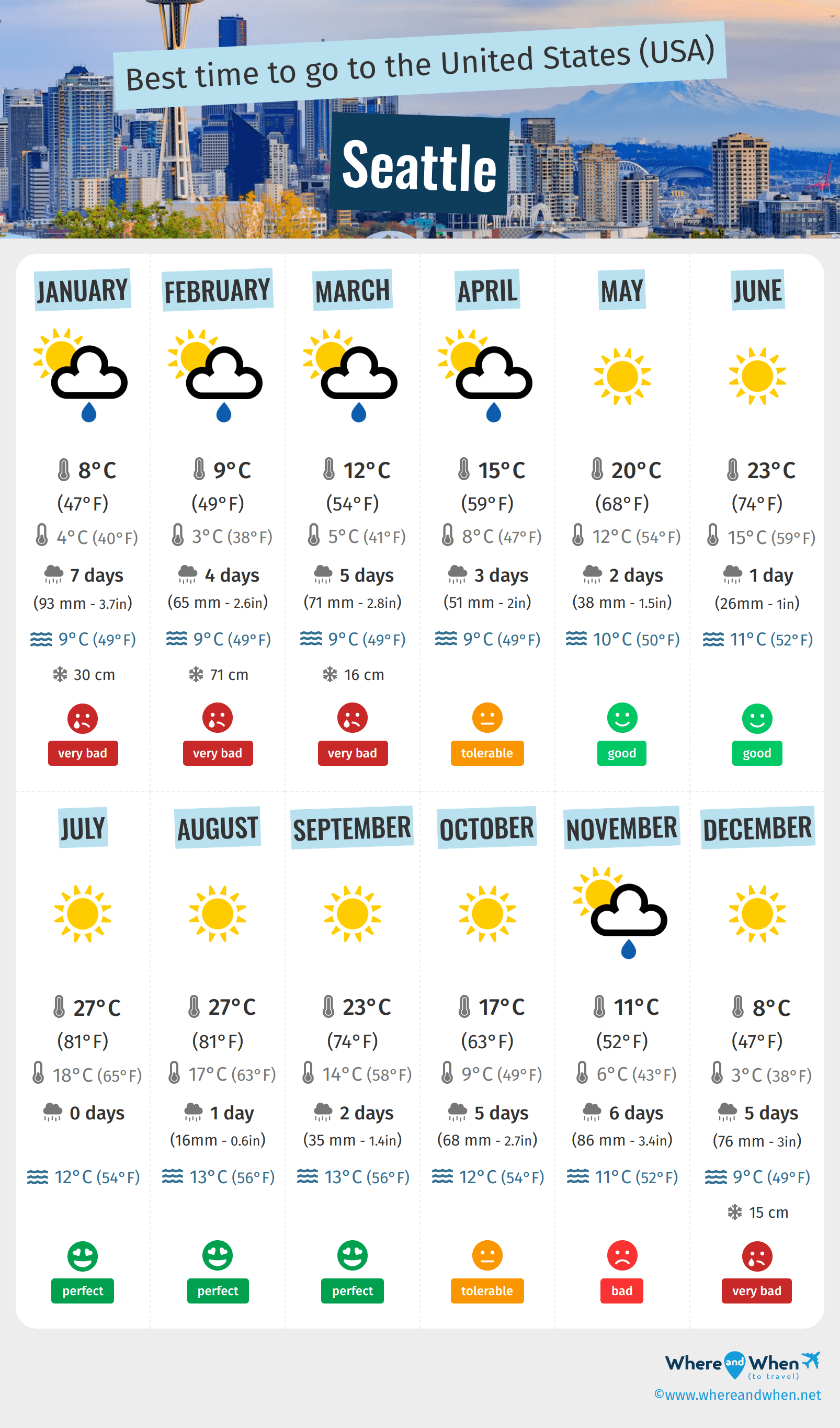
For roughly five months of the year, from early November to mid-March, Seattle adheres to Pacific Standard Time (PST). This is defined as UTC-8, meaning it is eight hours behind Coordinated Universal Time. Geographically, this time zone covers the westernmost states of the continental United States, including most of Washington state, Oregon, California, and Nevada, as well as parts of Canada and Mexico. During these months, the days are shorter, and the sun sets earlier, a characteristic that shapes the city’s winter travel experiences and activities. If you’re planning a trip during this period, understanding that daylight hours are limited will help you prioritize indoor attractions like museums or evening dining experiences, maximizing your cultural immersion despite the shorter days.
Embracing Daylight Saving: Pacific Daylight Time (PDT)
The majority of the year, from mid-March to early November, sees Seattle shifting to Pacific Daylight Time (PDT). This is UTC-7, placing Seattle seven hours behind Coordinated Universal Time. The transition occurs in line with Daylight Saving Time, where clocks are moved forward by one hour to make better use of natural daylight. The purpose of this shift is to extend daylight into the evening, offering more hours of sunshine for outdoor activities after work or school. For tourists, PDT means longer evenings, perfect for exploring landmarks like the Space Needle at dusk, enjoying waterfront strolls, or embarking on day trips to natural wonders without feeling rushed by an early sunset. This extended daylight is particularly beneficial for photography, outdoor dining, and evening cruises, truly allowing visitors to soak in Seattle’s scenic beauty and vibrant atmosphere.
Why Knowing Seattle’s Time Is Crucial for Travelers
For any traveler, understanding the local time zone is a cornerstone of effective planning and a stress-free trip. This is particularly true for Seattle, a global hub for technology, trade, and tourism, drawing visitors from across the globe who are often navigating significant time differences.
Seamless Travel Planning: Flights, Check-ins, and Tours
The primary practical impact of Seattle’s time zone lies in the logistics of your journey. Flights and transportation become far simpler to manage when you’re aware of the time difference. Accurately converting your departure time to Seattle local time will help you anticipate your arrival, ensuring you have ample time for ground transportation to your accommodation. For instance, an early morning flight from the East Coast United States might land in Seattle in the late morning, leaving you the entire afternoon to settle in.
Hotel check-ins and check-outs are also heavily time-dependent. Most hotels, from luxury suites in Downtown Seattle to cozy apartments in Capitol Hill, have standard check-in times, typically in the mid-afternoon. Knowing the local time helps you plan your arrival accordingly or arrange for early check-in or luggage storage if you arrive ahead of schedule. Similarly, coordinating a late check-out or ensuring you depart your villa or resort before the designated time can prevent unnecessary fees.
Furthermore, pre-booked tours, dining reservations, and showtimes are strictly adhered to local time. Missing a ferry to Bainbridge Island or a table at a popular Pike Place Market restaurant because of a time zone miscalculation can be a frustrating setback. By diligently keeping track of Seattle’s current time, you can optimize your itinerary, avoid unnecessary waiting, and ensure you don’t miss out on any of the city’s incredible experiences. It also plays a significant role in managing jet lag, allowing you to gradually adjust your internal clock by aligning with local schedules from day one.
Bridging the Gap: Communication and Business
Beyond personal travel logistics, understanding Seattle’s time is vital for maintaining connections with home and business contacts. If you’re traveling from Europe or Asia, the time difference can be substantial, often requiring careful scheduling for phone calls or video conferences with family, friends, or colleagues. A call that feels like afternoon for you in Seattle could be late night or early morning for your contacts across the globe.
For business travelers or digital nomads, this is even more critical. Seattle’s thriving tech industry means many professionals conduct business with partners on the East Coast or international markets. Understanding when your colleagues are online and available is essential for effective communication, participation in meetings, and closing deals. Remote workers choosing a long-term stay in Seattle might find themselves adapting their workday to accommodate synchronous work with teams in different time zones. Failing to consider this can lead to missed opportunities, miscommunications, and unnecessary stress. Therefore, having a reliable time zone converter at hand and setting your devices to local Seattle time immediately upon arrival are simple yet effective tips for a smooth transition and productive stay.
Crafting Your Seattle Itinerary: A Timely Approach
Effective time management isn’t just about avoiding missed appointments; it’s about maximizing every moment of your Seattle adventure. By integrating time awareness into your itinerary planning, you can unlock more experiences, enjoy local culture more deeply, and ensure a memorable visit.
Accommodations and Booking: Strategic Stays
Choosing the right accommodation is a cornerstone of any travel plan, and in Seattle, your choice of hotel, resort, apartment, or villa can greatly influence your itinerary. When booking, consider your arrival time and how it aligns with check-in policies. Many properties, especially those offering luxury travel experiences, can arrange for early check-in or secure luggage storage, allowing you to start exploring immediately. Conversely, if you have a late departure, understanding local time helps you request a late check-out or plan activities that don’t require you to be burdened with luggage.
Booking in advance is always a smart move, especially during peak seasons when Seattle’s attractions are bustling. Look for accommodations in neighborhoods that align with your planned activities. For instance, staying in Belltown or Downtown Seattle puts you within easy reach of the Space Needle and Pike Place Market, allowing you to maximize morning visits before crowds swell. For budget travel, consider apartments with self-check-in options, which offer flexibility regardless of your arrival time. Reading reviews and comparing amenities, such as 24-hour concierge services or on-site dining, can further refine your choice to suit your time-sensitive needs.

Exploring Seattle’s Iconic Landmarks and Attractions
Seattle is home to an array of famous places, each with its own operating hours and peak times. Your daily schedule should revolve around these.
- The Space Needle offers breathtaking views, and timing your visit for early morning or late evening can provide stunning photo opportunities and shorter lines.
- Pike Place Market truly comes alive in the mornings, but many shops and vendors have specific hours, so check ahead if there’s a particular stall you want to visit.
- Attractions like Chihuly Garden and Glass, the Museum of Pop Culture (MoPOP), the Seattle Aquarium, and the Woodland Park Zoo typically open in the mid-morning and close in the late afternoon or early evening. Planning consecutive visits to nearby attractions, like the Seattle Center cluster (Space Needle, MoPOP, Chihuly), can save travel time and make the most of your day.
- Don’t forget the Washington State Ferries. These are not just transportation but an attraction in themselves, offering scenic excursions to nearby islands. Their schedules are strict and vary by season, so consulting the timetable well in advance is essential for a smooth experience.
Consider the interplay of daylight hours, especially if you’re visiting during PST when days are shorter. Prioritize outdoor nature-based activities in the earlier hours and save indoor, history, or architecture-focused explorations for the afternoon and evening.
Dining, Entertainment, and Local Lifestyle
Seattle’s culinary scene and vibrant nightlife also demand time awareness. Restaurants have distinct opening and closing times, with popular spots often requiring reservations, especially for dinner. Happy hour specials are usually time-sensitive, often concluding before the main dinner rush. The city is renowned for its coffee culture, and finding the perfect cafe to start your day is a quintessential Seattle experience, with most opening early morning.
For evening entertainment, whether it’s a concert in Belltown, a play in Pioneer Square, or live music in Fremont, knowing the start times is critical. Seattle’s lifestyle, while energetic, can also feel more relaxed than some East Coast cities, with many establishments closing earlier than you might expect in, say, New York. Embracing the local culture means aligning with its pace, enjoying leisurely brunches, exploring neighborhood markets, and perhaps an early evening stroll along the waterfront before a relaxed dinner. From luxury dining experiences to budget-friendly food trucks, understanding the ebb and flow of daily life ensures you don’t miss out on any of the city’s culinary or cultural treasures.
Maximizing Your Visit: Beyond the Clock
While adherence to local time is crucial, truly maximizing your Seattle visit involves strategic planning that goes beyond merely knowing the current hour. It encompasses preparing your body for time zone changes and leveraging the city’s unique natural surroundings.
Embracing the Outdoors: Day Trips and Nature
Seattle’s natural beauty is unparalleled, with stunning landscapes just a short drive away. Planning day trips to natural landmarks like Mount Rainier National Park or Olympic National Park requires careful time management. These destinations are often a few hours’ drive from the city, meaning early starts are essential to make the most of daylight hours for hiking, scenic drives, or wildlife viewing. Consider the time it takes to travel, the hours of operation for visitor centers, and the seasonal variations in weather and trail conditions. A common tip for exploring these areas is to pack essentials for a full day, including food and water, to avoid delays searching for amenities. Whether it’s a family trip or an adventurous solo expedition, understanding the time commitment for these natural escapes ensures you experience the breathtaking nature of the Pacific Northwest without feeling rushed.
Adapting to Your New Time Zone
One of the most common challenges for travelers crossing multiple time zones is jet lag. While there’s no magic cure, several tips can help you adapt more smoothly to Seattle’s time.
- Adjust Gradually: If possible, begin adjusting your sleep schedule a few days before your trip by incrementally shifting your bedtime closer to Seattle time.
- Hydration and Nutrition: Stay well-hydrated before, during, and after your flight. Avoid excessive caffeine and alcohol, which can disrupt sleep patterns.
- Embrace Natural Light: Upon arrival, expose yourself to natural light as much as possible during daylight hours. This helps reset your body’s circadian rhythm. Conversely, minimize bright light exposure in the evenings.
- Stay Active: Engage in light physical activity. A walk around your hotel’s amenities or a stroll through a local park can help combat fatigue.
- Sleep Smart: Try to avoid long naps during the day. If you must nap, keep it short (20-30 minutes) to avoid deeper sleep cycles that can worsen jet lag. Aim to go to bed at a reasonable Seattle bedtime, even if you don’t feel tired.
- Use Technology: Leverage time zone converter apps on your smartphone or smartwatch to quickly check the time difference between Seattle and your home. Set alarms for key activities in local time to keep yourself on track.
By proactively managing your body’s adjustment, you’ll be better equipped to enjoy every moment of your travel experiences in Seattle, from its bustling urban centers to its serene natural escapes. Whether you’re planning a short business stay or a longer family vacation, these tips will contribute to a more energetic and fulfilling journey.
In conclusion, while the question “What is the current time in Seattle?” might seem straightforward, its implications for travel, tourism, and lifestyle are profound. Understanding the difference between Pacific Standard Time and Pacific Daylight Time, and how this influences everything from booking accommodations to exploring famous landmarks, is key to an optimized and enjoyable trip. By integrating this knowledge into your planning, you can navigate Seattle’s vibrant offerings with confidence, ensuring a seamless journey filled with unforgettable memories.
LifeOutOfTheBox is a participant in the Amazon Services LLC Associates Program, an affiliate advertising program designed to provide a means for sites to earn advertising fees by advertising and linking to Amazon.com. Amazon, the Amazon logo, AmazonSupply, and the AmazonSupply logo are trademarks of Amazon.com, Inc. or its affiliates. As an Amazon Associate we earn affiliate commissions from qualifying purchases.