
Texas, the second-largest state in the United States, is a land of vast landscapes, vibrant cities, and unparalleled experiences. From the arid beauty of Big Bend National Park to the sandy shores of Padre Island National Seashore, the bustling metropolitan hubs of Houston and Dallas, and the rich historical tapestry of San Antonio, the Lone Star State beckons explorers. While public transportation options exist in major urban centers, truly discovering the heart and soul of Texas necessitates the freedom of personal mobility. For residents, long-term visitors, or those planning an extended stay, obtaining a Texas driver’s license isn’t just a bureaucratic step; it’s your passport to unlocking an authentic and expansive Texas lifestyle.
This comprehensive guide will walk you through everything you need to know about acquiring a Texas driver’s license. Whether you’re a new resident eager to explore the Hill Country wineries, an international traveler seeking to immerse yourself in local culture beyond city limits, or simply looking to enhance your daily life with the convenience of driving, understanding this process is crucial. A Texas driver’s license is more than just a permit to drive; it serves as a primary form of identification, essential for everything from booking accommodation to enjoying local attractions and even establishing residency-related services. Let’s embark on this journey to empower your Texas adventures.
Unlocking the Lone Star State: Why a Texas Driver’s License is Your Ultimate Travel Pass
Texas’s immense size is not just a statistic; it’s a fundamental aspect of its charm and challenge. Spanning over 268,000 square miles, the state boasts incredibly diverse landscapes, from pine forests in the east to deserts in the west, and vibrant Gulf Coast beaches. While major cities like Austin, Houston, and Dallas offer robust cultural scenes, world-class dining, and exciting entertainment, many of the state’s most captivating experiences lie off the beaten path. Imagine spontaneous road trips to historic small towns like Fredericksburg, exploring the natural wonders of the Big Thicket National Preserve, or chasing sunsets over the vast plains. Without a personal vehicle, these enriching travel opportunities become significantly harder, if not impossible, to access. Relying solely on ride-sharing services or limited public transport can restrict your itinerary and prevent you from truly experiencing the spontaneous joy of Texas exploration.
The Freedom of the Open Road: Enhancing Your Texas Lifestyle
Beyond tourism, a Texas driver’s license is an indispensable tool for daily living and long-term residency. For those considering a permanent move or an extended stay, the ability to drive independently dramatically improves quality of life. Accessing employment opportunities, grocery shopping, running errands, and attending social events all become simpler and more efficient. Furthermore, many residential areas, particularly outside central city cores, are designed with car dependency in mind, making a driver’s license a practical necessity. From a lifestyle perspective, having your own vehicle enables you to choose accommodation freely, allowing you to settle in charming suburban neighborhoods, peaceful rural settings, or even bustling urban districts without being constrained by public transport routes. This freedom extends to weekend getaways, family trips to amusement parks like Six Flags Over Texas, or business travel across the state, ensuring that your Texas experience is not just limited but truly boundless.
Navigating the Essentials: Eligibility and Documentation
Embarking on the journey to obtain a Texas driver’s license begins with understanding the fundamental eligibility requirements and meticulously preparing your documentation. This is often the most critical and time-consuming phase, as any missing or incorrect paperwork can lead to frustrating delays. The Texas Department of Public Safety (DPS), the governing body for driver’s licenses, maintains strict guidelines to ensure the identity and residency of all applicants. Being well-prepared significantly streamlines the application process and sets you up for success.
Who Can Apply for a Texas Driver’s License?
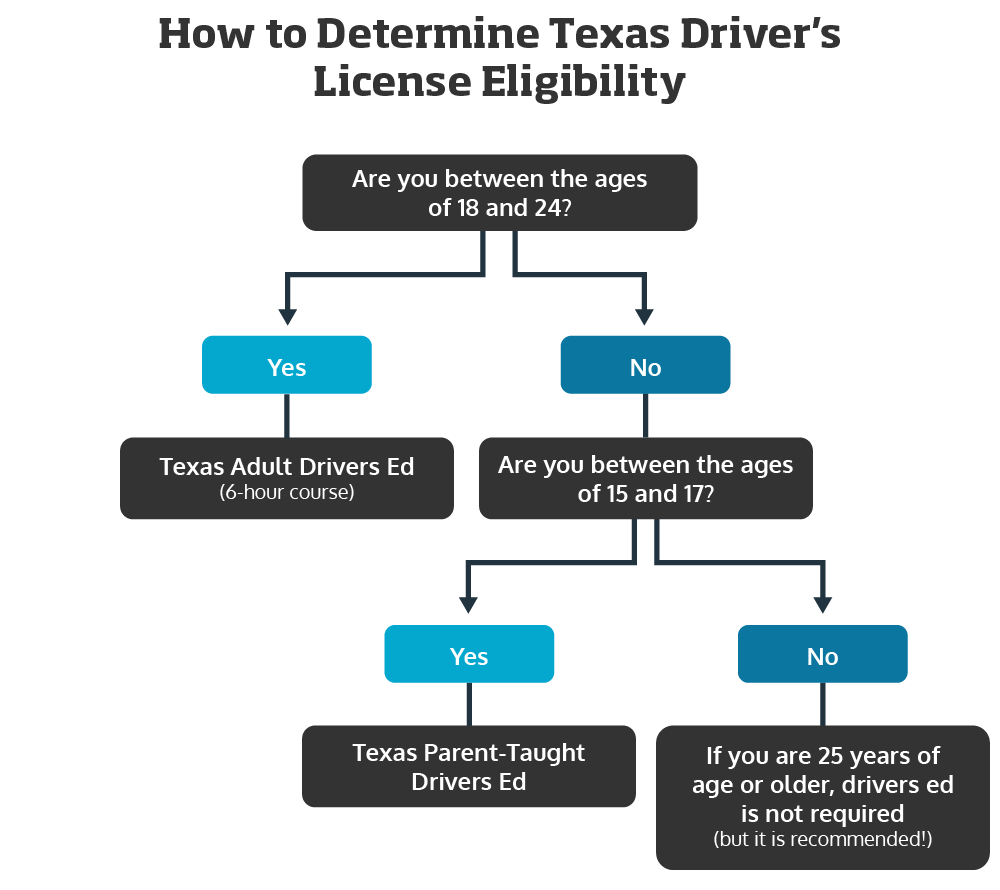
Generally, to apply for a standard Class C driver’s license in Texas, you must meet several key criteria:
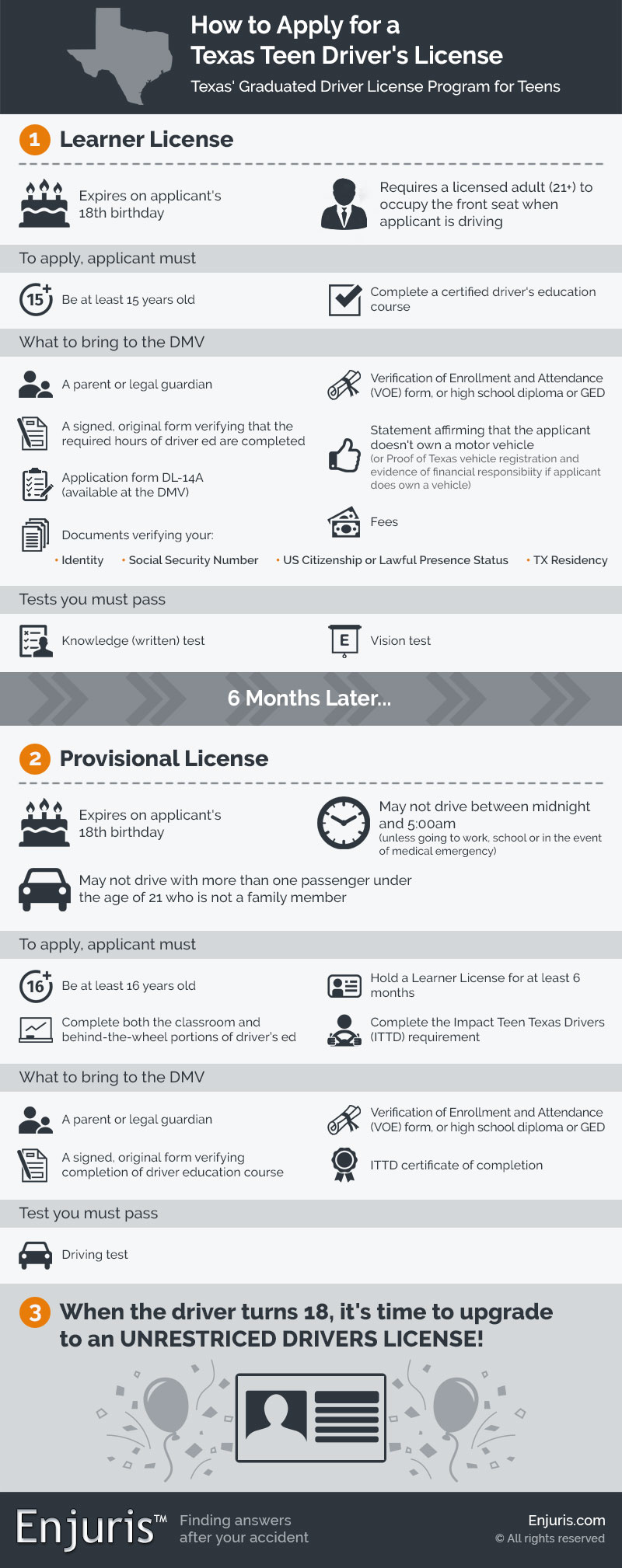
- Age Requirement: You must be at least 16 years old. However, specific graduated driver’s license programs exist for drivers under 18, which involve provisional licenses, driving restrictions, and educational courses. For individuals 18 and older, the process is more direct, assuming all other conditions are met.
- Residency: You must be a legal resident of Texas. This typically means you intend to live in the state and can provide verifiable proof of your Texas address.
- Legal Presence: You must be a U.S. citizen or have lawful presence in the United States. Non-citizens typically need to present valid immigration documents (e.g., green card, visa, employment authorization document) that demonstrate their legal status and a period of authorized stay. If your legal presence expires within 6 months, the DPS may issue a temporary license valid only for the remainder of your authorized stay.
- No Current Suspensions/Revocations: Your driving privileges must not be currently suspended, revoked, or canceled in Texas or any other state or country.
Gathering Your Key Documents
The DPS requires a robust set of documents to prove your identity, residency, and legal presence. It’s highly recommended to bring original documents, as photocopies are rarely accepted. Here’s a breakdown of the typical requirements:
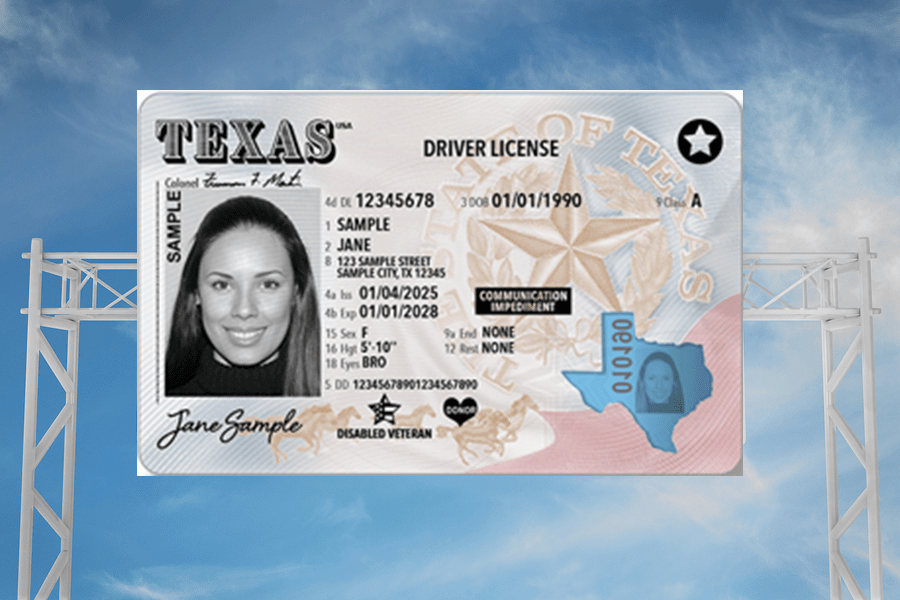
- Proof of Identity: This is paramount. Acceptable documents include:
- U.S. Passport or Passport Card
- U.S. Certificate of Citizenship or Naturalization
- Unexpired foreign passport with a valid U.S. visa and I-94 (if applicable)
- Permanent Resident Card (Green Card)
- Texas ID Card or Election Identification Certificate
- Primary identification documents often need to be supported by secondary documents (e.g., original or certified copy of a birth certificate) and supporting documents (e.g., school records, health insurance card). The DPS employs a two-tier system for identity verification, so it’s best to consult their official checklist.
-
Proof of U.S. Citizenship or Lawful Presence: This aligns with the identity requirements but may require additional documentation for non-citizens, as mentioned above (e.g., visa, I-94, Employment Authorization Document).
-
Proof of Social Security Number (SSN): You will need to present your original Social Security card or a document from the Social Security Administration (SSA) containing your SSN. Acceptable documents include:
- Social Security card
- W-2 form
- SSA-1099 form
- Pay stub with your name and SSN
-
Proof of Texas Residency: The DPS requires two different documents to verify your current Texas address. These must typically be dated within 90 days of your application. Examples include:
- Current utility bill (electricity, water, natural gas, internet, cable)
- Current lease agreement or deed
- Home mortgage statement
- Unexpired Texas voter registration card
- Medical or health card with your address
- Current automobile insurance policy or statement
-
Proof of Vehicle Registration and Insurance: If you plan to take the driving test, you must provide proof of current Texas vehicle registration and liability insurance for the vehicle you will be using.
It’s always prudent to check the official Texas DPS website for the most current and detailed list of acceptable documents, as requirements can occasionally change. Creating a checklist and gathering these documents well in advance will save you considerable time and stress.
The Road to Your License: Step-by-Step Application Process
Once you’ve meticulously gathered all your required documents, the next phase involves the actual application process at a DPS office. This typically includes submitting your application, paying fees, undergoing vision and medical screenings, and successfully passing both a knowledge test and a practical driving test. Navigating a DPS office can be busy, so preparation is key.
Starting Your Application: Appointments and Initial Forms
Many DPS offices now encourage or require appointments for driver’s license services, particularly for new applications and driving tests. This is a crucial first step to avoid long wait times. You can typically schedule an appointment online through the official Texas DPS website. When you arrive at your scheduled time (or if walking in, prepare for a wait), you will:
- Complete the Application Form: You’ll fill out a Driver License Application (Form DL-14A), providing personal details, medical history information, and answering questions about your driving record.
- Present Documents: Hand over all your carefully prepared original documents for review by a DPS representative. They will verify your identity, residency, and legal presence.
- Pay the Application Fee: There is a non-refundable fee for the driver’s license application. The exact amount can vary but is usually around $25-$33 for a standard Class C license. Check the DPS website for current fees.
- Fingerprints and Photo: You will have your fingerprints taken for background checks and have your photo captured for your license card.
- Vision and Medical Screening: A quick vision test will be administered to ensure you meet the minimum visual acuity standards. You may also be asked about certain medical conditions that could affect your ability to drive safely.
After successfully completing these initial steps, you will proceed to the testing phase.
Mastering the Knowledge and Driving Tests
The testing portion of the application ensures that you possess both the theoretical understanding of road rules and the practical skills to operate a vehicle safely.
-
The Knowledge Test: This computerized exam assesses your understanding of Texas traffic laws, road signs, and safe driving practices. The test typically consists of 30 multiple-choice questions, and you must correctly answer at least 21 (70%) to pass.
- Preparation is Key: The best way to prepare is to thoroughly study the official Texas Driver Handbook. This comprehensive guide is available online on the DPS website and covers everything you need to know. Many online practice tests and driving schools also offer resources to help you study. Take advantage of these to familiarize yourself with the format and types of questions.
- Language Options: The knowledge test is usually available in both English and Spanish, and sometimes other languages depending on the DPS office.
-
The Driving Test (Road Test): This practical examination evaluates your ability to operate a vehicle safely and competently in various real-world scenarios. You will need to provide a vehicle for the test that is properly registered, insured, and in safe operating condition. A licensed driver must accompany you to the DPS office if you do not yet have a valid license.
- What’s Tested: The instructor will assess your skills in areas such as:
- Vehicle control (steering, braking, acceleration)
- Lane changes and turns (using signals correctly)
- Parallel parking (often a common point of failure)
- Backing up in a straight line
- Observing traffic laws and signs
- Yielding right-of-way
- Maintaining safe following distances
- Responding to traffic signals and stop signs
- Practice Makes Perfect: If you’re new to driving or haven’t driven in a while, extensive practice is highly recommended. Focus on maneuvers that are specifically tested, and consider taking lessons from a professional driving school. Being calm and confident will significantly improve your chances of success.
- Vehicle Requirements: The vehicle used for the test must pass a quick inspection by the DPS examiner. This includes ensuring all lights (headlights, brake lights, turn signals), horn, wipers, mirrors, and seatbelts are in working order.
- What’s Tested: The instructor will assess your skills in areas such as:
Upon successful completion of both tests, and assuming all other requirements are met, you will be issued a temporary driver’s license. Your permanent plastic card will then be mailed to your Texas address, typically within two to three weeks.
Special Considerations for Newcomers and Visitors
The process of obtaining a Texas driver’s license can vary slightly depending on your previous driving history and residency status. New residents to the state, as well as international visitors, have specific guidelines they need to follow to ensure compliance with Texas law. Understanding these nuances is crucial for a smooth transition and uninterrupted travel.
Out-of-State Licenses and International Driving Permits
- New Texas Residents with Out-of-State Licenses: If you’re moving to Texas from another U.S.. state and hold a valid driver’s license, you generally have 90 days after establishing residency to obtain a Texas license. During this period, your out-of-state license is considered valid. When you apply for a Texas license, you will typically need to surrender your old license. Good news: if your out-of-state license is valid and unexpired, you may be exempt from the knowledge and driving tests, though a vision test is still required. Always confirm this with the DPS, as exceptions can apply (e.g., if your out-of-state license is expired).
- International Visitors and International Driving Permits (IDP): For short-term visitors from other countries, an International Driving Permit is highly recommended. An IDP is a translation of your foreign driver’s license and must always be carried along with your original, valid driver’s license from your home country. Most visitors can drive in Texas with their valid foreign license for up to one year. However, if you become a Texas resident (e.g., obtain a visa that grants residency status, enroll in long-term education, or secure employment), you are generally required to obtain a Texas driver’s license within 90 days of establishing residency. An IDP is not a substitute for a Texas license if you become a resident. It’s crucial for international visitors and new residents to understand the distinction between temporary visiting status and establishing residency to ensure they comply with Texas driving laws and avoid potential legal issues.
Maintaining Your License: Renewals and Staying Compliant
Obtaining your Texas driver’s license is just the first step; maintaining its validity is equally important. Texas driver’s licenses are typically valid for six years for those aged 18-84. For drivers 85 and older, licenses are valid for two years.
- Renewals: The DPS typically sends a renewal notice to your address before your license expires. Many renewals can be processed online, by mail, or by phone, assuming you meet certain eligibility criteria (e.g., no changes to your vision, no new medical conditions, not holding a commercial license). If you are required to renew in person, you might need to take another vision test and update your photo. Renewing your license promptly ensures you maintain your legal driving privileges and avoids penalties for driving with an expired license.
- Address Changes: It is legally required to update your address with the DPS within 30 days of moving. This can often be done online or by mail without needing a new physical card immediately, though you might choose to request one.
- Name Changes: If your name changes due to marriage, divorce, or other legal reasons, you must update your license in person at a DPS office, bringing legal documentation of the name change (e.g., marriage certificate, court order).
- Staying Compliant: Always ensure your vehicle registration and insurance are current. Driving without valid insurance is illegal in Texas and can result in significant fines and penalties. Furthermore, be aware of any traffic violations or suspensions that could impact your driving record and license status. Staying informed and compliant ensures your freedom to drive and explore the majestic state of Texas remains uninterrupted.
Beyond the Wheel: Experiencing the Best of Texas
With your Texas driver’s license in hand, the possibilities for adventure are truly endless. The convenience and independence of driving open up a world of travel experiences that cater to every taste, seamlessly blending into the diverse themes of our website. Imagine embarking on a culinary road trip through the Texas Barbecue Trail, sampling mouth-watering brisket and ribs in small towns and renowned eateries. Your license enables you to explore the vibrant music scene of Austin, often requiring drives to tucked-away venues or charming dance halls in the surrounding Hill Country.
Consider the iconic landmarks and attractions that are best experienced by car: a drive to the historic Alamo in San Antonio, followed by a leisurely tour of the city’s missions; a visit to NASA Space Center Houston to touch a moon rock and witness the marvels of space exploration; or a journey west to the rugged beauty of Guadalupe Mountains National Park, where hiking trails lead to breathtaking vistas. For the sports enthusiast, driving allows you to easily reach major sporting events, from football games at AT&T Stadium to racing at Texas Motor Speedway.
Beyond the famous spots, your license facilitates an authentic connection with local culture. Discover quaint antique shops in Round Top, explore art galleries in Marfa, or simply stumble upon a roadside diner serving up classic Texas comfort food. This freedom of movement empowers you to curate unique itineraries, whether you’re planning a luxurious resort stay deep in the Hill Country, seeking budget-friendly camping near natural springs, or arranging a long-term stay in a charming Texas town. Your driver’s license isn’t just a document; it’s the key to truly living the Texas dream, transforming the vast landscape into your personal playground and enabling countless memorable experiences that define the spirit of adventure and discovery.
LifeOutOfTheBox is a participant in the Amazon Services LLC Associates Program, an affiliate advertising program designed to provide a means for sites to earn advertising fees by advertising and linking to Amazon.com. Amazon, the Amazon logo, AmazonSupply, and the AmazonSupply logo are trademarks of Amazon.com, Inc. or its affiliates. As an Amazon Associate we earn affiliate commissions from qualifying purchases.