
In a world increasingly shaped by digital innovation and a longing for unbridled freedom, the concept of a “life out of the box” has never been more appealing. For many, this translates into embracing the digital nomad lifestyle, launching a passion-driven online venture, or investing in properties that fuel wanderlust and provide unique accommodation experiences. Whether you dream of running a boutique hotel from a beach in Bali, managing vacation rentals in the picturesque Texas Hill Country, or building a travel blog while exploring ancient landmarks, establishing a strong legal foundation for your business is paramount. Enter the Limited Liability Company, or LLC, a business structure that offers both flexibility and crucial protection.
For those looking to anchor their entrepreneurial spirit within the United States, Texas stands out as an exceptionally business-friendly state. Its robust economy, favorable tax laws, and welcoming environment for innovation make it a prime location for forming an LLC, especially for individuals pursuing a dynamic, lifestyle-oriented career. This comprehensive guide will walk you through the process of getting an LLC in Texas, seamlessly integrating practical steps with insights tailored for the modern traveler, entrepreneur, and enthusiast of a life less ordinary.
Why Form an LLC in Texas for Your Lifestyle Business?
Before diving into the nitty-gritty, let’s explore why choosing Texas for your LLC could be the smartest move for your “life out of the box” venture. The benefits extend far beyond mere legal compliance, offering strategic advantages that align perfectly with a flexible and expansive lifestyle.
Personal Liability Protection: Shielding Your Adventures
One of the primary benefits of an LLC is the protection it offers your personal assets. As a separate legal entity, an LLC shields your personal belongings—such as your home, savings, and even that vintage travel van—from business debts and liabilities. Imagine running a tourism company offering guided tours through Big Bend National Park or managing a portfolio of short-term rental properties in Austin. Accidents can happen, or disputes may arise. With an LLC, only the assets owned by the business itself are generally at risk, not your personal wealth. This peace of mind is invaluable, allowing you to pursue ambitious business ventures without jeopardizing your financial security or the future of your travel plans.
Tax Flexibility: Fueling Your Wanderlust
Texas is unique in that it does not impose a state income tax on individuals. While LLCs are subject to the Texas Franchise Tax (which acts similarly to a business income tax), many small LLCs with revenues below a certain threshold are exempt. Furthermore, LLCs offer remarkable flexibility in how they are taxed by the Internal Revenue Service (IRS). You can choose to be taxed as a sole proprietorship (if a single-member LLC), a partnership (if multi-member), an S-corporation, or even a C-corporation. This flexibility allows you to optimize your tax strategy, potentially saving money that can be reinvested into your business, travel experiences, or future accommodation acquisitions. For a digital nomad or an individual constantly on the move, minimizing tax burdens is crucial for maintaining financial freedom.
Credibility and Professionalism: Attracting Global Partners
Operating under an LLC instantly boosts your business’s credibility. Whether you’re seeking investors for a new hotel development in Dallas, partnering with local attractions for curated experiences, or simply marketing your services to clients worldwide, an LLC signals professionalism and legitimacy. It demonstrates that you are serious about your venture, which can be particularly advantageous in industries like travel and hospitality where trust and reliability are paramount. This enhanced image can open doors to more significant opportunities, collaborations, and potentially, greater success in your entrepreneurial journey.
Ease of Formation and Maintenance: Simple Paths to Freedom
Compared to corporations, LLCs are generally simpler and less expensive to form and maintain. The administrative requirements are typically less burdensome, which is a significant advantage for busy entrepreneurs who may be managing their businesses remotely or juggling multiple projects. Texas streamlines much of the process, making it accessible even for those new to business formation. This ease allows you to focus more on growing your business and enjoying your lifestyle, rather than getting bogged down in complex legal paperwork.
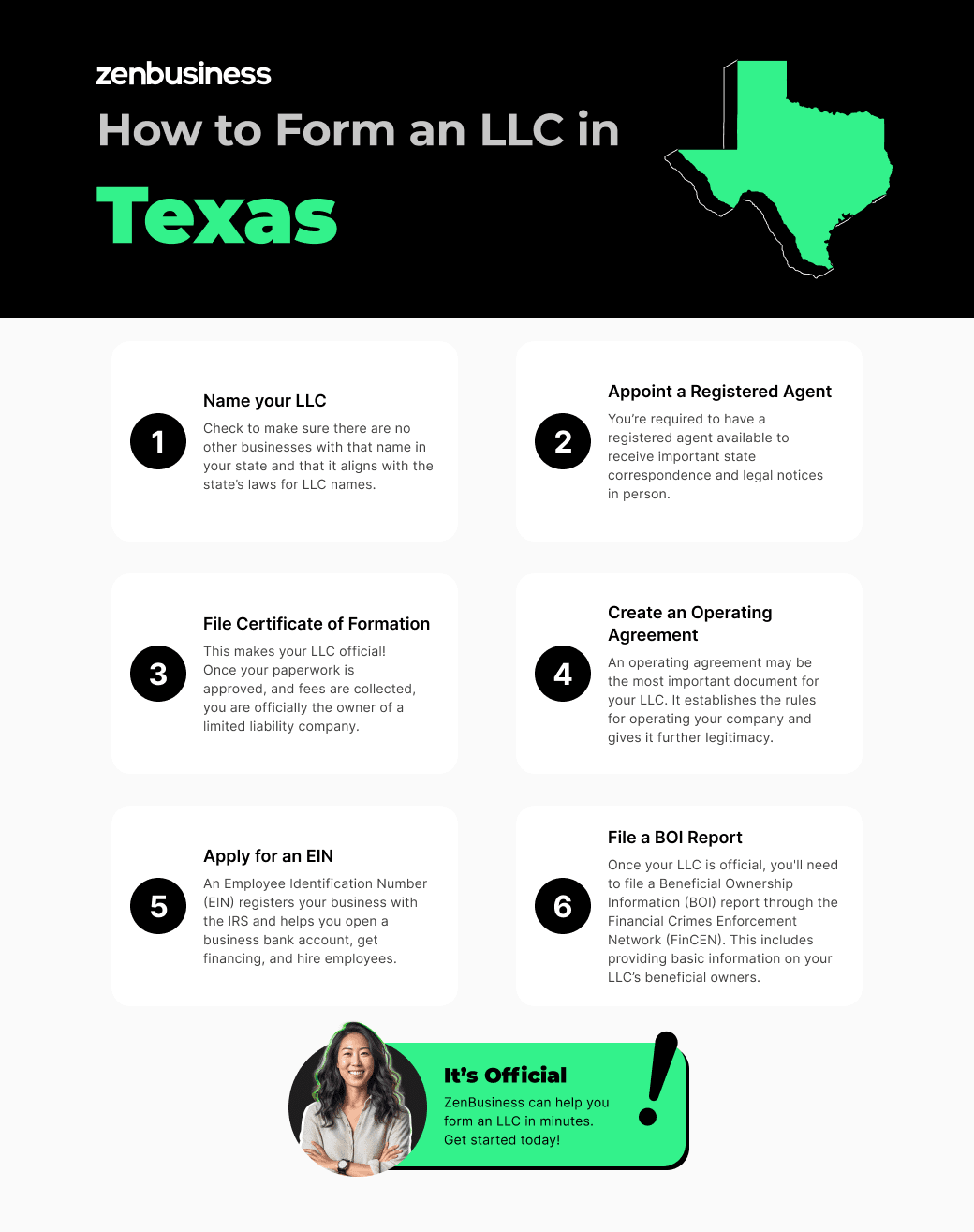
The Step-by-Step Guide to Forming Your Texas LLC
Now that you understand the compelling reasons, let’s walk through the practical steps to establish your LLC in Texas. Each stage is straightforward but requires attention to detail.
Step 1: Choose a Unique Business Name
Your LLC’s name is its identity, especially important for branding your travel or lifestyle business. It needs to be unique and distinguishable from other entities registered with the Texas Secretary of State. The name must also include “Limited Liability Company,” “Limited Company,” or an abbreviation like “LLC” or “LC.”
- Availability Search: Before you fall in love with a name, check its availability through the Texas Secretary of State’s website. It’s wise to have a few options in mind, just in case your first choice is taken.
- Domain Name and Social Media: For a lifestyle business heavily reliant on online presence, ensure your chosen name is also available as a domain name and across relevant social media platforms. Imagine “Lone Star Adventures LLC” – you’d want
lonestaradventures.comand corresponding social handles. - Reservation (Optional): If you’re not ready to file immediately but want to secure your chosen name, you can reserve it for 120 days by filing an Application for Reservation of an Entity Name with the Texas Secretary of State.
Step 2: Appoint a Registered Agent
Every LLC in Texas must have a registered agent. This is an individual or a company designated to receive legal documents, service of process, and official government correspondence on behalf of your LLC. The registered agent must have a physical street address (not a P.O. box) in Texas and be available during normal business hours.
- Who can be your Registered Agent? You can appoint yourself, another member of your LLC, or a professional registered agent service. For digital nomads or those frequently traveling, a professional service is often the best choice. They ensure you never miss critical correspondence, even when you’re exploring the Riverwalk in San Antonio or marveling at the Space Center Houston.
- Importance for Lifestyle Businesses: This role is critical for maintaining your LLC’s good standing. Missing legal notices could lead to serious consequences, including the dissolution of your LLC. A reliable registered agent service provides a stable point of contact, regardless of your global travel schedule.
Step 3: File Your Certificate of Formation
This is the most crucial step, officially bringing your LLC into existence. You will file a “Certificate of Formation” with the Texas Secretary of State.
- Required Information: The certificate typically requires:
- The name of your LLC.
- The name and address of your registered agent.
- The purpose of your LLC (can be general, e.g., “for any lawful purpose”).
- The names and addresses of the organizer(s) (the person(s) forming the LLC).
- The effective date of formation (can be immediate or a future date).
- Filing Method: You can file online through the Texas Secretary of State’s SOSDirect system, by mail, or in person. Online filing is usually the quickest.
- Fees: There is a filing fee, which you can find on the Texas Secretary of State’s website. It’s a one-time cost to legally establish your entity.
Step 4: Create an LLC Operating Agreement
While not legally required by Texas law for single-member LLCs, an Operating Agreement is highly recommended for all LLCs. Think of it as your LLC’s internal rulebook.
- What it Covers: This document outlines the ownership structure, management responsibilities, distribution of profits and losses, voting rights (for multi-member LLCs), procedures for admitting new members, and dissolving the LLC.
- Why it’s Crucial:
- Clarifies Internal Operations: Prevents disputes among members by clearly defining roles and responsibilities.
- Protects Limited Liability Status: Demonstrates to courts that your LLC is a legitimate business entity separate from its owners, reinforcing the liability protection.
- Provides Flexibility: Unlike corporate bylaws, an Operating Agreement can be tailored to fit the unique needs of your lifestyle business, whether you’re managing a global travel blog or a local tourism agency in Fredericksburg.
- Drafting: While templates are available, consider consulting with a legal professional, especially for multi-member LLCs, to ensure it accurately reflects your vision and protects your interests.
Step 5: Obtain an Employer Identification Number (EIN)
An EIN is a nine-digit tax identification number assigned by the Internal Revenue Service (IRS). It’s essentially a Social Security Number for your business.
- When You Need One:
- If your LLC has more than one member.
- If your LLC has employees.
- If you choose to have your LLC taxed as a corporation (S-Corp or C-Corp).
- If you need to open a business bank account.
- How to Get It: You can apply for an EIN online directly through the IRS website. The process is free and usually takes only a few minutes to complete. You’ll receive your EIN instantly.
Step 6: Open a Business Bank Account
Separating your personal and business finances is not just good accounting practice; it’s essential for maintaining your LLC’s limited liability protection. Co-mingling funds can lead to “piercing the corporate veil,” meaning a court could hold you personally responsible for business debts.
- Requirements: Most banks will require your LLC’s Certificate of Formation, Operating Agreement, and EIN to open a business account.
- Benefits for the Traveling Entrepreneur: A dedicated business account simplifies expense tracking, making it easier to manage finances for tax purposes, especially when your expenses might include flights, hotels, and tourism activities worldwide. It also presents a more professional image when dealing with vendors, clients, and partners for your accommodation business or digital nomad venture.
Key Considerations for Digital Nomads and Travel Entrepreneurs
For those embracing a lifestyle that involves constant movement and international engagement, forming an LLC in Texas comes with unique considerations.
Domicile vs. Physical Presence
Your Texas LLC’s legal domicile is fixed, but your physical presence (and that of your business operations) might be anywhere in the world. This is perfectly acceptable for many digital businesses. However, if your LLC conducts physical business in other states (e.g., operates a physical office, hires employees in another state, or has significant recurring physical presence), you might need to register your Texas LLC as a “foreign LLC” in those states. This is especially relevant if you’re managing multiple vacation rentals or resorts across different state lines.
Nexus for Sales Tax and Local Licenses
If your Texas LLC sells tangible goods or certain services, you may need to collect and remit sales tax. The concept of “nexus” (a sufficient physical presence in a state) determines if you have sales tax obligations. For online businesses, this can get complex, especially after the Wayfair Supreme Court decision. Always consult with a tax professional regarding your specific sales tax obligations, particularly if your target audience is outside of Texas or even the United States.
Furthermore, depending on your specific business activities (e.g., a short-term rental business, a tour guide service, a local boutique hotel like the Rio Grande Boutique Hotel), you might need specific state or local licenses and permits in the cities where you operate, such as Houston, Fort Worth, or El Paso. For example, operating an accommodation business might require zoning approval or specific permits from the local municipality in Corpus Christi or South Padre Island.
Virtual Offices and Mail Forwarding
For true digital nomads, a virtual office or reliable mail forwarding service in Texas can be an excellent complement to your registered agent. While the registered agent handles legal documents, a virtual office provides a professional business address for general correspondence and packages, allowing you to maintain a consistent presence even as you journey through Palo Duro Canyon State Park or explore Enchanted Rock State Natural Area.
Maintaining Your Texas LLC: Post-Formation Essentials
Forming your LLC is just the beginning. To keep it in good standing and ensure it continues to support your flexible lifestyle, ongoing compliance is key.
Texas Franchise Tax
As mentioned, LLCs in Texas are generally subject to the Texas Franchise Tax. However, many small businesses are exempt if their annualized total revenue falls below a certain threshold. Even if exempt, you typically still need to file an annual “Information Report” or “No Tax Due” report with the Texas Comptroller of Public Accounts. Failing to do so can result in penalties and even forfeiture of your LLC’s ability to conduct business in the state.
Record Keeping and Compliance
Maintain accurate financial records, including income, expenses, and asset purchases. Keep your Operating Agreement and any amendments up-to-date. If you have a multi-member LLC, hold annual meetings (even informal ones) and document decisions, especially those concerning significant business changes, capital contributions, or profit distributions. This meticulous record-keeping reinforces your LLC’s separate legal existence and is vital for tax purposes and potential future growth, perhaps even when considering expanding your resort ventures or opening a new hotel in Grapevine.
Adapting to Growth and Change
Your lifestyle business is likely to evolve, and your LLC should be able to adapt. Whether you’re bringing on new partners for a travel startup, acquiring new accommodation properties, or expanding your online tourism guides to new destinations, ensure your LLC documentation (especially the Operating Agreement) can accommodate these changes. Consult legal and tax professionals periodically to review your structure and ensure it still meets your business needs and compliance obligations.
Conclusion: Your Texas LLC – A Gateway to a Life Out of the Box
Forming an LLC in Texas is more than just a legal formality; it’s a strategic move that empowers your entrepreneurial spirit and secures your journey towards a truly “life out of the box.” From safeguarding your personal assets as you manage vacation rentals near Lady Bird Lake in Austin, to leveraging tax advantages for your global travel blog, the Texas LLC provides a robust framework. It offers the flexibility, protection, and credibility necessary to navigate the dynamic landscape of modern business, whether your ventures keep you rooted in the Lone Star State or take you to far-flung corners of the world.
By diligently following these steps and understanding the nuances of operating an LLC, you can build a stable foundation for your lifestyle business. This allows you to focus on what truly matters: creating memorable experiences, exploring new horizons, and living life on your own terms. Texas welcomes your ambition, providing a perfect launching pad for your next great adventure, whether it’s establishing a Lone Star Grand Resort in Driftwood or building a digital empire from the comfort of a beachfront villa along the Gulf Coast. The path to securing your “life out of the box” starts with a solid foundation, and for many, that foundation is a Texas LLC.
