
For anyone planning a journey to the Lone Star State, understanding “What is the time now in Texas?” is more than just a passing curiosity – it’s a crucial piece of information that can define the success and smoothness of your entire trip. Texas, a vast and diverse state stretching from the piney woods of the east to the desert landscapes of the west, surprisingly straddles two distinct time zones. This unique geographical characteristic, combined with the observance of Daylight Saving Time, means that staying informed about local time is paramount for everything from catching a flight to enjoying a leisurely dinner.
Whether you’re a globetrotter mapping out a multi-city adventure, a business professional scheduling critical meetings, or a family anticipating a fun-filled vacation, grasping the temporal nuances of Texas will significantly enhance your travel experience. From booking optimal flight times to ensuring you don’t miss that reservation at a bustling Austin eatery or a historical tour in San Antonio, the subtle shift of an hour can have a ripple effect on your itinerary. This article delves into the intricacies of Texas’s time zones, offering practical advice and insights to help you navigate its expansive clockwork seamlessly, ensuring your visit is as timely as it is memorable.
Navigating Texas’s Dual Time Zones
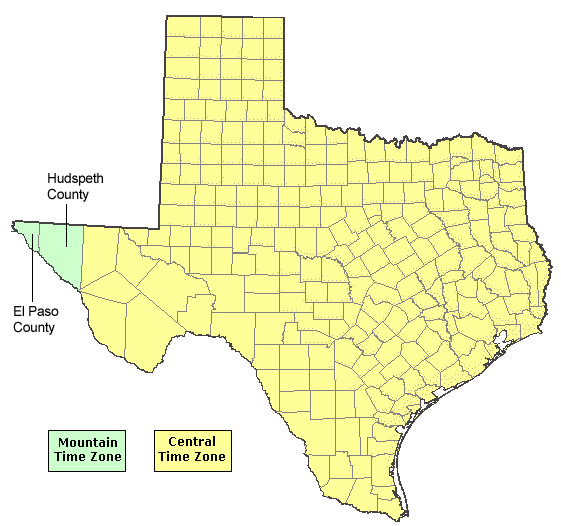
Texas’s immense size is often underestimated, and with that vastness comes a fascinating temporal divide. The majority of the state, including its most populous cities and iconic landmarks, operates on one time zone, while a significant western portion follows another. This division is vital for any traveler to comprehend before setting foot in the state.
Central Time Zone: The Heartbeat of Texas
The vast majority of Texas, including its bustling metropolitan hubs and popular tourist destinations, falls within the Central Time Zone (CT). This includes the major economic and cultural centers that draw millions of visitors annually. If you’re planning a trip to places like Dallas, Houston, Austin, San Antonio, Fort Worth, or Corpus Christi, you will be operating on Central Time.
This means when it’s noon in New York City (Eastern Time), it’s 11:00 AM in Dallas, Houston, and Austin. For travelers, this is the most common time zone they’ll encounter and manage. Destinations like the River Walk and The Alamo in San Antonio, the NASA Johnson Space Center in Houston, the vibrant Sixth Street in Austin, the historic Fort Worth Stockyards, and The Dallas Arts District all adhere to Central Time. When coordinating bookings for hotels, dining experiences, or guided tours, always confirm the times against the Central Time Zone.
Mountain Time Zone: Western Texas’s Unique Rhythm
A small, but significant, western sliver of Texas operates on the Mountain Time Zone (MT). This primarily includes the city of El Paso and a portion of Hudspeth County to its east. When traveling to or from El Paso, understanding this distinction is absolutely critical. Mountain Time is one hour behind Central Time. So, when it’s 11:00 AM in Dallas, it will be 10:00 AM in El Paso.
This time difference is especially pertinent for those exploring the stunning natural beauty of West Texas, including Big Bend National Park and Guadalupe Mountains National Park. While these parks are primarily in the Central Time Zone, their proximity to the Mountain Time Zone means that travelers traversing the region, particularly those driving from El Paso, must be aware of potential time shifts. Miscalculating this can lead to missed connections, late arrivals for park activities, or even confusion about hotel check-in times. Always confirm the local time when making plans that bridge these two distinct temporal regions.
The Impact of Daylight Saving Time
Like most of the United States, Texas observes Daylight Saving Time (DST). On the second Sunday in March, clocks “spring forward” one hour, and on the first Sunday in November, they “fall back” one hour. This means that during the spring and summer months, both the Central Time Zone becomes Central Daylight Time (CDT), and the Mountain Time Zone becomes Mountain Daylight Time (MDT).
The observance of DST affects both zones simultaneously, so the one-hour difference between Central and Mountain Time remains constant. However, for travelers arriving from areas that do not observe DST or from international locations, this seasonal shift can add another layer of complexity to time zone calculations. Always double-check current local times, especially during the spring and fall transitions, to ensure your travel plans align perfectly with the local schedule.
Planning Your Texas Adventure: Time Zone Considerations for Travelers
Successfully navigating Texas means more than just knowing which cities are in which time zone; it’s about understanding how these time differences practically impact your travel, accommodation, and overall experience. From ensuring you catch that early morning flight to making it on time for a coveted dinner reservation, meticulous planning is key.
Seamless Travel Between Zones
For travelers undertaking road trips across Texas, the journey from Central Time to Mountain Time (or vice versa) requires particular attention. Driving from, say, San Antonio to El Paso means you’ll cross a time zone boundary. While your phone or GPS device will typically adjust automatically, it’s wise to be aware of the shift. Missing a meeting or an attraction opening time by an hour simply due to an oversight can be frustrating. For air travel, this is even more critical. Flights scheduled between El Paso International Airport (MT) and Dallas/Fort Worth International Airport (CT) or George Bush Intercontinental Airport Houston (CT) will always list departure and arrival times in local time. A flight departing El Paso at 9:00 AM MT and arriving in Dallas two hours later will land at 12:00 PM CT, not 11:00 AM CT. Always verify these details carefully when booking flights and connecting transportation.
Dining, Attractions, and Local Schedules
Texas offers an incredible array of tourist attractions, cultural experiences, and culinary delights. Each of these operates on local time, and a misunderstanding can lead to missed opportunities. Imagine planning a delicious BBQ dinner in Austin or a visit to a historical landmark in San Antonio. Their operating hours and reservation windows are strictly Central Time. If you’re arriving from El Paso and haven’t adjusted, you could be an hour late for a coveted reservation.
Similarly, for theme parks like Six Flags Over Texas near Dallas, museum tours, or guided experiences in natural parks, specific start times are non-negotiable. Even small local shops and farmers’ markets adhere to their respective local times. To fully immerse yourself in the local culture and avoid disappointment, always double-check the time zone of the destination for all planned activities. Many websites and booking platforms will indicate the time zone, but a quick confirmation is always a good practice.
Booking Accommodations Across Time Zones
Whether you’re looking for luxury travel accommodations in a resort, a cozy apartment, or a vibrant hotel in the heart of a city, booking your stay in Texas demands careful attention to time zones. Hotels like the JW Marriott San Antonio Hill Country Resort & Spa, Hotel ZaZa Dallas, Omni Houston Hotel, or the Four Seasons Hotel Austin will always specify check-in and check-out times in their local time. This can become an issue if you’re arriving from a different time zone within Texas or beyond.
For example, if you’re flying into Dallas/Fort Worth from El Paso and your hotel has a 3:00 PM CT check-in, you might arrive feeling like you have an hour to spare, only to realize you’re already past the mark in local time. Conversely, a late check-out might feel shorter than anticipated. Always confirm these details, especially when dealing with long-term stays or specific arrival windows. Using reliable booking platforms and confirming directly with the accommodation can help prevent any confusion regarding your scheduled arrival and departure.

Maximizing Your Texas Experience: Lifestyle and Local Time
Beyond the practicalities of travel and bookings, understanding the rhythm of local time in Texas can significantly enrich your overall lifestyle experience, whether you’re there for leisure, business, or a blend of both. The way time is structured locally influences everything from social activities to business operations.
Early Mornings and Late Nights: Cultural Rhythms
Texas is a state of diverse lifestyles. In some rural areas or agricultural communities, early mornings are the norm, with life often beginning before dawn. Conversely, in major cities like Houston, Dallas, and Austin, the nightlife thrives well into the late hours. Understanding these cultural rhythms, which are tied directly to local time, allows you to immerse yourself more fully in the experience.
For a family trip, planning early starts for outdoor activities in the Texas Hill Country or national parks can mean cooler temperatures and fewer crowds. For those seeking vibrant entertainment, knowing the local time allows for precise planning of evening concerts on Sixth Street in Austin or a rodeo in Fort Worth. The local food scene, from breakfast tacos to late-night BBQ joints, operates on these rhythms, offering a true taste of Texas if you’re in sync with the clock. Engaging with local activities requires aligning your internal clock with the city’s, ensuring you don’t miss out on unique experiences, from sunrise photography to sunset dining.

Business Travel and Time Management
For business travelers, time is quite literally money. Managing meetings, conferences, and remote work across different time zones within Texas is a common challenge. A video conference scheduled for 10:00 AM CT in Dallas means participants in El Paso need to be ready by 9:00 AM MT. Failing to account for this can lead to missed connections, delays, and a perception of unprofessionalism.
For those staying at business-oriented hotels like the Hyatt Regency Dallas, The Driskill in Austin, The St. Regis Houston, or the Marriott Marquis Houston, their amenities, such as executive lounges and conference rooms, operate on local time. Setting your schedule, alarms, and communication tools to the correct local time upon arrival is paramount. Furthermore, understanding the time difference helps in planning optimal travel windows to maximize productivity, avoid jet lag, and ensure a smooth flow of business operations throughout your stay. Whether you’re negotiating a deal or attending an industry event, being punctual and time-aware is a hallmark of successful business in Texas.
Practical Tips for a Timely Texas Trip
To ensure your Texas adventure is as smooth and enjoyable as possible, here are some actionable tips to master the art of time zone navigation:
-
Always Confirm Local Times: Before booking anything – flights, hotels, tour guides, restaurant reservations – make it a habit to confirm the time zone for that specific location. Don’t assume. Many online booking systems will display the local time, but a quick mental check, especially when crossing the Central/Mountain Time boundary, is invaluable.
-
Adjust Devices Immediately: As soon as you arrive in Texas or cross a time zone boundary within the state, manually set your watch or verify that your smartphone has automatically updated to the correct local time. Most modern smartphones adjust automatically, but a quick check can prevent errors.
-
Build in Buffer Time: When planning travel between cities in different time zones, or even for critical appointments, always add an extra hour as a buffer. This helps account for the time change and any unexpected delays, ensuring you arrive relaxed and on schedule rather than rushed.
-
Use Reliable Time Zone Apps: There are numerous free smartphone applications and websites that provide accurate current times for cities worldwide. These can be particularly helpful for quick conversions or for visualizing the time difference between your origin and destination.
-
Communicate Clearly: If you’re coordinating with others for a meeting or a shared activity, always specify the time zone (e.g., “10:00 AM CT” or “9:00 AM MT”) to eliminate any ambiguity. This is especially important for business calls or family rendezvous points.
-
Stay Hydrated and Rested: While not directly time-related, managing your physical well-being helps mitigate the effects of minor time zone changes. Staying hydrated and getting enough rest helps your body adjust more easily, making you more adaptable to the local schedule.
By keeping these tips in mind, you can confidently answer “What is the time now in Texas?” for any part of the state and ensure your travel plans, accommodation bookings at luxurious stays like The Post Oak Hotel at Uptown Houston or boutique options like Thompson Austin, Hyatt Centric Dallas, and The Otis Hotel Austin, Autograph Collection, and overall exploration of Texas’s vibrant tourism scene are executed flawlessly. Enjoy every moment in this magnificent state, precisely on time!
LifeOutOfTheBox is a participant in the Amazon Services LLC Associates Program, an affiliate advertising program designed to provide a means for sites to earn advertising fees by advertising and linking to Amazon.com. Amazon, the Amazon logo, AmazonSupply, and the AmazonSupply logo are trademarks of Amazon.com, Inc. or its affiliates. As an Amazon Associate we earn affiliate commissions from qualifying purchases.