
For any traveler embarking on a journey to the iconic hills and vibrant streets of San Francisco, understanding the local time isn’t just a matter of curiosity; it’s a fundamental aspect of planning, adapting, and truly experiencing all that this magnificent city has to offer. From coordinating business meetings to booking reservations at world-class restaurants or simply making the most of your sightseeing itinerary, knowing the precise time in San Francisco is your first step towards a seamless and enjoyable visit.
This article delves into the intricacies of San Francisco’s time zone, offering practical advice for travelers from across the globe. We’ll explore how time differences impact your travel plans, provide strategies for overcoming jet lag, and guide you through optimizing your schedule to immerse yourself in the city’s unique culture, stunning landmarks, and diverse lifestyle. Whether you’re planning a luxury escape, a budget-friendly adventure, a family vacation, or a crucial business trip, mastering the clock will unlock a richer, more relaxed San Francisco experience.
Understanding San Francisco’s Time Zone
San Francisco, like much of the West Coast of the United States, operates within the Pacific Time Zone. This geographical alignment has specific implications that every traveler should be aware of, especially when crossing multiple time zones.
Pacific Standard Time (PST) and Pacific Daylight Time (PDT)
The Pacific Time Zone observes two distinct periods throughout the year:
- Pacific Standard Time (PST): This is the standard time observed during the fall and winter months. PST is UTC-8, meaning it is eight hours behind Coordinated Universal Time. When it’s noon UTC, it’s 4:00 AM PST in San Francisco.
- Pacific Daylight Time (PDT): In the spring and summer, San Francisco switches to Daylight Saving Time. During this period, the clocks “spring forward” by one hour. PDT is UTC-7, making it seven hours behind Coordinated Universal Time. This adjustment means more daylight hours in the evening, which is particularly beneficial for tourism and outdoor activities. The transition typically occurs on the second Sunday in March (forward) and the first Sunday in November (back).
For instance, when travelers from New York (Eastern Time, ET) land in San Francisco, they will notice a three-hour difference, with San Francisco being three hours behind. A journey from London (Greenwich Mean Time, GMT/UTC) means a difference of eight hours during PST and seven hours during PDT. Understanding these shifts is vital for timely arrivals, departures, and scheduled events.
Practical Implications for Travelers
The time difference can significantly impact various aspects of your trip:
- Arrival and Departure: When booking flights, always confirm the local time for both departure and arrival cities. A flight leaving New York at 9:00 AM ET might land in San Francisco at 12:00 PM PST – making it seem like a quick trip on paper, but in reality, it’s a six-hour journey due to the time change.
- Booking and Reservations: Whether you’re reserving a table at a Michelin-starred restaurant, scheduling a tour of Alcatraz Island, or arranging a meeting with local contacts, ensure all times are set according to San Francisco local time. A common mistake is to convert incorrectly, leading to missed appointments.
- Communication: Staying in touch with family, friends, or colleagues back home requires an awareness of their respective time zones. A late-night call for you might be an early morning interruption for them. Communication apps with built-in time zone converters can be incredibly useful.
- Jet Lag: Perhaps the most significant implication for international travelers, jet lag can disrupt your sleep patterns, energy levels, and overall enjoyment. We’ll delve into strategies for mitigating jet lag later in this article.
Planning Your Visit: Maximizing Your San Francisco Experience
Beyond the ticking clock, San Francisco offers an unparalleled wealth of experiences. Integrating time zone awareness into your travel planning allows you to fully engage with its diverse attractions, exquisite cuisine, and unique charm.
Must-Visit Landmarks and Attractions
San Francisco is a city brimming with iconic sights that cater to every interest. When planning your daily itinerary, consider the operating hours and peak times to avoid crowds and make the most of your daylight hours.
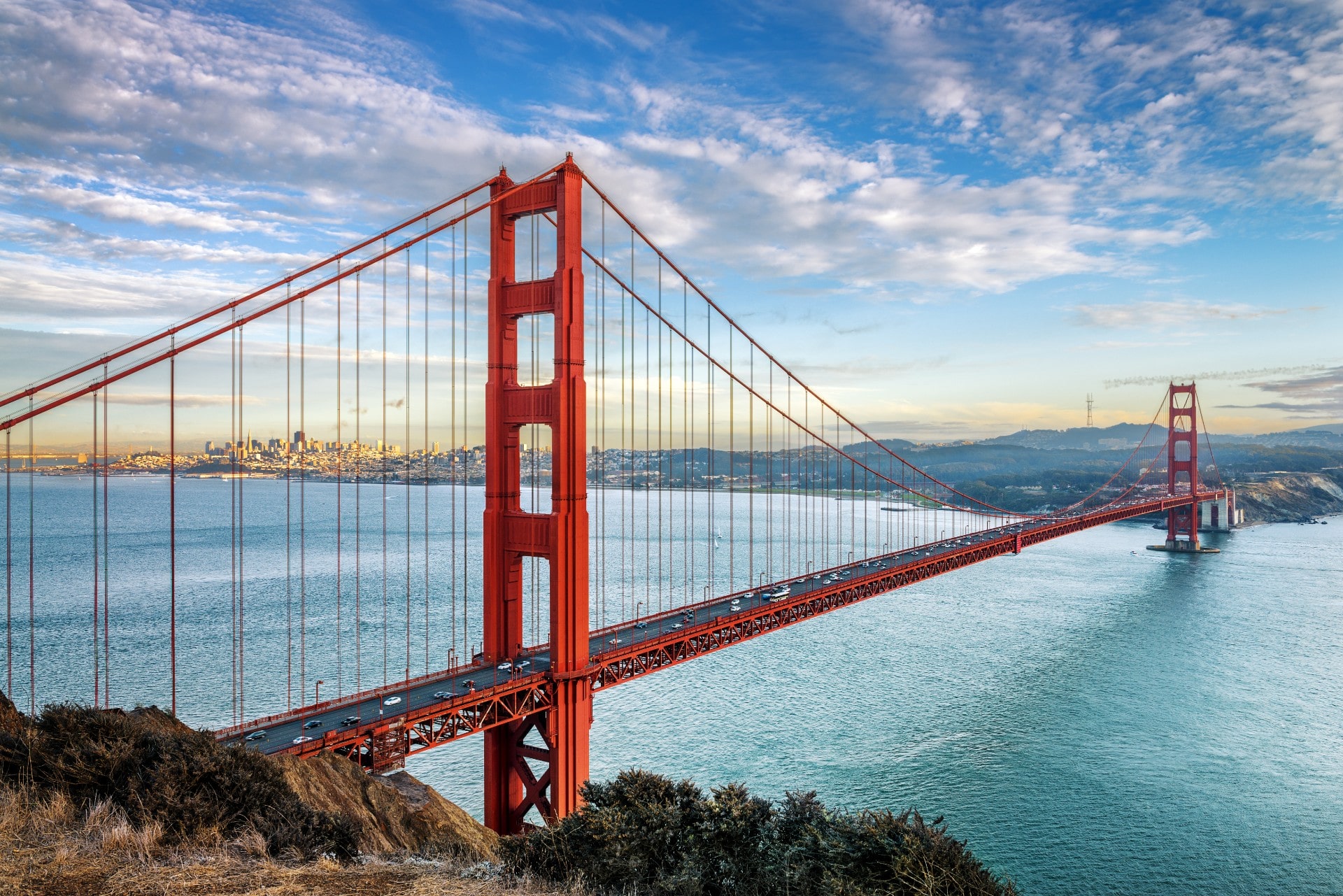
- Golden Gate Bridge: This majestic landmark is a must-see. Early mornings offer breathtaking views with fog often clinging to its towers, while sunsets paint the bridge in fiery hues.
- Alcatraz Island: Tours to “The Rock” book up quickly, often weeks in advance. Ensure your tickets are secured well ahead of your travel dates and note the specific ferry departure times from Pier 33.
- Fisherman’s Wharf and Pier 39: Known for its lively atmosphere, seafood restaurants, and the famous sea lions, this area is best enjoyed during the day. Consider an early morning visit to beat the crowds or a late afternoon stroll for a vibrant dining experience.
- Lombard Street: The “most crooked street in the world” offers fantastic photo opportunities. Visit during off-peak hours to avoid traffic jams and crowds of tourists.
- Golden Gate Park: Larger than New York’s Central Park, this urban oasis is home to the California Academy of Sciences and the de Young Museum. Allocate a full day to explore its gardens, museums, and hidden gems.
- Palace of Fine Arts: A stunning architectural marvel, perfect for a leisurely stroll and photography, especially beautiful around sunset.
- Union Square: The city’s premier shopping district, bustling from morning till evening. It’s also a central hub for many San Francisco hotels and public transportation.
Where to Stay: Hotels and Accommodation
San Francisco boasts an incredible range of accommodation options, from luxury resorts and boutique hotels to budget-friendly apartments and long-term stay villas. Your choice of accommodation can significantly enhance your travel experience and impact your ability to adapt to the local time.
- Luxury Hotels: For those seeking unparalleled comfort and amenities, hotels like the Fairmont San Francisco atop Nob Hill, the historic Palace Hotel, or the sophisticated The St. Regis San Francisco offer world-class service. These often feature 24-hour room service, in-house spas, and quiet rooms, which can be invaluable for combating jet lag.
- Boutique Hotels: Areas like SoMa (South of Market) and the Mission District are home to stylish boutique hotels that offer a more personalized experience, often reflecting the local culture.
- Apartments and Villas: For longer stays, family trips, or those who prefer self-catering, booking an apartment or villa through platforms can provide a home-away-from-home feel. This option allows for more flexibility in meal times, which can aid in adjusting to a new schedule.
- Budget-Friendly Options: Hostels and more modest hotels can be found throughout the city, particularly around Civic Center and areas south of Market Street. Reviews and comparison tools are essential for finding the best value.
When choosing accommodation, consider its proximity to public transportation, dining options, and the attractions you plan to visit. A central location like Union Square or Nob Hill might be ideal for first-time visitors, offering easy access to the city’s pulse. Remember to check booking policies and cancellation terms, especially if your travel plans are susceptible to changes due to time zone adjustments.
Culinary Delights and Local Culture
San Francisco’s food scene is as diverse and dynamic as its population. From Michelin-starred dining to casual food trucks, the city is a culinary paradise.
- Mission Burritos: A visit to the Mission District is incomplete without savoring a Mission burrito. Many taquerias are open late, perfect for a post-sightseeing meal.
- Sourdough Bread and Cioppino: Head to Fisherman’s Wharf for fresh seafood, particularly the famous San Francisco sourdough bread bowls filled with cioppino, a hearty seafood stew.
- Chinatown: As the oldest Chinatown in North America, it offers an authentic taste of Chinese cuisine, from dim sum to traditional banquets. Explore its bustling streets and historic temples.
- Farmers Markets: Experience local flavors at one of the many farmers’ markets, such as the Ferry Building Marketplace. Timing your visit to coincide with market days is a great way to experience local culture and fresh produce.
Participating in local activities, such as taking a cable car ride, exploring the vibrant murals in the Mission District, or enjoying a performance in the Theatre District, further enriches your experience. Many activities have specific schedules, so align them with your adjusted body clock for maximum enjoyment.
Overcoming Jet Lag and Adapting to the Local Time
Jet lag can turn even the most exciting trip into an endurance test. The key to mitigating its effects is proactive planning and consistent effort to adapt to San Francisco’s local time.
Pre-Trip Preparation
Starting to adjust before you even depart can make a significant difference:
- Gradual Adjustment: A few days before your trip, try to shift your sleep schedule by an hour or two in the direction of San Francisco’s time. If you’re traveling west, go to bed and wake up later. If traveling east, go to bed and wake up earlier.
- Hydration: Stay well-hydrated in the days leading up to your flight and especially during the flight. Dehydration can exacerbate jet lag symptoms.
- Review Flight Schedule: Choose flights that arrive in San Francisco in the late afternoon or early evening. This allows you to check into your accommodation, have a light dinner, and then go to bed at a reasonable local time, setting you up for a full night’s sleep.
- Set Your Watch Early: As soon as you board your flight, or even the day before, set your watch to San Francisco time. Mentally preparing for the new time can help your body begin to adjust.
During Your Stay: Tips for Adjustment
Once you’ve arrived, these strategies will help you quickly synchronize with the local rhythm:
- Embrace Daylight: Seek out natural light as much as possible during the day, especially in the morning. Sunlight helps reset your body’s internal clock. Take a walk around your neighborhood, visit Golden Gate Park, or simply enjoy a coffee on an outdoor patio.
- Stay Active: Gentle physical activity, like walking or light exercise, can help you feel more alert during the day and improve sleep quality at night. Avoid strenuous workouts close to bedtime.
- Strategic Napping: If you absolutely need to nap, keep it short (20-30 minutes) and take it in the early afternoon. Long or late naps can make it harder to sleep at night.
- Mindful Eating: Try to eat meals at local times, even if you’re not hungry. Your meal schedule plays a crucial role in regulating your circadian rhythm.
- Limit Stimulants and Sedatives: While tempting, avoid excessive caffeine and alcohol, especially in the afternoon and evening. They can interfere with your sleep cycle.
- Create a Conducive Sleep Environment: Ensure your hotel room is dark, quiet, and cool. Use earplugs, eye masks, and request a quiet room away from elevators or street noise if possible. Hotels like the Hotel Nikko San Francisco or the Grand Hyatt San Francisco are known for their comfortable amenities that can aid in restful sleep.
- Avoid Over-Scheduling: Especially on your first day or two, don’t try to pack too much into your schedule. Allow for flexibility and listen to your body. Focus on outdoor activities and sights that require less intense concentration.
Beyond the Clock: San Francisco’s Lifestyle and Seasons
While time zones dictate the hours on the clock, San Francisco’s unique lifestyle and microclimates influence how those hours are experienced. Understanding these nuances can further enrich your visit.
Best Times to Visit
The “best” time to visit San Francisco often depends on your priorities, but awareness of its distinct seasons and events can help you plan.
- Summer (June-August): Surprisingly, San Francisco summers are famous for their cool temperatures and persistent fog, particularly in the mornings and evenings. This can be a refreshing escape from hotter climates, but pack layers! It’s also peak tourist season, meaning higher prices and larger crowds.
- Fall (September-November): Often considered the ideal time to visit, fall brings clearer skies, warmer temperatures, and less fog. This is when the city truly shines, making it perfect for exploring landmarks and enjoying outdoor dining.
- Winter (December-February): Mild temperatures and more rain characterize winter. While less crowded, it still offers unique experiences like holiday festivities and access to renowned museums like the San Francisco Museum of Modern Art (SFMOMA) without the queues.
- Spring (March-May): Pleasant temperatures and blooming flowers make spring another excellent time to visit. The city wakes up with various festivals and events, though sporadic showers can occur.
No matter the season, remember the famous quote about San Francisco: “The coldest winter I ever spent was a summer in San Francisco.” Always pack layers!
Experiencing San Francisco Like a Local
Beyond the major attractions, embracing the local lifestyle offers a deeper connection to the city.
- Walk Everywhere: San Francisco is a walking city, despite its hills. Exploring on foot allows you to discover hidden stairways, charming neighborhoods, and stunning views.
- Utilize Public Transport: The Muni system (buses, streetcars, cable cars) is efficient and extensive. A Clipper Card makes navigating easy.
- Explore Neighborhoods: Each district has its own character. Wander through the vibrant Castro district, the bohemian Haight-Ashbury, or the upscale Pacific Heights.
- Enjoy the Outdoors: Take advantage of the numerous parks and open spaces beyond Golden Gate Park, such as Presidio National Park or Twin Peaks for panoramic views.
- Embrace the Coffee Culture: San Francisco takes its coffee seriously. Start your day with a local brew at one of the many independent coffee shops.
From the precise moment you set foot in the San Francisco International Airport (SFO) or Oakland International Airport (OAK), the clock begins to shape your adventure. By understanding the PST/PDT distinctions, proactively managing jet lag, and aligning your itinerary with local customs and operating hours, you can transform a simple trip into an unforgettable journey. So, while you might be asking “What time is it in San Francisco?”, remember that it’s always the right time to explore, discover, and fall in love with this extraordinary city. Safe travels!
LifeOutOfTheBox is a participant in the Amazon Services LLC Associates Program, an affiliate advertising program designed to provide a means for sites to earn advertising fees by advertising and linking to Amazon.com. Amazon, the Amazon logo, AmazonSupply, and the AmazonSupply logo are trademarks of Amazon.com, Inc. or its affiliates. As an Amazon Associate we earn affiliate commissions from qualifying purchases.