
Understanding the prevailing weather conditions in a destination is a cornerstone of effective travel planning. For anyone considering a visit to the vibrant city of Portland, Oregon, the question of “What’s the temperature?” is not merely a matter of curiosity but a critical factor influencing everything from packing choices to activity itineraries. This comprehensive guide delves into Portland’s climatic nuances, offering insights into seasonal variations, average temperatures, and how to best prepare for the elements during your stay. Whether you’re drawn by the city’s renowned food scene, its abundant green spaces like the International Rose Test Garden, or its unique cultural attractions, knowing what to expect temperature-wise will significantly enhance your experience.

Understanding Portland’s Climate: A Four-Season Overview
Portland, Oregon experiences a temperate climate, heavily influenced by its proximity to the Pacific Ocean and the Cascade Mountains. This results in distinct seasons, each with its own characteristic temperatures and precipitation patterns. Unlike many other major cities, Portland generally avoids extreme temperature fluctuations, offering a relatively mild year-round environment. However, understanding the average highs and lows, as well as the typical humidity and sunshine, can help travelers make informed decisions about when to visit and what to pack.
Spring: A Gentle Awakening (March – May)
Spring in Portland, Oregon is a time of renewal and gradual warming. As winter’s chill recedes, temperatures begin to climb steadily, making it an increasingly pleasant time to explore the city. March can still feel cool, with average high temperatures hovering around the low 50s Fahrenheit (around 10-12°C). However, by April, highs typically reach the mid-60s Fahrenheit (around 17-19°C), and May often sees temperatures climbing into the comfortable 70s Fahrenheit (around 21-23°C). Lows during spring typically range from the mid-30s to the mid-40s Fahrenheit (around 2-7°C). While sunshine becomes more prevalent, spring is also known for its intermittent rain showers, a characteristic of the Pacific Northwest. This means packing layers is essential, along with a waterproof jacket and umbrella, especially for early spring visits. The blossoming of flowers in places like the International Rose Test Garden and the vibrant greenery make this a visually appealing season for visitors.
Summer: Warm and Inviting (June – August)
Summer is arguably the most popular time to visit Portland, Oregon, and for good reason. The weather is typically warm, dry, and sunny, creating ideal conditions for outdoor activities and festivals. June often marks the transition into summer, with average high temperatures in the mid-70s Fahrenheit (around 24°C), while July and August consistently see highs in the high 70s to low 80s Fahrenheit (around 26-28°C). It’s not uncommon for temperatures to occasionally push into the 90s Fahrenheit (above 32°C) during heatwaves, though these are usually short-lived. Low temperatures during the summer months are generally in the 50s Fahrenheit (around 10-15°C), providing cool and comfortable evenings. Humidity levels are typically low, making the warmth feel pleasant and manageable. This season is perfect for exploring Washington Park, taking a stroll along the Willamette River, or enjoying an outdoor concert.
Autumn: A Tapestry of Color (September – November)
As summer’s heat fades, Portland, Oregon transforms into a picturesque autumn landscape. The temperatures in early autumn remain mild and pleasant, making September and October prime visiting months. September typically offers highs in the low 70s Fahrenheit (around 22°C), while October sees a gentle decline into the mid-60s Fahrenheit (around 18°C). The first signs of autumn chill become more noticeable in November, with average highs dropping into the low 50s Fahrenheit (around 11°C). Nighttime temperatures also begin to cool, with lows in the 40s Fahrenheit (around 4-9°C) during September and October, and dipping into the 30s Fahrenheit (around 0-4°C) by late November. While sunny days are still common in early fall, precipitation gradually increases as the season progresses. The vibrant foliage, especially in areas like the Hoyt Arboretum, adds a spectacular visual dimension to the city. Layers remain key for dressing, as morning and evening temperatures can be significantly cooler than during the day.
Winter: Mild and Damp (December – February)
Portland, Oregon’s winters are characterized by mild temperatures and frequent rainfall, rather than heavy snowfall. This is a direct result of the moderating influence of the Pacific Ocean. Average high temperatures in December, January, and February typically hover in the low to mid-40s Fahrenheit (around 5-8°C). Low temperatures usually range from the mid-30s to low 40s Fahrenheit (around 1-7°C). Snowfall is relatively uncommon and usually does not accumulate for extended periods, though occasional light dustings can occur. The defining feature of winter in Portland is the persistent drizzle and cloud cover. While not as intensely cold as in many other parts of the country, the dampness can make it feel cooler than the thermometer suggests. This season is ideal for those who enjoy cozy indoor activities, exploring museums like the Portland Art Museum, or experiencing the city’s famous coffee shops and bookstores. Waterproof gear is essential for any outdoor excursions.
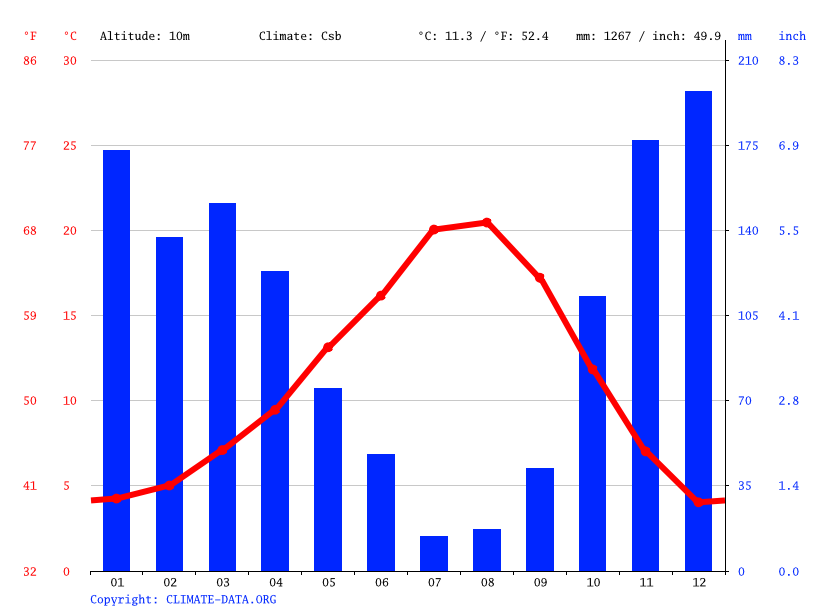
Seasonal Temperature Breakdown and What to Expect
To provide a more granular understanding of Portland’s temperature variations, let’s break down the average temperatures by month. This detailed look at monthly highs and lows, along with precipitation trends, will empower you to pack perfectly and plan your days effectively, whether you’re interested in visiting attractions like the Oregon Zoo or exploring the unique neighborhoods of this dynamic city.
Monthly Temperature Averages: Highs and Lows
- January: Highs: ~45°F (7°C), Lows: ~36°F (2°C). Often the coldest month, with significant rainfall.
- February: Highs: ~48°F (9°C), Lows: ~37°F (3°C). Still cool and wet, with signs of spring beginning to emerge late in the month.
- March: Highs: ~54°F (12°C), Lows: ~39°F (4°C). Temperatures begin to rise, but rain remains common.
- April: Highs: ~60°F (16°C), Lows: ~42°F (6°C). Spring is in full swing, with more sunshine and increasing warmth.
- May: Highs: ~67°F (19°C), Lows: ~47°F (8°C). Consistently pleasant, with flowers blooming throughout the city.
- June: Highs: ~74°F (23°C), Lows: ~52°F (11°C). The start of summer, offering warm and dry days.
- July: Highs: ~80°F (27°C), Lows: ~57°F (14°C). Typically the warmest month, with ample sunshine.
- August: Highs: ~81°F (27°C), Lows: ~57°F (14°C). Similar to July, offering warm days and comfortable evenings.
- September: Highs: ~75°F (24°C), Lows: ~53°F (12°C). A beautiful transition month with mild temperatures and changing leaves.
- October: Highs: ~65°F (18°C), Lows: ~46°F (8°C). Cooler temperatures arrive, with increasing chances of rain.
- November: Highs: ~52°F (11°C), Lows: ~40°F (4°C). Noticeably cooler, with more frequent overcast skies and rain.
- December: Highs: ~45°F (7°C), Lows: ~37°F (3°C). Winter sets in, characterized by cool, damp, and overcast conditions.
Precipitation Patterns and Sunshine Hours
Portland, Oregon is known for its rain, particularly from October through April. While not always torrential downpours, consistent drizzle and overcast skies are a hallmark of the wetter months. Average annual rainfall is around 36 inches, with the majority falling during the fall and winter. Summers, conversely, are remarkably dry, with very little rainfall from June through September. Sunshine hours also follow a seasonal trend, with the longest days and most intense sunshine occurring in mid-summer, and the shortest, cloudiest days characterizing the winter months. Even during the rainier periods, there are often breaks in the clouds, allowing for glimpses of sunshine. The temperate climate means that extreme weather events like blizzards or prolonged heatwaves are rare, contributing to Portland’s reputation as a city with manageable, albeit sometimes damp, weather.
Packing for Portland: Dressing for the Elements
Successfully navigating Portland, Oregon’s varied weather hinges on smart packing. The key principle is layering, which allows you to adapt to changing temperatures and conditions throughout the day. Whether you’re planning to explore the vibrant shops in the Pearl District or hike in the nearby Columbia River Gorge National Scenic Area, being prepared will ensure comfort and enjoyment.
Essential Clothing Items for All Seasons
Regardless of when you visit, certain items are indispensable. A good quality waterproof and windproof jacket is paramount, especially for the cooler and wetter months. Consider one with a breathable membrane to avoid overheating during active pursuits. Comfortable walking shoes are a must, as you’ll likely be doing a lot of exploring on foot. For the shoulder seasons (spring and fall) and cooler summer evenings, a few long-sleeved shirts, sweaters or fleeces, and a pair of jeans or comfortable trousers are essential. During the summer, lighter clothing such as t-shirts, shorts, and sundresses will be appropriate, but it’s always wise to pack at least one layer for cooler days or air-conditioned interiors.

Seasonal Packing Additions and Considerations
- Spring (March-May): Pack lighter layers, including a waterproof jacket, umbrella, and perhaps a light scarf. Closed-toe shoes are recommended.
- Summer (June-August): Focus on light, breathable clothing. Bring shorts, t-shirts, sunglasses, and a hat for sun protection. Evenings can be cooler, so a light jacket or cardigan is advisable. Comfortable sandals or sneakers are ideal.
- Autumn (September-November): This is a transitional period. Layers are crucial. Think long-sleeved shirts, sweaters, a medium-weight jacket, and possibly a waterproof outer layer. Jeans or durable trousers are suitable. An umbrella is a good idea, especially for October and November.
- Winter (December-February): Prioritize warmth and waterproofing. A heavy-duty waterproof coat, warm sweaters, thermal base layers (optional, but recommended for sensitive individuals), waterproof boots, and warm socks are essential. Don’t forget a hat and gloves.
Remember that Portlanders often embrace a casual style, so comfort is generally prioritized. However, if you plan to dine at more upscale restaurants or attend specific events, you might want to pack a slightly more formal outfit. Checking the specific Portland, Oregon forecast closer to your travel dates is always recommended for the most up-to-date weather information.
LifeOutOfTheBox is a participant in the Amazon Services LLC Associates Program, an affiliate advertising program designed to provide a means for sites to earn advertising fees by advertising and linking to Amazon.com. Amazon, the Amazon logo, AmazonSupply, and the AmazonSupply logo are trademarks of Amazon.com, Inc. or its affiliates. As an Amazon Associate we earn affiliate commissions from qualifying purchases.