
Navigating the renewal process for your Texas driver’s license might seem like a bureaucratic hurdle, but understanding the steps can make it a smooth and surprisingly efficient experience. Whether you’re a seasoned Texan driver or new to the Lone Star State, keeping your license up-to-date is crucial for everyday life, from spontaneous road trips to visiting iconic landmarks and enjoying the vibrant local culture. This guide aims to demystify the renewal process, ensuring you’re prepared and can get back on the road – and perhaps planning your next adventure – with confidence.
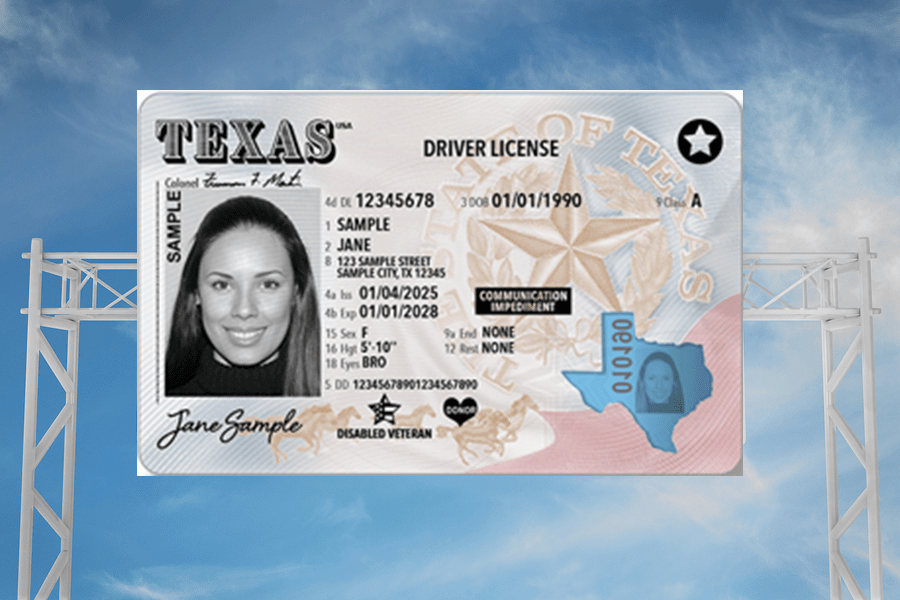
Renewing your driver’s license in Texas involves understanding eligibility, the various renewal methods available, and the documentation you’ll need. The state’s Department of Public Safety (DPS) manages this process, and they offer several convenient options to accommodate different needs and preferences. For those who enjoy the freedom of travel, a valid driver’s license is your golden ticket, enabling you to explore everything from the historic streets of San Antonio to the sprawling natural beauty of Big Bend National Park.
Understanding Your Renewal Eligibility
Before diving into the “how,” it’s essential to determine if you are eligible to renew your license and which method best suits your situation. The Texas DPS provides clear guidelines, and most drivers find themselves able to renew through one of the simpler, remote options.
When Can You Renew?
Generally, you can renew your driver’s license within 30 days before it expires. The DPS often sends out renewal notices, but it’s a good practice to keep track of your expiration date yourself. Don’t wait until the last minute, as processing times can vary, and you wouldn’t want to risk driving with an expired license.
Who is Eligible for Renewal?
The most common renewal method is online, and this is available for most standard Texas driver’s licenses. However, there are certain conditions that might require you to renew in person. These include:
- Age Restrictions: If you are under 18 years old, specific requirements apply, and in-person renewal might be necessary.
- License Type: Commercial driver’s licenses (CDLs) and certain endorsements often have different renewal procedures.
- Recent Moves: If you have moved recently and your address on file is outdated, you might need to update it in person.
- Medical Conditions: If you have a medical condition that could affect your driving ability, a vision test or a medical evaluation may be required, which necessitates an in-person visit.
- Suspended or Revoked Licenses: If your license has been suspended or revoked, you will likely need to renew in person.
- Expired for More Than Two Years: If your license has been expired for longer than two years, you may need to reapply as a new driver.
For many, the renewal notice sent by the Texas DPS will clearly indicate your renewal options. If you haven’t received one, or if you’re unsure, you can always check your status and eligibility on the official Texas DPS website. This online portal is your primary resource for all driver’s license-related information.
Keeping Your Information Current
A crucial aspect of maintaining a valid driver’s license is ensuring your personal information, particularly your address, is up-to-date with the DPS. If you’ve recently relocated within Texas or moved into the state, you must update your address. While you can often change your address online for general purposes, a license renewal might require verification, making an in-person visit to a driver’s license office potentially necessary if you haven’t updated it through official channels. This ensures that any renewal notices or important communications from the DPS reach you promptly, preventing missed deadlines or important information.
Your Renewal Options: Online, Mail, or In Person
The Texas DPS offers a tiered approach to license renewal, prioritizing convenience for eligible drivers while maintaining necessary in-person checks for others. Understanding these options will help you choose the path that best fits your lifestyle, whether you’re planning a luxury getaway to the Hill Country or a budget-friendly family trip to Galveston.
Online Renewal: The Fastest and Easiest Route
For the majority of eligible drivers, renewing your license online is the most efficient method. The Texas DPS website provides a secure portal for this service.
Steps for Online Renewal:
- Visit the Texas DPS Website: Navigate to the official Texas DPS website and find the driver’s license renewal section.
- Gather Required Information: You will typically need your driver’s license number, date of birth, and the last four digits of your Social Security number. You’ll also need a valid payment method (credit or debit card).
- Complete the Online Application: Follow the on-screen prompts to fill out the renewal application. You may be asked to answer questions about your vision and medical status.
- Pay the Renewal Fee: The fee can be paid securely online. The amount varies depending on the license type and renewal period.
- Receive Your New License: Your renewed driver’s license will be mailed to the address on file with the DPS. This typically takes about two to three weeks. In the meantime, you can usually print a temporary paper license from the website, which is valid for driving.
Online renewal is ideal for those who are comfortable with online transactions and meet the eligibility criteria, saving you a trip to a physical office. It’s perfect for someone who wants to renew quickly before embarking on an international adventure or a long-term stay in a new city.
Renewal by Mail: A Less Common, But Available Option
While less common and generally slower than online renewal, renewal by mail is an option for certain situations, particularly for those who are out of state or have specific circumstances preventing online access. You will typically receive a renewal notice by mail that includes instructions and a form to mail back.
Key Considerations for Mail Renewal:
- Eligibility: Not all licenses are eligible for mail renewal. This option is usually extended to specific situations outlined by the DPS.
- Forms: You will need to complete the renewal application form accurately and include all required documentation.
- Payment: Payment for mail renewals typically needs to be made by check or money order payable to the Texas DPS.
- Processing Time: Mail renewals can take significantly longer than online renewals, so plan accordingly.
It’s always best to check the Texas DPS website or your renewal notice for the most current information regarding mail renewal eligibility and procedures.
In-Person Renewal: When Digital Isn’t an Option
For many Texas residents, an in-person visit to a driver’s license office is a necessary step, especially if they don’t qualify for online renewal, have changed their name, or need to update photos. This method ensures all requirements are met, including vision tests and potentially new photos for your license.
Preparing for Your In-Person Visit:
- Locate a Driver License Office: Use the Texas DPS website to find the nearest driver license office. Some offices offer appointments, which can significantly reduce your wait time. Consider booking an appointment, especially during peak seasons or if you’re visiting a popular tourist city like Austin.
- Bring Required Documents: You will need to present specific identification and documentation. This typically includes:
- Your current driver’s license (or expired license if it’s within the renewal period).
- Proof of identity (e.g., U.S. Passport, birth certificate).
- Proof of U.S. citizenship or lawful presence in the U.S. (e.g., birth certificate, U.S. Passport, permanent resident card).
- Proof of Texas residency (e.g., utility bill, lease agreement, bank statement).
- If your name has changed, proof of the name change (e.g., marriage certificate, divorce decree).
- The renewal notice, if you received one.
- Complete Necessary Tests: You will likely need to pass a vision test. Depending on your age and circumstances, you might also need to take a written knowledge test or a driving skills test.
- Pay the Fee: Renewal fees can be paid at the office via cash, check, money order, or credit/debit card, depending on the office’s accepted payment methods.
- Get Your Photo Taken: A new photograph will be taken for your renewed license.
An in-person visit might be a great opportunity to explore the local area around the driver’s license office. For example, if you’re renewing in Houston, you could visit the Space Center Houston or enjoy some of the city’s renowned dining experiences afterward.
Essential Documents and Fees for Renewal
Regardless of the renewal method you choose, understanding the required documentation and associated fees is crucial for a seamless process. The Texas DPS has specific requirements to ensure the integrity and security of its licensing system.
Required Identification and Documentation
The specific documents needed can vary slightly depending on your renewal method and individual circumstances. However, here’s a general list of what you might need:
- Proof of Identity: This is paramount. Acceptable forms include a U.S. Passport, a Certified Birth Certificate issued by a U.S. state or territory, or a U.S. Citizenship and Immigration Services (USCIS) document.
- Proof of Social Security Number: You can provide your Social Security card or an official document from the Social Security Administration showing your SSN.
- Proof of Texas Residency: Two different documents proving you reside in Texas are typically required. Examples include utility bills, a lease agreement, a mortgage statement, bank statements, or voter registration cards.
- Current Driver’s License: This is usually needed for in-person renewals or as part of the online verification process.
- Renewal Notice: If you received a renewal notice by mail, bring it with you. It often contains a barcode that expedites the process.
- Name Change Documents: If your name has changed since your last license was issued (e.g., due to marriage), you must provide legal documentation of the name change, such as a marriage certificate or divorce decree.
It is always best to consult the official Texas DPS website for the most up-to-date and comprehensive list of acceptable documents. Ensuring you have everything before your appointment or online session will save you time and frustration.
Understanding Renewal Fees
The cost of renewing your driver’s license in Texas depends on the type of license and the duration of the renewal. For standard driver’s licenses (Class C), the fee is typically around $33 for a six-year renewal. There might be additional fees for certain endorsements or if you are renewing a commercial driver’s license (CDL).
- Payment Methods: Online renewals usually accept credit or debit cards. In-person renewals at a driver’s license office may accept cash, check, money order, or credit/debit cards, but payment options can vary by location.
- Late Fees: While the DPS allows renewal within 30 days of expiration, driving with an expired license can result in fines. Renewing significantly after expiration might incur additional penalties or require you to reapply as a new driver.
Keeping track of renewal fees and payment options is straightforward through the Texas DPS website. Planning for this small expense ensures you maintain your ability to travel freely, whether it’s a short drive to a local attraction or a grand tour across the state.
Tips for a Smooth Renewal Experience
Renewing your driver’s license doesn’t have to be a stressful affair. With a little preparation and by following these tips, you can ensure a quick and hassle-free experience, leaving you more time to enjoy the diverse attractions Texas has to offer, from the bustling nightlife of Dallas to the serene landscapes of the Texas Hill Country.
Plan Ahead and Stay Organized
The most important tip is to start early. Don’t wait until the last week before your license expires. Check your expiration date and begin the renewal process at least a month in advance. This buffer period accounts for any unforeseen delays, whether it’s a postal delay or a longer-than-expected wait time at a driver’s license office.
- Digital Calendar Reminders: Set up reminders on your smartphone or digital calendar for your license expiration date and when you can begin the renewal process.
- Organize Documents: Gather all necessary documents a few days before you plan to renew, whether online or in person. Having everything ready will make the process much faster. This is especially helpful if you’re also planning accommodation or booking experiences around your renewal, like staying at a boutique hotel in Fredericksburg.
Leverage Online Resources
The Texas DPS website is an invaluable resource. It provides detailed information on eligibility, required documents, fees, and office locations. Many common questions are answered in their FAQ sections.
- Online Office Wait Times: If you need to renew in person, check the DPS website for estimated wait times at different driver’s license offices. This can help you choose the best time and location to visit.
- Appointment Scheduling: If available, booking an appointment online can save you hours of waiting time. This is particularly useful if you’re visiting a driver’s license office in a large metropolitan area like Houston or Fort Worth.
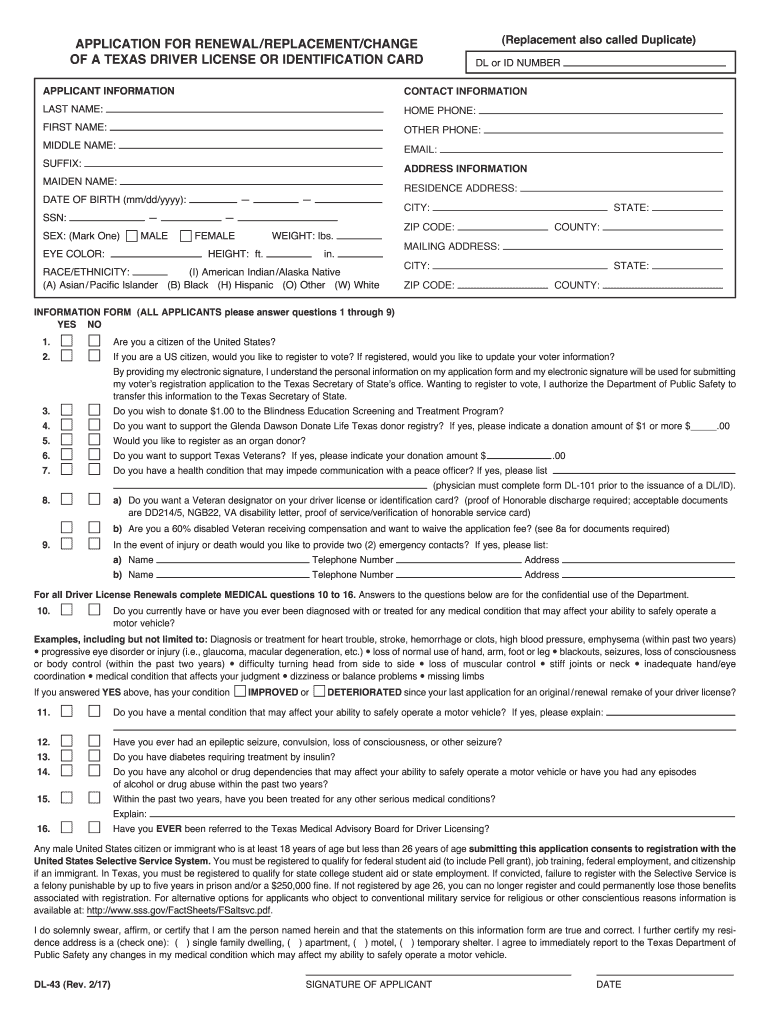
What to Expect During an In-Person Visit
If you are renewing in person, be prepared for the entire process. It might take an hour or more, depending on the office’s busyness and whether you need to take any tests.
- Vision Test: Most renewals require a vision test. You can often take this test at the driver’s license office. If you wear glasses or contact lenses for driving, bring them with you.
- Be Patient: Driver’s license offices can be busy. Bring a book or something to keep you occupied while you wait.
- Professionalism: While the staff are there to help, remember they are dealing with many people daily. Remain polite and patient.
By staying organized, utilizing online resources, and being prepared for the process, renewing your Texas driver’s license can be a straightforward task, allowing you to focus on your next adventure, be it exploring historical landmarks or enjoying the local gastronomy.
LifeOutOfTheBox is a participant in the Amazon Services LLC Associates Program, an affiliate advertising program designed to provide a means for sites to earn advertising fees by advertising and linking to Amazon.com. Amazon, the Amazon logo, AmazonSupply, and the AmazonSupply logo are trademarks of Amazon.com, Inc. or its affiliates. As an Amazon Associate we earn affiliate commissions from qualifying purchases.