
Nestled majestically in the heart of the Southwestern United States, Arizona stands as a land of breathtaking contrasts and boundless adventure. Often dubbed the “Grand Canyon State,” its very name conjures images of vast desert landscapes, towering saguaro cacti, ancient Native American heritage, and the awe-inspiring geological marvels that draw millions of visitors annually. If you’ve ever pondered the exact whereabouts of this sun-drenched paradise or what makes it such an indispensable travel destination, you’re about to embark on a comprehensive journey through its geography, culture, and myriad attractions.
Arizona’s strategic location within the continental USA places it at a fascinating crossroads of geology, climate, and cultural influence. It’s a state that offers an astonishing diversity of experiences, from the scorching deserts of its southern regions to the alpine forests and snow-capped peaks of the north. This unique blend of environments, combined with a rich tapestry of history and a vibrant contemporary culture, cements Arizona’s reputation as a premier destination for travelers seeking everything from serene natural beauty and exhilarating outdoor activities to luxurious resort experiences and deep dives into indigenous traditions. Whether you’re a first-time visitor or a seasoned explorer, understanding where Arizona lies on the map is merely the first step in uncovering the endless wonders that await within its borders.
Locating the Grand Canyon State: Arizona’s Geographical Footprint
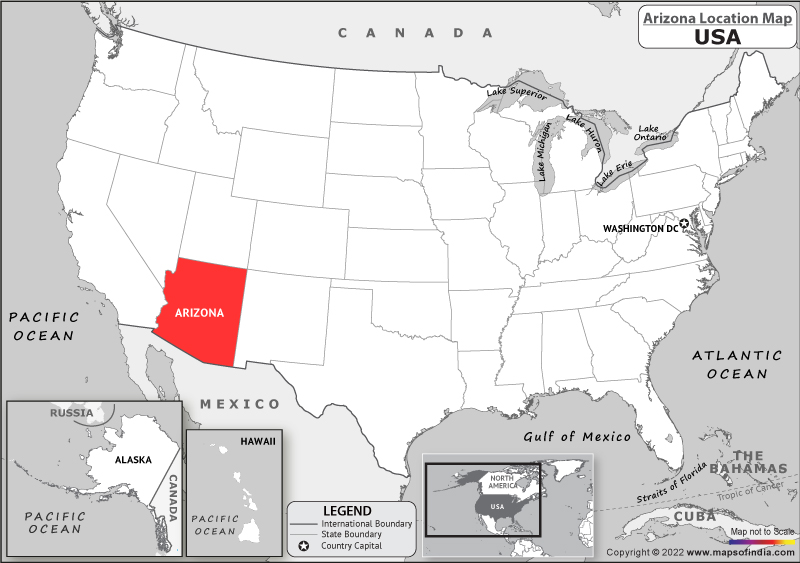
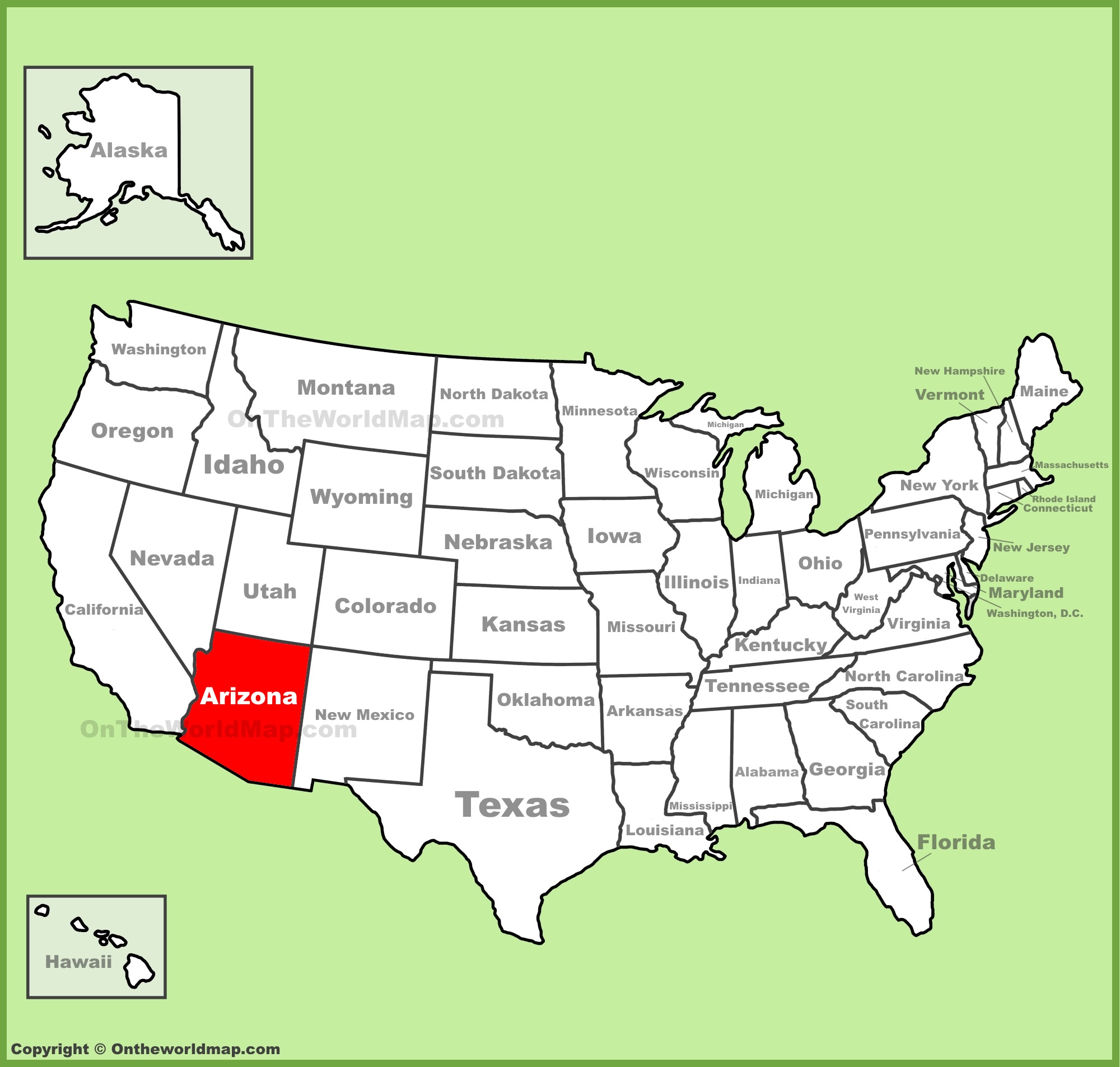
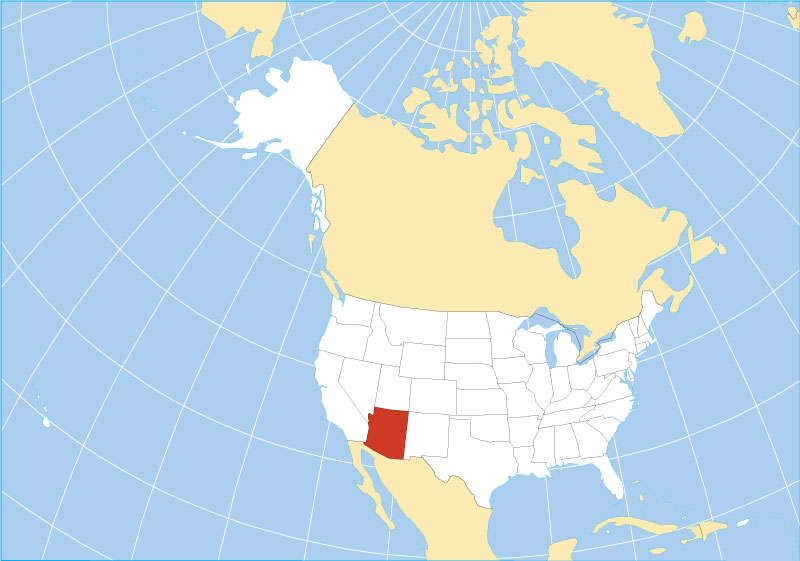
Arizona’s position in the Southwestern United States is central to its identity and the diverse experiences it offers. It’s a landlocked state that shares significant borders, making it accessible from various points across the nation and even from an international neighbor.
Borders and Neighboring States
To its west, Arizona shares an extensive border with California and Nevada, primarily defined by the mighty Colorado River, which has sculpted much of the region’s dramatic topography. This western proximity means that cities like Las Vegas and destinations in Southern California are relatively short drives away, making Arizona a popular add-on or primary destination for those exploring the broader American Southwest.
To the north, Arizona abuts Utah, leading into landscapes that echo the stunning red rock formations prevalent in both states. To the east, it borders New Mexico, sharing cultural influences and vast, open spaces. Uniquely, Arizona is also one of the four states that meet at the famous Four Corners monument, along with Utah, Colorado, and New Mexico, marking the only point in the USA where four states converge. Southward, Arizona shares a substantial international border with Mexico, contributing to a rich bicultural heritage and culinary landscape that infuses much of its southern cities. This international connection is particularly evident in cities like Tucson and Nogales, where Mexican influence on food, art, and traditions is palpable and celebrated.
Key Geographical Features
Arizona’s geographical tapestry is exceptionally varied, broadly divided into three main regions: the Basin and Range region in the south and west, the Transition Zone (also known as the Mogollon Rim) running diagonally across the state, and the Colorado Plateau in the north.
The southern and western parts of the state are dominated by the Sonoran Desert, a unique and ecologically rich hot desert environment. This is where the iconic saguaro cactus thrives, creating a quintessential Arizona landscape. Cities like Phoenix, Tucson, and Yuma are situated within this desert expanse, known for their warm winters and hot summers. The Basin and Range province is characterized by isolated mountain ranges separated by flat, arid basins.
Cutting across the central part of Arizona is the Mogollon Rim, a dramatic escarpment that stretches for hundreds of miles, marking a significant transition in elevation and climate. This area features pine forests, cooler temperatures, and a more temperate climate, making it a popular escape from the desert heat. Towns like Payson and Heber-Overgaard are located near this impressive geological feature.
Further north lies the Colorado Plateau, a vast, high-desert region characterized by incredible canyons, buttes, and mesas. This is the home of Arizona’s most famous natural wonder, the Grand Canyon, an immense chasm carved by the Colorado River over millions of years. Other iconic landmarks in this region include Monument Valley on the Navajo Nation, Antelope Canyon, and Horseshoe Bend near Page. Flagstaff, a mountain city surrounded by the largest contiguous Ponderosa pine forest in the world, serves as a gateway to the Grand Canyon and other northern Arizona attractions. This geographical diversity ensures that Arizona offers a stunning array of outdoor activities and scenic beauty, catering to every type of traveler.
Arizona’s Irresistible Allure: A Tapestry of Travel Experiences
Arizona’s geographical diversity translates into an unparalleled range of travel experiences, making it a magnet for adventurers, culture enthusiasts, and those simply seeking relaxation under its perpetually sunny skies. From world-renowned natural wonders to vibrant urban centers and a deep connection to indigenous heritage, Arizona presents a compelling tapestry of attractions.
Iconic Landmarks and Natural Wonders
The crown jewel of Arizona, and arguably one of the most magnificent natural formations on Earth, is the Grand Canyon. This UNESCO World Heritage site, carved by the Colorado River, offers vistas that defy imagination, whether viewed from its North or South Rims, hiked into its depths, or explored via exhilarating rafting trips. But the natural splendor hardly stops there.
In northern Arizona, the otherworldly landscapes of Monument Valley, with its towering sandstone buttes, evoke classic Western film scenes and provide a profound glimpse into the spiritual homeland of the Navajo Nation. Nearby, the slot canyons of Antelope Canyon and the dramatic bend of the Colorado River at Horseshoe Bend offer photographers and sightseers equally stunning natural artistry.
Moving south, Sedona captivates visitors with its majestic red rock formations, often believed to possess spiritual vortexes. Red Rock State Park and countless hiking trails offer direct access to this stunning scenery. The Sonoran Desert itself is a landmark, particularly within Saguaro National Park near Tucson, where forests of the iconic saguaro cactus stand sentinel. East of Flagstaff, the Petrified Forest National Park showcases ancient fossilized trees and the vibrant Painted Desert. Other notable natural attractions include the unique underground formations of Kartchner Caverns State Park and the ecologically vital Organ Pipe Cactus National Monument near the Mexican border.
Vibrant Cities and Cultural Hotspots
Arizona’s urban centers provide a stark contrast to its wild landscapes, offering bustling cultural scenes, world-class dining, and diverse entertainment.
The state capital, Phoenix, is a sprawling metropolis in the heart of the Sonoran Desert. It’s a hub for arts, culture, and sports, boasting an array of museums like the Hearn Museum dedicated to Native American art and culture, as well as a thriving culinary scene. Its surrounding communities like Scottsdale are renowned for luxury resorts, vibrant nightlife in Old Town Scottsdale, high-end shopping, and a burgeoning art gallery district. Tempe, home to Arizona State University, offers a lively atmosphere centered around Mill Avenue, replete with restaurants, bars, and cultural events. Mesa, the third-largest city, provides family-friendly attractions and a gateway to outdoor activities in the Superstition Mountains.
Tucson, Arizona’s second-largest city, exudes a distinct Southwestern charm with its historic adobe architecture, Mexican culinary influences, and a strong connection to its Native American and Spanish colonial past. It’s home to the Pima Air & Space Museum and a gateway to the scenic Mount Lemmon and Kitt Peak Observatory.
Flagstaff, situated at a high elevation, offers a completely different vibe. It’s a cool mountain town surrounded by pine forests, a popular destination for skiing in winter and hiking in summer. Its historic downtown and proximity to Lowell Observatory, where Pluto was discovered, add to its appeal. Sedona, beyond its natural beauty, has cultivated a reputation as a center for art, wellness, and spiritual retreats. Historic towns like Tombstone, famous for its Wild West history and the O.K. Corral shootout, and the charming artist community of Jerome, a former copper mining town perched on a hillside, offer unique glimpses into Arizona’s past. Even Lake Havasu City, home to the transplanted London Bridge, offers a peculiar and popular aquatic escape.
Unique Lifestyle and Activities
The Arizona lifestyle is deeply intertwined with its environment. Outdoor enthusiasts find endless opportunities for hiking, mountain biking, rock climbing, and river rafting. The state boasts some of the country’s most spectacular golf courses, often set against stunning desert or mountain backdrops. Hot air ballooning over the Sonoran Desert or Sedona’s red rocks offers an unforgettable perspective.
For those seeking relaxation and rejuvenation, Arizona’s numerous luxury resorts in Phoenix and Scottsdale offer world-class spa treatments, exquisite dining, and championship golf. Stargazing is another cherished activity, particularly in northern Arizona, which boasts some of the darkest night skies in the nation, thanks to its commitment to dark sky preservation.
Culturally, Arizona is rich with the heritage of numerous Native American tribes, including the Hopi, Navajo, Apache, and Tohono O’odham. Visitors can explore tribal lands, visit cultural centers, and experience authentic ceremonies and art. The influence of Mexican culture is also pervasive, particularly in southern Arizona, reflected in its architecture, festivals, and especially its vibrant Southwestern cuisine. From roadside taco stands to upscale fine dining, the food scene is an adventure in itself. Driving sections of historic Route 66 in northern Arizona also offers a nostalgic journey through Americana. For those interested in innovative architecture and sustainable living, sites like Arcosanti and Biosphere 2 provide fascinating insights.
Accommodating Your Arizona Adventure: From Luxury to Local Stays
With such a vast array of attractions and experiences, Arizona also offers an equally diverse range of accommodation options to suit every preference, budget, and travel style. Whether you’re planning a luxurious escape, a budget-friendly adventure, a family trip, or a business stay, the state provides exceptional choices.
Diverse Hotel and Resort Options
Arizona is particularly renowned for its world-class resorts, especially in the greater Phoenix and Scottsdale areas. These establishments epitomize luxury travel, offering expansive pools, championship golf courses, award-winning spas, fine dining restaurants, and impeccable service. Iconic examples include The Phoenician, a truly opulent resort at the base of Camelback Mountain in Scottsdale, and the historic Arizona Biltmore, a Waldorf Astoria Resort known for its Frank Lloyd Wright-inspired architecture. The JW Marriott Scottsdale Camelback Inn Resort & Spa offers a blend of historic charm and modern amenities amidst breathtaking desert scenery. In Sedona, Enchantment Resort is famed for its stunning red rock views and spiritual ambiance, providing an unparalleled luxury experience integrated with nature. These resorts cater not just to leisure travelers but also provide excellent facilities for business stays, conferences, and events.
Beyond the ultra-luxury market, Arizona offers a plethora of mid-range and budget-friendly hotels across all its major cities and tourist hubs. From well-known chain hotels to independent boutique properties, travelers can find comfortable and convenient lodging options that provide excellent value. Many of these hotels feature amenities like swimming pools, fitness centers, and complimentary breakfast, catering to the needs of families, couples, and solo travelers alike. In cities like Flagstaff, you’ll find cozy hotels perfect for a ski trip or a base for exploring the Grand Canyon, while Tucson offers a mix of historic inns and modern hotels reflecting its unique cultural heritage.
Beyond Hotels: Unique Accommodation Choices
For those seeking a more immersive or distinctive experience, Arizona’s accommodation landscape extends far beyond traditional hotels. Vacation rentals, including apartments, villas, and private homes, are incredibly popular, especially for longer stays or for groups and families. Platforms dedicated to accommodation comparison and booking make it easy to find everything from chic urban lofts to sprawling desert ranches, offering a “home away from home” experience.
For nature lovers, camping and glamping sites are abundant, particularly around national parks and forests. Imagine waking up to sunrise over the Grand Canyon or sleeping under a blanket of stars in the Sonoran Desert. There are also numerous RV parks throughout the state, accommodating the growing trend of road trips and mobile living. For a truly unique and long-term stay experience, some visitors opt for extended stays in themed properties like historic dude ranches, which offer a taste of Arizona’s cowboy past, or eco-lodges that focus on sustainable tourism practices. These alternative accommodations often provide unique activities and a deeper connection to the local culture and environment, aligning perfectly with the desire for authentic experiences. Whether you’re reviewing options for their amenities, comparing prices, or looking for something truly out of the ordinary, Arizona’s lodging sector is equipped to make your stay memorable.
Planning Your Arizona Journey: Tips for an Unforgettable Trip
Embarking on an Arizona adventure requires a bit of planning to fully appreciate its grandeur and navigate its unique characteristics. With its vast distances, diverse climates, and wealth of attractions, a well-thought-out itinerary can significantly enhance your travel experience.
Best Time to Visit and Getting Around
The “best” time to visit Arizona largely depends on your desired activities and the specific region you plan to explore. For hiking, outdoor activities, and enjoying the desert cities like Phoenix and Tucson, the spring (March to May) and fall (September to November) seasons are ideal. During these months, temperatures are pleasantly warm, rainfall is minimal, and the desert flora, including the saguaro cactus, can be in bloom, offering spectacular scenery. Winter (December to February) is also excellent for southern Arizona, with mild, sunny days perfect for golfing and exploring. However, if your itinerary includes northern destinations like the Grand Canyon, Flagstaff, or Sedona, summer (June to August) offers warmer temperatures, but can also bring monsoon rains and afternoon thunderstorms, especially in higher elevations. These northern areas are popular for escaping the desert heat, and winter brings snow, making them ideal for winter sports.
Given the vast distances between many of Arizona’s attractions, a rental car is almost essential for independent exploration. The state has an excellent network of highways, including scenic routes that are destinations in themselves, such as historic Route 66. Major airports in Phoenix (Phoenix Sky Harbor International Airport) and Tucson (Tucson International Airport) serve as primary entry points, offering a wide selection of car rental agencies. For those who prefer not to drive, guided tours are available for popular destinations like the Grand Canyon and Antelope Canyon, often departing from major cities.
Essential Travel Tips
Regardless of when you visit, hydration is paramount in Arizona, especially in the desert regions. Always carry plenty of water, even for short excursions. Sun protection is also crucial; wear wide-brimmed hats, sunglasses, and use high-SPF sunscreen. Layers of clothing are advisable, as temperatures can fluctuate significantly between day and night, and between different elevations.
When exploring Native American lands, such as the Navajo Nation or Hopi reservations, always respect local customs and regulations. Some areas may require permits for hiking or photography, and many guided tours are led by tribal members, offering invaluable insights into their culture and history. Booking accommodations and popular tours, particularly for the Grand Canyon or Antelope Canyon, well in advance is highly recommended, especially during peak seasons. This is particularly true for unique stays like luxury resorts or specific wilderness lodges.
Consider purchasing an America the Beautiful Pass if you plan to visit multiple national parks or monuments, as it can offer significant savings on entry fees. Finally, embrace the local culture, from savoring authentic Southwestern and Mexican cuisine to exploring the vibrant art scenes in Sedona and Scottsdale. Arizona offers a deeply enriching travel experience, full of contrasts and wonders that promise lasting memories.
Arizona, undeniably, holds a prominent and captivating position in the USA’s Southwestern United States. More than just a location on a map, it is a vibrant destination that embodies the spirit of exploration, natural grandeur, and cultural richness. From the monumental depths of the Grand Canyon and the spiritual allure of Sedona’s red rocks to the bustling urban sophistication of Phoenix and Scottsdale, the state offers a mosaic of experiences designed to enthrall every type of traveler. Its unique blend of desert and mountain landscapes, ancient heritage, and modern amenities ensures that a journey to Arizona is far more than just a trip—it’s an unforgettable adventure into one of America’s most dynamic and beautiful states.
LifeOutOfTheBox is a participant in the Amazon Services LLC Associates Program, an affiliate advertising program designed to provide a means for sites to earn advertising fees by advertising and linking to Amazon.com. Amazon, the Amazon logo, AmazonSupply, and the AmazonSupply logo are trademarks of Amazon.com, Inc. or its affiliates. As an Amazon Associate we earn affiliate commissions from qualifying purchases.