
The question of whether people from Puerto Rico are US Citizens is one that often sparks curiosity and, at times, confusion among those unfamiliar with the unique political status of this vibrant Caribbean island. The definitive answer is yes: individuals born in Puerto Rico are indeed US citizens. However, this status comes with a distinct set of rights, responsibilities, and nuances that set them apart from citizens born in one of the 50 states or Washington D.C.. Understanding this relationship requires a dive into history, an exploration of constitutional law, and an appreciation for the island’s rich culture and its implications for travel, tourism, and lifestyle. For anyone considering a visit, extended stay, or simply curious about this fascinating territory, comprehending the fabric of Puerto Rico’s relationship with the United States is essential.
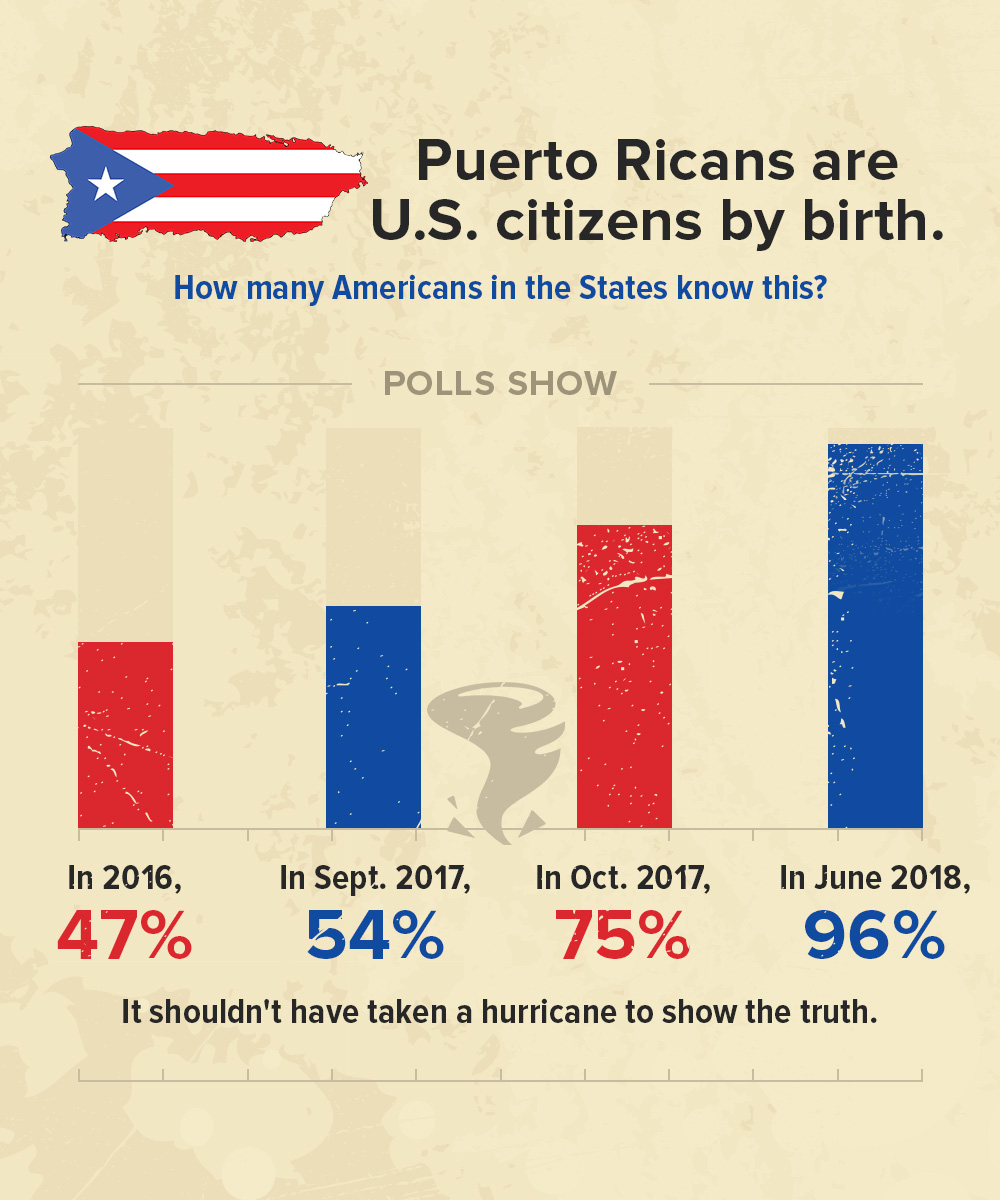
For travelers, the implications of this citizenship status are particularly significant. As US citizens, Puerto Ricans can travel freely between the island and the mainland United States without the need for passports or visas, much like traveling between any two states. This seamless mobility contributes to a dynamic cultural exchange and facilitates the strong ties many Puerto Ricans maintain with family and opportunities on the mainland, particularly in cities like New York and Florida. For visitors from the United States, a trip to Puerto Rico offers an exotic escape that feels international but requires no passport, making it an incredibly accessible destination. This unique blend of American familiarity and vibrant Caribbean flair is part of what makes Puerto Rico such an appealing and important travel destination.
The Historical Context: How Puerto Ricans Became US Citizens
The journey to US citizenship for Puerto Ricans is rooted in geopolitical events at the turn of the 20th century. Before 1898, Puerto Rico was a colony of Spain for over 400 years, a period that profoundly shaped its language, culture, and identity. The pivotal moment arrived with the Spanish-American War. Following the conflict, the United States emerged victorious, and as a result of the Treaty of Paris signed in December 1898, Spain ceded Puerto Rico, along with Cuba and Guam, to the United States. This transfer marked the end of Spanish colonial rule and the beginning of Puerto Rico’s complex relationship with its new sovereign power.
The Foraker Act of 1900
Initially, after the cession, the status of Puerto Ricans was ambiguous. The United States Congress passed the Foraker Act in 1900, which established a civilian government for Puerto Rico and classified its inhabitants as “citizens of Puerto Rico.” This act laid the groundwork for the island’s governance as an unincorporated territory, meaning that the full protections of the US Constitution would not automatically apply. The Foraker Act also made it clear that Puerto Rico was not a foreign country but was also not fully integrated into the United States. This was a crucial distinction, shaping the legal and political framework for decades to come, particularly through the Insular Cases, a series of Supreme Court decisions that further defined the rights of people in unincorporated territories.
The Jones-Shafroth Act of 1917
The significant shift to US citizenship occurred with the passage of the Jones-Shafroth Act in 1917. This landmark legislation granted collective US citizenship to all Puerto Ricans. The motivations behind this act were multifaceted, including the desire to simplify administrative matters, align Puerto Rico more closely with American ideals, and, notably, to make Puerto Ricans eligible for conscription into the US military during World War I. While the act granted citizenship, it did not alter Puerto Rico’s status as an unincorporated territory. This means that while Puerto Ricans are citizens, they do not have the same political representation or full constitutional rights as citizens residing in a state. This unique arrangement continues to be a subject of ongoing debate and discussion about the island’s political future.
Rights and Responsibilities: What US Citizenship Means for Puerto Ricans
For Puerto Ricans, US citizenship brings a host of benefits and some notable limitations compared to their fellow Americans on the mainland. Understanding these differences is key to appreciating the intricacies of Puerto Rico’s status.
Travel and Mobility
One of the most immediate and tangible benefits of US citizenship for Puerto Ricans is the freedom of movement. They can move, live, and work anywhere within the United States without immigration restrictions. This has led to significant migration patterns over the decades, with large Puerto Rican communities flourishing in states like New York, Florida, and New Jersey. This ease of travel is a double-edged sword; while it offers economic opportunities and family reunification, it also contributes to brain drain from the island, particularly during economic downturns or after natural disasters. For those planning their travels, this means that flights between Puerto Rico and the mainland are considered domestic, requiring only a government-issued ID like a driver’s license for travel, just as one would need for a flight from California to Texas. This simplifies travel logistics, making Puerto Rico an exceptionally convenient destination for American tourists seeking a taste of international flair without the international hassle.
Federal Benefits and Services
As US citizens, Puerto Ricans are eligible for many, though not all, federal benefits and services. This includes access to social security, Medicare, Medicaid (though with different funding structures and caps compared to states), and various federal housing and educational programs. However, the funding for many of these programs is often structured differently and can be less generous than what is provided to states, creating disparities in essential services. For instance, Supplemental Security Income (SSI) and the Supplemental Nutrition Assistance Program (SNAP) are modified or replaced by block grants with lower funding levels in Puerto Rico, impacting the standard of living for many residents. This complex framework highlights the “unequal citizenship” that is a hallmark of Puerto Rico’s territorial status.
Political Representation and Limitations
The most significant limitation of US citizenship for Puerto Ricans is the lack of full political representation at the federal level. While they can vote in presidential primaries, they cannot vote in the general election for president or vice president while residing on the island. Puerto Rico also has a non-voting Resident Commissioner in the House of Representatives, who can introduce legislation and vote in committees but cannot cast a vote on the House floor. This unique situation means that approximately 3.2 million US citizens living in Puerto Rico do not have a say in the laws that govern them or the leader of their nation. This lack of full political power is a central argument in the ongoing debate over Puerto Rico’s political status.
Exploring Puerto Rico: A US Territory with a Unique Identity
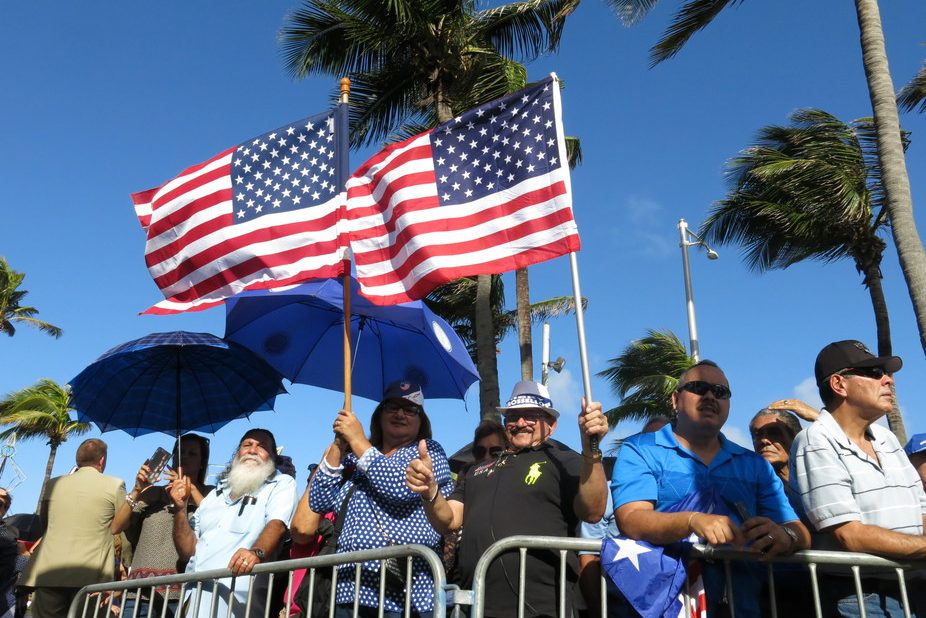
Beyond its political status, Puerto Rico is a captivating destination, a harmonious blend of American convenience and vibrant Caribbean and Latin American culture. For travelers, the island offers an incredible array of experiences, from historic landmarks to breathtaking natural wonders, all enhanced by the warmth and hospitality of the Boricua people. The fact that it uses the US Dollar and English is widely spoken alongside Spanish adds to the ease of travel for many American visitors, although embracing the Spanish language and local customs enriches the experience exponentially.
Iconic Landmarks and Natural Wonders
Puerto Rico boasts a treasure trove of landmarks that tell its compelling story. The historic capital, San Juan, is home to Old San Juan, a UNESCO World Heritage site renowned for its colorful Spanish colonial architecture, cobblestone streets, and formidable fortresses. Walking through Old San Juan is like stepping back in time, with the iconic El Morro and La Fortaleza standing as testaments to centuries of defense against colonial powers. These structures offer not only historical insights but also unparalleled panoramic views of the Atlantic Ocean, perfect for photography and exploration.
Beyond the city, Puerto Rico is a paradise for nature lovers. The El Yunque National Forest, the only tropical rainforest in the US National Forest System, invites visitors to hike lush trails, discover hidden waterfalls, and marvel at its unique biodiversity. The island’s pristine beaches are world-class, from the calm, turquoise waters of Flamenco Beach on Culebra island, often ranked among the world’s best, to the vibrant shores of Luquillo Beach near El Yunque. A truly magical experience awaits at one of Puerto Rico’s three Bioluminescent Bays (Mosquito Bay in Vieques being the brightest), where microorganisms light up the water at night, creating an ethereal glow.
Immersive Cultural and Culinary Experiences
Puerto Rico’s culture is a vibrant tapestry woven from Spanish, African, and Taíno influences, reflected in its music, art, and festivals. Visitors can immerse themselves in the rhythm of salsa, bomba, and plena, explore the rich tradition of vejigante masks, and discover local artisans. The culinary scene is a journey in itself, offering a delectable fusion of flavors. From savory mofongo and crispy bacalaítos to refreshing piña coladas (said to have originated here), Puerto Rican food is a highlight for many. Exploring local chinchorros (roadside kiosks) and upscale restaurants alike provides a true taste of the island’s soul. Tourism here isn’t just about sightseeing; it’s about connecting with the spirit of the Boricua people and their way of life.
Accommodation and Travel Logistics for Visitors
As a major Caribbean destination, Puerto Rico offers a diverse range of accommodations to suit every budget and lifestyle. From luxurious resorts in areas like Condado and Dorado, offering world-class amenities and pristine beach access, to charming boutique hotels nestled in Old San Juan’s historic buildings, there are options for every type of traveler. Vacation rentals, including apartments and villas, are also popular, especially for longer stays or family trips, providing a more authentic local experience. Budget travelers can find comfortable guesthouses and hostels, particularly in popular surfing towns like Rincon or near natural attractions.
Booking travel to Puerto Rico is straightforward for US citizens, as no passport is required. Major airlines offer frequent flights to Luis Muñoz Marín International Airport in San Juan (SJU) from various US cities. Once on the island, renting a car is often recommended for exploring beyond San Juan and reaching destinations like El Yunque, Fajardo for ferry access to Vieques and Culebra, or the tranquil towns of the west coast. Local guides are readily available for specialized tours, from deep-sea fishing to culinary excursions, enhancing the travel experience.
The Ongoing Debate: Status and Future
Despite the grant of US citizenship over a century ago, the ultimate political status of Puerto Rico remains a deeply divisive and persistent issue. The current commonwealth status, while providing certain autonomies, is often criticized for its inherent inequalities and limitations.
Statehood vs. Independence vs. Commonwealth
The debate primarily revolves around three main options:
- Statehood: Advocates for statehood argue that full integration into the United States as the 51st state would grant Puerto Ricans equal rights, full federal funding, and voting representation in Congress and for president. This would also mean full application of the US Constitution and an end to the territorial status.
- Independence: Proponents of independence envision Puerto Rico as a sovereign nation, free to forge its own path on the global stage. This would involve establishing its own currency, foreign policy, and complete self-governance. While it would mean giving up US citizenship (or at least jus soli citizenship for future generations), it promises full national identity and self-determination.
- Enhanced Commonwealth: Some support an enhanced commonwealth status, seeking to maintain the unique relationship with the United States while addressing the current inequalities. This option aims for greater autonomy and federal benefits without full statehood or complete separation.
Multiple plebiscites have been held on the island to determine the will of the people, but the results have often been contentious, non-binding, or unrecognized by the US Congress, leading to continued political stalemate.

Economic and Lifestyle Implications
The resolution of Puerto Rico’s status would have profound economic and lifestyle implications. Statehood could bring economic stability through equal federal funding and investment, potentially improving infrastructure and public services, and standardizing tax laws. However, it would also mean paying federal income taxes, which Puerto Ricans currently do not pay on income earned on the island. Independence would bring complete fiscal autonomy but also the challenge of building a new economy from the ground up, with potential initial disruptions to trade and aid. The current commonwealth status, while familiar, struggles with economic challenges and the limitations of being a non-sovereign entity.
For residents, the debate is deeply personal, touching on identity, economic survival, and aspirations for the future. For visitors, understanding this ongoing dialogue provides a richer context for appreciating the resilience, spirit, and complex reality of life in Puerto Rico. The island’s future, whether as a state, an independent nation, or an evolved commonwealth, will undoubtedly continue to shape the lives of its US citizens and its allure as a premier global destination.
In conclusion, yes, people born in Puerto Rico are indeed US citizens, a status granted more than a century ago. This citizenship provides significant benefits, particularly in terms of travel and access to the mainland, but it also comes with unique limitations in political representation and federal funding due to Puerto Rico’s status as an unincorporated territory. This complex relationship defines much of the island’s present and future, influencing everything from its economy to its vibrant culture. For travelers and those interested in lifestyle and tourism, Puerto Rico offers an unforgettable experience, rich in history, natural beauty, and a resilient, welcoming spirit, all within the framework of its fascinating connection to the United States.
LifeOutOfTheBox is a participant in the Amazon Services LLC Associates Program, an affiliate advertising program designed to provide a means for sites to earn advertising fees by advertising and linking to Amazon.com. Amazon, the Amazon logo, AmazonSupply, and the AmazonSupply logo are trademarks of Amazon.com, Inc. or its affiliates. As an Amazon Associate we earn affiliate commissions from qualifying purchases.