
California, a state renowned for its diverse and stunning coastline, offers a bounty of oceanic delights. Among its most cherished culinary and recreational pursuits is crabbing. Whether you’re a seasoned angler or a curious traveler eager to experience a slice of local life, understanding the intricacies of crabbing season in California is paramount to a successful and enjoyable outing. This guide delves into the best times to cast your lines, the prime locations, and what you need to know to make the most of this quintessential California coastal experience.
The appeal of crabbing in California extends beyond just the thrill of the catch. It’s an activity deeply intertwined with the state’s vibrant tourism scene, offering a hands-on way to connect with the Pacific Ocean and its rich marine ecosystem. From the rugged shores of the north to the sun-drenched beaches of the south, each region presents unique opportunities for crabbing, attracting visitors seeking authentic local experiences and delicious, fresh seafood. This exploration will equip you with the knowledge to plan your crabbing adventure, ensuring you arrive at the right time to maximize your chances of a bountiful haul.
Understanding California’s Crabbing Seasons
California’s crabbing seasons are not a monolithic entity. Instead, they are dictated by the specific species of crab you intend to catch and the regulatory frameworks established by the California Department of Fish and Wildlife (CDFW) to ensure the sustainability of these valuable marine resources. The two primary species sought by recreational crabbers along the California coast are the Dungeness crab and the rock crab. Each has its own nuances in terms of peak season and optimal catching conditions.
Dungeness Crab: The Crown Jewel of California Crabbing
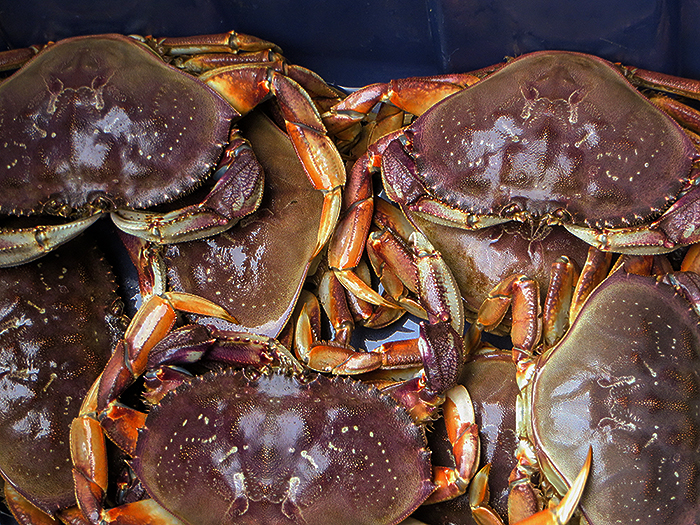
The Dungeness crab (Metacarcinus magister) is arguably the most sought-after crab species in California, celebrated for its sweet, succulent meat. Its season is generally more defined and is a significant driver for tourism in coastal communities during the autumn and winter months.
The Official Dungeness Crab Season
The commercial Dungeness crab season typically opens on November 15th in the Klamath River north of the California/Oregon border and runs through July 15th. However, for recreational crabbing, the regulations are a bit more permissive, allowing for a broader window.
Recreational Dungeness Crab Season in California:
- Northern California (North of the Golden Gate Bridge): Generally, the recreational season for Dungeness crab opens on November 1st and closes on June 30th. This extended period offers ample opportunity for anglers to enjoy this prized catch.
- Southern California (South of the Golden Gate Bridge): The regulations are slightly different here. While Dungeness crabs do inhabit Southern California waters, they are not as abundant as in the north. Recreational crabbing for Dungeness crab is open year-round south of the Golden Gate Bridge. However, the peak abundance and best catches are still often associated with the cooler months, mirroring the patterns observed in the northern waters.
It’s crucial to note that these dates are subject to change based on CDFW pronouncements, particularly concerning the health of the crab population and any necessary conservation measures. Always check the official CDFW website for the most up-to-date regulations before planning your trip. Factors such as ocean conditions, recent storm activity, and the presence of red tides can also influence catch rates and the desirability of fishing during certain periods.
Rock Crab: A Year-Round Delight
Rock crabs, encompassing species like the brown rock crab (Cancer antennarius), red rock crab (Cancer productus), and yellow rock crab (Cancer anthonyi), offer a more accessible crabbing experience for many, as they are available for harvest throughout the year in much of the state.
Recreational Rock Crab Season in California:
- Statewide: Rock crab fishing is open year-round along the entire California coast. This means that regardless of when you visit, you can often find opportunities to catch rock crabs.
While the season is open year-round, understanding the best times can still enhance your experience. Rock crabs tend to be more active and easier to catch when the ocean conditions are favorable. Warmer months often bring calmer seas, making it more comfortable for boat-based crabbing or pier fishing. However, some experienced crabbers find that crabs can be more plentiful in deeper waters during the cooler months. The key for rock crab is often finding the right habitat rather than adhering to a strict calendar.
Planning Your California Crabbing Adventure
A successful crabbing trip involves more than just knowing when to go. It requires careful planning, from selecting your gear to choosing the perfect location. California’s diverse coastline offers a plethora of crabbing spots, each with its own unique charm and potential for a good catch. This section will guide you through the essential elements of preparing for your crabbing excursion, ensuring you are well-equipped and informed.
Choosing Your Crabbing Location
California boasts a long and varied coastline, with crabbing opportunities available from the rugged northern shores to the more developed southern beaches. The choice of location can significantly impact your experience, influencing the type of crab you might encounter and the overall atmosphere of your adventure.

Prime Crabbing Destinations
-
Northern California:
- Eureka and Humboldt Bay: This region is renowned for its abundant Dungeness crab populations. Humboldt Bay is a large, sheltered body of water, making it ideal for crabbing from piers, jetties, or even by kayak. The nearby town of Eureka offers excellent charter options and amenities for visiting anglers.
- Bodega Bay: Located just north of the San Francisco Bay Area, Bodega Bay is another hotspot for Dungeness crab. Its deep harbor and proximity to the open ocean make it a prime spot for both recreational and commercial fishing. Numerous charter boats depart from here, offering guided crabbing tours.
- Fort Bragg: Known for its scenic beauty, Fort Bragg also offers excellent crabbing opportunities, particularly from its piers and along the Noyo River.
-
Central California:
- San Francisco Bay: While often associated with other types of fishing, the San Francisco Bay itself, particularly its northern reaches, can yield good catches of Dungeness and rock crabs. Piers in areas like Berkeley and Emeryville are popular.
- Monterey Bay: The famed Monterey Bay is a marine sanctuary and a fantastic location for crabbing. Piers in Santa Cruz and Monterey provide accessible spots, and charter boats can take you to deeper waters for more substantial hauls.
-
Southern California:
- Malibu: Beaches and piers in Malibu can offer opportunities for catching rock crabs, especially around rocky outcroppings.
- Santa Monica Pier: This iconic landmark is not just for tourists; it’s also a popular spot for recreational fishing, including crabbing for rock crabs.
- Long Beach: Areas around the breakwater in Long Beach can be productive for rock crab fishing from piers or by boat.
When selecting a location, consider your preferred method of crabbing (pier, shore, or boat) and the accessibility of amenities. Many coastal towns offer excellent lodging, from cozy inns to luxury resorts, making it easy to combine your crabbing adventure with a relaxing vacation.
Essential Crabbing Gear and Regulations
To ensure a safe and legal crabbing experience, you’ll need the right equipment and a thorough understanding of California’s fishing regulations. This knowledge not only ensures compliance but also enhances your chances of a successful outing.
What You Need to Go Crabbing
-
Crab Gear:
- Crab Rings or Traps: These are the most common tools. Rings are simpler and less expensive, while traps are generally more effective but bulkier. You can purchase these at most bait and tackle shops.
- Bait: Fresh bait is crucial. Mackerel, chicken thighs, or fish carcasses are popular choices.
- Rope and Buoy: For traps, you’ll need rope of sufficient length to reach the seafloor and a buoy to mark your trap.
- Measuring Gauge: This is essential for ensuring you only keep legal-sized crabs.
- Bucket or Cooler: To store your catch.
- Gloves: To protect your hands from sharp spines and the crabs themselves.
- Pliers or Tongs: For safely handling crabs.
-
California Fishing License:
A valid California fishing license is required for anyone 16 years of age or older who is taking or possessing any fish, shell-fish, or other marine life. There are exceptions for certain activities, but for general crabbing, a license is typically necessary. You can purchase licenses online through the CDFW website or at authorized license dealers. -
Crab Regulations:
- Size Limits: This is one of the most critical regulations. Dungeness crabs must measure at least 5 ¾ inches across the carapace (from spine tip to spine tip). Rock crabs must measure at least 4 ½ inches across the carapace. Any crab smaller than this must be immediately released.
- Bag Limits: While there are generally no daily bag limits for recreational crabbers in California for Dungeness and rock crabs, it’s always wise to check the most current regulations, as these can be subject to change.
- Gear Restrictions: There may be specific rules regarding the types of traps, the number of traps you can set, and how they must be marked.
- Closed Areas: Certain areas may be closed to crabbing due to environmental concerns or conservation efforts.
Familiarizing yourself with the CDFW’s “Sport Fishing Regulations” booklet is highly recommended. This comprehensive guide details all the rules and regulations for fishing and crabbing in California, ensuring you are fully compliant and can focus on enjoying your adventure.
Maximizing Your Crabbing Experience
Beyond the regulations and timing, several tips and techniques can elevate your crabbing trip from merely catching crabs to a truly memorable experience. Whether you’re looking for a family-friendly activity, a solo escape, or a culinary exploration, these insights will help you make the most of your time on the California coast.
Family Fun and Culinary Delights
Crabbing is an excellent activity for families, offering an engaging and educational experience for all ages. The anticipation of pulling up a crab trap and the excitement of discovering what lies within can create lasting memories.
- Kid-Friendly Crabbing: Choose accessible locations like piers or calm bays. Keep the gear simple and focus on the fun of baiting the traps and watching them be pulled up. Ensure close supervision, especially around water.
- Cooking Your Catch: The freshest seafood is often the best. If you’ve had a successful haul, consider cooking your crabs immediately. Dungeness crab can be steamed, boiled, or even grilled. Rock crabs are also delicious when prepared simply. Many local restaurants and seafood markets can also prepare your catch for you if you prefer not to cook it yourself. This adds a delicious element to your trip, linking the activity directly to the local food culture.

Beyond the Catch: Integrating Crabbing with Travel
Your crabbing adventure can be seamlessly woven into a broader California travel experience. Many of the prime crabbing locations are situated in areas with significant tourist attractions, offering a perfect blend of outdoor activity and cultural exploration.
- Coastal Getaways: Plan your crabbing trip around visits to charming coastal towns. Explore local shops, enjoy fresh seafood at waterfront restaurants, and take in the stunning natural beauty of the California coast.
- Accommodation Options: From luxurious resorts overlooking the ocean to cozy beachfront apartments for longer stays, California offers a wide range of accommodations to suit every traveler’s needs and budget. Consider staying near your chosen crabbing spot to maximize your time on the water. Many hotels and rental properties cater to outdoor enthusiasts, providing amenities like gear storage and easy access to fishing areas.
- Exploring Landmarks: Many crabbing spots are near significant landmarks. For instance, crabbing in the San Francisco Bay Area can be combined with visits to the Golden Gate Bridge or Alcatraz Island. Similarly, crabbing in Southern California can be paired with visits to iconic piers or beaches that are famous tourist attractions.
By thoughtfully planning your crabbing season, selecting the right locations, equipping yourself properly, and embracing the surrounding travel opportunities, you can ensure a rewarding and enjoyable California coastal adventure that goes far beyond just the catch. Remember to always prioritize safety, respect the environment, and check the latest regulations from the California Department of Fish and Wildlife for a responsible and memorable experience.
LifeOutOfTheBox is a participant in the Amazon Services LLC Associates Program, an affiliate advertising program designed to provide a means for sites to earn advertising fees by advertising and linking to Amazon.com. Amazon, the Amazon logo, AmazonSupply, and the AmazonSupply logo are trademarks of Amazon.com, Inc. or its affiliates. As an Amazon Associate we earn affiliate commissions from qualifying purchases.