
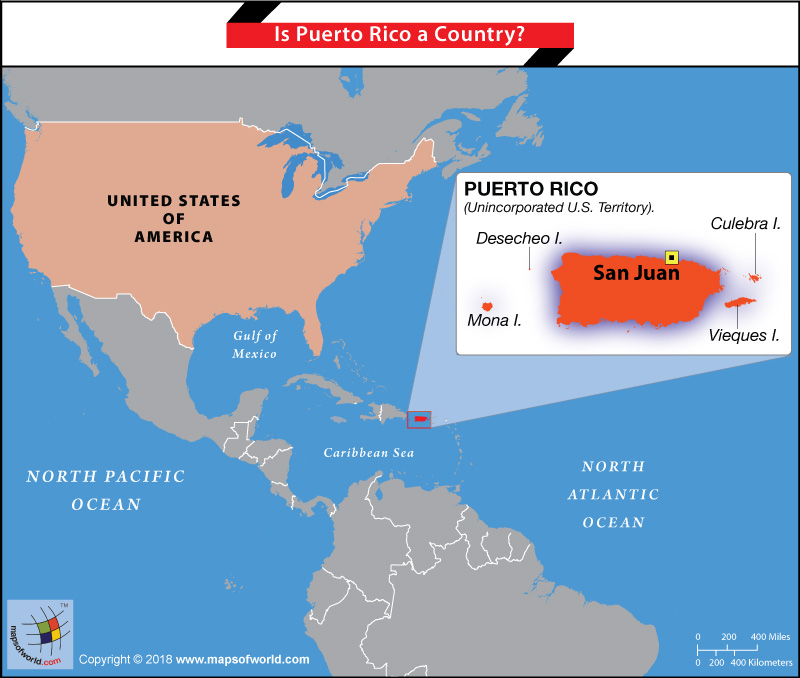
The question of whether Puerto Rico is a state of the United States is one that frequently arises, not just in political discourse but also among travelers planning a visit to this captivating Caribbean island. While it shares many characteristics with a U.S. state, from its currency to the citizenship of its inhabitants, the definitive answer is no: Puerto Rico is not a state. Instead, it holds the unique political status of an unincorporated territory of the United States, officially known as the Commonwealth of Puerto Rico. This distinction carries significant implications for its residents, its relationship with the federal government, and even for how visitors experience its rich culture and stunning landscapes.

For anyone considering Puerto Rico as a travel destination, understanding this unique status can enhance their appreciation for the island’s vibrant identity and the resilience of its people. It’s a place where American influence blends seamlessly with deep-rooted Caribbean and Spanish heritage, creating a truly singular experience. From the historic cobblestone streets of Old San Juan to the lush rainforests of El Yunque National Forest, Puerto Rico offers an abundance of attractions that appeal to every type of traveler, whether they seek adventure, relaxation, or cultural immersion. This article will delve into the intricacies of Puerto Rico’s status, explore what it means for travel, and highlight why this jewel of the Caribbean Sea remains a top destination for those seeking an unforgettable escape.
Unpacking Puerto Rico’s Unique Political Status
To truly understand Puerto Rico’s relationship with the United States, one must delve into its complex history and the specific legal framework that governs its existence. It’s a story of colonialism, cultural fusion, and an ongoing debate about self-determination that shapes daily life on the island.
A Brief Historical Overview
The island we now know as Puerto Rico was originally inhabited by the indigenous Taino people. Christopher Columbus landed there in 1493, claiming it for Spain, which then ruled the island for over 400 years. This long period of Spanish rule left an indelible mark on Puerto Rico’s language, architecture, religion, and cuisine, elements that are still profoundly evident today.
The shift to American sovereignty occurred relatively recently in historical terms. In 1898, at the conclusion of the Spanish-American War, Spain ceded Puerto Rico to the United States under the Treaty of Paris, along with Cuba, Guam, and the Philippines. Initially governed under military rule, Puerto Rico gradually gained more self-governance. In 1917, the United States Congress passed the Jones-Shafroth Act, granting U.S. citizenship to Puerto Ricans. However, this citizenship came with caveats; while Puerto Ricans could serve in the U.S. military and travel freely within the United States, they were not granted the full political rights of citizens residing in a state. This historical trajectory set the stage for its current, distinctive arrangement.
The Commonwealth Status Explained
Today, Puerto Rico operates as a commonwealth, meaning it is a self-governing unincorporated territory. This status grants the island significant autonomy over its local affairs, with its own constitution, governor, and legislative assembly. Residents of Puerto Rico do not pay federal income taxes on income earned on the island, but they do contribute to Social Security and Medicare, and they pay other federal taxes, such as import/export taxes.
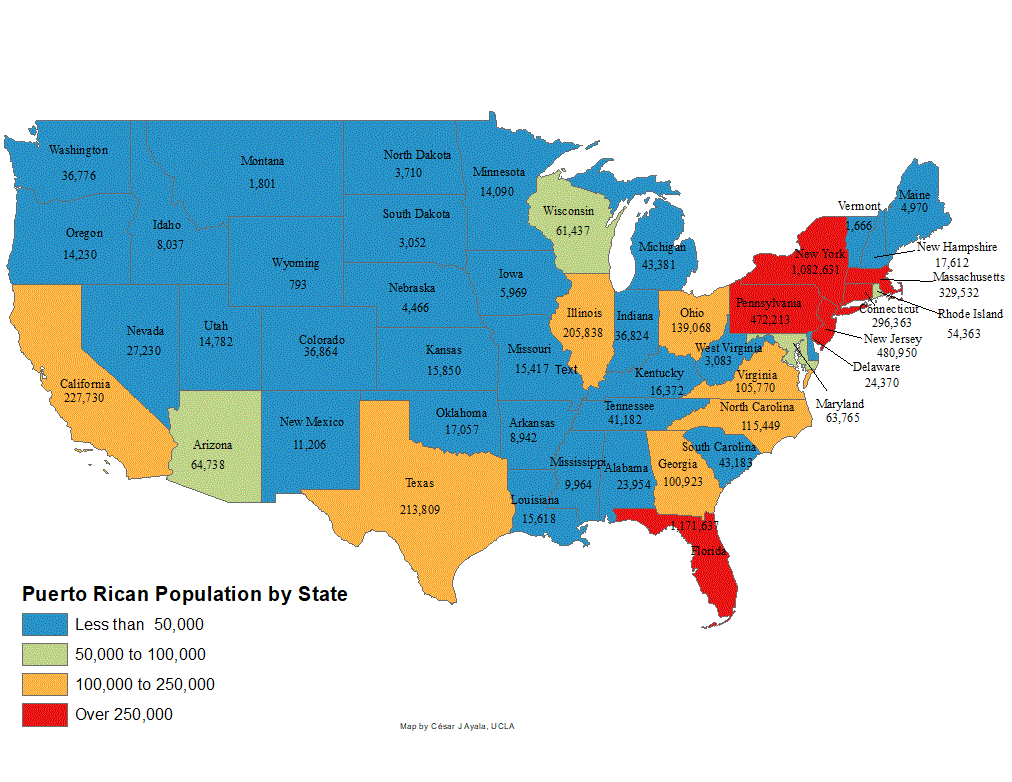
Crucially, while Puerto Ricans are U.S. citizens, they do not have voting representation in the United States Congress and cannot vote in presidential elections, unless they move to one of the 50 states. They elect a Resident Commissioner who can speak and vote in committees but cannot vote on final legislation on the floor of the House of Representatives. This “taxation without full representation” is a core tenet of the ongoing debate about the island’s future political status, which has seen several referendums on statehood, independence, or maintaining the commonwealth status, none of which have been fully binding or recognized by Congress. This unique arrangement shapes the economic and political landscape, making Puerto Rico a fascinating case study in governance and identity.
Traveling to Puerto Rico: What U.S. Citizens Need to Know
For the average American traveler, the distinction between a U.S. state and a U.S. territory often becomes most relevant when planning a trip. Fortunately, Puerto Rico’s commonwealth status makes travel remarkably straightforward and familiar, offering all the benefits of an international destination without many of the typical complexities.
Seamless Travel for Mainland Americans
One of the most significant advantages for U.S. citizens traveling to Puerto Rico is the absence of passport requirements. Because it is a U.S. territory, travel from the mainland United States to Puerto Rico is considered domestic travel. This means you won’t need to present a passport at any point; a valid government-issued ID, such as a driver’s license, is sufficient for boarding flights. This ease of entry simplifies the planning process, making spontaneous trips more feasible and reducing pre-travel stress, especially for families or first-time international travelers who might be daunted by passport applications and customs procedures.
Furthermore, direct flights are readily available from numerous major cities across the United States to San Juan’s Luis Muñoz Marín International Airport (SJU), making it an accessible getaway. Upon arrival, there are no customs checkpoints or immigration lines, streamlining the arrival experience and allowing travelers to begin their vacation almost immediately. This convenience truly positions Puerto Rico as an ideal “exotic yet accessible” destination, combining the allure of a tropical escape with the comfort of domestic travel.
Currency, Language, and Legal Framework
The familiarities continue throughout your stay. The official currency in Puerto Rico is the U.S. dollar, eliminating the need for currency exchange and making budgeting straightforward. Credit cards and debit cards are widely accepted, and ATMs are plentiful, just as they are on the mainland. This financial continuity means visitors can manage their expenses with ease, whether they’re booking a luxury suite at the Dorado Beach, a Ritz-Carlton Reserve or haggling for souvenirs in a local market.
While Spanish is the dominant language and the primary language of instruction in schools, English is also an official language and widely spoken, particularly in tourist areas like San Juan, Condado, and Isla Verde. Most signs are bilingual, and service staff in hotels, restaurants, and attractions are generally proficient in English, ensuring smooth communication for visitors. This linguistic duality is a testament to the island’s blended heritage and makes navigating the island both authentic and comfortable.
Driving laws and other legal frameworks largely mirror those of the United States, although local regulations may apply. U.S. cellular carriers typically offer service in Puerto Rico without roaming charges, and the electrical outlets are the same as on the mainland, meaning no adapters are needed. This array of conveniences means that planning a trip to Puerto Rico often feels no more complex than planning a trip to Florida or California, yet it promises an experience steeped in a distinctly different culture and atmosphere.
Puerto Rico Beyond Politics: A Jewel for Travelers
Beyond its fascinating political status, Puerto Rico stands out as a premier travel destination, captivating visitors with its stunning natural beauty, vibrant culture, rich history, and delicious cuisine. For travel enthusiasts, the island offers an incredibly diverse range of experiences, fitting perfectly within themes of destinations, attractions, local culture, food, and lifestyle.
Exploring Iconic Destinations and Natural Wonders
Puerto Rico boasts an impressive array of landmarks and natural attractions. The capital city, San Juan, is a must-visit, particularly its historic district, Old San Juan. This UNESCO World Heritage site is a maze of colorful colonial buildings, blue cobblestone streets, and grand fortresses like El Morro and Castillo San Cristóbal, which once defended the island from invaders. Wandering these streets offers a tangible journey back in time, with every corner revealing quaint plazas, historic churches, and charming boutiques. The Governor’s mansion, La Fortaleza, also adds to the rich architectural tapestry.
Nature lovers will find paradise in Puerto Rico. El Yunque National Forest, the only tropical rainforest in the U.S. National Forest System, invites adventurers to hike its trails, discover hidden waterfalls, and marvel at its unique biodiversity. For those seeking sun and sand, the island offers world-class beaches. Flamenco Beach on the island of Culebra is consistently ranked among the best in the world, renowned for its pristine white sands and clear turquoise waters. Not far away, Vieques hosts Mosquito Bay, one of the brightest bioluminescent bays on Earth, offering an ethereal night-time kayaking experience where the water glows with every paddle stroke. Beyond the capital, cities like Ponce on the southern coast offer their own unique blend of history and culture, with attractions like the Ponce Museum of Art showcasing an impressive collection.
Culinary Delights and Cultural Immersions
The culinary scene in Puerto Rico is a delicious fusion of Spanish, African, and Taino influences, creating a distinctive taste profile known as “comida criolla.” Staples include mofongo (fried plantains mashed with garlic and pork cracklings), lechon (slow-roasted pork), and fresh seafood prepared with local spices. No visit is complete without trying a refreshing piña colada, which was famously invented in San Juan. Food tours, cooking classes, and visits to local markets offer fantastic opportunities for travelers to dive deep into the island’s gastronomic traditions.
Beyond food, Puerto Rico’s culture is vibrant and welcoming. Music, particularly salsa and reggaeton, pulses through the streets, and festivals like the San Sebastián Street Festival in Old San Juan or the Heineken JazzFest showcase the island’s artistic flair. Exploring local artisan shops, taking a rum tasting tour at the Bacardi Distillery, or simply engaging with the friendly locals provides an authentic glimpse into the Puerto Rican way of life.
Accommodation and Lifestyle Choices
Accommodation options in Puerto Rico cater to every budget and lifestyle, from lavish resorts to charming boutique hotels and budget-friendly guesthouses. For luxury travelers, establishments like the aforementioned Dorado Beach, a Ritz-Carlton Reserve or the St. Regis Bahia Beach Resort offer unparalleled service, private beaches, and world-class amenities, perfect for a romantic getaway or a high-end family trip. Boutique hotels in Old San Juan provide an intimate experience steeped in history, while larger resorts in areas like Condado and Isla Verde offer comprehensive facilities, including casinos, spas, and multiple dining options.
For those on a budget or seeking a more local experience, numerous vacation rentals, guesthouses, and apartments are available across the island. These options allow for longer stays, offering a deeper immersion into local life and often providing kitchen facilities for self-catering, which can be a significant saving. Puerto Rico truly embraces all travel styles, whether it’s an adventure-focused exploration of its natural wonders, a relaxing beach vacation, a deep dive into its cultural heritage, or a luxurious escape from the everyday.
The Ongoing Debate: Statehood, Independence, or Status Quo?
The question of Puerto Rico’s ultimate political status remains a central and often contentious issue, deeply influencing the island’s future and its relationship with the United States. While the island continues to thrive as a unique travel destination, the political dialogue surrounding its status — statehood, independence, or maintaining the current commonwealth arrangement — is a constant backdrop to life there.
Advocates for statehood argue that full integration into the United States would grant Puerto Ricans equal rights and responsibilities, including voting representation in Congress and the right to vote for president. They believe statehood would lead to greater economic stability and unlock access to federal programs and funding that could significantly boost the island’s economy and infrastructure, particularly in the wake of natural disasters like Hurricane Maria. This perspective often emphasizes the shared citizenship and cultural ties many Puerto Ricans feel with the mainland.
Conversely, proponents of independence champion complete sovereignty for Puerto Rico, arguing that it is the only path to true self-determination and the full expression of their distinct Caribbean and Latin American identity. They envision a Puerto Rico that can forge its own foreign policy, control its economic destiny without federal oversight, and fully embrace its unique cultural heritage. This option, while perhaps economically challenging in the short term, is seen by many as the only way to shed the remnants of colonialism.
A third group advocates for maintaining or enhancing the current commonwealth status, suggesting that it offers a beneficial balance: retaining U.S. citizenship and economic ties while preserving a degree of local autonomy and cultural distinctiveness. Some within this camp propose modifications to the current commonwealth status to grant Puerto Rico more power and self-governance, addressing some of the perceived inequalities without pursuing full statehood or complete separation.
The debate is complex, touching on issues of national identity, economic viability, and democratic representation. Multiple referendums have been held on the island over the years, with varying results and often boycotted by opposing factions, leading to inconclusive outcomes. The final decision ultimately rests with the United States Congress, which holds the constitutional authority to admit new states. Until a definitive resolution is reached, Puerto Rico will continue its unique existence, a vibrant blend of American practicality and Caribbean soul, inviting travelers to explore its beauty and ponder its future.
Conclusion
In summary, the answer to the question “Is Puerto Rico a State of the United States?” is a resounding no. It is an unincorporated territory and commonwealth, a political status that provides its residents with U.S. citizenship but without full voting representation in the federal government. This unique relationship has been shaped by centuries of history, from Spanish colonial rule to its current ties with the United States, and continues to be a subject of intense debate regarding its future.
For travelers, Puerto Rico’s status offers an incredible advantage: the ease of domestic travel for U.S. citizens combined with the rich, diverse experience of an international destination. The use of the U.S. dollar, the prevalence of English, and the absence of passport requirements remove common barriers, making it an accessible and attractive option for a wide range of visitors.
Beyond the political discussions, Puerto Rico shines as a top-tier destination, brimming with breathtaking natural beauty, from the verdant trails of El Yunque National Forest to the glowing waters of Mosquito Bay. Its historical depth is evident in the ancient forts and charming cobblestone streets of Old San Juan, while its cultural vibrancy pulses through its music, festivals, and the warm hospitality of its people. The island’s culinary scene, with its fusion of flavors and inventive dishes like mofongo, is an adventure in itself. And with a wide spectrum of accommodation options, from luxurious resorts to quaint guesthouses, Puerto Rico caters to every lifestyle and budget, promising memorable experiences whether you seek adventure, relaxation, or cultural immersion.
As Puerto Rico navigates its complex present and contemplates its future, it remains an enchanting island, a true jewel of the Caribbean. Its distinct identity, forged at the crossroads of different cultures and histories, ensures that any visit here is not just a vacation, but an enriching journey into a place unlike anywhere else in the world. So, while it may not be a state, Puerto Rico offers a travel experience that is undeniably world-class and uniquely American in its accessibility.
LifeOutOfTheBox is a participant in the Amazon Services LLC Associates Program, an affiliate advertising program designed to provide a means for sites to earn advertising fees by advertising and linking to Amazon.com. Amazon, the Amazon logo, AmazonSupply, and the AmazonSupply logo are trademarks of Amazon.com, Inc. or its affiliates. As an Amazon Associate we earn affiliate commissions from qualifying purchases.