
Embarking on a cross-country journey from the sun-kissed beaches of California to the vibrant shores of Florida is an adventure that many travelers undertake, whether for leisure, business, or family visits. While the allure of two iconic U.S. states is undeniable, a common question often arises: “How long is a flight from California to Florida?” Given the vast expanse of the continental United States, this journey typically involves a significant amount of time in the air. Understanding the nuances of flight durations, the factors that influence them, and how to best prepare for such a trip can transform a potentially grueling experience into a smooth and enjoyable one.
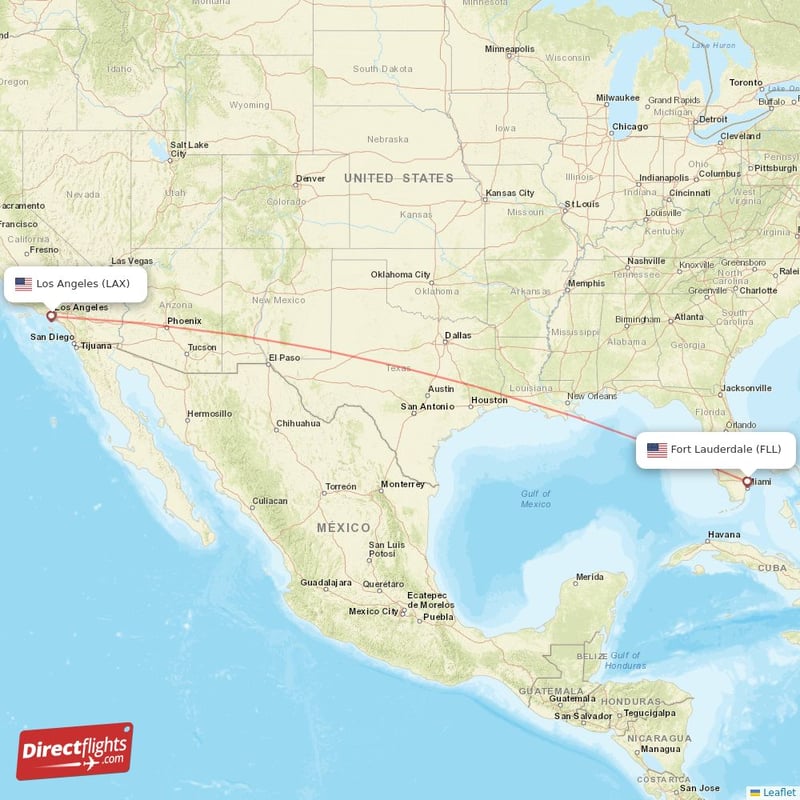
This comprehensive guide will delve into the various aspects of flying between these two popular destinations, from typical flight times and major airport hubs to tips for a comfortable journey and how to integrate your travel plans with accommodation and activities. Whether you’re planning a trip to the theme parks of Orlando, the glamour of Miami, or the scenic beauty of San Francisco or Los Angeles, knowing what to expect from your flight is the first step towards a memorable adventure.
The Basics: Understanding Flight Durations Across the USA
The journey from the Pacific Coast to the Atlantic Coast is one of the longest domestic flights within the United States. While no single answer fits all scenarios, we can outline general expectations for flight times and the factors that influence them.
Direct vs. Connecting Flights
The most significant differentiator in overall travel time is whether you opt for a direct (non-stop) flight or one with layovers.
- Direct Flights: For a direct flight from major Californian hubs like Los Angeles International Airport (LAX) or San Francisco International Airport (SFO) to major Floridian airports such as Orlando International Airport (MCO) or Miami International Airport (MIA), you can typically expect the flight duration to range from 4 hours and 45 minutes to 6 hours and 30 minutes. This variation depends on the specific departure and arrival airports, the airline, and prevailing wind conditions. For instance, a flight from LAX to MIA might be on the longer end due to the greater distance, while a flight from San Diego International Airport (SAN) to Fort Lauderdale-Hollywood International Airport (FLL) could be slightly shorter.
- Connecting Flights: If your itinerary includes one or more layovers, the total travel time will naturally increase. A connecting flight can range anywhere from 7 to 12+ hours, depending on the number of layovers, the duration of each layover, and the efficiency of the connection. Common connecting cities often include Dallas, Houston, Atlanta, Charlotte, or Denver. While connecting flights can sometimes be more budget-friendly, they extend the overall journey significantly and require more planning for transitions, especially if you’re traveling with family or have tight schedules.
Factors Influencing Flight Time
Beyond direct versus connecting, several other elements play a role in the precise duration of your flight.
- Distance Between Airports: This is the most obvious factor. The westernmost points of California to the easternmost points of Florida cover approximately 2,200 to 2,500 nautical miles, roughly 2,500 to 2,900 statute miles (4,000 to 4,700 kilometers). For example, the great circle distance between LAX and MCO is about 2,200 miles.
- Aircraft Type: Different aircraft models have varying cruising speeds. A newer, more aerodynamic jet might shave a few minutes off the flight compared to an older model.
- Wind Conditions: Jet streams, strong high-altitude winds, play a significant role. Flights traveling eastbound (from California to Florida) often benefit from tailwinds, which can reduce flight time. Conversely, westbound flights can face headwinds, potentially adding 30 minutes to an hour or more to the journey. This is why you might notice that a flight from MIA to LAX often takes longer than the reverse route.
- Air Traffic Control (ATC) and Route Optimization: ATC can sometimes mandate longer routes to avoid congested airspace or adverse weather, adding to the flight time. Airlines continually optimize routes for efficiency, but unforeseen circumstances can lead to minor adjustments.
- Gate-to-Gate Time: The duration provided by airlines usually refers to “block time,” which includes taxiing at both the departure and arrival airports. This can add 15-30 minutes to the actual “flight time” in the air.
Considering these factors, it’s always wise to check the specific flight details provided by the airline for the most accurate estimate.
Major Airport Hubs and Common Routes
Understanding the primary airports in both California and Florida can help streamline your travel planning, offering insights into direct flight availability and connection possibilities.
Departing from California
California boasts several major international airports that serve as crucial departure points for cross-country flights.
- Los Angeles International Airport (LAX): As one of the busiest airports in the world, LAX offers the most frequent direct flights to Florida. Travelers departing from Los Angeles have a wide array of choices for direct routes to Orlando, Miami, and Fort Lauderdale.
- San Francisco International Airport (SFO): Serving the San Francisco Bay Area, SFO is another major hub with numerous direct flights to key Floridian cities. It’s a convenient option for those living in or visiting San Francisco, Oakland, or San Jose.
- San Diego International Airport (SAN): While having fewer direct options than LAX or SFO, SAN still provides direct services to some Florida destinations, particularly Orlando and Fort Lauderdale. It’s ideal for travelers in Southern California looking to avoid the larger Los Angeles airports.
- Other California Airports: Airports like Oakland International Airport (OAK) and Norman Y. Mineta San Jose International Airport (SJC) may offer some seasonal direct flights or primarily connecting services to Florida. These are excellent choices for travelers seeking alternatives to the busier SFO.
Arriving in Florida
Florida’s popularity as a tourist destination means it has several well-equipped airports to handle the influx of visitors, offering convenient access to various attractions and cities.

- Orlando International Airport (MCO): As the gateway to Walt Disney World Resort, Universal Orlando Resort, and other theme parks, MCO is the most common destination for flights from California. You’ll find the highest frequency of direct flights here.
- Miami International Airport (MIA): Serving the vibrant city of Miami and its surrounding areas, including South Beach, MIA is a major international hub. It receives numerous direct flights from California and is perfect for those exploring South Florida’s culture and nightlife.
- Fort Lauderdale-Hollywood International Airport (FLL): Located just north of Miami, FLL is often a more budget-friendly alternative to MIA and offers a good number of direct flights from California, particularly from LAX and SAN.
- Tampa International Airport (TPA): On Florida’s Gulf Coast, TPA serves Tampa and St. Petersburg. While fewer direct options exist compared to MCO or MIA, it’s a convenient airport for accessing the region’s beautiful beaches and cultural attractions.
- Jacksonville International Airport (JAX): Located in Northeast Florida, JAX is a smaller hub that might require connections for California travelers, though direct flights can occasionally be found, especially from LAX.
When booking your flight, consider which airport aligns best with your final destination in Florida to minimize ground travel time and costs upon arrival.
Making the Long Flight Comfortable and Enjoyable
A cross-country flight, even a direct one, can be quite long. Planning ahead can significantly enhance your comfort and overall experience.
Preparing for Your Journey
Preparation is key to a smooth and comfortable flight, especially for longer durations.
- Choose Your Seat Wisely: If possible, select your seat in advance. A window seat offers views and a place to lean, while an aisle seat provides easier access to restrooms and stretching space. Exit row seats or those with extra legroom (often for a fee) can make a huge difference.
- Pack Smart for Carry-On: Your carry-on bag should be a survival kit for the flight. Include:
- Entertainment: Fully charged devices (tablet, smartphone), headphones (noise-canceling are a bonus), a power bank, and downloaded movies, TV shows, podcasts, or e-books.
- Comfort Items: A neck pillow, eye mask, earplugs, a light blanket or shawl (cabin temperatures vary), and compression socks to help with circulation on long flights.
- Snacks and Hydration: While airlines provide service, having your favorite non-liquid snacks can be a lifesaver. A reusable water bottle can be refilled after security. Staying hydrated is crucial to combatting cabin dryness.
- Personal Care: Lip balm, hand cream, face mist, and a travel-sized toothbrush and toothpaste can help you feel refreshed.
- Dress in Layers: Airplane cabins can be notoriously unpredictable in temperature. Wearing comfortable, loose-fitting clothing in layers allows you to adjust easily.
- Airport Arrival Time: For a cross-country flight, arriving at the airport at least 2-3 hours before departure is advisable, especially from major hubs like LAX or SFO, to allow ample time for check-in, security, and reaching your gate without rushing.
In-Flight Comfort Tips
Once you’re on board, focus on these tips to make the most of your several hours in the air.
- Stay Hydrated: Drink plenty of water throughout the flight. Avoid excessive alcohol and caffeine, which can contribute to dehydration and disrupt sleep.
- Move Around: Every hour or two, stand up, stretch, and walk the aisle if possible. Simple exercises in your seat, like ankle rotations and calf raises, can also help prevent stiffness and improve circulation.
- Eat Lightly: Opt for lighter meals to avoid feeling sluggish or uncomfortable. If your flight offers meal service, choose healthier options if available.
- Manage Time Zones: With a three-hour time difference between California (Pacific Time) and Florida (Eastern Time), you’ll experience jet lag. Start adjusting your sleep schedule a day or two before your flight, and upon arrival, try to get into your new time zone’s rhythm as quickly as possible. Expose yourself to natural light in Florida during the day and avoid napping too much.
- Rest and Relax: Use your eye mask and earplugs to block out distractions and get some rest, even if it’s just dozing off. Listen to calming music or guided meditations.
For those traveling with children, extra planning is essential. Pack plenty of activities, snacks, and comfort items specific to their needs. Consider flying during their nap times to maximize in-flight rest.
Planning Your California to Florida Adventure
Beyond the flight itself, the journey between California and Florida involves broader travel planning, from where you’ll stay to what you’ll do once you arrive. This trip offers an incredible opportunity to experience diverse cultures, stunning landscapes, and world-class attractions.
Beyond the Flight: Accommodation and Activities
Once your flight details are sorted, the next crucial step is planning your stay and activities. Both California and Florida offer an incredible array of options.
- Hotels and Accommodation: Whether you’re looking for luxury resorts in Beverly Hills or South Beach, boutique hotels in San Francisco or Key West, family-friendly resorts near Disneyland Resort or Walt Disney World Resort, or cozy vacation rentals for a long-term stay, there’s something for every budget and style. Websites specializing in accommodation booking and hotel reviews can help you find the perfect place. Consider proximity to major attractions and transportation links.
- Tourism and Attractions:
- In California: Explore the iconic Golden Gate Bridge in San Francisco, experience the magic of Disneyland Resort in Anaheim, walk among the stars in Hollywood, or relax on the beaches of Santa Monica Pier. For nature lovers, Yosemite National Park or Big Sur offer breathtaking landscapes.
- In Florida: Immerse yourself in the fantasy of Walt Disney World Resort and Universal Orlando Resort, bask in the sun on Miami Beach, discover the unique ecosystem of Everglades National Park, or delve into space exploration at the Kennedy Space Center Visitor Complex. Each city offers a rich local culture, diverse food scene, and endless activities.
- Guides and Experiences: Utilize online travel guides to discover hidden gems, best restaurants, and local events. Booking guided tours or specific experiences in advance, especially for popular attractions, can save time and enhance your trip.
Budgeting and Lifestyle Considerations
Your approach to travel, whether it’s a quick business trip or an extended family vacation, will influence your flight choices and overall itinerary.
- Budget Travel vs. Luxury Travel: Direct flights are generally more expensive but save time, a valuable commodity for business stays or short trips. If you’re on a budget travel plan, connecting flights, flying during off-peak seasons, or opting for red-eye flights can often yield significant savings. For luxury travel, first-class or business-class tickets on direct flights offer superior comfort and amenities, making the long journey feel much shorter.
- Family Trips: Traveling with family, especially young children, often means prioritizing convenience and comfort over cost. Direct flights, even if pricier, can minimize stress. Choosing accommodations like suites or apartments with extra space can be beneficial.
- Flexibility: Being flexible with your travel dates can open up better flight deals. Mid-week flights or those outside of major holiday periods are typically less expensive and less crowded.
In conclusion, flying from California to Florida is a substantial domestic journey, with direct flights typically lasting between 5 to 6.5 hours. By understanding the factors influencing flight times, knowing your airport options, and implementing smart travel strategies, you can ensure your cross-country flight is a comfortable and integral part of your exciting adventure from the Golden State to the Sunshine State. Happy travels!
LifeOutOfTheBox is a participant in the Amazon Services LLC Associates Program, an affiliate advertising program designed to provide a means for sites to earn advertising fees by advertising and linking to Amazon.com. Amazon, the Amazon logo, AmazonSupply, and the AmazonSupply logo are trademarks of Amazon.com, Inc. or its affiliates. As an Amazon Associate we earn affiliate commissions from qualifying purchases.