
Nestled north of San Francisco in the picturesque wine region of California, Napa Valley stands as a beacon for oenophiles, gourmands, and anyone seeking a luxurious escape amidst rolling vineyards and world-class culinary experiences. For travelers arriving in or departing from the vibrant metropolis of San Francisco, a trip to this renowned wine country is often a highlight of their California itinerary. But a common question that arises for first-time visitors and seasoned travelers alike is: “How far is Napa Valley from San Francisco, CA?”
Understanding the distance, travel time, and various transportation options is crucial for planning a seamless and enjoyable journey. Whether you envision a romantic getaway, a leisurely family trip, or an immersive culinary adventure, the proximity and accessibility of Napa Valley to San Francisco make it an ideal destination. This comprehensive guide will not only detail the practical aspects of getting from the Golden City to wine country but also enrich your understanding of both destinations, helping you craft an unforgettable California experience. From the winding roads to the diverse public transport networks and the allure of private transfers, we’ll explore every facet of this popular journey, ensuring you arrive in Napa Valley ready to savor every moment.

The Journey from San Francisco to Napa Valley: Distance and Travel Time
The distance between San Francisco and Napa Valley is relatively short, making it a feasible day trip or a perfect destination for an extended stay. However, the exact distance and travel time can vary depending on your specific starting point in San Francisco and your intended destination within Napa Valley, which stretches approximately 30 miles from north to south.
Direct Routes and Mileage
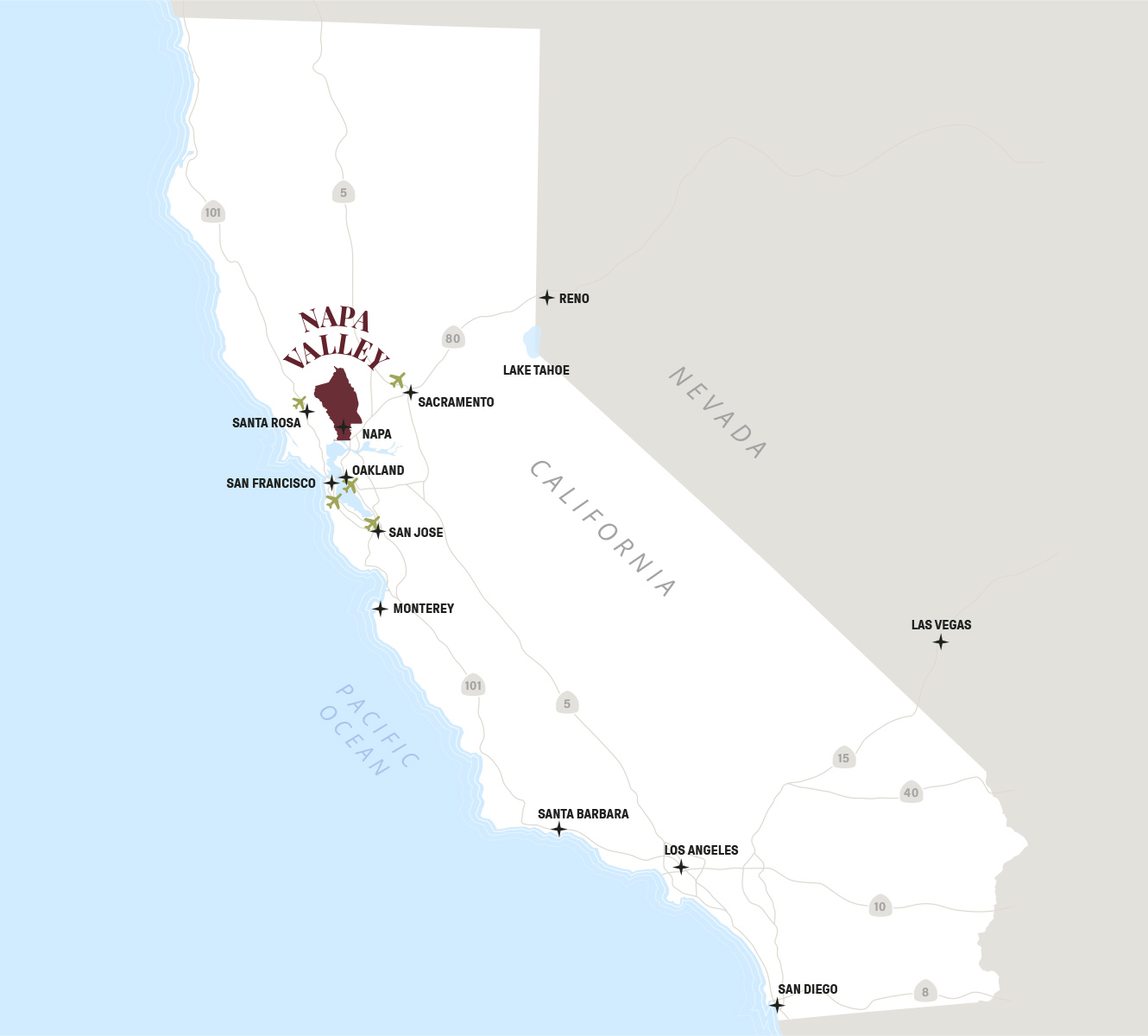
Generally, the heart of Napa Valley, specifically the city of Napa, is about 50 to 60 miles northeast of downtown San Francisco. Several routes can take you there, each offering slightly different distances and scenic views:
- Via Interstate 80 East: This is typically the most direct and common route. You’ll cross the Bay Bridge into Oakland and continue on I-80 E towards Sacramento. You’ll then take CA-37 W and CA-29 N to reach Napa. This route is approximately 50-55 miles.
- Via Highway 101 North (and connecting roads): This route takes you across the iconic Golden Gate Bridge to Marin County, passing through charming towns like Sausalito. You would then connect to CA-37 E and then CA-29 N. While potentially more scenic, especially the Golden Gate Bridge portion, this route can be slightly longer, around 60-65 miles, and may be more susceptible to traffic, particularly on weekends.
- Alternative routes via Interstate 580 West: Depending on your starting point in San Francisco, you might also encounter routes that incorporate parts of I-580 W, particularly if you’re coming from the southern parts of the Bay Area. However, for direct travel from San Francisco proper, the I-80 E route is usually preferred.
Estimating Travel Duration
While the mileage provides a baseline, actual travel time is heavily influenced by traffic, especially when departing San Francisco and crossing the Bay Bridge.
- Without heavy traffic: The drive can take as little as 1 hour to 1 hour and 15 minutes. This is most common during off-peak hours, such as mid-morning (after 9 AM) or late afternoon/early evening (after 6 PM) on weekdays, or early mornings on weekends.
- During peak traffic: Travel time can easily extend to 1 hour and 30 minutes, or even 2 hours or more. Peak hours typically include weekday commutes (7 AM – 9 AM and 4 PM – 6 PM) and mid-day weekends, particularly Friday afternoons and Sunday evenings when many travelers are heading to or from wine country.
- Factors influencing duration:
- Day of the week: Weekends, especially Fridays and Sundays, tend to have heavier traffic.
- Time of day: Avoid rush hours if possible.
- Special events: Wineries often host events, and festivals in either San Francisco or Napa Valley can significantly increase traffic.
- Weather conditions: Fog, rain, or accidents can also cause delays.
It’s always advisable to check real-time traffic conditions using navigation apps like Google Maps or Waze before you depart, allowing you to adjust your timing or route accordingly.
Transportation Options for Your Napa Valley Adventure
Once you’ve grasped the distance and potential travel times, the next step is to choose the best mode of transport for your journey. Napa Valley is accessible through several convenient options, catering to different preferences and budgets, from the independence of driving to the luxury of private transfers and the affordability of public transport.
Driving: Flexibility and Scenic Routes
Driving is by far the most popular option for travelers heading to Napa Valley, offering unparalleled flexibility to explore at your own pace.
- Rental Cars: If you don’t have your own vehicle, renting a car in San Francisco is straightforward. Major rental agencies are available at San Francisco International Airport (SFO) and various downtown locations. A rental car allows you to visit multiple wineries, stop at charming towns like Yountville or St. Helena, and explore scenic routes like the Silverado Trail, which runs parallel to the busier Highway 29. Remember to designate a sober driver if you plan on wine tasting.
- Ride-Sharing Services: Services like Uber and Lyft are available for direct trips from San Francisco to Napa Valley. While convenient for a one-way trip, using them for an entire day of winery hopping within Napa Valley can become quite expensive and less reliable in certain rural areas.
- Tolls: Be aware that the Bay Bridge (on the I-80 E route) has a toll for eastbound traffic (into Oakland). Most rental cars come with FasTrak transponders, or you can pay online within 48 hours of your crossing.
Public Transportation: A Relaxed Alternative
For those who prefer not to drive or wish to avoid parking hassles, public transportation offers a viable, albeit less direct, alternative.
- BART and Bus/Ferry Combo: You can take BART from various San Francisco stations to the Vallejo ferry terminal. From Vallejo, the Vine Transit (Route 29) offers direct bus service into Napa and points further north in the valley. This option involves transfers and can take anywhere from 2 to 3 hours, but it’s an economical and environmentally friendly choice. The San Francisco Bay Ferry from the Ferry Building to Vallejo also provides a scenic start to your journey.
- Bus Services: There are also dedicated bus services, such as the Sonoma County Airport Express or Evans Transportation, that operate routes from various points in the Bay Area to Napa Valley or nearby Sonoma Valley. These often require pre-booking and may not offer the same flexibility as a private car once you arrive in wine country.
Private Transfers and Tours: Convenience Redefined
For a truly hassle-free and luxurious experience, consider private transfer services or organized tours.
- Private Car Services: Many companies offer luxury sedan or SUV transfers directly from your hotel in San Francisco to your desired destination in Napa Valley. This is an excellent option for those seeking comfort, privacy, and the convenience of a dedicated driver. It’s particularly popular for special occasions or when traveling with a group.
- Guided Wine Tours: Numerous tour operators offer full-day excursions from San Francisco to Napa Valley (and often Sonoma Valley). These tours typically include round-trip transportation, visits to several pre-selected wineries, and sometimes lunch or a picnic. This option is ideal for first-time visitors who want an expertly curated experience without the stress of planning logistics or driving after tastings. It’s a great way to meet other travelers and learn from knowledgeable guides.
Making the Most of Your Trip: What to See and Do
Both San Francisco and Napa Valley offer a wealth of attractions and experiences. Integrating the travel between them into a broader itinerary allows for a rich and diverse California adventure, blending urban exploration with serene wine country relaxation.
Discovering Napa Valley: A World-Class Wine Destination
Once you arrive in Napa Valley, a world of indulgence awaits. This region is not just about wine; it’s a complete sensory experience.
- Wineries and Tasting Rooms: The primary draw, of course, are the hundreds of wineries, ranging from grand estates like Robert Mondavi Winery to intimate, family-run vineyards. Many offer tours explaining the winemaking process, educational tastings, and stunning views. It’s recommended to book tasting appointments in advance, especially for popular wineries or during peak season.
- Culinary Excellence: Napa Valley is a mecca for foodies. Home to Michelin-starred restaurants like The French Laundry in Yountville, as well as farm-to-table eateries and casual bistros, the dining scene is exceptional. Don’t miss the Oxbow Public Market in downtown Napa for local produce, gourmet treats, and diverse food stalls.
- Beyond Wine and Food:
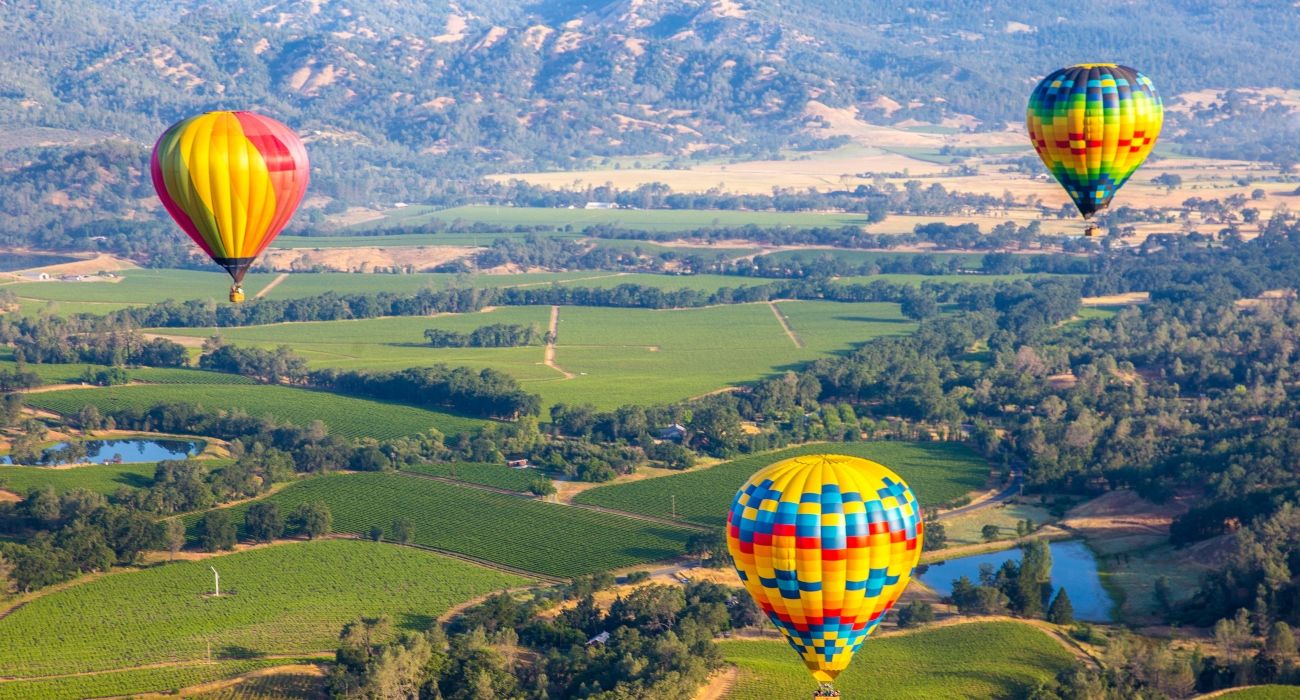
- Hot Air Balloon Rides: Experience breathtaking sunrise views over the vineyards from a hot air balloon. This offers a unique perspective of the valley’s beauty.
- Spas and Wellness: Calistoga, at the northern end of the valley, is famous for its natural hot springs and mud baths, offering rejuvenating spa treatments.
- Arts and Culture: Explore art galleries, boutique shops, and historical sites in towns like St. Helena and Yountville.
- Outdoor Activities: Enjoy hiking, biking along scenic trails, or simply picnicking amidst the vines.
Exploring San Francisco: The Golden City’s Iconic Charms
Before or after your wine country escape, immersing yourself in San Francisco’s vibrant culture and iconic landmarks is a must.
- Landmarks and Attractions:
- Golden Gate Bridge: Walk, bike, or drive across this engineering marvel for unparalleled views of the city and Bay.
- Alcatraz Island: Take a ferry to the infamous former prison for a fascinating historical tour. Book tickets well in advance.
- Fisherman’s Wharf and Pier 39: Enjoy fresh seafood, watch the sea lions, and soak in the bustling atmosphere.
- Lombard Street: Drive or walk down the “most crooked street in the world.”
- Coit Tower: Ride to the top for 360-degree panoramic views of the city and Bay.
- Palace of Fine Arts: A stunning architectural marvel, perfect for photos and a leisurely stroll.
- Neighborhoods and Culture: Explore the diverse districts, each with its unique character:
- Union Square: Premier shopping, theaters, and luxury hotels.
- Chinatown: The oldest Chinatown in North America, vibrant with shops, temples, and authentic cuisine.
- Haight-Ashbury: The birthplace of counterculture, with Victorian houses and bohemian boutiques.
- Mission District: Known for its vibrant murals, delicious taquerias, and lively nightlife.
- Parks and Outdoors:
- Golden Gate Park: Larger than New York City’s Central Park, offering museums, gardens, and recreational activities.
- Muir Woods National Monument: A short drive north of San Francisco for awe-inspiring redwood forests.
- Angel Island: A ferry ride away, offering hiking, biking, and historical insights into California’s immigration past.
Planning Your Stay: Accommodation and Itinerary Tips
To maximize your experience, thoughtful planning regarding accommodation and itinerary is essential, whether you’re embarking on a quick day trip or an extended California adventure.
Where to Stay: Hotels and Resorts in Both Regions
Both San Francisco and Napa Valley offer a wide range of accommodation options to suit every budget and travel style.
- In Napa Valley:
- Luxury Resorts and Hotels: For a truly indulgent experience, consider properties like Auberge du Soleil (Rutherford), Meadowood Napa Valley (St. Helena), or Carneros Resort and Spa (Napa). These offer exquisite dining, spa services, and stunning vineyard views.
- Boutique Hotels and B&Bs: Charming and often family-run, these provide a more intimate experience. Look for options in Yountville, St. Helena, or Calistoga.
- Mid-Range and Budget Options: The city of Napa has a good selection of modern hotels, such as The Meritage Resort and Spa or The Archer Hotel Napa, offering convenience and comfort without the ultra-luxury price tag.
- In San Francisco:
- Luxury Hotels: The Ritz-Carlton, San Francisco, Fairmont San Francisco, and Hotel Vitale offer prime locations and top-tier amenities.
- Boutique Hotels: The city is known for its stylish boutique hotels in neighborhoods like Union Square or Nob Hill.
- Mid-Range and Budget-Friendly: Options like Hilton San Francisco Union Square or various hotels near the Transbay Terminal provide good value. Consider staying near BART stations for easy access to public transport.
Crafting Your Itinerary: Day Trip or Extended Stay?
The choice between a day trip and an extended stay depends on your interests and available time.
- Napa Valley Day Trip from San Francisco:
- Pros: Convenient for those with limited time, allows you to experience wine country’s highlights.
- Cons: Less time for in-depth exploration, requires an early start and late return, and can feel rushed. A guided tour is highly recommended for day-trippers to optimize time and avoid driving.
- Ideal for: First-time visitors looking for an introduction to wine country.
- Extended Stay in Napa Valley (2-3+ days):
- Pros: Ample time to explore multiple wineries, indulge in gourmet dining, enjoy spa treatments, and soak in the tranquil atmosphere. Allows for more relaxed travel between towns.
- Cons: Requires more accommodation planning and can be more costly, especially for luxury options.
- Ideal for: Romantic getaways, culinary enthusiasts, or those seeking a truly immersive wine country experience.
- Combining Both Destinations: Many travelers opt to spend 2-3 days exploring San Francisco’s urban charm before heading to Napa Valley for another 2-3 days of relaxation. This balanced approach offers the best of both worlds.
Travel Tips for a Smooth Journey:
- Best Time to Visit: Spring (April-May) and Fall (September-October) offer ideal weather, beautiful scenery (mustard blooms in spring, harvest colors in fall), and numerous events. Summer is also popular but can be hot, while winter is quieter with fewer crowds but cooler temperatures.
- Booking in Advance: For popular wineries, Michelin-starred restaurants, and Alcatraz Island tours, booking well in advance (weeks or even months) is crucial, especially during peak season.
- Designated Driver or Tour: If you plan on wine tasting, ensure you have a designated driver, utilize a tour service, or arrange for a private driver. Safety is paramount.
- Layered Clothing: San Francisco is famous for its fog and microclimates, so dressing in layers is always a good idea. Napa Valley can be significantly warmer during the day, but evenings can still be cool.
In conclusion, the journey from San Francisco to Napa Valley is a manageable and rewarding experience, bridging two distinct yet equally captivating facets of California. With careful planning, you can seamlessly transition from the vibrant cityscape to the tranquil vineyards, creating memories that will last a lifetime.
LifeOutOfTheBox is a participant in the Amazon Services LLC Associates Program, an affiliate advertising program designed to provide a means for sites to earn advertising fees by advertising and linking to Amazon.com. Amazon, the Amazon logo, AmazonSupply, and the AmazonSupply logo are trademarks of Amazon.com, Inc. or its affiliates. As an Amazon Associate we earn affiliate commissions from qualifying purchases.