
Embarking on a journey from the bustling urban core of Seattle to the mystique-laden, rain-kissed town of Forks in the heart of the Olympic Peninsula is more than just a drive; it’s an adventure through some of the most stunning and diverse landscapes the Pacific Northwest has to offer. Whether you’re drawn by the allure of the Twilight Saga, the unparalleled natural beauty of Olympic National Park, or simply the desire to escape the city’s hustle, understanding the distance and the best ways to traverse it is your first step towards an unforgettable trip.
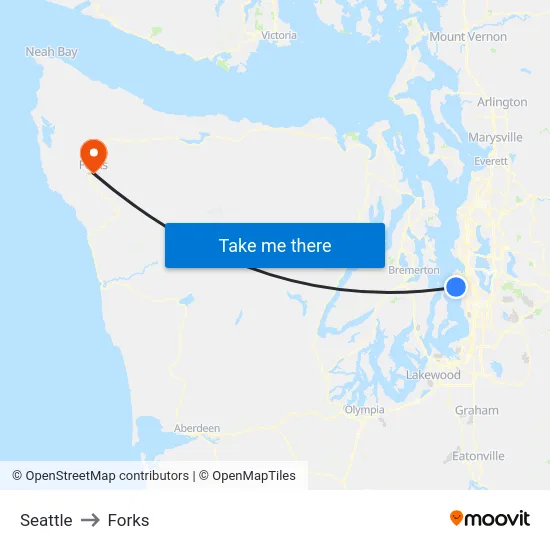
The direct distance between Seattle and Forks is approximately 160-170 miles (260-270 kilometers) as the crow flies. However, due to the geographical barrier of Puget Sound and the rugged terrain of the Olympic Peninsula, the actual driving routes are longer and vary significantly in time and experience. Typically, a road trip will take anywhere from 3 to 5 hours, depending on your chosen route, traffic conditions, and whether you opt for a scenic Washington State Ferries ride.
This guide will delve into the various ways to reach Forks from Seattle, explore the captivating attractions awaiting you in both destinations, and provide essential tips for planning your perfect Pacific Northwest escape. From luxurious hotel stays in Seattle to charming accommodations near the wilderness of Forks, and from iconic landmarks to hidden culinary gems, we cover all you need to know for a seamless and enriching travel experience.
The Journey: Unveiling the Distance and Routes
The journey from Seattle to Forks presents travelers with a choice of routes, each offering distinct advantages and scenic vistas. Your decision will likely hinge on factors such as time constraints, a preference for ferry travel, and what you hope to see along the way.
Driving from Seattle to Forks: The Scenic Routes
There are primarily two main driving routes from Seattle to Forks, both offering unique perspectives of the region’s beauty.
1. The Southern Route (All Land-Based):
This route avoids ferries altogether, making it a reliable option regardless of ferry schedules or potential delays. You’ll typically head south on I-5 from Seattle towards Olympia, the state capital. From Olympia, you’ll transition onto US-101 North, which will take you west towards the coast and then loop around the southern and western edges of the Olympic Peninsula. This drive through towns like Aberdeen offers a glimpse into the logging history of the region before you immerse yourself in the lush rainforests and coastal towns.
- Distance: Approximately 200-220 miles (320-355 km).
- Driving Time: Roughly 3.5 to 4.5 hours, without significant stops or heavy traffic.
- Pros: No reliance on ferry schedules, continuous scenic drive through diverse landscapes.
- Cons: Can be longer in terms of mileage; initial stretch on I-5 can experience rush hour traffic.
2. The Northern Route (Involving a Ferry):
For many, the most quintessential Pacific Northwest experience involves a ferry ride across Puget Sound. This route is often preferred for its shorter driving distance and the unique charm of sailing past islands and appreciating the stunning views of the Olympic and Cascade mountain ranges.
You’ll typically drive north from Seattle to either Edmonds or Mukilteo to catch a Washington State Ferries vessel.
- The Edmonds ferry goes to Kingston on the Kitsap Peninsula.
- The Mukilteo ferry goes to Clinton on Whidbey Island (a less direct option for Forks, but beautiful).
A more popular ferry option for Forks is taking the ferry from downtown Seattle to Bainbridge Island. From Bainbridge Island, you’ll drive across the Kitsap Peninsula and then west on US-101 towards Port Angeles and eventually to Forks.
- Distance: Approximately 160-180 miles (260-290 km) total, including the ferry portion.
- Driving & Ferry Time: Roughly 4 to 5 hours, including ferry wait times and the 35-minute ferry crossing.
- Pros: Shorter driving distance, iconic ferry experience, potentially stunning views, offers a break from driving.
- Cons: Ferry schedules can impact travel time, requires booking in advance during peak season, potential for delays or full ferries.
Considering the Washington State Ferries
If you choose a ferry route, a few tips are essential. Check the Washington State Ferries website for schedules and real-time alerts. During peak travel seasons (summer, holidays), making reservations for your vehicle is highly recommended, especially for the Seattle to Bainbridge Island route, to avoid long waits or being turned away. The ferry ride itself is an attraction, offering panoramic views of the skyline, surrounding islands, and sometimes even marine wildlife. It’s an integral part of the Pacific Northwest travel experience, allowing you to relax and enjoy the scenery before continuing your drive through charming towns like Poulsbo or Sequim on your way to Forks.
Alternative Transportation Options
While driving offers the most flexibility for exploring the Olympic Peninsula and Olympic National Park, other options exist, albeit with more logistical planning:
- Bus Services: There are no direct bus routes from Seattle to Forks. You would need to take a combination of intercity buses (e.g., Greyhound or FlixBus to Port Angeles), and then local public transit (like Clallam Transit) to Forks. This is a time-consuming option and significantly limits your ability to explore the vast natural attractions around Forks.
- Ride-Sharing/Taxis: While possible, the cost for such a long journey would be prohibitive.
- Flights: There are no commercial airports in Forks. The closest regional airport is William R. Fairchild International Airport (CLM) in Port Angeles, which has limited flights, usually from Seattle via smaller commuter airlines. From Port Angeles, you would still need to arrange ground transportation to Forks, which is about an hour’s drive further west.
For these reasons, renting a car is almost universally recommended for anyone planning to visit Forks and its surrounding natural wonders. This allows for the freedom to explore at your own pace and reach trailheads and remote beaches that are otherwise inaccessible.
What Awaits You: Exploring Forks and Its Surroundings
Once you’ve navigated the roads and potentially the waters to reach Forks, a world of natural beauty and pop culture fascination awaits. This small town, nestled amidst towering evergreen forests, offers a unique blend of experiences for every type of traveler.
Embracing the Twilight Saga Legacy
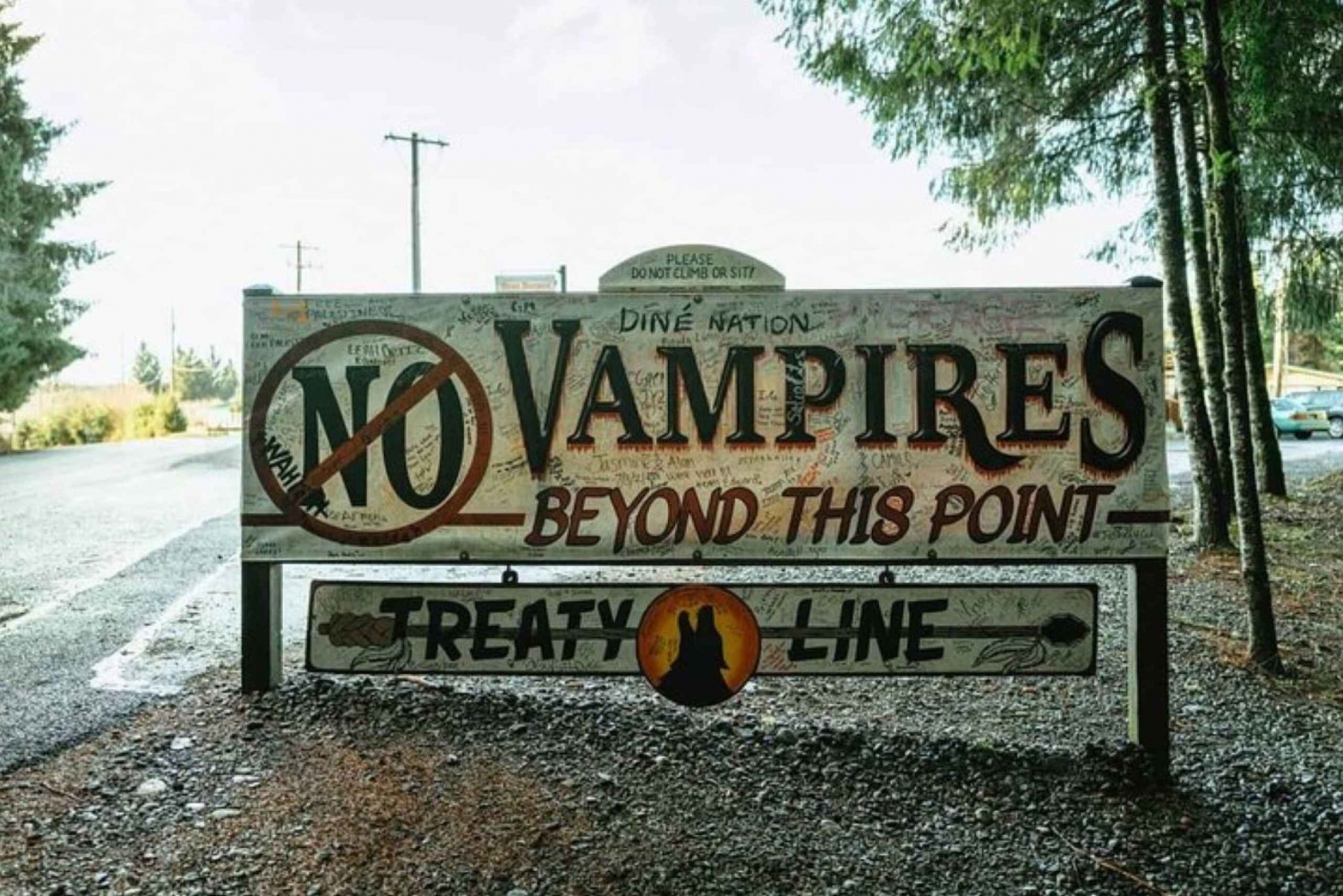
For many visitors, the primary draw to Forks is its undeniable connection to Stephenie Meyer’s wildly popular Twilight Saga. The town fully embraces its fictional fame, offering fans a chance to step into the world of Bella Swan, Edward Cullen, and Jacob Black. You can visit numerous locations that inspired scenes in the books and movies, even if they aren’t the exact filming locations.
- Forks Visitor Center: Your first stop should be the Forks Visitor Information Center, where you can pick up a map of Twilight-related sites, see replicas of Bella’s truck, and even take photos with character cutouts.
- The Miller Tree Inn Bed and Breakfast: Often referred to as “The Cullen House,” this charming accommodation offers a cozy stay and caters specifically to Twilight fans.
- Various ‘Film’ Locations: While the movies were largely filmed elsewhere, local businesses and homes proudly display signs identifying them as “Bella’s House,” “Dr. Cullen’s Parking Spot,” or “Jacob’s Garage,” allowing fans to immerse themselves in the fantasy.
- Forks Timber Museum: While not Twilight-related, this museum provides insight into the town’s historical logging industry, offering a glimpse into the authentic character of Forks beyond its literary fame.
Gateway to Olympic National Park
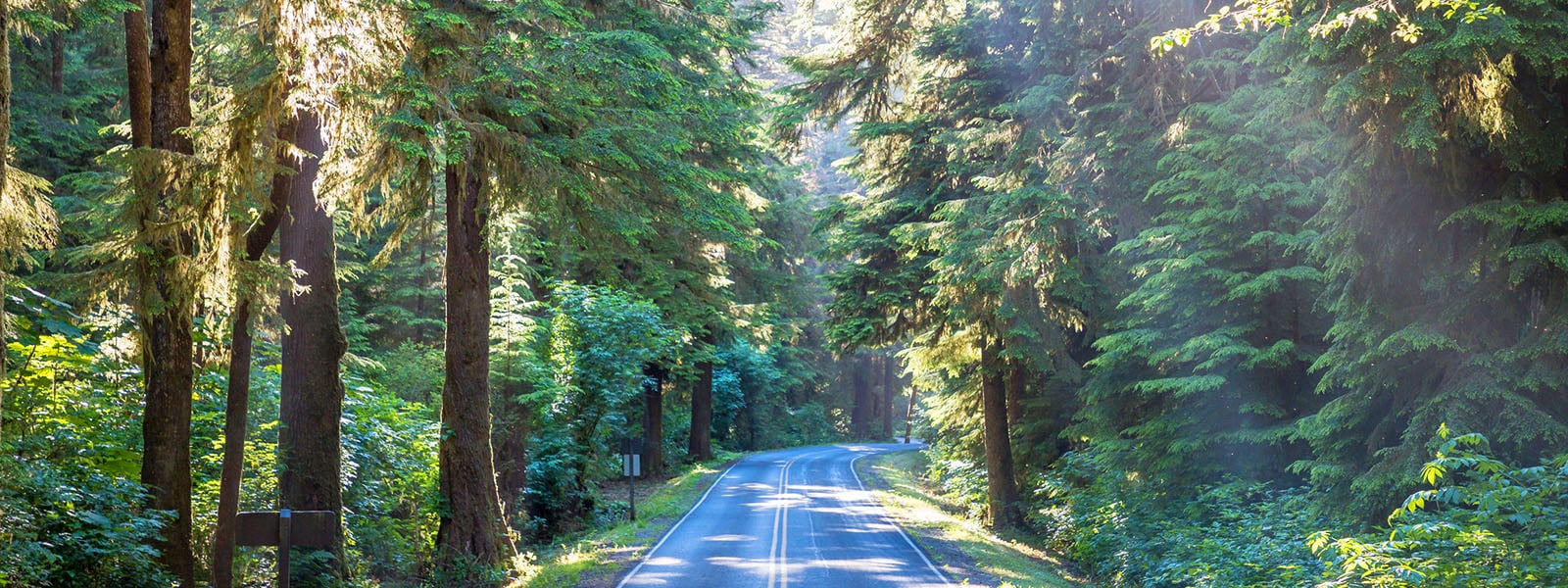
Beyond its pop culture appeal, Forks is strategically positioned as a prime gateway to the vast and diverse Olympic National Park, a UNESCO World Heritage Site. This proximity makes Forks an ideal base for exploring some of the park’s most iconic features.
- Hoh Rain Forest: Just a short drive from Forks, the Hoh Rain Forest is a temperate rainforest ecosystem unlike any other. Walk the easy Hall of Mosses Trail or the Spruce Nature Trail to marvel at ancient trees draped in vibrant green mosses and ferns, creating an otherworldly atmosphere.
- Coastal Beaches: The wild, rugged coastlines of Olympic National Park are breathtaking.
- Rialto Beach: Famous for its “Hole-in-the-Wall” sea stack, accessible via a picturesque walk along the beach.
- La Push: Home to the Quileute Tribe, offers First, Second, and Third Beaches, each with unique character, dramatic driftwood, and powerful waves. First Beach is the most easily accessible.
- Lake Crescent: A stunning, deep, glacially carved lake known for its incredibly clear, blue water. Enjoy scenic drives, short hikes to waterfalls like Marymere Falls, or kayaking on its serene surface.
- Sol Duc Hot Springs: A bit further north but still accessible from Forks, these developed hot springs offer a relaxing soak amidst the forest, alongside beautiful hiking trails.
Accommodation and Dining in Forks
While Forks is a small town, it offers a range of accommodations to suit different preferences and budgets. Don’t expect large, luxurious resorts, but rather cozy motels, charming B&Bs, and vacation rentals that provide a comfortable base for exploring the wilderness.
- Hotels/Motels: Options like the Forks Inn or the Pacific Inn Motel offer clean, comfortable rooms with essential amenities, catering to travelers seeking convenience and value.
- Bed and Breakfasts: The aforementioned Miller Tree Inn Bed and Breakfast is a popular choice for Twilight fans, providing a personalized and often themed experience.
- Vacation Rentals: For longer stays or groups, renting a cabin or a house in or around Forks can offer more space and amenities, perfect for a family trip or a group adventure.
Dining in Forks is primarily casual, focusing on hearty American fare and local seafood. Expect delicious, unfussy meals at diners and small restaurants. Remember to check opening hours, especially outside of peak season, as options can be more limited.
Before You Go: Making the Most of Seattle
Your journey to Forks starts or ends in Seattle, a vibrant metropolis that deserves its own dedicated exploration. Seattle is a hub of culture, innovation, and culinary delights, offering a stark contrast to the rustic charm of Forks.
Iconic Seattle Landmarks and Attractions
Spending a few days in Seattle before or after your Forks adventure is highly recommended to fully appreciate the diversity of the Pacific Northwest.
- Space Needle: The quintessential Seattle landmark, offering unparalleled panoramic views of the city, Puget Sound, and the surrounding mountain ranges, including Mount Rainier.
- Pike Place Market: A bustling public market known for its fresh seafood (and flying fish!), local produce, artisanal crafts, and the original Starbucks coffee shop. It’s a sensory feast and a must-visit.
- Chihuly Garden and Glass: Located at the Seattle Center alongside the Space Needle, this exhibition showcases the mesmerizing glass art of Dale Chihuly.
- Museum of Pop Culture (MoPOP): An architectural marvel housing exhibits on music, science fiction, and popular culture, founded by Microsoft co-founder Paul Allen.
- Seattle Waterfront: Stroll along the piers, visit the Seattle Aquarium, or take a harbor cruise for a different perspective of the city skyline.
Seattle’s Culinary and Cultural Scene
Seattle is a foodie paradise, particularly renowned for its fresh seafood, diverse international cuisine, and of course, its coffee culture.
- Coffee: Home to the global Starbucks empire, Seattle is brimming with independent coffee shops and roasters. Indulge in a meticulously crafted latte or a pour-over brew.
- Seafood: Given its coastal location, fresh seafood is a highlight. Enjoy oysters, salmon, Dungeness crab, and clams at waterfront restaurants or the many eateries around Pike Place Market.
- Diverse Cuisine: From upscale fine dining to casual food trucks, Seattle offers a world of flavors, influenced by its strong Asian communities and innovative culinary scene.
- Neighborhoods: Explore distinct neighborhoods like Fremont (known for its quirky art and indie shops), Capitol Hill (vibrant nightlife and LGBTQ+ scene), or Ballard (historic locks and craft breweries).
Where to Stay in Seattle
Seattle offers an extensive range of accommodations, from luxury hotels to budget-friendly options, catering to every traveler’s lifestyle and preference.
- Luxury Hotels: For an opulent stay, consider the Fairmont Olympic Hotel, a historic landmark in the heart of downtown, or the modern Hyatt Regency Seattle with its commanding views. The unique The Edgewater offers waterfront rooms with stunning Puget Sound vistas, famously hosting The Beatles.
- Boutique Hotels: Seattle has numerous boutique hotels offering unique designs and personalized service, often nestled in vibrant neighborhoods.
- Mid-Range & Budget-Friendly: Many reputable hotel chains, as well as independent hotels and motels, provide comfortable and affordable options throughout the city.
- Vacation Rentals: Apartments and homes are available for those seeking a more local experience or for families and groups, offering amenities like kitchens and multiple bedrooms.
Booking in advance, especially during peak tourist season (summer), is highly recommended for all accommodation types in Seattle to ensure the best rates and availability.
Planning Your Pacific Northwest Adventure
A trip that combines the urban sophistication of Seattle with the wild, untamed beauty surrounding Forks requires careful planning to maximize your experience. This section provides practical tips and helps you craft an itinerary that balances city exploration with wilderness adventures.
Essential Travel Tips and Considerations
- Rental Car: As previously mentioned, a rental car is almost indispensable for exploring Forks and Olympic National Park. Book this well in advance, especially during high season.
- Weather: The Pacific Northwest is known for its rain, particularly on the Olympic Peninsula. Pack layers, waterproof outer shells, and sturdy, waterproof shoes regardless of the season. Summer offers the driest and warmest weather but also the largest crowds.
- Ferry Reservations: If opting for a ferry route from Seattle, make vehicle reservations on the Washington State Ferries website.
- National Park Pass: If you plan on visiting multiple areas within Olympic National Park or other national parks, consider purchasing an America the Beautiful Pass.
- Offline Maps: Cell service can be spotty in remote areas of the Olympic Peninsula and within Olympic National Park. Download offline maps for navigation before you depart.
- Food & Supplies: While Forks has basic amenities, consider stocking up on snacks, water, and picnic supplies in larger towns like Seattle or Port Angeles if you plan extensive hiking.
- Flexibility: While planning is important, maintain some flexibility in your itinerary, especially for weather-dependent activities.
Crafting Your Itinerary: From City Buzz to Wilderness Serenity
A balanced itinerary could look something like this:
- Day 1-2: Seattle Exploration: Immerse yourself in the city’s highlights. Visit the Space Needle, Pike Place Market, Chihuly Garden and Glass, and enjoy Seattle’s diverse culinary scene. Consider a harbor cruise or a visit to a museum. Stay in a central Seattle hotel like the Hyatt Regency Seattle for easy access to attractions.
- Day 3: The Journey to Forks: Take the Seattle to Bainbridge Island ferry. Enjoy the scenic drive across the Kitsap Peninsula, stopping in towns like Poulsbo or Sequim. Arrive in Forks in the afternoon, check into your accommodation (perhaps the Miller Tree Inn Bed and Breakfast), and take a brief tour of the Twilight sites.
- Day 4: Olympic National Park – Rainforest & Coast: Dedicate a full day to exploring the wonders near Forks. Start with the magical Hoh Rain Forest (consider the Hall of Mosses Trail). In the afternoon, head to the dramatic coastlines of Rialto Beach or La Push to witness the powerful waves and unique sea stacks. Pack a picnic lunch to enjoy amidst nature.
- Day 5: Lake Crescent & Departure/Return: Spend the morning at Lake Crescent, hiking to Marymere Falls or enjoying the serene lake views. Depending on your schedule, you can either begin your drive back to Seattle via the southern route (US-101 through Aberdeen and Olympia to I-5), or consider extending your trip to explore more of the northern Olympic Peninsula if time permits.
Ultimately, whether you seek urban luxury or wilderness immersion, the journey from Seattle to Forks offers a compelling narrative of contrast and beauty. It’s a route that promises stunning landscapes, unique cultural experiences, and memories that will last a lifetime. So pack your bags, prepare for adventure, and set out to discover the magic of the Pacific Northwest.
LifeOutOfTheBox is a participant in the Amazon Services LLC Associates Program, an affiliate advertising program designed to provide a means for sites to earn advertising fees by advertising and linking to Amazon.com. Amazon, the Amazon logo, AmazonSupply, and the AmazonSupply logo are trademarks of Amazon.com, Inc. or its affiliates. As an Amazon Associate we earn affiliate commissions from qualifying purchases.