
Imagine a career that offers the intellectual stimulation of finance, the stability of a critical service, and the incredible freedom to explore the world. For many, becoming a tax preparer in Texas is exactly that gateway – a practical profession that can be seamlessly integrated into a dynamic, travel-rich lifestyle. In a world increasingly embracing remote work and flexible schedules, the role of a tax professional offers a unique blend of seasonal intensity and ample off-season opportunities for adventure, whether you’re dreaming of exploring Texas’s diverse landscapes or venturing further afield.
The Lone Star State, with its robust economy and growing population, presents a fertile ground for aspiring tax preparers. From the bustling metropolitan hubs of Houston and Dallas to the vibrant cultural scenes of Austin and San Antonio, there’s a constant demand for skilled individuals who can navigate the complexities of tax law. But beyond the traditional office setting, the modern tax preparer can harness technology to create a work-life balance that prioritizes personal growth, cultural immersion, and unforgettable travel experiences. This article will guide you through the practical steps to becoming a tax preparer in Texas, while also revealing how this career path can unlock the ultimate location-independent lifestyle you’ve always envisioned.
The Foundation: Understanding Tax Preparation in Texas
Embarking on any new career path requires a clear understanding of the role itself and the foundational requirements. For those eyeing a travel-centric lifestyle, understanding the seasonal nature and remote potential of tax preparation is key. Texas’s unique blend of regulations and opportunities makes it an excellent starting point for this journey.
What Does a Tax Preparer Do?
At its core, a tax preparer assists individuals and businesses in completing and filing their tax returns accurately and on time with the Internal Revenue Service (IRS) and relevant state agencies. This involves gathering financial information, calculating tax liabilities or refunds, identifying eligible deductions and credits, and ensuring compliance with ever-evolving tax laws. The scope can range from simple individual returns to complex business filings, depending on your expertise and clientele.
The beauty of this profession, particularly for the aspiring digital nomad, lies in its adaptable nature. Much of the work involves data entry, computation, and communication, all of which can be performed remotely. Clients can securely upload documents, and consultations can take place via video conference. This flexibility allows you to serve clients effectively from anywhere with an internet connection – whether that’s a cozy serviced apartment in Austin, a beachfront vacation rental on South Padre Island, or even a vibrant cafe in a distant land during your off-peak travel adventures. During the busy tax season, typically from January to April 15th, the work can be intense, but the rewards of significant income and then several months of reduced workload make it ideal for those who value travel and exploration.
Licensing and Requirements in Texas
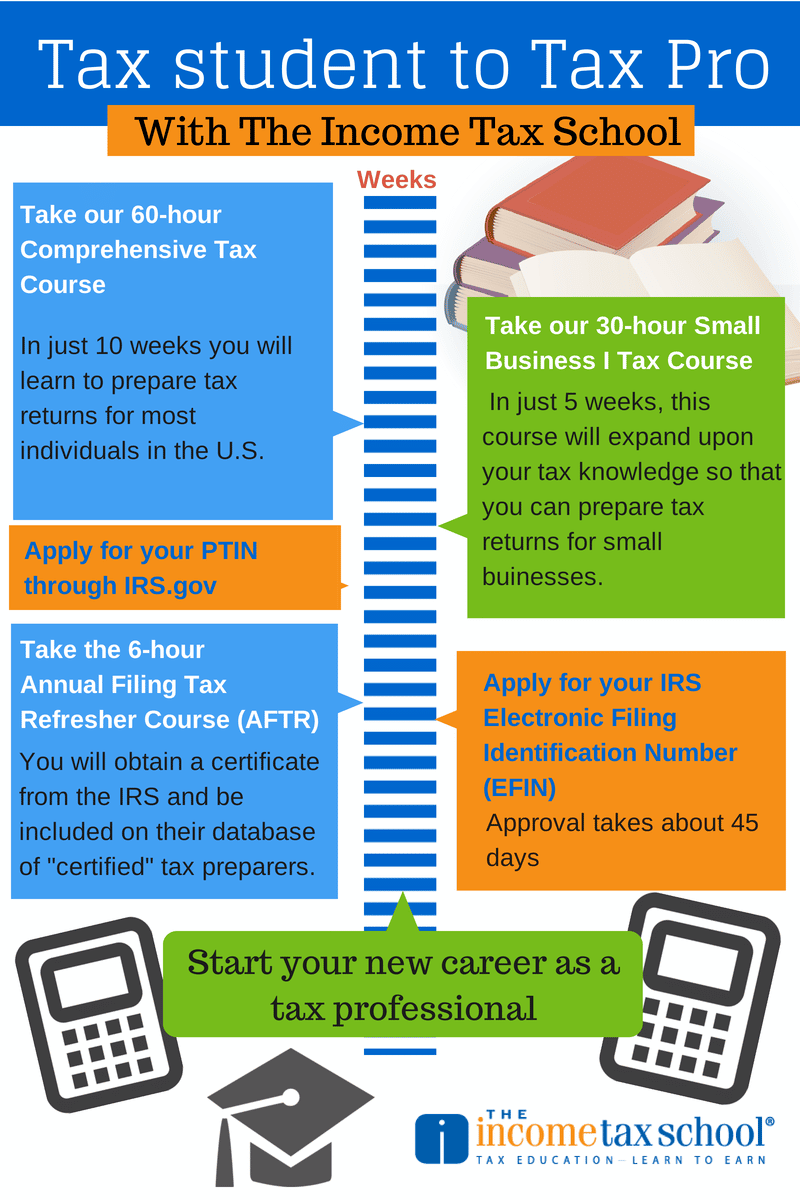
Unlike some professions, Texas does not have a specific state-level licensing requirement for general tax preparers. However, to legally prepare federal income tax returns for compensation, you must meet certain federal requirements set by the IRS. These are crucial steps that ensure your credibility and open doors to diverse client opportunities, ultimately supporting your travel aspirations.
The primary requirement is obtaining an IRS PTIN (Preparer Tax Identification Number). This nine-digit number is mandatory for all paid tax preparers and must be renewed annually. Applying for and receiving your IRS PTIN is a straightforward online process and serves as your official entry into the profession.
Beyond the IRS PTIN, the IRS offers the Annual Filing Season Program (AFSP). While voluntary, participating in the AFSP is highly recommended, especially if you plan to work independently or build a strong client base. The AFSP recognizes preparers who complete a specified amount of continuing education (CE) annually, including a federal tax law update course. Earning the AFSP Record of Completion allows you limited representation rights before the IRS, meaning you can represent clients whose returns you prepared and signed before revenue agents, customer service representatives, and similar IRS employees. This credential significantly enhances your professional standing and client trust, both vital for sustaining a remote business that funds your travels.
For those aiming for a higher level of expertise and broader representation rights, becoming an Enrolled Agent (EA) or a Certified Public Accountant (CPA) are excellent long-term goals. EAs are federally licensed tax practitioners who have unlimited rights to represent taxpayers before the IRS, meaning they can represent any taxpayer regarding any tax matter. CPAs, licensed by the Texas Board of Public Accountancy, also have extensive tax representation rights and a broader accounting scope. While these paths require more rigorous education and examination, they offer unparalleled credibility and earning potential, further solidifying your financial foundation for a life of travel and exploration.
Building Your Skills and Business for Travel Flexibility
Once you understand the basic requirements, the next step is to cultivate the necessary skills and choose an educational pathway that supports your desire for flexibility. The modern tax preparer thrives not just on tax knowledge, but also on technological proficiency and strong client communication, all of which are portable assets for a travel-friendly career.
Essential Skills for the Modern Tax Professional
To succeed as a tax preparer, especially one who wants to work remotely and travel, a specific skill set is invaluable. Beyond a strong grasp of tax law, which is foundational, modern preparers need:
- Attention to Detail: Accuracy is paramount in tax preparation. A single misplaced decimal or missed deduction can have significant consequences for clients. This meticulousness, while critical for compliance, also translates to a careful approach in managing your travel logistics.
- Analytical Thinking: Tax situations are rarely straightforward. You’ll need to analyze financial data, interpret regulations, and solve problems creatively to optimize client outcomes. This intellectual challenge keeps the work engaging and is a skill that transfers well to navigating new environments and cultures while traveling.
- Technological Proficiency: This is perhaps the most crucial skill for location independence. You’ll need to be adept with various professional tax software programs (e.g., UltraTax, ProSeries, Drake Tax), cloud-based accounting software (e.g., QuickBooks Online), secure client portals, and communication tools like Zoom or Slack. Embracing technology allows you to serve clients efficiently from any corner of the globe.
- Communication and Interpersonal Skills: Even remotely, building rapport and clearly explaining complex tax concepts to clients is vital. Strong written and verbal communication ensures client satisfaction and fosters long-term relationships, which are the backbone of a portable business.
- Organizational and Time Management Skills: Juggling multiple clients, deadlines, and your personal travel schedule requires excellent organizational abilities. During tax season, efficient time management is non-negotiable, while during the off-season, it allows you to maximize your travel and leisure time.
- Continuous Learning: Tax laws are constantly changing. A commitment to ongoing continuing education is essential to remain competent and compliant, ensuring your skills stay sharp no matter where your travels take you.
Education and Training Pathways
Fortunately, there are several flexible pathways to gain the knowledge needed to become a tax preparer, many of which can accommodate a travel-oriented lifestyle from the outset.
- Online Tax Preparation Courses: Numerous reputable online providers offer comprehensive tax preparation courses. These courses are often self-paced, allowing you to learn from anywhere with an internet connection. They cover federal tax law, software usage, and ethical considerations. Many even prepare you for the AFSP exam. This flexibility is ideal for those who want to start their career while already exploring different destinations or for individuals living in different Texas cities such as El Paso or Corpus Christi.
- Community Colleges and Vocational Schools: Institutions like Houston Community College, Austin Community College, or Dallas College often offer certificate programs or individual courses in tax preparation and accounting. Many now provide online or hybrid options, offering structured learning with added flexibility.
- University Degrees: For those seeking a deeper dive into accounting or finance, a bachelor’s degree in accounting is a solid foundation, especially if you aspire to become a Certified Public Accountant (CPA) or an Enrolled Agent. While more time-intensive, many universities offer online degrees, making this path compatible with a travel lifestyle.
- On-the-Job Training: Some tax preparation firms hire seasonal employees with little to no prior experience and provide internal training. While this might initially tie you to a physical location, it’s an excellent way to gain practical experience and network, potentially leading to more flexible arrangements down the line. Look for opportunities with firms that embrace remote work practices.
Choosing the right pathway depends on your goals, budget, and desired timeline. The key is to select an option that provides comprehensive knowledge while maintaining the flexibility necessary to pursue your lifestyle aspirations.
Living the Dream: Tax Preparation and the Travel Lifestyle
The true magic of becoming a tax preparer in Texas reveals itself when you start integrating your professional life with your passion for travel. This career offers a practical blueprint for achieving a fulfilling balance between meaningful work and adventurous exploration, epitomizing the modern lifestyle of financial independence.
The Digital Nomad Tax Preparer: Work from Anywhere
The concept of the digital nomad has revolutionized how many professionals approach their careers. For tax preparers, this lifestyle is entirely achievable. By leveraging technology, you can effectively manage your client base from virtually any location with a reliable internet connection.
Imagine starting your workday in a charming cafe in San Antonio, reviewing client documents using secure cloud-based accounting software. In the afternoon, you might conduct a virtual client meeting via Zoom before exploring the historic Alamo or the vibrant San Antonio Riverwalk. During the off-season, perhaps you’re working from a stylish boutique hotel in Barcelona, handling follow-up questions or planning for the next tax cycle, all while experiencing local culture.
Key to this flexibility are robust online tools for document exchange, secure communication platforms like Slack or encrypted email, and efficient practice management software. Investing in a good laptop, reliable internet access, and possibly a portable monitor or even a virtual workspace solution, transforms any location into your office. This mobility means you’re not tied to a single city or even country, giving you unparalleled freedom to choose your temporary home base based on your travel desires.
Exploring Texas and Beyond: Seasonal Work & Off-Season Adventures
One of the most appealing aspects of tax preparation is its inherent seasonality. While tax season (January to April 15th) is notoriously demanding, the period from May through December often provides significantly more flexibility. This rhythm is perfect for travel enthusiasts.
During the busy season, you can immerse yourself in work, focusing on client deadlines and maximizing your income. Living in a vibrant city like Dallas during this time allows you to enjoy its urban amenities and cultural attractions after intense workdays, from the Dallas Arts District to world-class dining. Once the April 15th rush subsides, you have the freedom to scale back your hours, take longer breaks, and embark on extended travel adventures.
- Texas Explorations: During the off-season, you can truly get to know your home state. Imagine a remote working stint from a cabin near Big Bend National Park, where you can hike and stargaze after wrapping up a few hours of work. Or perhaps spend a month near Guadalupe Mountains National Park, exploring its rugged beauty. For a coastal escape, setting up shop in a beachfront condo on South Padre Island allows for beach walks and water sports between client calls. Even exploring the innovative side of Houston at Space Center Houston can be done in your leisure time. These “workcations” allow you to balance productivity with local tourism.
- Global Adventures: The extended off-season also opens the door to international travel. With your income from the busy tax period, you can afford to book extended stays in different countries, truly immersing yourself in new cultures without the pressure of a looming return flight. You might spend the summer exploring the ancient ruins of Rome, the fall hiking in the Dolomites, or the winter enjoying the vibrant markets of Marrakech. The income from your tax preparation business provides the financial fuel for these incredible experiences, turning your dreams into a tangible lifestyle.

Financial Freedom and Lifestyle Choices
Ultimately, becoming a tax preparer in Texas isn’t just about a job; it’s about building a foundation for financial independence that empowers your lifestyle choices. The earning potential, especially as you gain experience and potentially obtain advanced credentials like Enrolled Agent or Certified Public Accountant, can be substantial. This financial security allows you to fund your travel aspirations, whether they lean towards luxury travel experiences in five-star resorts or budget travel adventures exploring lesser-known destinations.
The flexibility also extends to how you travel. You can plan family trips during school breaks, knowing you can manage your workload. You might even combine work and pleasure with business stays in a new city, blending client meetings with local sightseeing. The ability to choose when and where you work, within the parameters of tax season, creates an unparalleled sense of autonomy. This isn’t just about having time off; it’s about having the freedom to design your life around your passions, making tax preparation a powerful tool for achieving a life truly lived out of the box.
In conclusion, the path to becoming a tax preparer in Texas offers much more than just a stable career in finance. It provides a unique opportunity to build a professional life that supports a deep passion for travel, exploration, and location independence. By understanding the requirements, honing essential skills, and strategically leveraging the seasonal nature of the work, you can unlock a lifestyle where the world truly becomes your office and your playground.
LifeOutOfTheBox is a participant in the Amazon Services LLC Associates Program, an affiliate advertising program designed to provide a means for sites to earn advertising fees by advertising and linking to Amazon.com. Amazon, the Amazon logo, AmazonSupply, and the AmazonSupply logo are trademarks of Amazon.com, Inc. or its affiliates. As an Amazon Associate we earn affiliate commissions from qualifying purchases.