
Alaska, often hailed as “The Last Frontier,” is a land of unparalleled natural beauty, beckoning travelers with its majestic glaciers, abundant wildlife, and vibrant indigenous cultures. From the towering peaks of Mount Denali to the intricate fjords of the Gulf of Alaska, this state offers an adventurous escape unlike any other. However, beyond the breathtaking landscapes and unique experiences, visitors and prospective residents often ponder a critical question that impacts travel budgets and daily living expenses: Does Alaska have a sales tax?
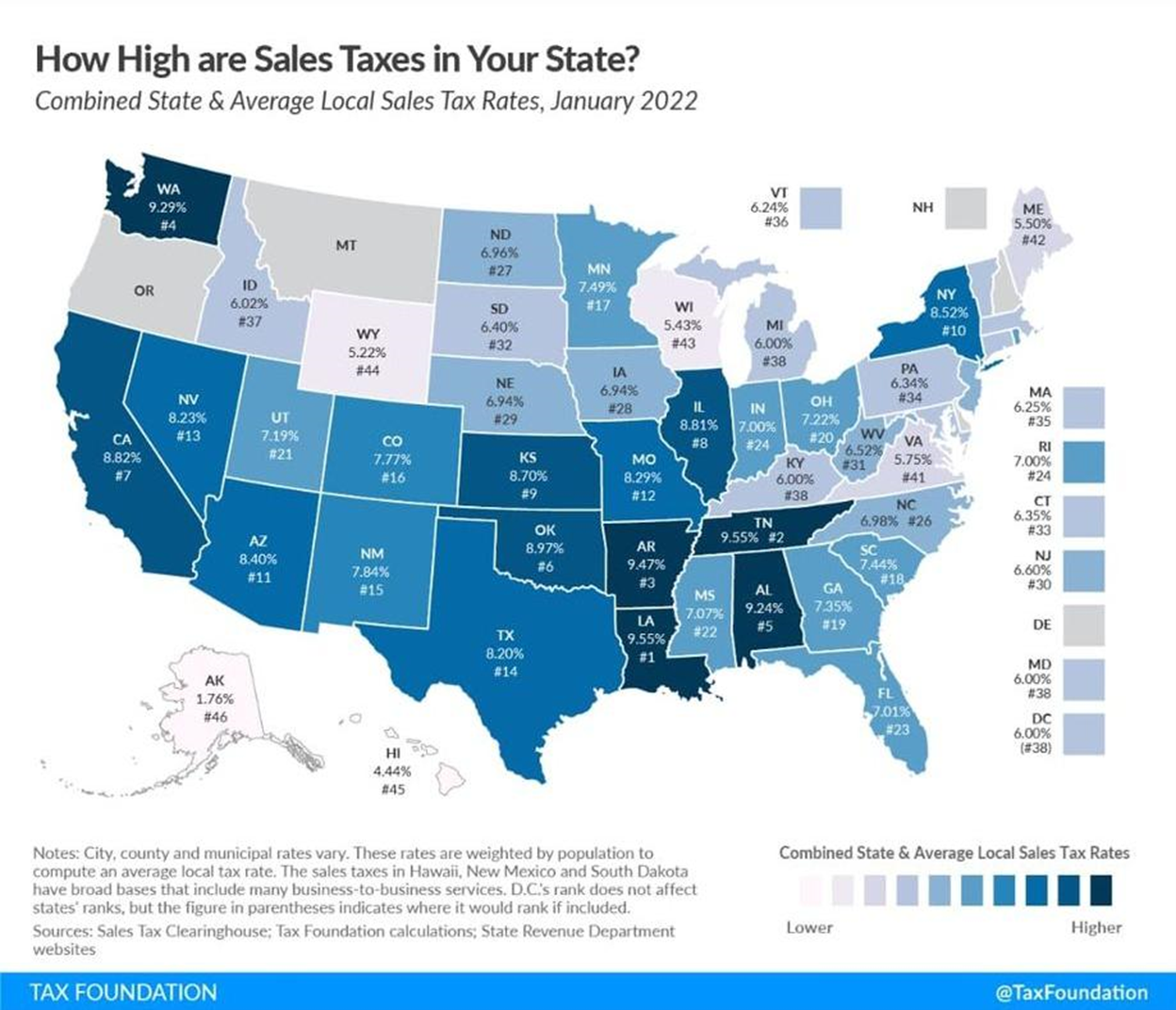
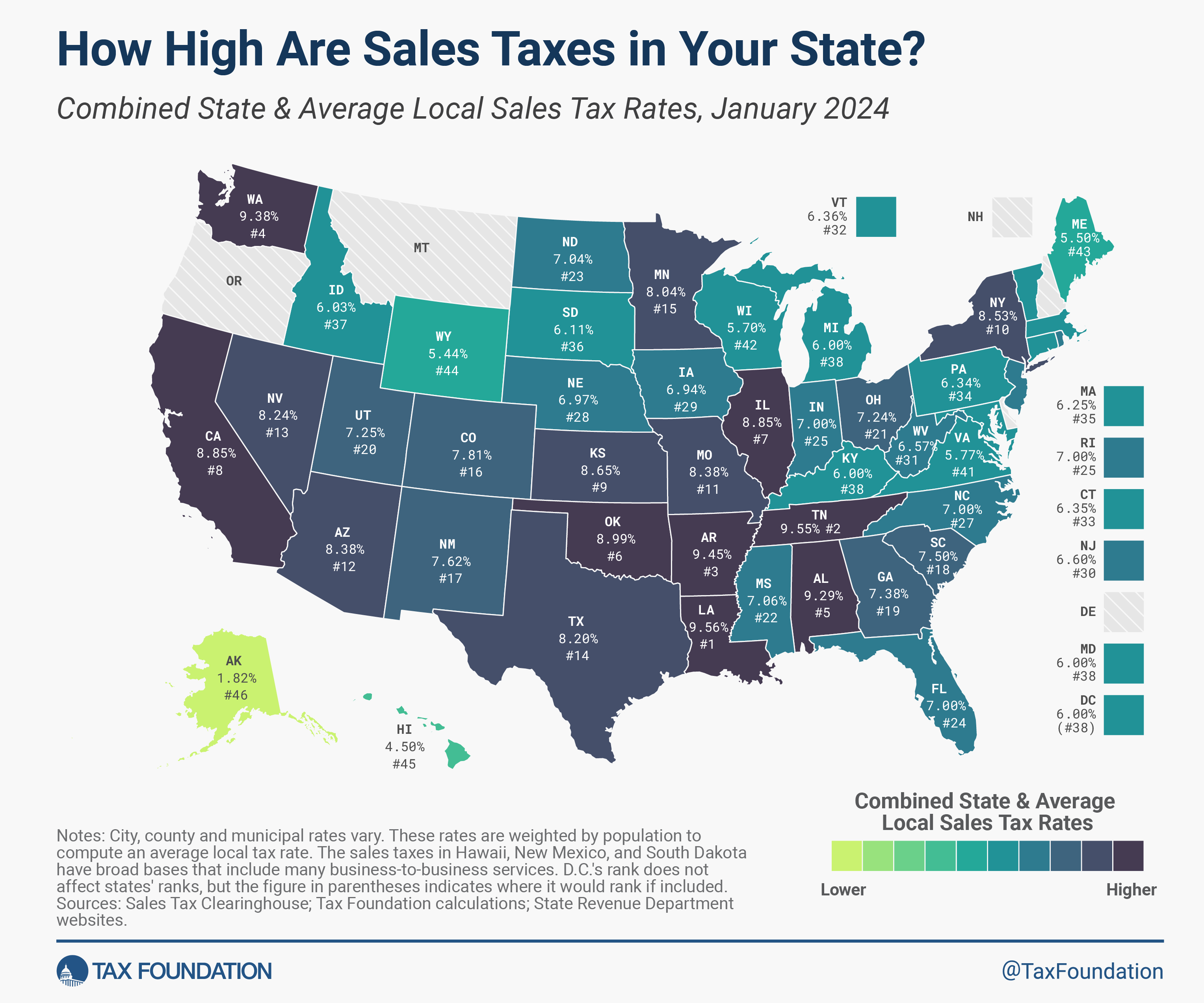
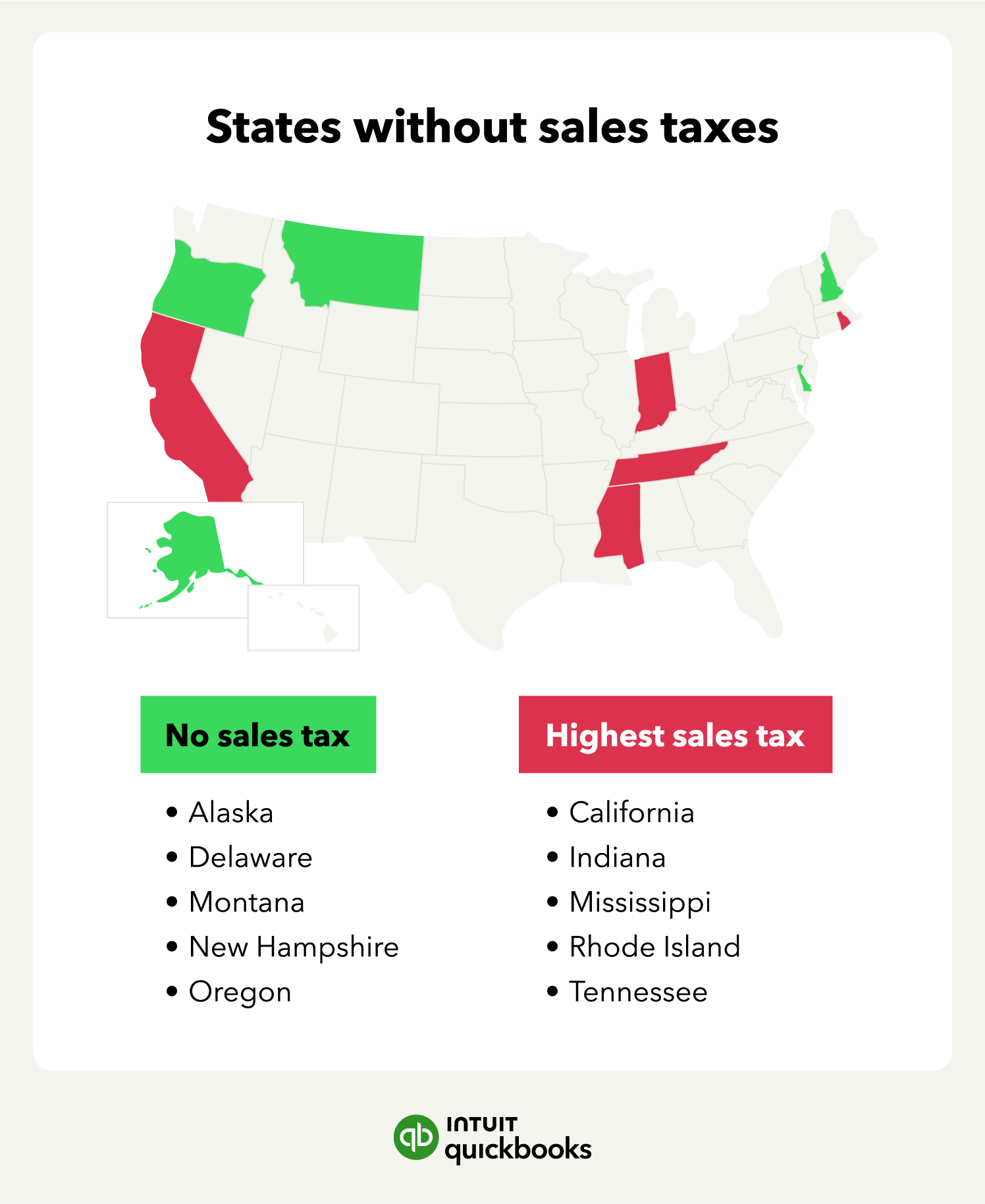
The direct answer, which often surprises many, is no. Alaska stands out as one of the few states in the United States that does not levy a statewide sales tax. This unique tax structure can significantly influence the cost of goods and services, making it an attractive factor for both tourists planning their adventures and individuals considering a lifestyle change. Yet, this simple “no” comes with important nuances. While the state government doesn’t impose a sales tax, many local jurisdictions – cities and boroughs – do. Understanding this distinction is key to accurately budgeting for your Alaskan journey, from accommodation bookings to souvenir shopping and dining experiences. This comprehensive guide will delve into Alaska‘s distinct tax landscape, exploring its implications for travel, tourism, and everyday life in this extraordinary corner of North America.
Unpacking Alaska’s Tax Landscape: A Unique Approach
Alaska’s approach to taxation is distinctly different from most other states in the United States, largely due to its rich natural resources, particularly oil. This economic foundation has allowed the state to fund public services without relying on common revenue streams like statewide sales or income taxes. For travelers and potential residents, this presents a fascinating financial environment that requires a closer look.
The Absence of a Statewide Sales Tax
The most prominent feature of Alaska’s tax system is the complete absence of a statewide sales tax. This means that when you purchase goods or most services from a business operating within the state, you won’t see an additional percentage tacked on by the state government, unlike in the majority of other states. This can translate to noticeable savings on a variety of purchases, from clothing and outdoor gear to groceries and souvenirs, potentially making your travel budget stretch further. For instance, if you’re outfitting yourself for a wilderness expedition or simply stocking up on supplies for a long-term stay in an Alaskan apartment, the base price is often the final price, before any local taxes.
This policy stems from the substantial revenue generated by Alaska’s oil and gas industry. The state historically benefits from severance taxes on oil and gas production, which have largely negated the need for a general sales tax. This model contributes to a lower overall tax burden for consumers at the state level, a significant factor that differentiates Alaska from its counterparts.
The Role of Local Sales Taxes
While the state of Alaska maintains a zero sales tax policy, it grants cities and boroughs the authority to levy their own local sales taxes. This crucial detail means that the sales tax you encounter will vary significantly depending on where you are in Alaska. These local taxes are a vital source of revenue for municipal governments, funding local services like schools, public safety, and infrastructure.
The rates of these local sales taxes can range widely, from 0% in some areas to as high as 7.5% or even more in others. For example, large cities like Anchorage and Fairbanks famously do not impose a local sales tax, offering a completely tax-free shopping experience (beyond specific excise taxes, which we’ll discuss later). This makes these urban centers particularly appealing for purchasing larger items or stocking up on essentials.
However, many other popular destinations and smaller communities do have local sales taxes. Coastal towns and major tourist hubs are particularly likely to have them, often relying on visitor spending to bolster their local economies. For instance, communities like Juneau, Ketchikan, Sitka, Homer, and Seward all have local sales taxes, with rates typically ranging from 3% to 7.5%. Some areas even implement seasonal sales taxes, increasing rates during peak tourist seasons to capitalize on the influx of visitors, a common practice for towns that experience significant seasonal economic fluctuations.
Before embarking on your journey or making significant purchases, it’s always advisable to consult the official websites of the specific city or borough you plan to visit. This will provide the most up-to-date and accurate information on current sales tax rates, helping you to budget effectively and avoid any surprises.
The Impact on Travelers and Tourism
For anyone planning a trip to Alaska, understanding the sales tax situation is not just an academic exercise; it has tangible implications for your overall travel budget and the kind of experiences you can afford. Alaska is often perceived as an expensive destination, and while some costs are indeed higher due to logistics and remoteness, its unique tax structure can offer unexpected savings.
Budgeting for Your Alaskan Adventure
The absence of a statewide sales tax, especially in major entry points like Anchorage and Fairbanks, can be a significant advantage when budgeting for your trip. General purchases, such as outdoor gear, clothing, electronics, and even groceries, are generally free from state sales tax. This means that if you’re buying extra layers for a glacier hike or picking up supplies for a camping trip in Denali National Park, the price tag is largely what you pay. This can lead to considerable savings compared to making similar purchases in states with high sales taxes.
However, it’s crucial to remember that services, especially those aimed at tourists like guided tours, wildlife cruises, or fishing charters, might still be subject to local sales taxes if the service provider operates in a municipality that levies one. When booking these experiences, always clarify whether taxes or additional fees are included in the quoted price. Many operators are transparent, but a quick inquiry can save you from unexpected costs. Exploring the remote wilderness of Kenai Fjords National Park or witnessing the grandeur of Glacier Bay National Park often involves booking tours, so this consideration is vital.
Accommodation and Lodging Costs
When it comes to where you’ll lay your head at night, Alaska’s tax rules also play a role. Similar to sales tax, the state of Alaska does not impose a statewide lodging tax. However, local jurisdictions frequently step in to fill this gap. Most cities and boroughs popular with tourists levy their own lodging taxes, often referred to as “bed taxes” or “room taxes.” These are typically a percentage of the room rate and are applied to hotels, motels, resorts, apartments, vacation rentals, and even some long-term stay accommodations.
These lodging taxes can vary significantly. For instance, Anchorage, while having no general sales tax, imposes a 12% lodging tax. Fairbanks has an 8% lodging tax, and Juneau’s lodging tax is 5%. These taxes can add a substantial amount to the overall cost of your stay, particularly if you’re planning a multi-night visit to a hotel or resort. When comparing prices on booking platforms or directly with establishments, ensure that the quoted price explicitly states whether these local lodging taxes are included. Understanding these additional costs upfront is essential for accurate budget planning, especially for luxury travel where the base room rates are already higher. For those seeking budget travel options, comparing accommodation costs inclusive of all local taxes becomes even more critical.
Dining and Local Experiences
Food is an integral part of experiencing local culture, and Alaska offers a culinary scene rich with fresh seafood like King Crab, Salmon, and Halibut. When it comes to dining, the sales tax rules are again locally determined. If you’re buying groceries from a supermarket, these purchases will generally be exempt from state sales tax. In cities without local sales tax, like Anchorage or Fairbanks, your grocery bill will be exactly as priced. This is a significant boon for family trips or extended stays, allowing you to save money by preparing some of your own meals.
However, when dining out at restaurants, cafes, or food trucks, your meal may be subject to a local sales tax if you are in a city or borough that imposes one. For example, a meal in Ketchikan would likely have a local sales tax added, whereas a similar meal in Anchorage would not (though tips are customary everywhere). This distinction is important for budgeting for your daily food expenses. Exploring local food markets for fresh produce or indulging in a luxurious seafood dinner will both have their own tax implications based on location. Being aware of this allows travelers to make informed choices about where and how they choose to experience Alaskan cuisine.
Beyond Sales Tax: Other Financial Considerations in Alaska
While the absence of a statewide sales tax is a significant financial characteristic of Alaska, it’s only one piece of the larger economic puzzle. To truly understand the cost of living and traveling in Alaska, it’s important to consider other taxes and economic factors that influence residents and visitors alike.
Income Tax and Property Tax
Another major differentiator for Alaska is the absence of a statewide personal income tax. This makes Alaska one of the few states in the United States that has neither a state sales tax nor a state income tax, making it a potentially attractive option for individuals seeking to minimize their overall tax burden. This policy is primarily supported by the state’s substantial oil revenues.
However, local governments in Alaska do rely heavily on property taxes to fund municipal services. Property tax rates vary significantly across different boroughs and cities, often reflecting the value of local services, infrastructure, and property values. For example, a homeowner in Anchorage will face a different property tax bill than one in a smaller, more remote community. While this primarily impacts residents, it indirectly influences the cost of accommodation and services, as businesses and landlords factor these costs into their pricing. Understanding the balance between low state-level taxes and higher local property taxes is crucial for anyone considering a long-term stay or investment in Alaskan real estate.
Excise Taxes and Other Fees
To compensate for the lack of general sales and income taxes, Alaska does impose various excise taxes on specific goods and services. These “sin taxes” or “consumption taxes” are levied on items such as fuel, alcohol, and tobacco. Alaska generally has some of the highest fuel prices in the nation, partly due to its remote location and high excise taxes, which impact everything from transportation costs for goods to the price of renting a car for your road trip. Similarly, alcohol and tobacco products carry higher prices due to these specific taxes.
Beyond excise taxes, travelers should also anticipate various fees for specific activities or permits. For instance, if you plan to fish, you’ll need a fishing license, which comes with a fee. Entry fees might apply to certain state parks or private attractions. Cruise ship passengers often incur various port fees and other surcharges. These fees are typically separate from any sales tax and are part of the direct cost of participating in certain activities. When planning your itinerary, it’s wise to factor in these additional costs for a realistic budget.
Cost of Living and Lifestyle Implications
Despite the appealing absence of state-level sales and income taxes, the overall cost of living in Alaska is generally higher than the national average. This is primarily due to the logistical challenges of importing goods into a remote state with extensive wilderness and limited infrastructure. Transportation costs drive up the price of everything from groceries and consumer goods to construction materials and energy.
However, for residents, the tax structure offers unique benefits. The lack of state income tax means that a larger portion of one’s earnings remains in their pocket. Furthermore, [Alaska](https://lifeoutofthebox.com/alaska] is home to the Alaska Permanent Fund Dividend (PFD), an annual payment distributed to eligible residents from the state’s oil wealth. This unique program provides a significant financial boost to residents each year, helping to offset some of the higher costs of living. For visitors, while the PFD doesn’t directly apply, the tax structure can still lead to savings on general purchases, balancing out some of the higher prices for imported goods or specialized services. Whether you’re considering a permanent move or simply planning a robust holiday, these financial details shape the overall lifestyle and budget experience in Alaska.
Planning Your Tax-Savvy Alaskan Journey
Navigating Alaska’s unique tax environment doesn’t have to be complicated. With a bit of foresight and strategic planning, you can maximize your budget and truly immerse yourself in the wonders of this extraordinary state. From enjoying the Northern Lights to experiencing the Iditarod Trail Sled Dog Race, every aspect of your trip can be enhanced by smart financial choices.
Research Local Tax Rates
The golden rule for budgeting in Alaska is to always research the specific local tax rates for the cities and boroughs you plan to visit. This applies to both general sales taxes and lodging taxes. Many municipal websites provide clear information on their current tax structures. For instance, if you’re planning to stay in Seward for a cruise departure and then spend a few nights in Anchorage, you’ll encounter different lodging tax rates and potentially sales tax differences on purchases. Utilize online travel guides and comparison sites, but always cross-reference with official local government sources to ensure accuracy, especially as rates can occasionally change. This careful planning ensures that when you book your hotels, resorts, or local experiences, you have a complete picture of the final cost.
Smart Spending Strategies
Armed with knowledge about local taxes, you can implement smart spending strategies. If you’re traveling through an area like Anchorage or Fairbanks that has no local sales tax, consider purchasing larger items, souvenirs, or even stocking up on groceries there. For family trips, buying groceries in a tax-free zone can significantly reduce food costs compared to consistently dining out or shopping in higher-taxed municipalities.
When booking accommodations, pay close attention to the breakdown of costs. A hotel in a city with a 12% lodging tax will add a substantial amount to your bill, so factor that into your overall comparison. Some smaller, more remote lodges or guesthouses might have lower or no lodging taxes, which could be a factor for budget travelers. For activities and tours, ask if local sales tax or any other fees are included in the price quoted. Being proactive in these inquiries can prevent surprises and help you manage your travel budget more effectively, allowing for a more luxurious travel experience without overspending on hidden fees, or making budget travel truly affordable.
Embrace the Experience
Ultimately, while financial planning is essential, the allure of Alaska lies in its unparalleled natural beauty, its rich cultural heritage, and the once-in-a-lifetime adventures it offers. The unique tax structure is just one aspect of what makes Alaska distinctive. Whether you’re gazing at a calving glacier, watching bears fish for Salmon, or exploring a historic mining town, the experiences themselves are priceless. By understanding and anticipating the tax landscape, you can ensure that your financial planning supports, rather than detracts from, your enjoyment of this incredible destination. Focus on the value of the experiences, the stunning landmarks, and the vibrant local culture, knowing that you’ve made informed decisions about your spending.
Conclusion
In summary, does Alaska have a sales tax? At the state level, the answer is a resounding no, a characteristic that makes it unique among United States destinations. However, the presence of varying local sales taxes and lodging taxes across its cities and boroughs means that the overall picture is more nuanced. For travelers and those considering a lifestyle change, this implies a need for careful planning and research into specific municipal regulations. By understanding these dynamics, from accommodation bookings to dining and shopping, you can effectively budget for your journey, ensuring a financially smooth and unforgettable exploration of “The Last Frontier.” Alaska’s rugged beauty and unique charm await, and with a little preparation, your adventure can be as fiscally sound as it is breathtaking.
LifeOutOfTheBox is a participant in the Amazon Services LLC Associates Program, an affiliate advertising program designed to provide a means for sites to earn advertising fees by advertising and linking to Amazon.com. Amazon, the Amazon logo, AmazonSupply, and the AmazonSupply logo are trademarks of Amazon.com, Inc. or its affiliates. As an Amazon Associate we earn affiliate commissions from qualifying purchases.