
California, often hailed as the Golden State, beckons millions of travelers and new residents each year with its diverse landscapes, vibrant cities, and unparalleled lifestyle opportunities. From the sun-drenched beaches of San Diego to the iconic landmarks of San Francisco and the entertainment capital of Los Angeles, the state offers an endless array of experiences. Amidst planning unforgettable trips, choosing the perfect accommodation, or settling into a new community, a fundamental question often arises for both tourists and long-term stays: Is California tap water safe to drink?
The answer, like much of California itself, is multifaceted. While the vast majority of tap water in urban and suburban areas meets stringent safety standards and is perfectly safe to consume, concerns about contaminants, aging infrastructure, and regional disparities mean that a nuanced understanding is essential. For those exploring destinations, savoring local cuisine, or simply enjoying the lifestyle, being informed about water quality can significantly enhance one’s experience and peace of mind.

Navigating Water Quality in the Golden State
Understanding the safety of tap water in California begins with appreciating the robust regulatory framework and the diverse sources from which the state draws its precious resource. It’s a complex system designed to deliver clean water to nearly 40 million residents and countless visitors, supporting everything from thriving tourism sectors to bustling metropolitan centers.
The Regulatory Backbone: Ensuring Safety Standards
The foundation of safe drinking water in the United States is the Safe Drinking Water Act (SDWA), a federal law administered by the Environmental Protection Agency (EPA). This act sets national standards for drinking water and requires all public water systems to comply with these standards. The EPA establishes maximum contaminant levels (MCLs) for various pollutants, from bacteria and viruses to chemical contaminants like lead and pesticides, ensuring that water is safe for human consumption.
In California, these federal regulations are not just adopted but often enhanced by the State Water Resources Control Board (SWRCB). The SWRCB is the primary agency responsible for enforcing drinking water standards, permitting public water systems, and overseeing water quality monitoring throughout the state. This dual layer of oversight, federal and state, means that California’s public water systems are among the most rigorously tested and regulated in the world. They must regularly test their water for hundreds of potential contaminants and report these findings to the public, primarily through annual Consumer Confidence Reports (CCRs). These reports are invaluable resources for anyone looking to understand their local water quality.
However, the regulatory framework, while comprehensive, doesn’t always guarantee absolute purity. It sets benchmarks that, when met, indicate the water is safe according to scientific consensus. Yet, the presence of certain contaminants even at levels below the MCL can still be a concern for some individuals, particularly those with compromised immune systems or heightened sensitivities. This is where personal awareness and supplementary measures become relevant for both residents and those on extended stays or planning a trip.
Where Does California’s Water Come From?
California’s vast and intricate water supply system is a testament to engineering and resource management, designed to quench the thirst of a sprawling population in a largely arid climate. The state relies on a complex network of reservoirs, rivers, groundwater basins, and aqueducts to deliver water to homes and businesses.
Major surface water sources include the Sierra Nevada snowpack, which feeds rivers like the Sacramento River and the San Joaquin River, as well as the Colorado River. These sources are often transported over hundreds of miles through large-scale projects such as the State Water Project and the Central Valley Project. Groundwater, extracted from underground aquifers, also plays a critical role, especially in agricultural regions and smaller communities.
Before reaching the tap, this raw water undergoes extensive treatment processes. These typically involve coagulation, flocculation, sedimentation, filtration, and disinfection (often with chlorine or chloramines). These steps are highly effective at removing particulate matter, bacteria, viruses, and other pathogens. The effectiveness of treatment plants is a major reason why tap water in most developed areas is considered safe. However, the quality of the source water itself, and the potential for new or emerging contaminants to bypass traditional treatment, are ongoing considerations. The journey of water from its source to your glass is a long one, and vigilance is required at every stage.
Common Concerns and Contaminants: A Closer Look
While California’s water treatment systems are advanced, and regulations are robust, specific challenges and contaminants occasionally raise questions about tap water safety. For anyone considering a move, planning a lengthy stay, or just passing through, understanding these potential issues can help inform decisions.
Persistent Pollutants: Lead, PFAS, and Microplastics
One of the most widely recognized concerns is lead contamination. Lead typically doesn’t come from the water source itself or the treatment plant; instead, it leaches into the water from old lead pipes, fixtures, and solder found in older homes and buildings. While lead in drinking water has been significantly reduced due to regulations, residences built before 1986 are more susceptible. This is a particular concern in older neighborhoods in cities like San Francisco or Los Angeles. The long-term health effects of lead exposure, especially in children, are well-documented, making this a critical area of focus.
Per- and polyfluoroalkyl substances (PFAS), often called “forever chemicals,” represent a newer, emerging concern. These man-made chemicals are used in a variety of industrial and consumer products (like non-stick cookware and firefighting foams) and are highly persistent in the environment. They have been detected in water sources across the country, including parts of California. While research into their full health impacts is ongoing, they are linked to potential health issues such as certain cancers and developmental problems. The EPA has recently set more stringent health advisories and is moving towards enforceable regulations for PFAS, but their widespread presence means they are a continuing challenge for water utilities.
Microplastics, tiny plastic particles, are another area of growing scientific interest. These can enter water systems from a myriad of sources, including plastic waste breakdown, synthetic clothing, and industrial processes. While their direct health impacts from drinking water are still being studied, their ubiquitous presence globally, including in California’s water sources, is a subject of ongoing research and public discussion. These contaminants are particularly challenging as they are often too small for conventional water treatment methods to fully remove.
Agricultural and Industrial Impacts
California’s robust agricultural sector, particularly in the Central Valley and San Joaquin Valley, is a significant contributor to the state’s economy and food supply. However, intensive farming practices can lead to runoff containing pesticides, herbicides, and nitrates from fertilizers, which can seep into groundwater or surface water sources. These contaminants pose particular risks to rural communities that rely on wells or smaller, less sophisticated water systems. Nitrates, for instance, can be dangerous for infants, causing “blue baby syndrome.”
Similarly, industrial activities, past and present, can contribute to water contamination. Sites with historical manufacturing operations, military bases, or certain types of waste disposal can leave a legacy of industrial chemicals and heavy metals in local water supplies. While strict regulations are in place for current industrial discharges, historical contamination can persist, especially in groundwater, requiring extensive remediation efforts. These impacts highlight the importance of understanding the local context when assessing water safety.
The Challenge of Aging Infrastructure
A significant challenge facing many water systems across the United States, including parts of California, is aging infrastructure. Much of the water delivery network—pipes, pumping stations, and treatment facilities—was built decades ago and is nearing or past its intended lifespan. Aging pipes can lead to leaks, allowing contaminants to enter the system, and can contribute to water main breaks, which can disrupt service and introduce impurities.
Furthermore, older pipes, particularly those made of lead or containing lead solder, are a direct source of lead contamination. The cost and logistical complexity of replacing vast networks of pipes across large cities like Los Angeles or San Francisco are immense. While utilities are actively working to upgrade and maintain their infrastructure, it’s a monumental, ongoing task that underscores the need for continuous investment and vigilance to ensure the integrity of the water supply.
Regional Differences: Urban vs. Rural Perspectives
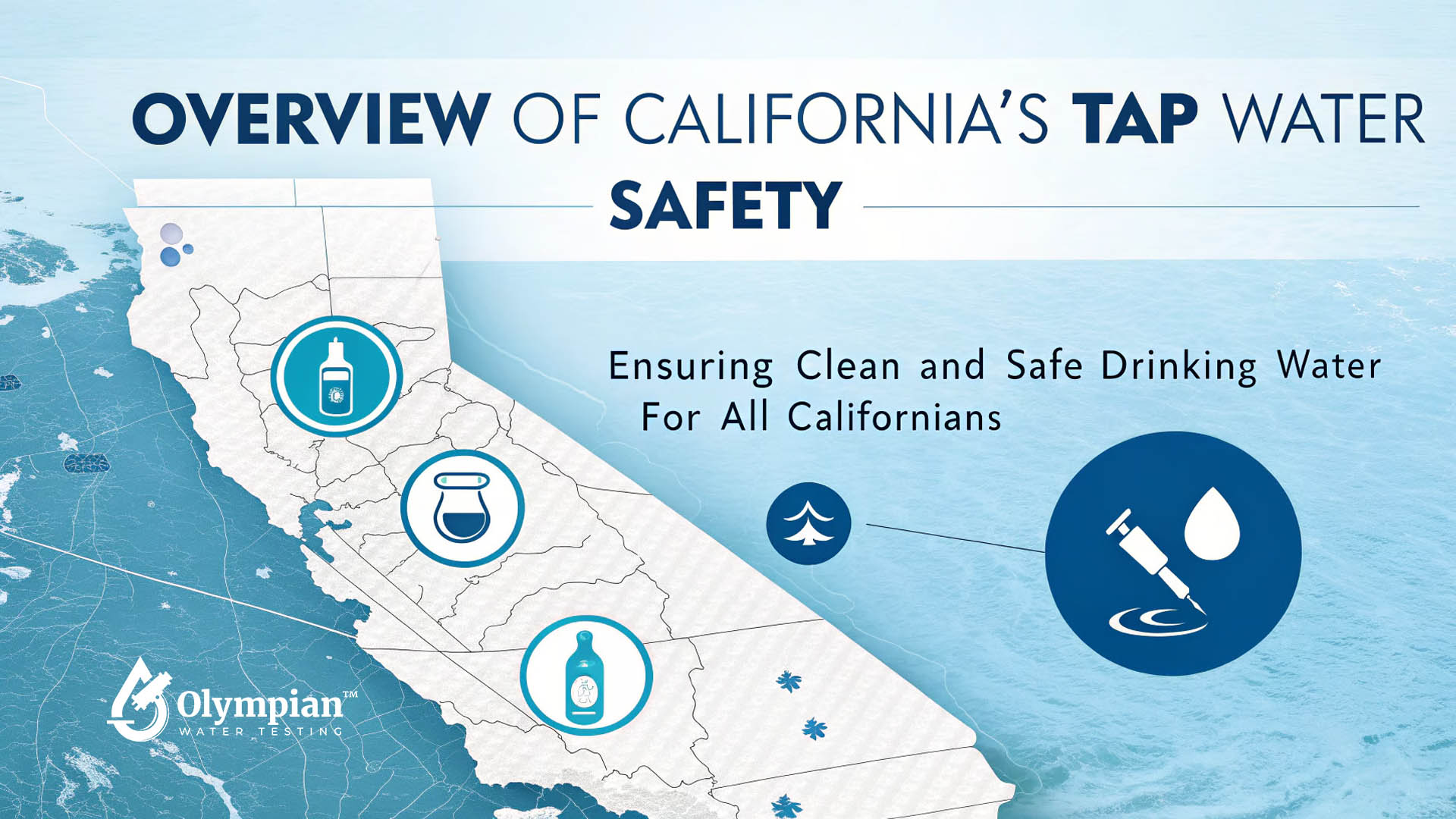
The safety of tap water in California is not a monolithic issue; it varies significantly depending on your location within the state. What holds true for a bustling metropolis might not apply to a remote rural community or a private well owner. Understanding these regional differences is crucial for both residents and visitors exploring diverse California destinations.
Major Metropolises: A General Sense of Security
In major urban centers like Los Angeles, San Francisco, and San Diego, the tap water is generally considered safe and of high quality. These cities are served by large, sophisticated public water systems that invest heavily in advanced treatment technologies, employ highly trained staff, and conduct frequent, rigorous testing. Their sheer scale allows for economies of scale in infrastructure maintenance and upgrades.
For travelers staying in hotels, resorts, or apartments in these major cities, the tap water is almost certainly safe to drink. The water quality standards are consistently met, and any significant issues are quickly addressed and communicated to the public. For those visiting or living in these areas, trusting the tap water for drinking, cooking, and showering is typically a safe bet, contributing to a seamless travel experience or comfortable daily life. However, even in these cities, individual building plumbing can sometimes be an issue, particularly in very old structures.
Rural Areas and Vulnerable Communities
The situation can be more complex in California’s vast rural areas, particularly in agricultural regions like the Central Valley and the San Joaquin Valley. Smaller communities often rely on groundwater sources, which are more susceptible to contamination from agricultural runoff (pesticides, nitrates) and naturally occurring minerals like arsenic. These smaller water systems may have fewer resources for advanced treatment, infrastructure maintenance, or extensive testing compared to their urban counterparts.
For travelers exploring national parks, staying in more remote accommodations, or for those considering moving to a rural community, it’s advisable to exercise more caution. Water quality in these areas can be more variable, and some smaller systems may struggle with compliance. Additionally, households relying on private wells are entirely responsible for their own water testing and treatment. The SWRCB actively works to support these communities, but challenges persist. For adventurous travelers, understanding the local context of water sources in remote destinations can be as important as packing the right gear or researching local attractions.
Practical Steps for Residents and Travelers
Whether you’re a long-term resident, contemplating a move, or simply enjoying a vacation in California, taking proactive steps can help ensure your drinking water is as safe as possible and provide an extra layer of confidence.
How to Check Your Local Water Quality
The easiest and most reliable way to assess the safety of your tap water is to consult your local water utility’s annual Consumer Confidence Report (CCR). These reports are required by federal law and provide detailed information about the water’s source, detected contaminants, and compliance with EPA and SWRCB standards. You can usually find these reports on your water provider’s website or by contacting them directly. For travelers staying in a specific hotel or resort, inquiring about local water quality is a reasonable question to ask the accommodation staff.
Another valuable resource is the Environmental Working Group (EWG)‘s tap water database. The EWG compiles and analyzes water quality data from utilities across the United States, often highlighting contaminants that, while below legal limits, may still pose health concerns based on their own stricter health guidelines. This can provide a more comprehensive picture for those seeking additional assurance.
If you have a private well, regular testing (at least annually) by a certified laboratory is essential. These tests can identify bacteria, nitrates, and other common contaminants that are not monitored by a public utility.
Filtration Systems: An Added Layer of Protection
For many, a simple water filter provides an extra layer of reassurance and can improve the taste and odor of tap water. Various types of filters are available, catering to different needs and budgets:
- Pitcher Filters: Brands like Brita or Pur are affordable and convenient for everyday use, effectively reducing chlorine, sediment, and some heavy metals. They are a popular choice for residents and can be useful for longer-term stays in serviced apartments or villas.
- Faucet-Mounted Filters: These attach directly to your tap and offer filtered water on demand. They are generally more effective than pitcher filters for removing a wider range of contaminants.
- Under-Sink Filters: Providing a dedicated filtered water tap, these systems offer higher filtration capabilities, often including carbon block, reverse osmosis, or UV purification, tackling a broader spectrum of contaminants like lead, PFAS, and even some pathogens. They are a significant investment but provide comprehensive protection.
- Whole-House Filters: For ultimate peace of mind, a whole-house filtration system treats all water entering your home, protecting against contaminants in drinking water, shower water, and water used for cooking and cleaning. This is a considerable lifestyle upgrade for homeowners.
The choice of filter depends on your specific concerns and the contaminants present in your local water supply. Consulting your CCR can help you select a filter designed to address your particular water quality profile.
When to Opt for Bottled Water or Boil Advisories
While tap water is generally safe, there are specific situations where bottled water or boiling water might be necessary:
- Boil Water Advisories: In the event of a natural disaster (e.g., floods, earthquakes), a major water main break, or contamination incident, your local utility may issue a “boil water advisory.” This means you should boil all tap water vigorously for at least one minute before consumption to kill any harmful bacteria or viruses. These advisories are critical and should be strictly followed, whether you’re a local resident or a tourist caught in an affected area.
- Known Contamination in Small Systems: If you are in a very rural area served by a small, under-resourced water system that consistently struggles with compliance, or if you have a private well with known issues, bottled water might be the safest option until the problem is resolved.
- Personal Preference or Sensitivity: Some individuals may simply prefer the taste of bottled water or have heightened sensitivities to even trace amounts of chlorine or other compounds. For short trips, especially in destinations where you’re unsure about water quality, carrying a reusable water bottle and refilling it with filtered or bottled water is a practical approach.
- Emergencies: Always keep an emergency supply of bottled water on hand, especially in a state like California prone to earthquakes and wildfires.
For environmentally conscious travelers, choosing large refillable water bottles over single-use plastic bottles, or utilizing filtered water stations often found in hotels and airports, can help reduce plastic waste while ensuring hydration.
Conclusion: Making Informed Choices About California’s Tap Water
For most residents and visitors across California, particularly in its well-established urban and suburban areas, tap water is safe, reliably regulated, and meets stringent quality standards. The state’s commitment to water safety, driven by both federal and state oversight, ensures a high degree of protection. This widespread safety contributes to the overall appeal of California as a destination for travel, tourism, and long-term accommodation.
However, a nuanced perspective is vital. Challenges such as aging infrastructure, the presence of emerging contaminants like PFAS and microplastics, and regional disparities, especially in some rural and agricultural communities, mean that water quality isn’t uniform across the entire state. For those exploring California’s diverse landscapes and lifestyles, from the luxury resorts to remote natural landmarks, understanding these variations is key.
By utilizing available resources like Consumer Confidence Reports (CCRs) and platforms like the Environmental Working Group (EWG), and considering simple solutions like water filters or occasionally opting for bottled water, individuals can make informed choices that align with their personal comfort and health considerations. Ultimately, while you can generally drink California tap water with confidence, staying informed and prepared ensures peace of mind, allowing you to fully enjoy all that the Golden State has to offer without unnecessary concerns about one of life’s most essential resources.
LifeOutOfTheBox is a participant in the Amazon Services LLC Associates Program, an affiliate advertising program designed to provide a means for sites to earn advertising fees by advertising and linking to Amazon.com. Amazon, the Amazon logo, AmazonSupply, and the AmazonSupply logo are trademarks of Amazon.com, Inc. or its affiliates. As an Amazon Associate we earn affiliate commissions from qualifying purchases.