
For many, the dream of owning a home in the vibrant, sprawling landscape of Texas is intrinsically linked with a lifestyle of freedom, exploration, and smart financial planning. The Lone Star State offers an incredible array of experiences, from the bustling city life of Houston and Dallas to the live music scene in Austin and the rich history of San Antonio. Whether you envision weekend getaways to Big Bend National Park, exploring the historical sites in Galveston, or simply enjoying the comfort of your own space after a long journey, reducing your property tax burden can significantly enhance your financial flexibility. This is where the Texas homestead exemption comes into play, serving as a crucial tool for homeowners to decrease their annual property tax liability and free up funds for what truly matters—whether that’s a luxury trip, a budget-friendly family vacation, or simply a more comfortable everyday lifestyle.
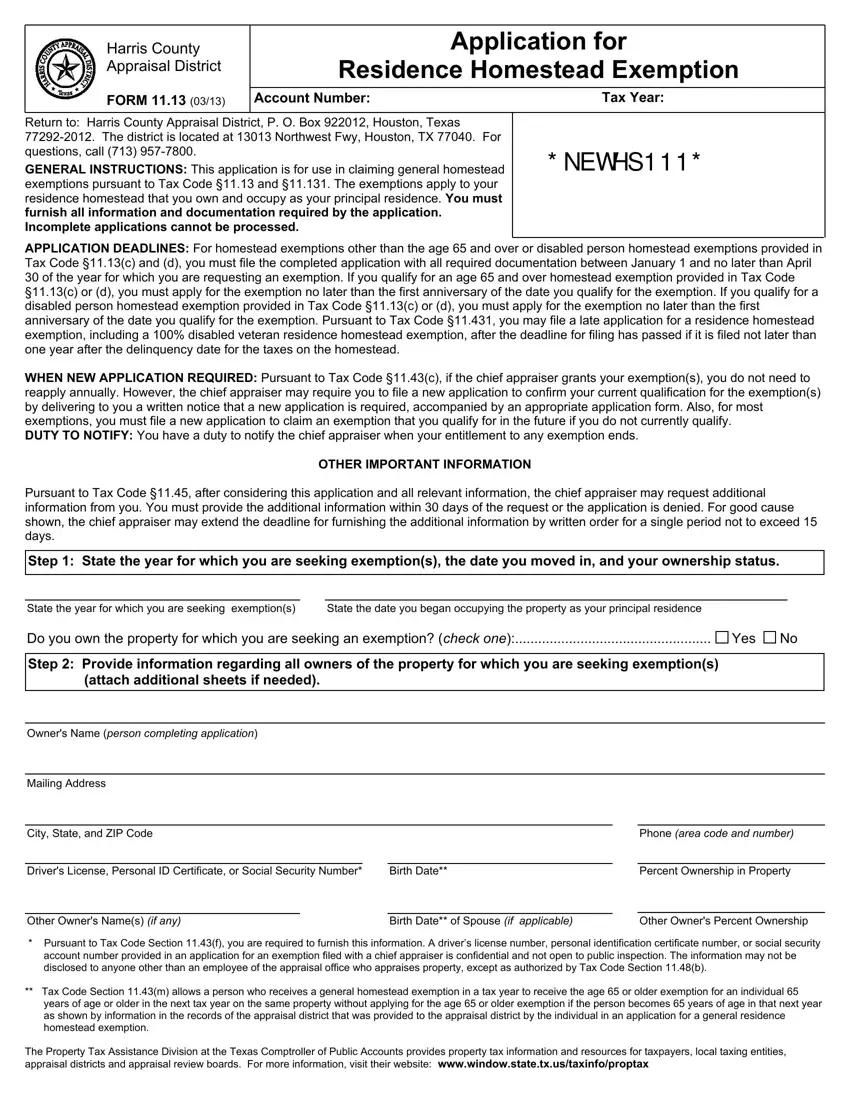
Understanding and correctly filing for your homestead exemption is a critical step for any Texas homeowner. It’s not just about saving money; it’s about optimizing your living expenses so you can invest more in experiences, travel, and the unique lifestyle opportunities that owning property in Texas affords. This comprehensive guide will walk you through everything you need to know, from understanding the benefits to navigating the application process, ensuring you can unlock these significant savings and enjoy your Texas home to its fullest.
Unlocking Financial Freedom: The Texas Homestead Exemption for Travelers and Homeowners
Owning a home is a significant investment, and managing its associated costs is key to maintaining a lifestyle that allows for leisure and travel. In Texas, property taxes can be substantial, making any form of relief highly valuable. The homestead exemption is precisely this—a government-backed program designed to reduce the taxable value of your primary residence, thereby lowering your annual property tax bill. For individuals who prioritize travel, local exploration, or simply a more comfortable daily existence, these savings can be transformative.
A Key to Budgeting for Your Next Adventure
Imagine the possibilities: hundreds or even thousands of dollars saved annually on property taxes could directly translate into a fantastic family trip to the Texas Hill Country wineries, a luxurious stay at a resort on South Padre Island, or perhaps a longer international adventure. For the budget-conscious traveler, these savings could cover plane tickets or accommodation for several shorter getaways. For those focused on a quality lifestyle at home, the extra funds might allow for home improvements, dining out more frequently at local restaurants, or investing in hobbies. The homestead exemption isn’t just a tax break; it’s a catalyst for achieving your travel and lifestyle aspirations.
What is the Texas Homestead Exemption?
At its core, a Texas homestead exemption is a property tax reduction granted on a homeowner’s primary residence. When you receive a homestead exemption, a portion of your home’s appraised value is excluded from taxation. For example, if your home is appraised at $300,000 and you qualify for a $40,000 exemption, you would only pay property taxes on $260,000 of its value. This reduction applies to the taxes levied by various local taxing units, including counties, cities, school districts, and special districts. While the specific exemption amounts can vary, the statewide mandatory school district exemption is a significant component, often providing the largest savings. It’s a fundamental benefit designed to make homeownership more affordable and sustainable for Texas residents.
The Diverse Appeal of Texas for Homeowners
Owning a home in Texas offers unparalleled access to a diverse range of experiences that cater to every type of traveler and lifestyle. From your homestead, you can embark on journeys to explore historic landmarks like the Alamo in San Antonio, delve into the vibrant arts scenes of Houston’s Museum District, or discover the natural beauty of the Guadalupe Mountains National Park. The state’s vastness means short trips can transport you from desert landscapes to pine forests, from metropolitan skylines to tranquil coastal towns. With the financial cushion provided by a homestead exemption, your home becomes more than just a dwelling; it’s a strategically sound base from which to explore the richness of Texas and beyond, making every return to your abode a financially sound retreat.
Eligibility and Types: Who Qualifies for Tax Savings in the Lone Star State?
Before you can reap the benefits of a Texas homestead exemption, it’s crucial to understand the eligibility criteria. While the concept is straightforward, certain conditions must be met to ensure your application is successful. These requirements are in place to ensure the exemption primarily benefits owner-occupants, reinforcing the idea of a home as a stable base for your lifestyle, not just an investment property.
Primary Residence Requirements
The most fundamental requirement for a homestead exemption is that the property must be your primary residence. This means it’s the place you live and consider your permanent home. It cannot be an investment property, a rental unit, or a vacation home. If you own multiple properties in Texas, you can only claim a homestead exemption on one of them – the one you physically occupy and designate as your principal home. This is especially important for those who might own a condo in South Padre Island for occasional beach trips or an apartment in Austin for business stays; these secondary accommodations would not qualify. Your primary residence should be where your driver’s license and voter registration reflect your address, where your personal bills are sent, and where you generally return to after your travels.
Navigating Ownership and Occupancy Dates
To qualify for the exemption in a given tax year, you must have owned and occupied the property as your principal residence on January 1 of that tax year. For example, if you purchased and moved into your home on December 15, 2023, you would qualify for the exemption for the 2024 tax year. If you moved in on January 15, 2024, you would not qualify for the 2024 tax year but would be eligible for the 2025 tax year. There’s one key exception: if you are filing for an over-65 or disabled person exemption, you can apply for the exemption up to one year after the date you turn 65 or become disabled, or one year after you acquire the property, if you qualified for the exemption on January 1. Understanding these dates is critical to ensuring your application is timely and valid.
Beyond the Basics: Additional Exemptions for Texas Residents
Beyond the general residential homestead exemption, Texas offers several additional exemptions that can provide even greater savings for specific groups of homeowners, further enhancing their financial comfort and lifestyle. These include:
- Over-65 Exemption: If you are 65 years or older, you qualify for an additional exemption from school taxes. Many local taxing units also offer an optional over-65 exemption. This provides valuable relief during retirement years, potentially allowing for more leisurely travel or a more comfortable pace of life.
- Disabled Person Exemption: Similar to the over-65 exemption, homeowners who are certified as disabled qualify for an additional exemption from school taxes and potentially from other local taxing units. This support can significantly alleviate financial burdens, helping to maintain a desired quality of life.
- Disabled Veteran Exemptions: Texas offers property tax exemptions for disabled veterans, with the amount of the exemption varying based on the veteran’s disability rating. In some cases, severely disabled veterans (with a 100% disability rating) may qualify for a full exemption, meaning no property taxes at all. This is a profound benefit, honoring their service and providing unparalleled financial freedom, which could include extensive travel or specialized accommodations.
- Surviving Spouse Exemptions: The surviving spouse of a person who received an over-65, disabled person, or disabled veteran exemption may also be eligible to continue receiving the exemption under certain conditions.
These specialized exemptions underscore Texas’s commitment to supporting its residents, particularly those who have served or are in a specific life stage, allowing them to enjoy their homes and pursue their preferred lifestyles with greater financial ease.
Your Step-by-Step Guide to Filing and Securing Your Exemption
Once you’ve confirmed your eligibility, the next step is to correctly file your application. While the process is generally straightforward, paying attention to detail and meeting deadlines is essential. A successful application ensures you unlock those valuable tax savings, which can then be reinvested into your travel fund, home enhancements, or simply daily living.
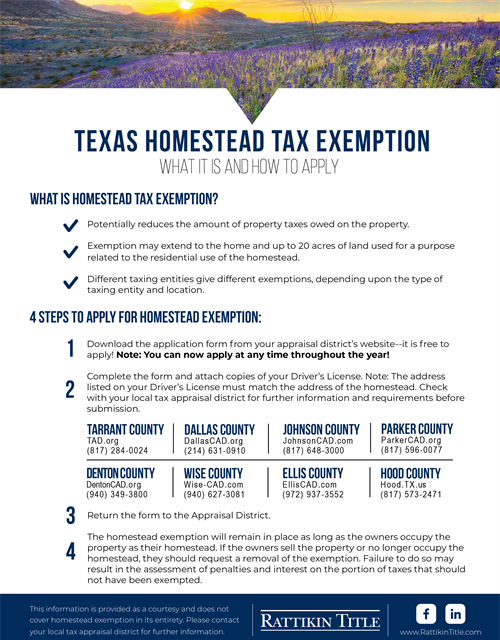
Gathering Your Essentials: Documents for a Smooth Application
To ensure a smooth application process, you’ll need to compile a few key documents. Having these ready before you start filling out the form will save you time and prevent delays. The primary document required is proof of identification and residency.
- Texas Driver’s License or Texas ID Card: This is typically required, and the address on your ID must match the address of the property you are claiming as your homestead. If you recently moved and haven’t updated your ID, do so before applying.
- Vehicle Registration: If you own a vehicle, its registration card should also reflect the homestead address.
- Voter Registration Card: Your voter registration should likewise list the homestead property as your address.
- Utility Bills: Copies of recent utility bills (electric, water, gas) in your name, showing the homestead address, can serve as additional proof of occupancy.
- Other Proof of Residency (if applicable): If you don’t have all the above, other documents like bank statements, employment records, or other official documents showing the homestead address might be accepted, but it’s best to check with your local appraisal district for specific requirements.
- Social Security Number: You will need to provide your Social Security Number on the application form. This helps the appraisal district verify that you are not claiming homestead exemptions on multiple properties.
For specialized exemptions (e.g., over-65, disabled, disabled veteran), you may need additional documentation. For instance, disabled individuals will need a letter from the Social Security Administration or a physician’s statement, and disabled veterans will need a copy of their disability rating letter from the U.S. Department of Veterans Affairs. Always verify the specific requirements with your county appraisal district.
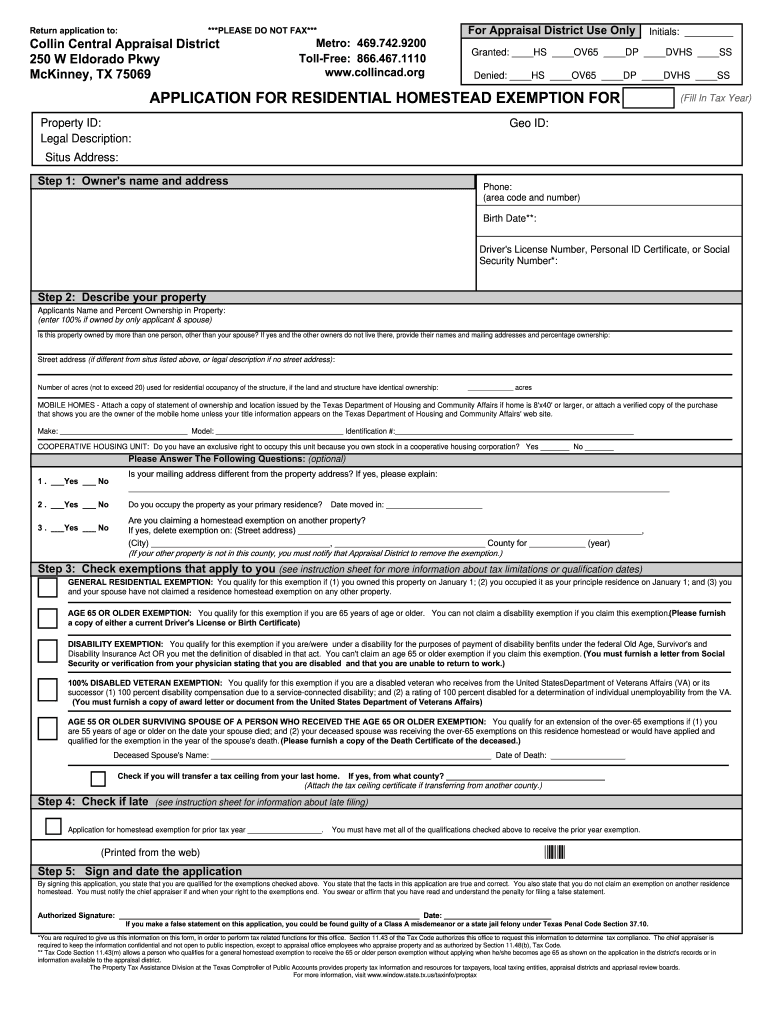
Completing Form 50-114: The Texas Residential Homestead Exemption Application
The official application form you’ll need to complete is the Texas Residential Homestead Exemption Application, also known as Form 50-114. This form is readily available for download from the Texas Comptroller of Public Accounts website or your specific county appraisal district’s website (e.g., Harris County Appraisal District, Travis Central Appraisal District, Bexar Appraisal District).
Carefully fill out all sections of the form. Key information required typically includes:
- Your name(s) as they appear on the deed.
- The address of the property for which you are claiming the exemption.
- The legal description or account number of the property (found on your property tax statement or the appraisal district website).
- Your Social Security Number.
- Date of birth for over-65 exemption, if applicable.
- Details regarding any other exemptions you may be claiming (e.g., disabled person, disabled veteran).
- A declaration that the property is your principal residence.
It’s crucial to be accurate and complete. Incomplete applications may be rejected or delayed. Make sure to sign and date the form before submission.
Where and When to File
Once your application is complete and you have all supporting documents, you’ll need to submit it to the appraisal district for the county in which your property is located.
- Where to File: Each county in Texas has its own appraisal district. You can find your specific appraisal district’s contact information and website through a quick online search (e.g., “Dallas County Appraisal District”). Most districts allow submission by mail, in person, or through an online portal. Online submission is often the most convenient method.
- When to File: For most exemptions, the deadline to file is April 30 of the tax year for which you are applying. For example, to receive the exemption for the 2024 tax year, you must file by April 30, 2024.
It’s important to note that if you acquire your property after January 1 and qualify for an over-65 or disabled person exemption, you can apply for the exemption up to one year after the date you turn 65 or become disabled, or one year after you acquire the property, if you qualified for the exemption on January 1. While the initial April 30 deadline applies to the general homestead exemption, filing as soon as possible after purchasing your home and establishing residency is always recommended to avoid missing out on potential savings. Remember, you generally only need to apply once for the general residential homestead exemption; it automatically renews in subsequent years as long as you continue to qualify and own the property.
Beyond the Application: Maintaining Your Exemption and Maximizing Texas Living
Filing your homestead exemption is a significant step, but understanding what happens afterward and how to maintain this crucial tax benefit is just as important. By staying informed, you can ensure your savings continue to contribute to your preferred Texas lifestyle, whether that involves frequent travel, home comforts, or both.
What to Expect After Filing: Approval, Denial, and Appeals
After you submit your application, the appraisal district will review it. This process can take several weeks or even a few months, especially during peak filing season.
- Approval: If your application is approved, you will typically receive a notice from the appraisal district confirming the exemption. You will then see the reduction reflected on your annual property tax statement (usually mailed in the fall). This means more money in your pocket for that next weekend getaway or an upgrade to your home.
- Denial: In some cases, an application might be denied. This usually happens if there’s missing information, a discrepancy in your residency proof, or if the appraisal district determines you do not meet the eligibility requirements. If denied, you will receive a written explanation of the denial.
- Appeals: If your application is denied and you believe you qualify, you have the right to appeal the decision. The denial notice will include instructions on how to file an appeal with the Appraisal Review Board (ARB). This is a crucial opportunity to present additional evidence or clarify any misunderstandings. Don’t hesitate to pursue an appeal if you are confident in your eligibility.
When to Refile and Important Deadlines
For most residential homestead exemptions, you only need to apply once. The exemption automatically renews each year as long as you continue to own and reside at the property as your primary residence. However, there are specific situations that might require you to refile or take action:
- Change of Ownership: If the ownership of the property changes (e.g., through sale, inheritance), the new owner must file a new homestead exemption application.
- Change of Residence: If you move to a new primary residence in Texas, you will need to file a new homestead exemption application for the new property and potentially notify the appraisal district of your previous homestead that you no longer reside there.
- New Exemption Qualification: If you become eligible for a new type of exemption (e.g., you turn 65, become disabled, or receive a disabled veteran rating), you will need to file a new application specifically for that additional exemption.
- Request for Reapplication: In rare cases, the appraisal district might send you a reapplication form or a request to verify your continued eligibility. Always respond promptly to such requests to avoid losing your exemption.
Staying aware of these scenarios and responding to any communications from your appraisal district is key to maintaining your hard-earned property tax savings.
Homestead Exemption and Your Texas Lifestyle
The Texas homestead exemption is more than just a bureaucratic form; it’s a direct contributor to your quality of life. The money saved on property taxes can be channeled into enriching your experiences, whether that means investing in more comfortable accommodation for your travels, upgrading your home to create a more luxurious personal retreat, or simply enjoying the myriad tourism opportunities within Texas. From exploring the vibrant nightlife in Austin to experiencing the tranquility of a Texas State Park or indulging in the culinary delights of Houston, your savings provide the flexibility to choose. This financial relief supports a stable foundation for your Texas lifestyle, allowing you to focus on creating memorable moments and enjoying all the Lone Star State has to offer.
Exploring Texas with Peace of Mind
With your homestead exemption secured, you can explore the vast and varied landscapes of Texas with enhanced peace of mind. Knowing you’re maximizing your property tax savings frees up resources to delve deeper into the state’s offerings. Picture a road trip along the Gulf Coast, discovering charming coastal towns and pristine beaches. Envision a historical tour through Dallas or Fort Worth, staying in boutique hotels that immerse you in the local culture. Or perhaps a family trip to the theme parks and attractions of San Antonio, with the financial freedom to truly relax and enjoy every moment. The homestead exemption is an often-overlooked perk of Texas homeownership that directly contributes to a richer, more adventurous lifestyle. By taking the time to understand and file for this important benefit, you are not just saving money; you are investing in your future travel dreams and a more enjoyable life in the heart of Texas.
LifeOutOfTheBox is a participant in the Amazon Services LLC Associates Program, an affiliate advertising program designed to provide a means for sites to earn advertising fees by advertising and linking to Amazon.com. Amazon, the Amazon logo, AmazonSupply, and the AmazonSupply logo are trademarks of Amazon.com, Inc. or its affiliates. As an Amazon Associate we earn affiliate commissions from qualifying purchases.