
Embarking on a journey through the vast and vibrant landscapes of Texas promises an unforgettable blend of historical landmarks, bustling cityscapes, and serene natural beauty. From the iconic Alamo in San Antonio to the live music capital of Austin, the sprawling metropolis of Houston, or the sophisticated charm of Dallas, the Lone Star State offers a kaleidoscope of experiences for every type of traveler. Whether you’re planning a luxurious resort getaway, a rugged outdoor adventure, or a family-friendly exploration, navigating Texas often involves significant time spent on the road. This is where a seemingly minor detail—car window tint—can become a surprisingly significant point of interest, especially for those seeking comfort, privacy, and protection from the intense Texas sun.
The question, “Is 5 tint legal in Texas?”, might seem niche, but for travelers considering a long-term stay, renting a car, or even moving to the state, understanding local regulations is an essential part of responsible tourism and ensuring a smooth journey. Window tint offers a myriad of benefits, from reducing interior heat and glare to enhancing privacy and protecting upholstery from harmful UV rays. However, legal restrictions vary widely not just across the United States but even within states themselves. For the discerning traveler who values both comfort and compliance, delving into the specifics of Texas window tint laws is more than just a legal exercise; it’s about optimizing your travel experience.
The Texas Tint Standard: Understanding the Legal Landscape
Before we dive into the travel implications, let’s tackle the core question head-on: is 5 tint legal in Texas? The short answer, for most practical applications on a standard passenger vehicle’s front side windows, is no. Texas law, like many other states, sets specific standards for the transparency of vehicle window tint. These regulations are primarily in place for safety reasons, ensuring that law enforcement officers can see into a vehicle, and that drivers have unobstructed visibility, especially during nighttime or adverse weather conditions.
What is “5 Tint” and Why Does it Matter?
Window tint is measured by Visible Light Transmission (VLT), which indicates the percentage of visible light that passes through the film and the window. A lower VLT percentage means a darker tint. For example, 70% VLT means 70% of visible light gets through, making it a very light tint. Conversely, 5% VLT means only 5% of visible light passes through, resulting in an extremely dark, almost opaque, appearance. This level of darkness is often referred to as “limo tint” and is commonly seen on the rear windows of commercial limousines or privacy glass on some SUVs.
The reason 5% tint matters is its direct conflict with most state laws, including those in Texas, concerning front driver and passenger side windows. While a dark tint can significantly reduce heat buildup and offer maximum privacy, its potential to obstruct visibility for both the driver and external observers leads to stringent regulations. For travelers accustomed to different laws in their home state or country, misunderstanding these percentages can lead to unexpected fines and inconvenience, detracting from an otherwise perfect trip to Texas landmarks or resort destinations.
Decoding Texas Window Tint Laws: A Quick Guide
Understanding the specific legal limits for window tint in Texas is crucial for anyone operating a vehicle in the state. The Texas Department of Public Safety outlines these regulations, which can be summarized as follows:
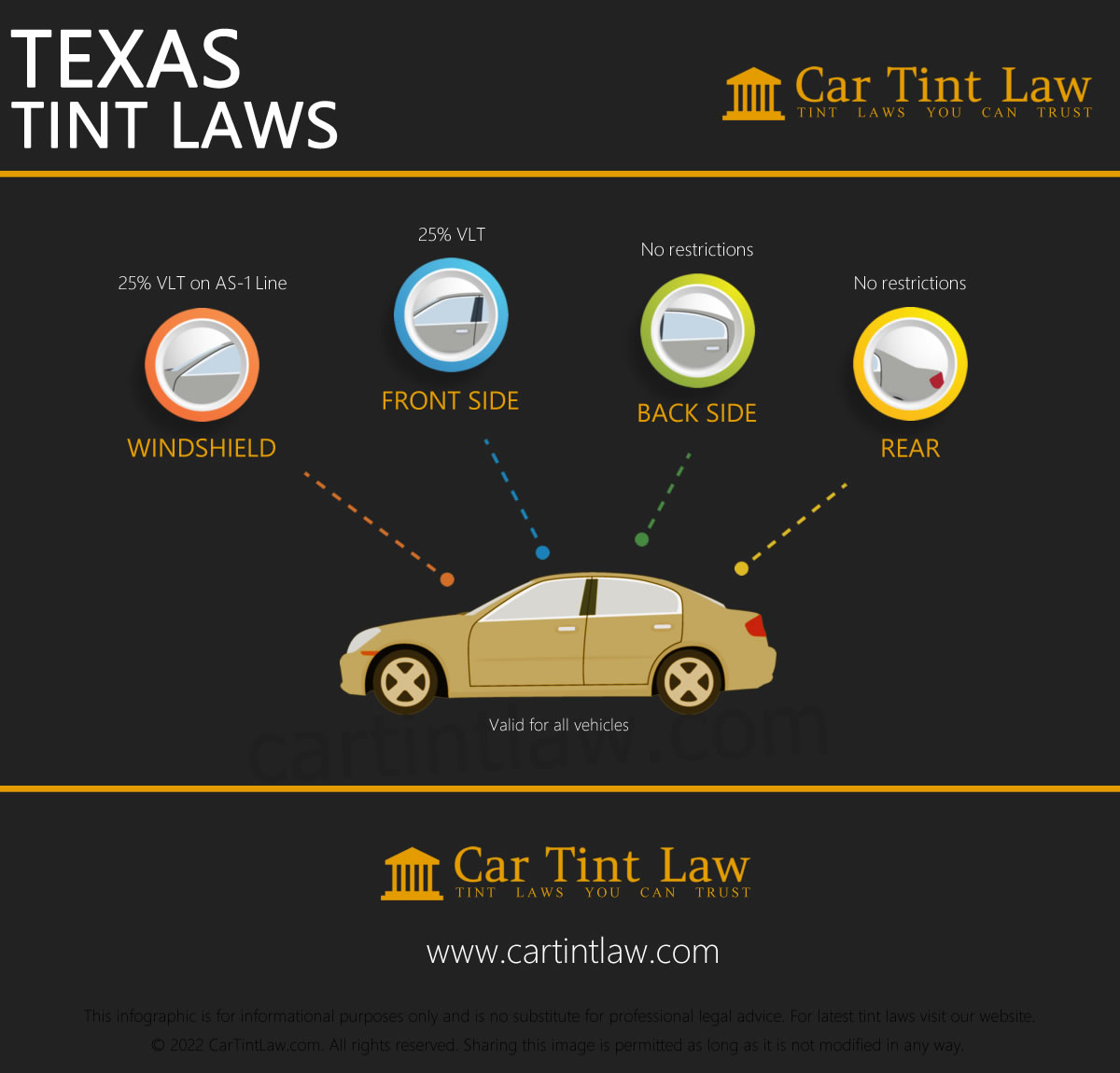
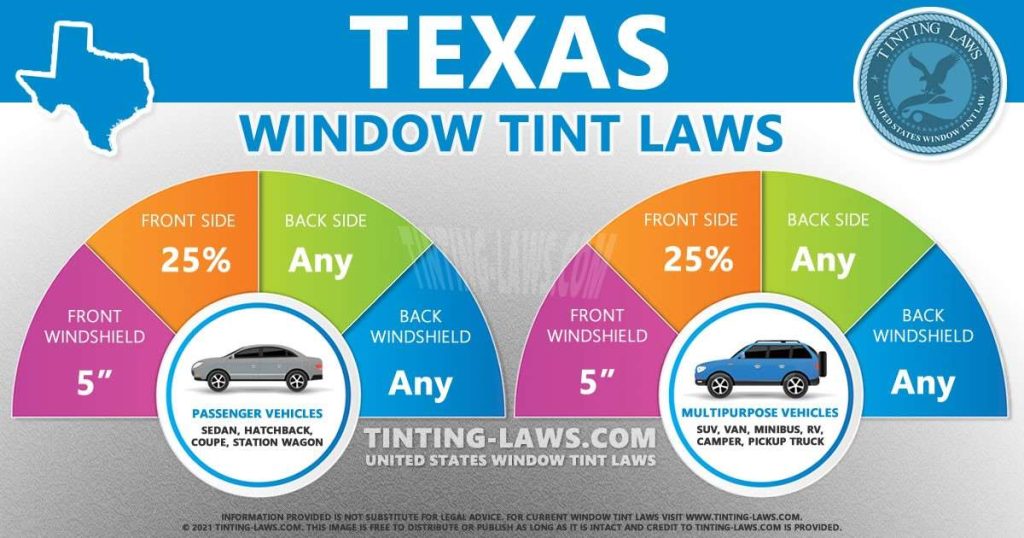
- Front Side Windows: These are the windows to the immediate left and right of the driver. Texas law requires that these windows allow more than 25% of visible light through. This means a tint film that results in a VLT of 25% or higher is permissible. A 5% tint on these windows is far below this threshold and is therefore illegal.
- Rear Side Windows: These are the windows behind the front side windows, typically for rear passengers. On vehicles like sedans, SUVs, and vans, there are generally no restrictions on how dark the tint can be for these windows. This means a 5% tint would be legal on the rear side windows.
- Rear Window: Similar to the rear side windows, there are generally no restrictions on the darkness of the tint for the rear window. However, if the rear window is tinted, the vehicle must have dual outside rearview mirrors.
- Windshield: Tint is generally prohibited on the windshield below the AS-1 line, which is typically about 5 inches from the top of the windshield. A non-reflective tint strip is usually allowed above this line. The front windshield must allow more than 25% of visible light through in the area below the AS-1 line if any tint is applied there, though most installations focus on a strip above this line for glare reduction.
- Reflectivity: Texas law also limits the reflectivity of window tint. The tint cannot be more than 25% reflective. Highly reflective tints can create glare for other drivers and are generally prohibited.
These regulations apply to all vehicles registered and operated within Texas, including rental cars. For a traveler, this means that even if your vehicle has legally compliant tint from your home state, it might not be compliant in Texas, especially if you’re driving from a state with more lenient laws. It’s always best to verify.
Tint and Travel: Enhancing Your Texas Road Trip Experience
Now that we’ve clarified the legal aspects, let’s explore how window tint, when applied legally, can significantly enhance your travel and lifestyle experiences across Texas. From scorching summer road trips to protecting the interior of your rental vehicle, strategic tinting is more than just an aesthetic choice.
Beating the Texas Heat: Comfort vs. Compliance
Texas is renowned for its intense heat and abundant sunshine, especially during the long summer months. Driving across the state, whether you’re heading to the historic Stockyards National Historic District in Fort Worth or exploring the beaches of Galveston, can quickly turn uncomfortable without adequate protection. Legally applied window tint (such as 25% VLT on front windows, and darker on rear windows) plays a crucial role in mitigating the effects of the sun.
Tint films are designed to block a significant portion of solar heat and harmful UV rays. This translates to a cooler vehicle interior, reducing the strain on your air conditioning system and making long drives considerably more pleasant. For families embarking on a road trip, a cooler cabin means happier passengers, especially children, reducing fatigue and irritability. Furthermore, UV protection helps prevent sunburn for occupants and safeguards the vehicle’s interior from fading and cracking, preserving its condition—a concern for both car owners and those renting vehicles. The balance here is key: achieving maximum comfort within the bounds of Texas law.
Rental Cars and Road Trips: What Tourists Need to Know
For the millions of tourists who flock to Texas annually, rental cars are a common mode of transportation to explore attractions like Big Bend National Park or the Space Center Houston. The question of tint often arises with rental vehicles. Major rental car companies typically ensure their fleet vehicles comply with state laws, meaning you’re unlikely to pick up a rental car in Texas with illegal 5% front window tint.
However, if you’re renting a vehicle in an adjacent state (like Louisiana or Oklahoma) and driving into Texas, it’s important to be aware of the differing laws. While rental companies strive for compliance, discrepancies can exist. For peace of mind, inquire about the window tint specifications if you have concerns, especially if you prioritize privacy or heat reduction. For luxury car rentals often chosen for upscale travel experiences to high-end resorts such as the Omni Barton Creek Resort & Spa in Austin, the tint will likely be factory-standard or legally applied, offering a blend of elegance and compliance.
Beyond the Law: Lifestyle, Privacy, and Vehicle Aesthetics
Window tint, especially for those who embrace a particular lifestyle or appreciate sophisticated vehicle aesthetics, extends beyond mere legal compliance. It touches upon aspects of privacy, luxury, and the overall travel experience.
The Intersection of Luxury Travel and Window Tint
Luxury travel is often characterized by meticulous attention to detail, comfort, and exclusivity. For individuals accustomed to a high standard, their choice of vehicle, whether owned or rented, is an extension of their lifestyle. In this context, window tint plays a significant role. A tasteful, legally compliant tint not only adds to the aesthetic appeal of a luxury sedan or SUV but also provides an added layer of privacy, which is particularly valued by high-profile travelers, business executives, or families seeking discretion during their visits to exclusive Texas destinations.
Imagine arriving at a five-star hotel like The Ritz-Carlton, Dallas or Hotel Emma in San Antonio in a vehicle with well-executed, dark (but legal) rear window tint. This conveys a sense of sophistication and ensures that personal items or business documents remain out of casual sight. It’s part of crafting an impeccable travel narrative, where every element, including the vehicle, contributes to an elevated experience.
Protecting Your Privacy and Valuables on the Go
Beyond the glare of the Texas sun, window tint offers a tangible benefit in protecting privacy and discouraging opportunistic theft. When parking your vehicle at a popular tourist attraction like the River Walk in San Antonio, a bustling downtown area, or even in a hotel parking garage, dark windows make it much harder for passersby to peer into your car. This visual barrier is a simple yet effective deterrent against break-ins, especially if you’re carrying luggage, electronics, or other valuables.
For travelers who prefer to keep their travel essentials secure in their vehicle when exploring a city on foot, legally dark rear window tint provides an invaluable sense of security. This is particularly relevant for those on extended trips, perhaps staying in an apartment or villa for a longer duration, where the vehicle might serve as temporary storage for various items. It’s a proactive measure that complements good travel habits, like never leaving valuables in plain sight, ensuring a more worry-free experience as you immerse yourself in local culture and activities.
Navigating the Lone Star State: Practical Tips for Tint Compliance
For travelers and residents alike, ensuring your vehicle’s window tint adheres to Texas law is a straightforward process when armed with the right information. Avoiding penalties and enjoying the benefits of tint boils down to awareness and making informed choices.
Finding Reputable Installers in Major Texas Cities
If you decide to have window tint installed or adjusted while in Texas, whether you’re a new resident or on a long-term stay, seeking out reputable, licensed installers is paramount. Professional tint shops in cities like Dallas, Houston, Austin, and San Antonio are well-versed in state laws and typically carry VLT meters to ensure compliance. They can guide you on the best tint options that meet legal requirements while maximizing heat rejection and UV protection.
Always ask for proof that the film they install is compliant with Texas law. Many high-quality tint films come with certifications or labels. A professional installer will also be able to explain the different types of tint available, such as ceramic or carbon films, which offer superior performance without being excessively dark. They can help you strike the perfect balance between comfort, aesthetics, and legality for your travel lifestyle.

Staying Informed: Resources for Travelers and Residents
The legal landscape surrounding window tint can occasionally change, or interpretations might vary slightly. For the most current and authoritative information, the Texas Department of Public Safety’s official website is the primary resource. Additionally, the Texas legislative codes regarding vehicle equipment can be accessed online.
For travelers, a quick search for “Texas window tint laws” before embarking on your journey can prevent unforeseen issues. If you’re planning a multi-state road trip across the United States, there are numerous online resources and apps that provide a state-by-state breakdown of tint laws, helping you prepare your vehicle for various regulations. Understanding these nuances is a hallmark of the well-prepared traveler, ensuring that your focus remains on enjoying the rich experiences Texas has to offer, from exploring local culture and cuisine to marveling at its historical landmarks and vibrant attractions.
In conclusion, while a 5% window tint is generally not legal for the front side windows of vehicles in Texas, understanding the specific regulations allows travelers and residents to make informed choices that balance comfort, privacy, and safety. By opting for legally compliant tinting, you can enhance your experience of the Lone Star State, whether you’re cruising through its scenic byways, enjoying a luxurious stay at a Texas resort, or simply navigating its bustling cities. Responsible travel is not just about respecting local customs and environments; it’s also about adhering to local laws, ensuring a smooth, enjoyable, and penalty-free adventure.
LifeOutOfTheBox is a participant in the Amazon Services LLC Associates Program, an affiliate advertising program designed to provide a means for sites to earn advertising fees by advertising and linking to Amazon.com. Amazon, the Amazon logo, AmazonSupply, and the AmazonSupply logo are trademarks of Amazon.com, Inc. or its affiliates. As an Amazon Associate we earn affiliate commissions from qualifying purchases.