
For many, the mere mention of California conjures images of endless sunshine, golden beaches, and a perpetual summer. While the Golden State certainly lives up to its reputation for fantastic weather year-round, the question “When does winter start in California?” reveals a fascinating diversity that often surprises first-time visitors and offers a wealth of unique experiences for seasoned travelers. Unlike states with sharply defined seasons, California’s winter is a nuanced affair, varying dramatically from snow-capped peaks to mild, sunny coasts and cool desert oases. Understanding this seasonal mosaic is key to planning the perfect winter getaway, whether you’re seeking a ski adventure, a tranquil beach retreat, or a vibrant urban escape.
At its core, winter in California officially begins with the winter solstice, typically around December 21st, and concludes with the vernal equinox in late March. However, this astronomical definition only scratches the surface of what “winter” truly feels like across the state’s vast and varied landscape. For travelers, the onset of winter often signifies a shift in activities, available destinations, and even accommodation types, from cozy mountain lodges to luxurious coastal resorts and vibrant city hotels.
Understanding California’s Diverse Winter Climates
California’s unique geography, stretching from the temperate Pacific coast to the towering Sierra Nevada mountains and vast desert plains, creates a tapestry of distinct microclimates. This means that “winter” can present entirely different realities within just a few hours’ drive.
Coastal California: Mild Winters and Crisp Air
Along the extensive coastline, from San Diego in the south to San Francisco in the north, winter is typically mild and characterized by cooler temperatures, increased rainfall, and often brilliant, clear days following a storm. The rainy season generally begins in earnest in November and extends through March, though rain is rarely continuous. Instead, visitors can expect periods of rain interspersed with beautiful, crisp, sunny weather, perfect for exploring without the summer crowds.
In cities like Los Angeles, winter days often hover in the 60s Fahrenheit (15-20°C), dropping into the 40s (5-10°C) at night. This makes it an ideal time for sightseeing, visiting iconic attractions like Disneyland or Universal Studios Hollywood, and enjoying outdoor activities like hiking in the Santa Monica Mountains or strolling along the Santa Monica Pier without the intense summer heat. Hotels along the coast, from boutique options in Laguna Beach to grand luxury suites in Santa Barbara, offer a refreshing escape during this period, often with lower rates than peak summer.
Mountain Regions: A True Winter Wonderland
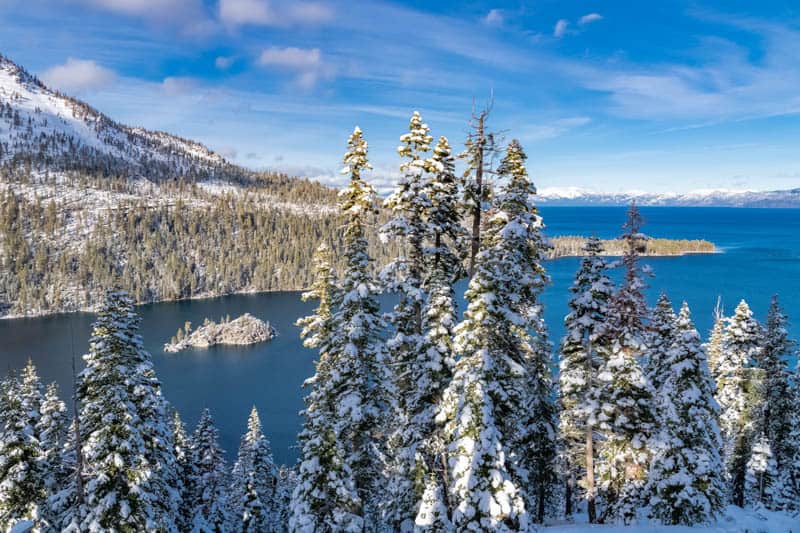
Venture inland and eastward to the Sierra Nevada, and California’s winter transforms into a classic snowy landscape, attracting winter sports enthusiasts from around the globe. This is where winter truly “starts” in late November or early December, with the first significant snowfall often arriving even earlier in higher elevations. Destinations like Lake Tahoe, Mammoth Lakes, and Yosemite National Park become postcard-perfect scenes of snow-covered pines, frozen lakes, and majestic peaks.
Ski resorts like Palisades Tahoe, Heavenly Mountain Resort, and Mammoth Mountain typically open their slopes by Thanksgiving, with the peak ski season extending from mid-December through March, and sometimes even into May or June depending on snowfall. These regions offer world-class skiing, snowboarding, snowshoeing, and ice skating. Accommodation options range from cozy cabins and vacation rentals to full-service resorts with spas and fine dining. Booking well in advance is crucial for holiday periods and popular weekends, as these areas become bustling hubs of winter activity.
Desert Oases: Cooler, Sunny Retreats
To the southeast, California’s vast deserts, including the Mojave and Colorado Deserts, offer an entirely different winter experience. While summer temperatures are notoriously scorching, winter brings wonderfully mild and sunny days, making it the prime season to visit places like Palm Springs, Death Valley National Park, and Joshua Tree National Park.
In Palm Springs and its surrounding communities like Palm Desert and Rancho Mirage, winter means daytime temperatures often in the 70s Fahrenheit (20-25°C), perfect for golf, tennis, hiking, and poolside relaxation. Evenings are cool, often dipping into the 40s (5-10°C), requiring a light jacket. This is the high season for desert tourism, with a vibrant social scene, numerous festivals, and packed luxury hotels and boutique hotels. For those seeking tranquility and incredible stargazing, Death Valley and Joshua Tree offer ideal conditions for exploring their unique landscapes without the oppressive heat of summer.
Central Valley: Fog and Chill
The expansive Central Valley, home to cities like Sacramento and Fresno, experiences a colder, foggier winter. While not a primary tourist destination for winter recreation, it’s an important agricultural heartland. Travelers passing through should be aware of “Tule fog,” a dense ground fog that can significantly reduce visibility and make driving challenging, especially from late November through February.
When Winter Really Starts for Travelers
While the calendar marks December 21st as the start of winter, the experiential “start” for travelers in California is much more fluid and depends entirely on their desired activities and destinations.
The “Feel” of Winter: November Onwards
For many, the first signs of winter arrive in November. This is when temperatures consistently drop statewide, the likelihood of significant rain increases along the coast, and the first snow often blankets the higher elevations of the Sierra Nevada. The days shorten noticeably, and there’s a distinct shift in atmosphere. Fall foliage transitions rapidly in many areas, paving the way for the crisp, clean air of winter. This is also when many ski resorts begin their pre-season operations, and desert communities start buzzing with returning snowbirds and holiday visitors.
Peak Winter Travel Season: December to February

The true peak of California’s winter travel season typically runs from mid-December through February. This period encompasses the holiday rush, with destinations like Lake Tahoe and Palm Springs seeing their highest demand for accommodations. Snow sports are in full swing, and the deserts are at their most comfortable. Along the coast, whale watching season begins, offering another incredible winter experience. Travelers seeking a blend of urban exploration and holiday cheer will find San Francisco and Los Angeles adorned with festive decorations and special events.
Planning Your California Winter Getaway
Successfully navigating California’s winter requires a bit of planning, especially when considering the state’s diverse climate zones and the type of trip you envision.
Coastal Escapes: Culture, Cuisine, and Pacific Views
For those preferring milder weather, winter along the California coast offers a more relaxed pace. Explore world-class museums in San Francisco, like the de Young Museum, or art galleries in Carmel-by-the-Sea. Indulge in culinary delights in Napa Valley or Sonoma County, where wine tasting tours take on a cozy charm against dormant vineyards. Accommodation ranges from historic inns and charming boutique hotels to sprawling oceanfront resorts. Take advantage of potentially lower rates outside of holiday weekends and enjoy popular attractions with fewer crowds.
Mountain Adventures: Skiing, Snowboarding, and Cozy Retreats
If a snowy adventure is what you seek, winter in California’s mountains is unparalleled. Beyond skiing and snowboarding, consider snowshoeing through silent forests in Sequoia National Park, or ice skating at outdoor rinks in Mammoth Lakes. For accommodations, plan to book your cabin, lodge, or resort well in advance, especially for popular weekends and school holidays. Many mountain towns offer a vibrant après-ski scene with restaurants, breweries, and spas perfect for unwinding after a day on the slopes.
Desert Retreats: Sunshine, Golf, and Stargazing
The deserts offer a serene and warm escape from colder climates. Palm Springs is a hub for mid-century modern architecture tours, golf championships, and rejuvenating spa treatments. Luxury villas and stylish hotels provide an ideal base for relaxation. Further afield, explore the otherworldly landscapes of Joshua Tree National Park or the dramatic vistas of Death Valley National Park, where hiking trails are easily accessible and night skies are among the clearest in the world.
Essential Tips for Winter Travel in California
To ensure a smooth and enjoyable winter trip to California, keep these practical tips in mind:
What to Pack: Layering is Key!
Due to the diverse climates, packing for California in winter requires versatility. Think layers:
- Coastal: A waterproof jacket, sweaters, jeans, and comfortable walking shoes are essential. Even on mild days, a jacket is needed for evenings.
- Mountains: Thermal base layers, waterproof ski/snowboard gear, warm hats, gloves, and waterproof boots are non-negotiable.
- Desert: Light sweaters or jackets for cool evenings, swimsuits for daytime pool use, comfortable walking shoes or hiking boots.
No matter where you go, bring sunglasses! Even in winter, California sun can be intense.
Road Conditions and Chain Requirements
If your winter itinerary includes mountain regions like the Sierra Nevada, always check road conditions before you depart. Chains may be required on tires, even for 4WD vehicles, depending on recent snowfall. California Department of Transportation (Caltrans) provides up-to-date road information, and it’s wise to carry chains and know how to install them, or rent a vehicle equipped with proper snow tires. Some mountain passes, especially smaller ones, may close temporarily after heavy snow.
Booking Accommodations in Advance
For popular destinations, especially ski resorts during peak season (mid-December to March) and desert resorts during the same period, booking accommodations far in advance is highly recommended. Hotels, resorts, and vacation rentals can fill up quickly and command higher prices. Consider booking off-peak weekdays or shoulder seasons (early December or late March) for better deals and fewer crowds.
Embracing Local Culture and Cuisine
California’s winter is also a fantastic time to delve into its rich local culture and culinary scene. Many towns host festive events, holiday markets, and seasonal food festivals. Cozy up in a cafe in San Francisco, enjoy a hearty meal in a mountain lodge, or explore the vibrant farm-to-table restaurants that thrive even in winter, showcasing seasonal produce. The cooler weather is perfect for exploring indoor attractions like museums, art galleries, and historic missions.

Conclusion
So, when does winter start in California? It’s not a simple answer tied to a single date, but rather a dynamic experience shaped by geography and personal preference. From the mild, rainy charm of the coast starting in November, to the exhilarating snowscapes of the Sierra Nevada by early December, and the comfortably cool days of the desert through January and February, California offers a winter for every type of traveler. By understanding these diverse climates and planning accordingly, you can unlock a season of unique adventures, vibrant cultural experiences, and unparalleled natural beauty, all under the often surprisingly sunny skies of the Golden State. Whether you’re chasing powder, basking by a pool, or exploring world-class cities, California’s winter promises an unforgettable journey.
LifeOutOfTheBox is a participant in the Amazon Services LLC Associates Program, an affiliate advertising program designed to provide a means for sites to earn advertising fees by advertising and linking to Amazon.com. Amazon, the Amazon logo, AmazonSupply, and the AmazonSupply logo are trademarks of Amazon.com, Inc. or its affiliates. As an Amazon Associate we earn affiliate commissions from qualifying purchases.