
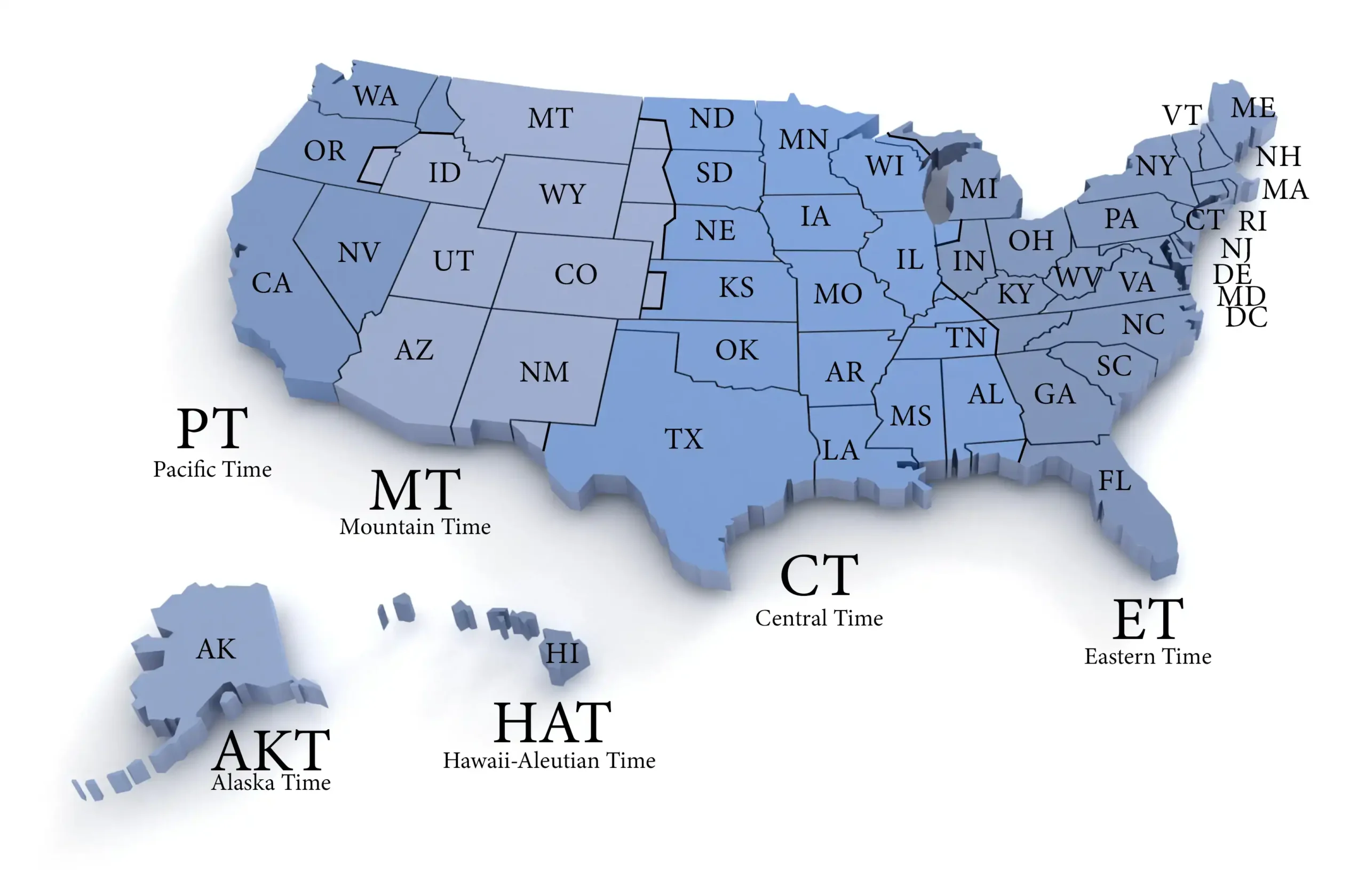
For many navigating the vast geographical expanse of the United States, the question of time zones can often lead to confusion, especially when considering a state as monumental as Texas. Often mistakenly grouped with Eastern Time (ET) due to its southern location or even a completely erroneous assumption of Pacific Time (PT), the reality of Texas’s time zones is a fascinating aspect of its diverse geography and impacts everything from travel planning to daily lifestyle. To definitively answer the question: no, Texas is primarily neither ET nor PT. Instead, the Lone Star State predominantly observes Central Time (CT), with a significant, albeit smaller, western portion operating on Mountain Time (MT).
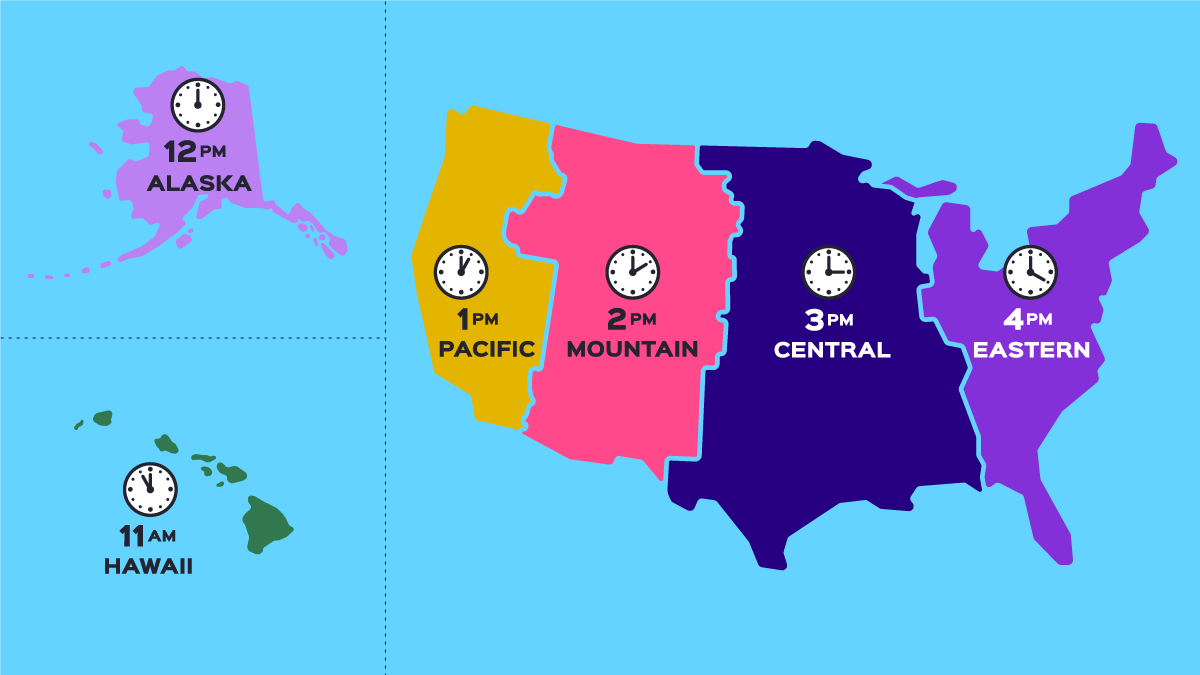
Understanding this geographical nuance is crucial for anyone planning a visit, considering a move, or simply curious about the practicalities of life in such a sprawling state. From coordinating business calls to ensuring timely arrivals for attractions, the time zone difference within Texas itself, let alone with other parts of the country, is a key piece of information for seamless travel and living experiences. This article delves into the specifics of Texas’s time zones, explores their implications for travelers and residents, and offers practical advice for navigating the temporal landscape of this unique destination.
Understanding Texas’s Time Zones: A Geographical Overview
The immense size of Texas is arguably its most defining physical characteristic, and it’s this vastness that necessitates the division into two time zones. Covering an area of over 268,000 square miles, Texas stretches from the shores of the Gulf of Mexico in the east to the arid landscapes bordering New Mexico and Mexico in the west. This east-to-west spread dictates the need for differing solar times to be recognized as local standard time.
The Reign of Central Time (CT)
The overwhelming majority of Texas operates on Central Time. This includes all of its major metropolitan areas and popular tourist destinations. Cities like Houston, Dallas, Austin, San Antonio, Fort Worth, and Corpus Christi all fall firmly within the CT zone. This also encompasses the picturesque Texas Hill Country, the vibrant Texas Panhandle with cities like Amarillo and Lubbock, and the coastal regions. When most people think of Texas, they are implicitly thinking of Central Time.
Central Time is six hours behind Coordinated Universal Time (UTC-6) during standard time and five hours behind (UTC-5) during Daylight Saving Time (DST). Texas observes Daylight Saving Time, meaning clocks spring forward by one hour in early March and fall back in early November, aligning with the practice across much of the United States. This seasonal adjustment means that visitors and residents must be mindful of the changes twice a year, as it impacts schedules and daylight hours.
The Western Edge: Mountain Time (MT)
While Central Time dominates, a distinct portion of West Texas operates on Mountain Time. Specifically, the city of El Paso and the two counties immediately to its east, Hudspeth County and Culberson County, observe MT. This means that if you are driving from Dallas to El Paso, you will experience a one-hour time change, setting your clock back as you head westward.
Mountain Time is seven hours behind Coordinated Universal Time (UTC-7) during standard time and six hours behind (UTC-6) during Daylight Saving Time. This alignment with Mountain Time is geographically logical, as El Paso is closer to other Mountain Time cities like Albuquerque and Denver than it is to the eastern metropolises of Texas. This region is characterized by its dramatic desert landscapes, including attractions like Big Bend National Park (which bafflingly, despite its far-western location and proximity to MT, observes CT) and Guadalupe Mountains National Park. The time zone distinction is a practical measure to ensure that daylight hours align more naturally with business and social activities in this arid, westernmost part of the state.
Travel Implications: Navigating Time Across the Lone Star State
For visitors planning a trip to Texas, understanding the time zones is more than just a trivial fact; it’s a critical component of successful itinerary planning, especially given the state’s significant travel distances. Whether flying across the country or embarking on a cross-state road trip, time zones play a direct role in travel logistics, attraction accessibility, and overall experience.
Planning Flights and Road Trips
When booking flights into or out of Texas, the time zone of your destination airport is paramount. Major hubs like Dallas/Fort Worth International Airport (DFW) and George Bush Intercontinental Airport (IAH) in Houston operate on Central Time. If you’re flying from the East Coast (ET), you’ll gain one hour upon arrival, and if from the West Coast (PT), you’ll lose two hours. This time difference can affect immediate plans upon landing, such as connecting flights, hotel check-in times, or scheduled meetings.
More uniquely, intra-state travel within Texas can also involve a time zone change. A road trip from Houston to El Paso, for instance, is a journey of over 700 miles that will take you across the invisible CT/MT line. While the actual time change might seem small (just one hour), forgetting to adjust your watch or phone can lead to missed appointments, late check-ins, or confusion over event start times. Imagine arriving in El Paso an hour “late” for a pre-booked Mountain Time dinner reservation because your mind is still operating on Central Time. Modern smartphones typically adjust automatically, but it’s always wise to confirm.
Attractions, Guides, and Opening Hours
The opening and closing times of tourist attractions, museums, and natural landmarks are always advertised in local time. This means a visit to The Alamo in San Antonio or Space Center Houston will adhere to Central Time hours. However, if your itinerary includes exploring the vast and remote Chihuahuan Desert landscapes around El Paso, you’ll be dealing with Mountain Time.
Even within the Mountain Time region, there can be subtle complexities. For instance, Big Bend National Park, despite its far western location, uniquely observes Central Time. This can be a point of confusion for visitors driving from El Paso into the park or surrounding areas. Always check specific park or attraction websites for their operating hours, and if in doubt, ask local guides or park rangers. These details are crucial for planning your day’s activities, especially when dealing with attractions that have strict entry times or limited operating hours.
Accommodation Booking and Reviews
When booking hotels, resorts, apartments, or villas in Texas, the time zone factor comes into play, particularly with check-in and check-out times. Most online booking platforms will display times based on your current local time or the property’s local time, but it’s essential to confirm. A late check-in fee or a missed early check-out can easily occur if you miscalculate the local time. For long-term stays or comparing accommodations in different parts of the state, be especially diligent. For example, a traveler moving from a Dallas hotel to one in El Paso needs to account for the one-hour shift in their travel plans and arrival estimates. Reviews mentioning “early check-out” or “late check-in” might be influenced by a traveler’s time zone perception, so understanding the local time is key to interpreting feedback accurately.
Lifestyle and Business: How Time Zones Shape Daily Life in Texas
Beyond travel, the time zones in Texas have a tangible impact on the daily lives of its residents and the conduct of business across the state and beyond. From family communications to statewide events, the temporal divisions play a quiet yet significant role.
Daily Routines and Communications
For families spread across the state, or for individuals with business contacts in different time zones, managing schedules requires awareness. A family video call between relatives in Houston (CT) and El Paso (MT) needs to account for the one-hour difference. What’s 7 PM in Houston is 6 PM in El Paso, potentially affecting bedtime routines or evening plans. Similarly, connecting with colleagues on the East Coast (ET) means a two-hour difference, and with the West Coast (PT), a two- or three-hour difference, making early morning or late afternoon calls a common necessity.
The concept of a statewide event, such as a televised high school football game or a concert, requires organizers to specify the time zone. While most such events will use Central Time for convenience, those in the MT zone must adjust their viewing or attendance schedules accordingly. This is a subtle but constant reminder of the state’s internal temporal division.
Business Operations and Connectivity
For businesses operating across Texas, particularly those with offices or clients in both Central Time and Mountain Time regions, scheduling meetings, deliveries, and communication requires careful consideration. A company based in Dallas with a branch in El Paso must ensure internal clocks and communication protocols account for the hourly shift. Software and IT systems must be correctly configured to avoid discrepancies in timestamps for logs, transactions, and data entry.
Furthermore, Texas’s position bridging multiple time zones makes it a strategic location for various industries. Logistics and transportation companies, for example, must precisely coordinate schedules for goods traveling across time zones. For the state’s vibrant tourism sector, this means ensuring that booking systems, tour guides, and attraction staff are all well-versed in handling time zone differences, especially for visitors traveling significant distances. The seamless integration of time zone awareness into business practices contributes to the overall efficiency and reliability of operations within the state.
Planning Your Texas Adventure: Time Zone Tips for Visitors
Embarking on a Texas adventure is an exciting prospect, offering everything from bustling city life along the River Walk in San Antonio to serene hikes in the Davis Mountains. To ensure your journey is smooth and free of temporal mishaps, here are some essential tips:
Always Confirm Local Time
Before finalizing any plans, particularly those involving travel between different parts of Texas or bordering states, always confirm the local time. This is especially true for flights, train schedules, hotel check-ins, tour departures, and appointments. Don’t assume. A quick search for “current time in El Paso” or “current time in Dallas” can save you significant hassle. Websites for hotels, attractions, and airlines typically display times in the local zone, but an extra check provides peace of mind.
Utilize Automatic Time Settings on Devices
Most modern smartphones, smartwatches, and laptops are equipped with automatic time zone detection. Ensure this feature is enabled on your devices. As you cross the CT/MT boundary, your device should automatically adjust, providing you with the correct local time. However, be aware that in very remote areas, particularly in West Texas where cell service might be spotty, your device may take some time to update, or might stick to the last known time zone until it re-establishes a strong signal. A quick manual check or asking a local is always a good backup.
Factor in Time Changes for Critical Appointments
If your trip includes critical appointments, such as business meetings, medical consultations, or tight flight connections, build in extra buffer time. Even a one-hour difference can throw off a carefully planned schedule. For example, if you have a morning meeting in El Paso after driving from a Central Time zone city, ensure you arrive the day before or plan for an earlier departure to accommodate the time shift and travel fatigue.
Be Aware of Daylight Saving Time
Remember that Texas observes Daylight Saving Time. If you are traveling during the spring or fall when the clocks change, be extra vigilant. Websites and booking confirmations will usually account for this, but if you’re dealing with older printed materials or manually setting clocks, this annual ritual can catch you off guard. The change impacts both Central Time and Mountain Time zones in Texas simultaneously.

Embrace the Experience
Ultimately, navigating Texas’s time zones is part of the unique experience of exploring such a vast and diverse state. It’s a testament to its geographical scale and the rich tapestry of landscapes and cultures it encompasses. From the bustling Central Time rhythms of Houston and Dallas to the rugged, Mountain Time wilderness of the far West Texas desert, each time zone offers a slightly different pace and feel. By being prepared and informed, you can ensure your Texas journey is not only memorable but also perfectly punctual.
In conclusion, to answer the initial query, Texas is neither ET nor PT. It proudly spans Central Time and a sliver of Mountain Time, a feature that underscores its impressive scale and regional diversity. Awareness of these time zones is a small but significant detail that can enhance any visit or residency, ensuring that every moment spent in the Lone Star State is timed just right.
LifeOutOfTheBox is a participant in the Amazon Services LLC Associates Program, an affiliate advertising program designed to provide a means for sites to earn advertising fees by advertising and linking to Amazon.com. Amazon, the Amazon logo, AmazonSupply, and the AmazonSupply logo are trademarks of Amazon.com, Inc. or its affiliates. As an Amazon Associate we earn affiliate commissions from qualifying purchases.