
Planning a trip to the Lone Star State conjures images of vibrant cities, sprawling ranches, delicious barbecue, and unforgettable cultural experiences. From the historic charm of San Antonio to the bustling metropolis of Houston, and the live music capital of Austin, Texas offers a diverse tapestry of destinations for every kind of traveler. However, amidst the excitement of planning your itinerary and booking your accommodations, a practical question often arises: “Is there sales tax in Texas?” The short answer is a resounding yes.
Understanding the nuances of sales tax in Texas is crucial for effective budgeting, whether you’re embarking on a luxurious shopping spree, enjoying the local culinary scene, or simply purchasing souvenirs to remember your adventure. For those considering a long-term stay or even a relocation, these financial details become even more significant, impacting everything from daily groceries to larger purchases like furniture or vehicles. This comprehensive guide will delve into the specifics of sales tax in Texas, providing clarity on what to expect, how it impacts your travel and lifestyle choices, and offering tips for smart financial planning. By the end, you’ll be well-equipped to navigate the economic landscape of Texas with confidence, ensuring your focus remains on creating cherished memories.
Navigating Sales Tax in the Lone Star State
The sales tax system in Texas is straightforward yet can vary depending on your specific location within the state. It’s a consumption tax, meaning it’s applied to the sale of most goods and certain services. Understanding the basic structure is your first step towards becoming a savvy spender in Texas.
The Core Texas Sales Tax Rate
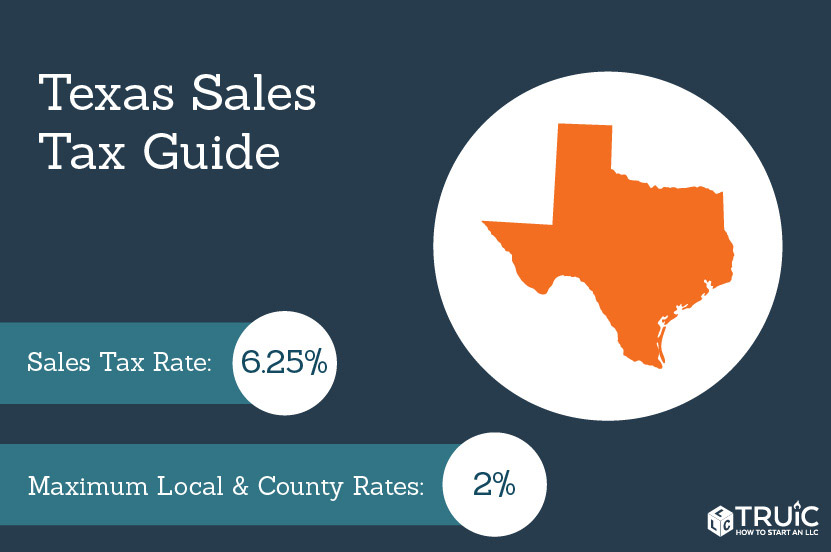
At the heart of the Texas sales tax system is the statewide rate. The State of Texas imposes a general sales and use tax of 6.25%. This rate is consistent across all transactions that fall under the state’s taxable categories. Whether you’re in a sprawling Dallas department store, a charming Fredericksburg boutique, or a South Padre Island beach shop, this base rate is always a factor.
This 6.25% state sales tax is a significant contributor to the state’s revenue, funding essential public services and infrastructure. For travelers, it means that an item priced at $100 will cost you $106.25 before any local taxes are added. Keeping this base percentage in mind when browsing shops or calculating meal costs will help you manage your immediate budget expectations. It’s a crucial piece of information for anyone planning to indulge in shopping as part of their Texas experience, from souvenir hunting to high-end fashion purchases.
Beyond the State: Local Sales Taxes and Their Impact
While the 6.25% state sales tax is a constant, it’s important to remember that it’s not the final figure you’ll see on your receipt. Local taxing jurisdictions – including cities, counties, and special purpose districts – have the authority to impose their own additional sales taxes. This is where the sales tax rate can vary significantly from one locale to another, creating a patchwork of rates across the state.
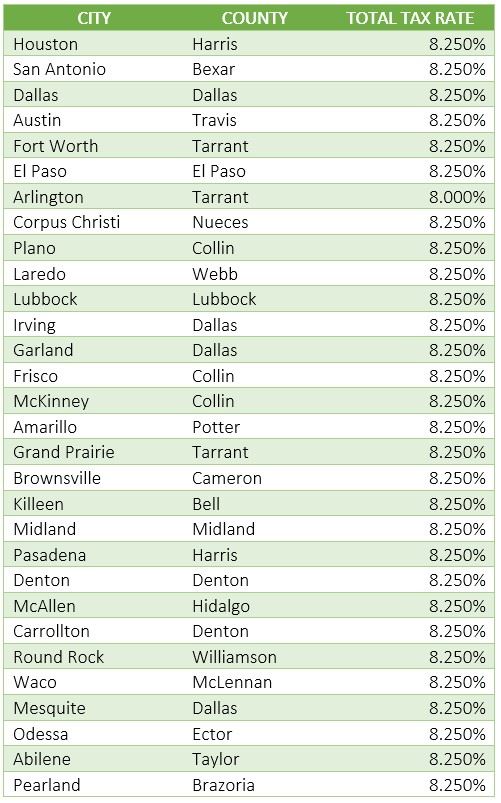
Local sales tax rates can add up to 2% on top of the state’s 6.25%. This means that in many parts of Texas, the combined sales tax rate can be as high as 8.25%. For example, major metropolitan areas like Houston, Dallas, Austin, and San Antonio typically have the maximum combined rate due to their city and sometimes special district taxes. In these bustling tourism hubs, an item priced at $100 could ultimately cost you $108.25.
Consider the impact on your travel budget. If you plan to spend a significant portion of your trip enjoying retail therapy at the Houston Galleria or NorthPark Center in Dallas, that additional 2% can quickly add up. Similarly, dining at a renowned Tex-Mex restaurant in Austin or enjoying a Texas BBQ feast in Lockhart will also reflect these combined rates. It’s always a good idea to factor in the highest potential sales tax rate (8.25%) when estimating costs for purchases during your Texas adventure to avoid any surprises.
What Travelers Need to Know: Taxable Goods and Services
For travelers, understanding not just how much sales tax you’ll pay, but what items and services are subject to it, is paramount. This knowledge allows you to make informed decisions about your purchases and better anticipate your overall expenses during your stay in Texas.
Shopping and Souvenirs: What You’ll Pay For
Almost all tangible personal property sold in Texas is subject to sales tax. This means that if you’re buying something you can touch and take with you, it’s very likely taxable.
- Clothing and Accessories: From cowboy boots in Fort Worth to designer apparel in Uptown Dallas, all articles of clothing and accessories are subject to sales tax. There are generally no exemptions for clothing based on price or type, unlike in some other states.
- Souvenirs and Gifts: Any memento you pick up, be it a Texas-themed magnet, a piece of local art, or a gift for friends back home, will have sales tax applied. This includes items from gift shops at attractions like Space Center Houston or the Alamo in San Antonio.
- Electronics and Appliances: Should you decide to purchase a new gadget or an energy-efficient appliance during your visit, these items will also be taxed. This is particularly relevant during the designated Texas Sales Tax Holiday for certain items, which we’ll discuss later.
- Luxury Goods: High-end watches, jewelry, fine art, and other luxury items purchased at exclusive boutiques will also incur the full sales tax rate.
Being mindful of this broad application will help you accurately estimate the final cost of your desired items, ensuring your shopping experiences in Texas are pleasurable and budget-friendly.
Dining Out: Food, Glorious Food, and Its Tax Implications
Texas is a paradise for foodies, offering everything from authentic Mexican cuisine and juicy steakhouses to gourmet dining and casual food trucks. The sales tax rules for food, however, can vary depending on where and how you purchase it.
- Restaurant Meals and Prepared Foods: Any food or beverages prepared and served by a restaurant, cafe, bar, or similar establishment are fully taxable. This includes dine-in meals, takeout orders, delivery services, and even grab-and-go prepared items from grocery stores that are ready for immediate consumption (like hot deli items or pre-made sandwiches). So, whether you’re savoring brisket at Franklin Barbecue in Austin or enjoying seafood on the Galveston Strand, expect to pay sales tax on your bill. Alcoholic beverages served in these establishments are also subject to sales tax.
- Groceries (Food for Home Consumption): This is where a significant exemption comes into play. Most staple food items purchased at grocery stores or supermarkets for consumption at home are exempt from sales tax. This includes fruits, vegetables, meat, dairy products, bread, canned goods, and most packaged foods. This exemption is particularly beneficial for travelers staying in accommodations with kitchenettes, such as apartments or villas, who plan to cook some of their meals. However, non-food items sold in grocery stores, such as cleaning supplies, paper products, and pet food, are still taxable.
Understanding this distinction can significantly impact your food budget, especially for longer stays where grocery shopping becomes a regular occurrence.
Accommodation and Travel: Lodging, Rentals, and Entertainment
Beyond general purchases and dining, sales tax also applies to various aspects of your travel and accommodation experience in Texas.
- Hotel Occupancy Tax (HOT): This is a critical distinction. While often mistaken for sales tax, the Hotel Occupancy Tax (HOT) is a separate levy specifically on lodging. The state of Texas imposes a 6% HOT on hotel rooms, motels, bed and breakfasts, and other forms of short-term accommodation. Additionally, cities and counties can impose their own local HOT, which can range significantly. For example, in many major cities, the combined HOT can be upwards of 15% to 17%. So, if you’re booking a stay at a luxurious resort on Lake Travis or a charming boutique hotel in Houston’s Museum District, expect a substantial tax added to your nightly rate. This tax typically funds local tourism initiatives, convention centers, and cultural arts.
- Car Rentals: If you’re planning to rent a car to explore the vast landscapes of Texas, be aware that the rental fee will be subject to sales tax, in addition to any other fees or surcharges (like airport concession fees).
- Entertainment and Admissions: Tickets to many attractions and entertainment venues are also taxable. This includes admission to theme parks like Six Flags Over Texas in Arlington, museums, concerts, sporting events, and movie theaters. However, certain non-profit organizations or specific educational events might have exemptions, so it’s always good to check.
- Other Taxable Services: While most services are exempt from sales tax in Texas, some specific services related to tangible personal property are taxable. These can include repair, remodeling, or restoration of tangible goods. For typical travelers, this is less common but good to keep in mind for unique purchases or situations.
Understanding these specific applications of tax will allow you to build a more accurate and comprehensive travel budget, ensuring that your focus remains on enjoying your Texas adventure without any unexpected financial surprises.
Smart Budgeting and Saving Tips for Your Texas Trip
Traveling to Texas is an investment in incredible memories and experiences. To ensure your trip remains enjoyable and within your financial comfort zone, smart budgeting for sales tax is key. Here are some strategies to help you plan effectively and potentially save a little extra cash.
Planning for Sales Tax in Your Travel Budget
The most straightforward approach to managing sales tax is to proactively factor it into your budget.
- Estimate with the Maximum Rate: When estimating the cost of purchases, always use the highest possible combined sales tax rate, which is 8.25% for general merchandise and services in most major Texas cities. For lodging, remember the additional Hotel Occupancy Tax can push the total tax on your room well over 15%. Overestimating slightly is better than underestimating, helping you avoid budget shortfalls. For example, if you allocate $500 for shopping, expect to spend closer to $540 after tax.
- Allocate Specific Categories: Break down your budget into categories like accommodation, dining, attractions, and shopping. Then, apply the relevant tax rates to each category. This granular approach provides a clearer picture of your actual spending power.
- Utilize Budgeting Apps: Many travel budgeting apps allow you to input tax rates, helping you automatically calculate the final cost of items as you plan your expenses. This can be a game-changer for staying on track.
- Research Local Rates: If you’re traveling to smaller towns or specific regions, a quick online search for “sales tax rate in [city name], Texas” can give you a more precise figure, though 8.25% is a safe upper bound for most areas.
By taking these proactive steps, you can set realistic expectations for your spending, preventing any unpleasant surprises when you receive your bill.
Maximizing Your Spending: Exemptions and Smart Choices
While sales tax is a reality, there are ways to maximize your purchasing power by understanding exemptions and making strategic choices.
- Leverage Grocery Exemptions: As mentioned, most unprepared food for home consumption is exempt from sales tax. If you’re staying in an accommodation with kitchen facilities – be it an Airbnb, a suite in a hotel, or a vacation rental – consider purchasing groceries and preparing some of your meals. This can lead to substantial savings compared to dining out for every meal, especially for families or those on a budget travel plan.
- Shop During Sales Tax Holidays: Texas offers annual sales tax holidays, primarily for back-to-school supplies, clothing, and footwear, usually in August before the new school year. There’s also sometimes an energy-efficient appliance and water-efficient product sales tax holiday. While these are primarily aimed at residents, travelers can certainly take advantage. If your trip coincides with one of these periods and you need to purchase eligible items, it’s an excellent opportunity for savings. Keep an eye on the Texas Comptroller’s website for exact dates and eligible items.
- Duty-Free Shopping (for International Travelers): For eligible international visitors leaving the U.S. within a specific timeframe, Texas offers a “tax-free shopping” program. This allows you to claim a refund of the Texas sales tax paid on eligible purchases. There are specific requirements, including minimum purchase amounts, participating retailers, and presenting your passport, visa, and flight information. Designated refund centers, often found in major airports like Dallas/Fort Worth International or George Bush Intercontinental in Houston, facilitate these refunds. This can lead to significant savings for international guests indulging in luxury shopping.
- Consider Long-Term Stays for Accommodation Tax Relief: While not strictly a sales tax exemption, if you’re planning a long-term stay (typically 30 consecutive days or more) in a hotel or resort, you might be exempt from the Hotel Occupancy Tax. This can result in substantial savings for extended visits, making Texas a more attractive option for digital nomads or those seeking a temporary change of scenery. Always confirm the specific rules with your accommodation provider beforehand.
By combining careful planning with an awareness of these exemptions and opportunities, you can enjoy all that Texas has to offer without unnecessary financial strain, making your lifestyle choices in the Lone Star State both enriching and economical.
The Broader Picture: Why Sales Tax Matters in Texas
Beyond simply affecting your travel budget, sales tax plays a vital role in the economic fabric of Texas. Understanding its purpose can provide a deeper appreciation for the services and infrastructure that enhance your visitor experience and contribute to the state’s unique lifestyle.
Funding the Lone Star State’s Infrastructure and Services
The revenue generated from sales tax, both at the state and local levels, is critical for funding a wide array of public services and infrastructure projects across Texas. This impacts both residents and the millions of tourists who visit each year.
- Roads and Transportation: A significant portion of sales tax revenue is allocated to maintaining and improving Texas’ extensive network of roads, highways, and public transportation systems. For travelers, this means smoother journeys between cities, better access to landmarks and attractions, and a more efficient overall travel experience, whether you’re driving through Big Bend National Park or navigating the bustling streets of Dallas.
- Education: Sales tax contributes substantially to the funding of public schools and universities throughout the state. This investment in education indirectly benefits the tourism industry by fostering a skilled workforce, supporting local economies, and maintaining the cultural vibrancy that draws visitors.
- Public Safety: Funds are also directed towards law enforcement, fire departments, and emergency medical services, ensuring the safety and well-being of everyone in the state, including visitors. A secure environment is fundamental to a positive travel experience.
- Local Services and Community Development: At the local level, city and county sales taxes fund parks, libraries, community centers, and other local amenities. These resources contribute to the quality of life for residents and often enhance the local appeal for tourists, from meticulously maintained city parks in Houston to cultural programs in San Antonio.
- Tourism and Cultural Initiatives: The Hotel Occupancy Tax, in particular, is often earmarked specifically for promoting tourism and supporting local arts and cultural programs. This means the taxes you pay on your hotel stay directly contribute to events, marketing, and the preservation of landmarks that make Texas such an attractive destination.
In essence, the sales tax you pay in Texas is not merely an added cost but a contribution to the very infrastructure and services that underpin your enjoyable travels and enhance the vibrant lifestyle of the Lone Star State. Understanding this broader impact can transform the perception of this necessary levy from a minor inconvenience into a shared investment in the beauty and functionality of one of America’s most dynamic states.
In conclusion, yes, there is sales tax in Texas, and it’s an important consideration for anyone planning to visit, live, or conduct business in the state. By familiarizing yourself with the state and local rates, understanding what goods and services are taxable, and employing smart budgeting strategies, you can confidently navigate the financial aspects of your Texas adventure. This knowledge empowers you to fully immerse yourself in the rich experiences, diverse landscapes, and unique lifestyle that the Lone Star State has to offer, without any unwelcome financial surprises. Happy travels, and enjoy all that Texas has in store for you!
LifeOutOfTheBox is a participant in the Amazon Services LLC Associates Program, an affiliate advertising program designed to provide a means for sites to earn advertising fees by advertising and linking to Amazon.com. Amazon, the Amazon logo, AmazonSupply, and the AmazonSupply logo are trademarks of Amazon.com, Inc. or its affiliates. As an Amazon Associate we earn affiliate commissions from qualifying purchases.