
The question “What growing zone is Kansas City?” might initially seem straightforward, perhaps even a niche inquiry for avid gardeners. However, understanding the growing zone of a city like Kansas City unlocks a deeper appreciation for its environment, impacting everything from the vibrant flowers adorning its parks to the culinary delights gracing its tables, and even influencing the types of accommodations best suited for experiencing its unique climate. This concept, rooted in agricultural and horticultural science, provides a crucial lens through which to view the city’s lifestyle, its travel opportunities, and its very essence as a destination.
For those planning a visit, considering a long-term stay, or simply curious about the natural rhythm of this Midwestern hub, knowing Kansas City’s growing zone is more than just a botanical fact. It’s a gateway to understanding the seasonal beauty, the agricultural bounty, and the overall character of this dynamic region.
Decoding Growing Zones: A Foundation for Understanding Kansas City
Before we delve specifically into Kansas City, it’s essential to grasp the concept of growing zones. These zones, most commonly recognized by the United States Department of Agriculture (USDA), are geographic areas that have similar average minimum winter temperatures. The USDA Plant Hardiness Zone Map is a vital tool for gardeners and landscapers, helping them determine which perennial plants are most likely to survive the winter in a particular location.
The map divides the country into 13 zones, each representing a 10°F difference in average annual minimum winter temperature. Zone 1 has the coldest winters, while Zone 13 has the warmest. For example, Zone 4 might experience average minimum winter temperatures between -30°F and -20°F, while Zone 7 might see temperatures between 0°F and 10°F.
This seemingly simple temperature metric has profound implications. It dictates which trees will thrive, which shrubs will bloom, and what kinds of vegetables can be successfully cultivated. Beyond the garden, these zones indirectly influence the types of outdoor activities that are popular in different seasons, the availability of local produce in farmers’ markets, and even the aesthetic of the urban landscape, from the lush greenery of summer to the stark beauty of winter.
Kansas City’s Place on the USDA Hardiness Map
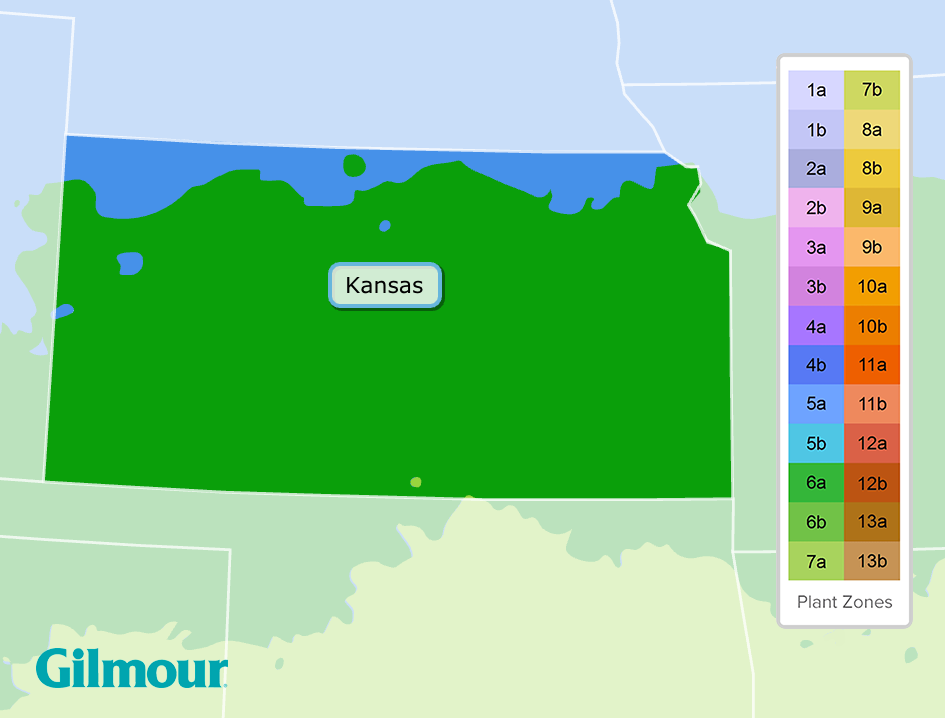
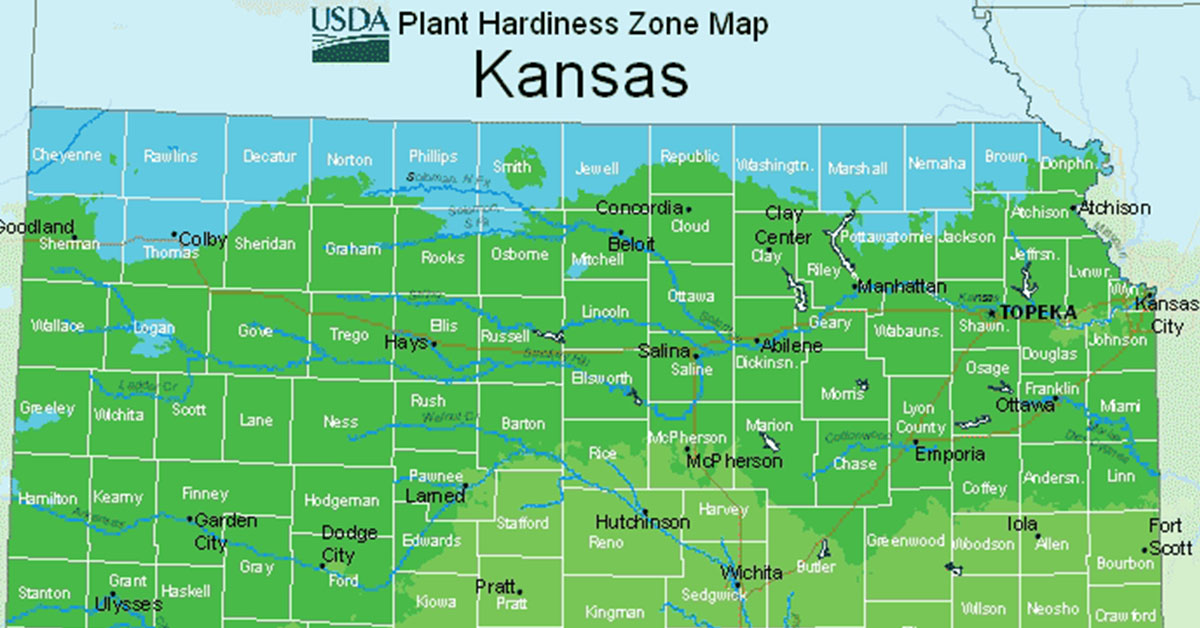
Kansas City, a sprawling metropolis straddling the border of Missouri and Kansas, falls predominantly within a specific range of USDA growing zones. While there can be microclimates within any city due to urban heat islands, elevation, and proximity to water, the general consensus places Kansas City within Zones 6a and 6b.
- Zone 6a: This zone experiences average annual minimum winter temperatures ranging from -10°F to -5°F.
- Zone 6b: This zone has slightly milder winters, with average annual minimum temperatures between -5°F and 0°F.
The subtle difference between 6a and 6b might not seem significant to the casual observer, but for a gardener, it can mean the difference between a plant that just scrapes through the winter and one that flourishes. This specific zone designation is a key piece of information for anyone interested in cultivating their own green space within the city, whether it’s a sprawling backyard in a suburban neighborhood or a few potted herbs on a balcony downtown.
This climate dictates the types of plants that are reliably hardy, influencing everything from the selection of trees lining Country Club Plaza’s picturesque streets to the flowering bushes that grace the entrance of historic buildings. It means that while Kansas City experiences distinct seasons, including a noticeable chill in the winter, it’s generally mild enough to support a wide variety of plant life that can survive and thrive.
This understanding of Kansas City’s growing zone is foundational for appreciating the city’s natural beauty and agricultural heritage. It allows us to understand why certain flowers bloom when they do, why the trees might offer vibrant fall foliage, and why the region is known for specific crops.
Implications for Tourism, Lifestyle, and Accommodation in Kansas City
The growing zone of Kansas City has a ripple effect that extends far beyond the garden, significantly influencing tourism, lifestyle, and the types of accommodation that best suit visitors.
Seasonal Attractions and Experiences
The growing zone of Kansas City directly correlates with its distinct seasons, shaping the city’s appeal throughout the year.
Spring and Summer Blooms: A Feast for the Senses
As winter’s grip loosens, Kansas City bursts into life. The mild winters of Zone 6 allow for an early start to the growing season. Gardens begin to emerge, and parks become vibrant canvases of color. This is the ideal time for exploring the city’s numerous green spaces.
- Loose Park Rose Garden: This iconic landmark is a must-visit in late spring and summer, showcasing thousands of rose bushes in full bloom. The fragrant air and stunning visual display are a direct result of the favorable growing zone.
- Powell Gardens: Located just outside the city, Powell Gardens offers extensive botanical displays that are particularly spectacular during the spring and summer months. The diverse plantings here thrive thanks to the region’s climate.
- Street Trees and Landscaping: Notice the abundance of flowering trees and colorful shrubs that line Kansas City’s streets, especially in affluent areas like Brookside and near Crown Center. These are carefully selected species that are hardy enough for Zone 6 and contribute significantly to the city’s aesthetic appeal.
The warmer months also bring a plethora of outdoor activities. From enjoying a baseball game at Kauffman Stadium to exploring the exhibits at the Nelson-Atkins Museum of Art with its beautiful outdoor sculptures, the pleasant weather fostered by the growing zone encourages outdoor exploration. The vibrant summer also means ample opportunities to enjoy Kansas City’s renowned barbecue scene at outdoor festivals and patio restaurants.
Autumn’s Fiery Display and Winter’s Quiet Charm

As temperatures cool, Kansas City transforms once again. The growing zone allows for a spectacular autumn foliage display as deciduous trees showcase hues of red, orange, and yellow. This is a popular time for scenic drives and enjoying the crisp air.
- The American Royal: While not directly tied to plant growth, this major agricultural exhibition, typically held in the fall, celebrates the region’s farming heritage, a direct consequence of its suitability for agriculture influenced by its growing zone.
- Winter Activities: While the vibrant blooms of spring and summer are absent, Kansas City still offers engaging winter experiences. Think ice skating at the Crown Center, exploring the many museums, and indulging in the city’s cozy culinary experiences. The city’s lifestyle embraces all seasons, with indoor attractions providing warmth and entertainment during colder months.
Culinary Delights and Local Produce
The growing zone of Kansas City is instrumental in shaping its agricultural landscape and, consequently, its famed culinary scene. The region’s ability to grow a variety of fruits and vegetables directly influences the local food movement and the availability of fresh, seasonal ingredients.
- Farmers Markets: Kansas City’s farmers markets are a testament to its growing zone. From late spring through fall, these markets are brimming with locally grown produce. You’ll find everything from juicy tomatoes and sweet corn in the summer to pumpkins and apples in the fall. This access to fresh ingredients is a cornerstone of the city’s vibrant food culture.
- Barbecue and Local Ingredients: While Kansas City is synonymous with world-class barbecue, the quality of its local produce often plays a supporting role. Many pitmasters pride themselves on using fresh, locally sourced ingredients where possible, a direct benefit of the region’s agricultural capacity.
- Regional Specialties: The climate influences crops like soybeans, corn, and sorghum, which are staples of Midwestern agriculture. These are not only grown for commercial purposes but also find their way into local dishes and products, contributing to the unique flavor of the region.
Understanding the growing zone helps visitors appreciate the seasonality of the food they encounter, encouraging them to seek out local specialties at the peak of their freshness.
Accommodation Choices Tailored to the Climate
The growing zone and resulting climate patterns also play a role in the types of accommodation that are popular and practical in Kansas City. While modern construction provides climate control, the underlying environmental factors influence the overall experience.
- Year-Round Comfort: Hotels in Kansas City, whether they are upscale establishments like the Fontainebleau Miami Beach (though this is an example of a different climate-focused luxury resort, the principle of climate adaptation in hotel amenities applies) or more budget-friendly options, are designed to provide comfort regardless of the season. Expect well-equipped facilities with heating and air conditioning to manage the temperature extremes that can occur within Zone 6.
- Embracing Outdoor Amenities: During the warmer months, hotels and resorts often highlight their outdoor amenities. Swimming pools, patios, and rooftop bars are highly sought after. These features are most enjoyable when the growing zone supports pleasant outdoor weather.
- Long-Term Stays and Apartments: For those considering a long-term stay in Kansas City, whether for business or relocation, understanding the climate is crucial for setting up a comfortable living situation. Apartments and villas will typically feature robust HVAC systems capable of handling both the heat of summer and the cold of winter. The availability of local grocery stores stocked with seasonal produce, a direct consequence of the growing zone, also enhances the appeal of longer stays.
- Luxury Travel Considerations: Even luxury travel experiences are influenced. Boutique hotels in historic districts might offer charming accommodations that allow guests to experience the city’s architecture and ambiance, with the understanding that outdoor exploration will be weather-dependent based on the season dictated by the growing zone.
By considering the growing zone, travelers can better plan their travel itinerary, anticipate the types of activities available, and choose accommodation that best aligns with their desired experience of Kansas City’s unique seasonal rhythms.
Embracing Kansas City’s Climate: A Lifestyle Choice
The designation of Kansas City as being within USDA Growing Zones 6a and 6b is more than just a scientific classification; it’s a defining characteristic that shapes the lifestyle of its residents and the experiences of its visitors. It fosters a deep connection with the natural world, influencing everything from urban planning to the simple act of enjoying a meal outdoors.
Cultivating Community Through Green Spaces
The ability to grow a variety of plants reliably within Kansas City’s climate encourages a strong culture of gardening and community engagement with nature.
- Community Gardens: Numerous community gardens across the city provide residents with the opportunity to cultivate their own plots, fostering social interaction and a shared appreciation for locally grown food. These gardens are a vibrant testament to the city’s growing zone.
- Urban Forestry: Kansas City boasts an impressive urban forest, with tree-lined streets and numerous parks that contribute to the city’s beauty and environmental health. The selection of trees is, of course, dictated by what can thrive in Zone 6. These green spaces offer residents a respite from urban life and are central to the city’s recreational activities.
- Seasonal Celebrations: Many local festivals and events are timed to coincide with the most favorable weather patterns dictated by the growing zone, such as spring flower festivals, summer outdoor concerts, and fall harvest celebrations. These events are integral to the Kansas City lifestyle.
Navigating the Seasons: A Year-Round Destination
Understanding the growing zone helps set expectations for visiting Kansas City at different times of the year. While the lifestyle embraces all seasons, there are distinct opportunities and considerations for each.
- Spring: A time of renewal, with emerging blooms and moderate temperatures perfect for exploring outdoor attractions like the Kansas City Zoo or enjoying a stroll through the historic River Market.
- Summer: Warm and vibrant, ideal for outdoor festivals, sporting events, and enjoying the city’s famous barbecue culture. The longer days and warmer evenings are a direct benefit of the climate.
- Fall: A picturesque season with stunning foliage, cool, crisp air, and the bounty of harvest-time events. It’s a fantastic time for travel and experiencing the city’s charm.
- Winter: While colder, Kansas City offers a cozy and engaging experience with festive holiday decorations, a rich indoor cultural scene including museums like the Kemper Museum of Contemporary Art, and opportunities for ice skating and enjoying warm, hearty cuisine.
Planning Your Kansas City Experience
For anyone planning a trip to Kansas City, whether for a weekend getaway, a business trip, or a more extended stay, a basic understanding of its growing zone can enhance the experience. It informs the kinds of outdoor activities that will be most enjoyable, the likelihood of seeing specific flora in bloom, and even the types of fresh, local ingredients you might find on restaurant menus.
From the charming bungalows of Westport to the modern apartments overlooking the Missouri River, Kansas City’s accommodation options are designed to provide comfort throughout the year, adapting to the climate dictated by its growing zone. Whether you’re seeking a luxurious suite in a downtown hotel or a cozy rental for a long-term stay, the city is well-equipped to welcome visitors in every season.
Ultimately, the growing zone of Kansas City is an intrinsic part of its identity. It’s a key factor in its agricultural success, its natural beauty, and the very rhythm of life for its residents and a crucial element for anyone seeking to understand and appreciate this dynamic Midwestern city. It reminds us that even seemingly technical classifications like USDA Growing Zones have a profound and beautiful impact on the places we live, visit, and cherish.
LifeOutOfTheBox is a participant in the Amazon Services LLC Associates Program, an affiliate advertising program designed to provide a means for sites to earn advertising fees by advertising and linking to Amazon.com. Amazon, the Amazon logo, AmazonSupply, and the AmazonSupply logo are trademarks of Amazon.com, Inc. or its affiliates. As an Amazon Associate we earn affiliate commissions from qualifying purchases.