
Navigating the intricacies of travel and accommodation often involves understanding various financial aspects, and for many visitors to the Lone Star State, a common question arises: “What is the Texas sales tax percentage?” This seemingly straightforward query opens up a discussion about a dynamic tax system that affects everything from your hotel stay in Austin to your souvenir purchases in San Antonio. While the idea of a single, flat percentage might seem appealing, the reality of Texas sales tax is more nuanced, involving state, county, and sometimes even municipal and special district taxes. Understanding these layers is crucial for budgeting your dream vacation, whether you’re exploring the vast landscapes of Big Bend National Park, indulging in the vibrant culture of New Orleans (though technically not in Texas, it’s a popular detour for many Texans!), or enjoying the luxurious amenities of a resort in Dallas.
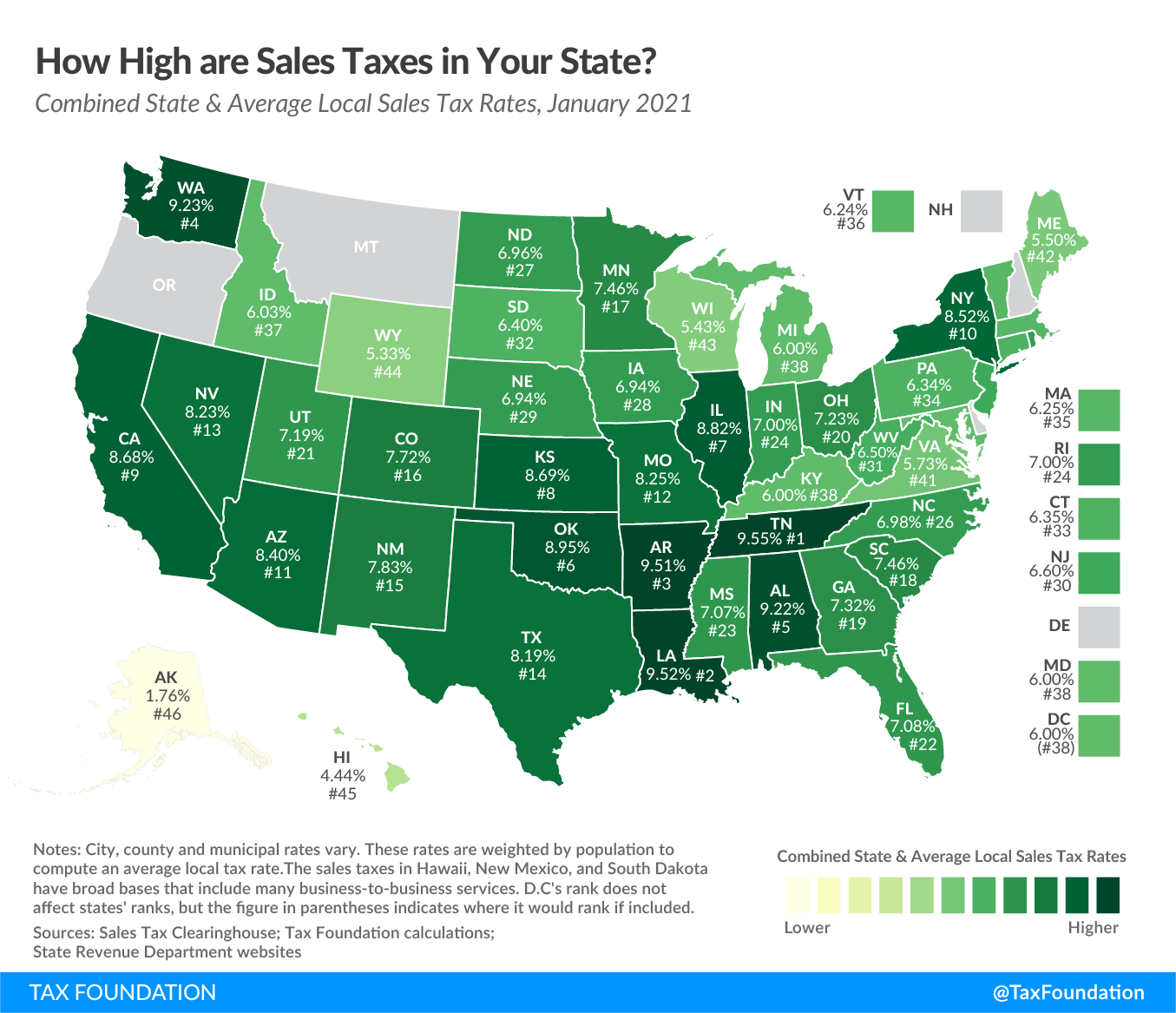
The primary driver of the sales tax rate in Texas is the state sales and use tax. This is the foundational percentage that applies across the entire state. However, this state tax is just one piece of the puzzle. Local entities have the authority to add their own sales taxes, creating a cumulative rate that varies significantly from one locality to another. This means that the sales tax on a bottle of Texas wine purchased in Fredericksburg might be different from the tax on the same bottle bought in Houston. For travelers, this variability underscores the importance of checking specific local rates when planning their itinerary and budgeting for expenses. The interplay between state and local taxes is a significant factor in the overall cost of experiencing Texas’s diverse offerings, from its rich history to its burgeoning culinary scene.
Understanding the Layers of Texas Sales Tax
The sales tax system in Texas is structured in layers, with the state tax forming the base upon which local taxes are added. This layered approach allows for flexibility in how local governments fund essential services and public projects. For travelers, grasping these layers is key to comprehending why tax bills can fluctuate across different regions of the state.
The State Sales Tax: A Foundation for Commerce
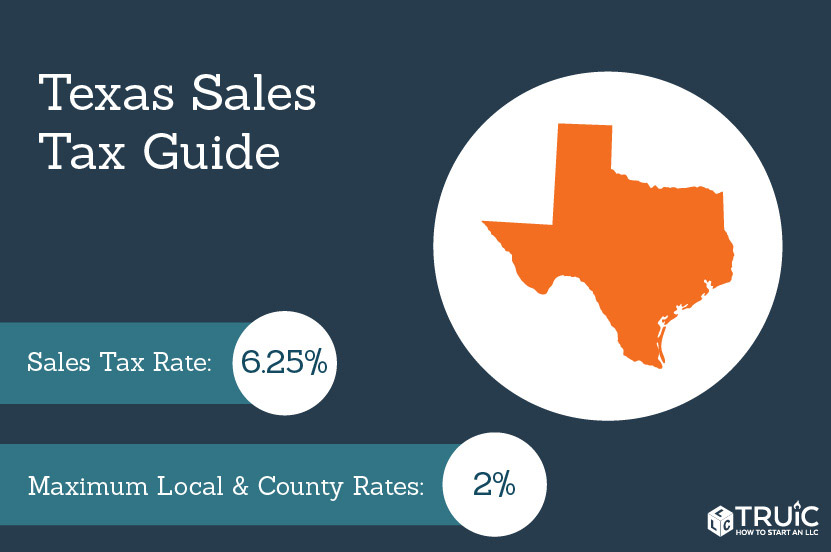
At its core, the Texas sales tax percentage is determined by the state itself. This state-level tax is levied on the sale of tangible personal property and certain services. The current statewide sales tax rate is 6.25%. This rate is applied uniformly across all Texas cities and counties, serving as the fundamental component of the total sales tax burden for consumers. When you purchase a souvenir from a shop near the Alamo in San Antonio, a portion of that tax will always go towards the state’s general revenue fund, which supports various public services and initiatives across Texas. This consistent state rate simplifies initial calculations for any purchase, regardless of location.
However, it’s important to note that not every item or service is subject to sales tax. Certain necessities and specific services are exempted to provide relief to consumers and businesses. For instance, groceries intended for home consumption are generally exempt from state sales tax, though prepared foods are taxed. Similarly, many professional services might be exempt, while others are taxable. Understanding these exemptions can lead to significant savings for budget-conscious travelers planning longer stays or extensive shopping sprees in cities like El Paso or exploring the natural beauty of Palo Duro Canyon State Park. The state sales tax is the bedrock, but it’s rarely the final word on what you’ll pay at the register or on your hotel bill.
Local Taxes: Adding to the Burden and Funding Communities
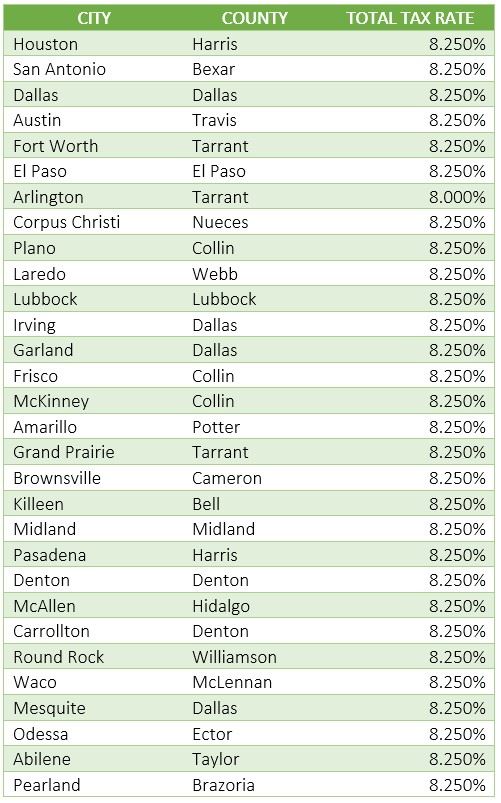
Beyond the state’s 6.25%, local jurisdictions in Texas are empowered to impose their own sales taxes. These local taxes can include county sales taxes, municipal sales taxes, and special district taxes. The maximum combined rate for state and local sales taxes in Texas is 8.25%. However, this is a cap, and the actual combined rate will depend on the specific location.
- County Sales Taxes: Counties can levy their own sales taxes. Typically, these are used to fund county services, infrastructure projects, or economic development initiatives. The rate for county sales taxes can vary, but it often adds a percentage point or more to the overall tax burden. For example, a traveler might encounter a different county tax rate when visiting the wineries in the Texas Hill Country compared to exploring the historic streets of Galveston.
- Municipal Sales Taxes: Cities also have the authority to implement their own sales taxes. These are crucial for funding municipal services such as police, fire departments, road maintenance, and public parks within city limits. The rate of municipal sales tax can also vary considerably between different cities. This is why a hotel stay in downtown Austin might have a slightly higher total sales tax than a similar stay in a smaller town on the outskirts. The specific city tax is usually the most significant contributor to the variation in total sales tax rates across the state.
- Special District Taxes: In certain areas, special districts may also be authorized to levy sales taxes. These districts are often formed for specific purposes, such as economic development zones, downtown improvement districts, or public transportation projects. These can add yet another layer to the sales tax percentage, further contributing to the localized nature of the tax. While less common than county or municipal taxes, they can impact the final price of goods and services in particular areas, especially those designated for significant development or tourism promotion.
The cumulative effect of these local taxes is that the total sales tax percentage can range significantly across Texas. While the state rate remains constant, the addition of county, city, and potentially special district taxes means that the effective sales tax rate can be as low as 6.25% in some very specific, unincorporated areas that have not opted for additional local taxes, and as high as 8.25% in many urban and tourist-heavy areas. This makes it imperative for travelers to be aware of their specific location to accurately estimate their total tax liability, whether they are booking a luxurious suite at the Hotel San Jose or purchasing tickets for a rodeo in Fort Worth.
Sales Tax on Accommodation and Tourist Purchases
The impact of Texas sales tax is most directly felt by tourists in two primary areas: accommodation and general purchases related to their travel experiences. From the moment you check into your hotel until the last souvenir is bought, the sales tax is a constant, albeit often invisible, factor.
Hotel Stays and Lodging Taxes
When booking a hotel, resort, or vacation rental in Texas, the advertised nightly rate does not usually include the full amount of taxes and fees you will pay. In addition to the state and local sales taxes, hotels often collect occupancy taxes, which are levied by cities and counties to support tourism promotion and local infrastructure. These taxes can add a substantial percentage to your final bill. For example, a stay at a boutique hotel in Marfa might have a different combination of state, local, and occupancy taxes than a large convention hotel in Dallas.
The total tax rate on hotel stays can therefore be higher than the standard sales tax rate. While the state sales tax is 6.25%, the addition of municipal and county taxes, plus specific hotel occupancy taxes, can push the combined rate significantly higher, often reaching up to the 10-15% range or even more in some popular tourist destinations. This means that a $200-a-night hotel room could easily cost over $220-$230 once all taxes and fees are factored in. Travelers looking for luxury accommodations like those offered at The Woodlands Resort or a budget-friendly apartment for a long-term stay in Austin should always factor in these additional costs when budgeting for their trip. It is always advisable to check the hotel’s website or contact them directly to understand the full breakdown of taxes and fees applied to your reservation.
Retail Purchases and Experiences
Beyond lodging, virtually all retail purchases in Texas are subject to sales tax. This includes everything from the gas you’ll need to drive your rental car across the state, to the delicious barbecue you’ll enjoy in Lockhart, to the unique artisan crafts you might find in a local market in Santa Fe, New Mexico (again, a popular destination that often draws Texans). The rate applied will be the combined state and local sales tax rate applicable to the specific city or county where the transaction occurs.
This extends to admission fees for attractions like theme parks such as Six Flags Fiesta Texas, museums in Houston, and even guided tours exploring the historic architecture of Galveston. When you purchase tickets for a concert at the Moody Center or buy a cowboy hat in a shop on the historic Stockyards in Fort Worth, the sales tax is applied to that purchase. Understanding the local sales tax percentage for each area you plan to visit will help you budget more accurately for dining, shopping, and entertainment. For a comprehensive trip that spans multiple cities, like a journey from the cultural hubs of Dallas to the natural wonders of West Texas, it’s wise to research the specific tax rates for each destination to avoid any unpleasant surprises. The lifestyle you choose for your trip, whether it’s a luxury escape or a budget-friendly family adventure, will be influenced by these tax considerations.
Navigating Sales Tax for Budgeting and Planning
For any traveler, from a family on a summer road trip to a business traveler on an extended stay, understanding and accounting for sales tax is a crucial part of trip planning and budgeting. The dynamic nature of Texas sales tax, with its state and local variations, requires a proactive approach to ensure your travel funds are managed effectively.
Researching Local Tax Rates Before You Go
The most effective strategy for managing sales tax on your Texas adventure is to research local tax rates before you depart. While the state sales tax of 6.25% is constant, the additional county, city, and special district taxes can vary significantly. Websites of the Texas Comptroller of Public Accounts are an excellent resource for official tax information. Many tourism websites for specific cities, like Visit San Antonio or Visit Austin, will also often provide details on local taxes that may affect visitors.
For instance, if you are planning to stay at a resort in the Texas Hill Country, knowing the specific sales tax rate for that county and any relevant city or special districts will help you budget for activities, dining, and any purchases you make. Similarly, if your travel plans include exploring iconic landmarks like the Space Center Houston or enjoying the vibrant nightlife of Austin, understanding the tax implications will allow for more accurate financial forecasting. This proactive research is especially valuable for longer trips or when planning for a variety of experiences, from visiting historical sites to enjoying outdoor adventures. It ensures that the total cost of your travel, including accommodations like a charming bed and breakfast or a modern apartment, aligns with your financial expectations.
Estimating Total Trip Costs with Sales Tax in Mind
When estimating your total trip costs, it’s essential to factor in sales tax for all anticipated expenditures. This includes not only your hotel stay but also meals at restaurants, groceries if you’re self-catering, souvenirs, admission fees to attractions like the Kimbell Art Museum, and any other retail purchases. A good rule of thumb is to add at least 8.25% to your estimated spending on taxable goods and services, and potentially more if you are visiting areas known for higher combined tax rates.
For example, if your planned itinerary includes a stay at a luxury resort in San Antonio, followed by a tour of the Texas State Capitol in Austin, and a visit to a national park like Guadalupe Mountains National Park, you’ll encounter different local tax rates. This cumulative effect can significantly alter your overall budget. By diligently researching and applying the relevant sales tax percentages to each component of your trip, you can create a more realistic and manageable travel budget. This thoughtful approach ensures that your focus remains on enjoying the diverse attractions and experiences Texas has to offer, from its rich cultural tapestry to its breathtaking natural beauty, without the worry of unexpected expenses. This diligent planning extends to all aspects of your lifestyle travel choices, whether seeking budget-friendly options or indulging in luxury experiences.
LifeOutOfTheBox is a participant in the Amazon Services LLC Associates Program, an affiliate advertising program designed to provide a means for sites to earn advertising fees by advertising and linking to Amazon.com. Amazon, the Amazon logo, AmazonSupply, and the AmazonSupply logo are trademarks of Amazon.com, Inc. or its affiliates. As an Amazon Associate we earn affiliate commissions from qualifying purchases.