
The Lone Star State, a vast expanse known for its rich history, vibrant culture, and burgeoning economy, also presents a complex and evolving landscape when it comes to the legality of online betting applications. For residents and visitors alike, understanding which betting apps are permissible in Texas is crucial to engaging in any form of online wagering responsibly and legally. This exploration delves into the current regulatory environment surrounding betting apps in Texas, examining the nuances of state law and the types of betting that are, or are not, currently permitted.
The Regulatory Maze of Betting in Texas
Texas has a historically conservative approach to gambling, which significantly influences the availability of betting apps. Unlike many other states that have embraced the burgeoning sports betting market, Texas has been slower to adopt widespread legalization, creating a unique set of circumstances for those interested in placing bets online.
Historical Stance on Gambling
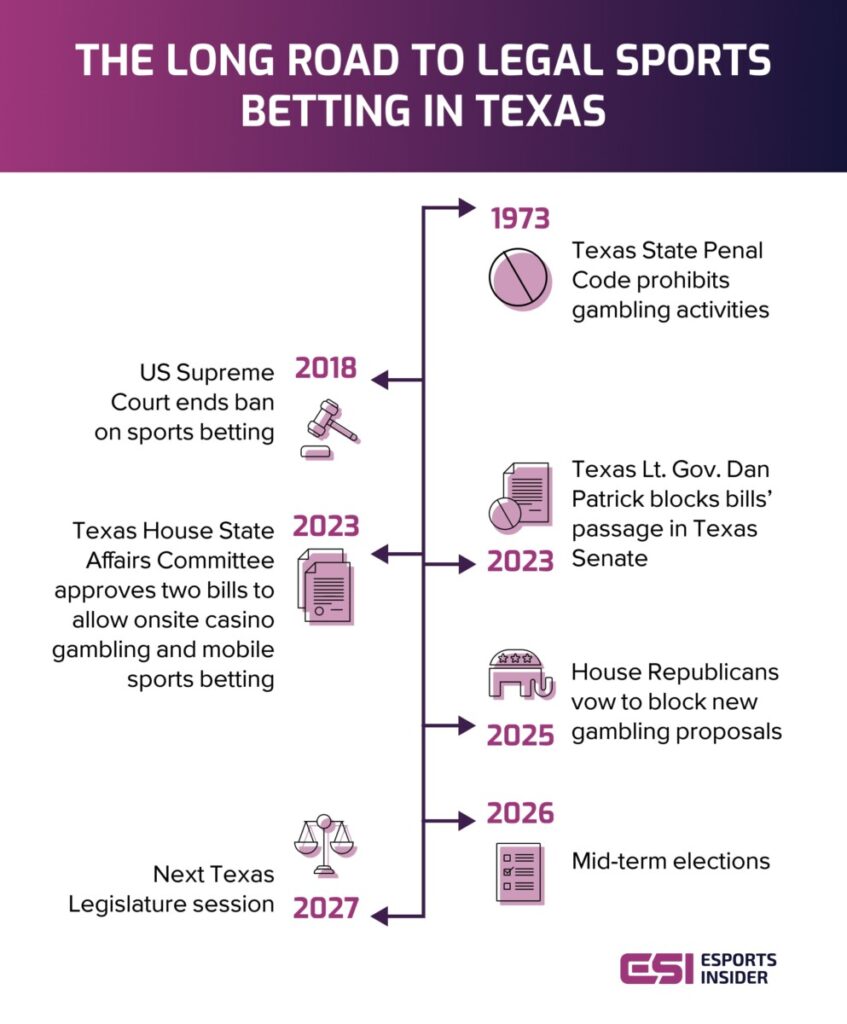
Historically, gambling in Texas has been largely restricted to pari-mutuel horse racing, charitable bingo, and the state lottery. These forms of gambling are overseen by specific state agencies and operate within strict legal frameworks. The state constitution has generally prohibited most forms of casino-style gambling and, until recently, any form of sports betting. This deeply ingrained historical perspective has created significant legislative hurdles for proponents of broader gambling legalization. The conservative political climate within the state often means that any expansion of gambling opportunities faces strong opposition and requires substantial public and legislative consensus, which has been difficult to achieve. This has led to a fragmented and often confusing legal environment for betting.
Current Legal Framework for Online Betting
As of now, there are no online sports betting apps that are legally licensed and regulated by the state of Texas. This means that apps offering wagers on sporting events, such as those for football, basketball, or baseball, are not legally permitted to operate within the state’s borders. The primary reason for this is the lack of specific legislation authorizing and regulating such activities. While there have been ongoing discussions and legislative attempts to introduce sports betting, none have successfully passed into law. This absence of state-sanctioned platforms leaves a void that some offshore or unregulated betting sites attempt to fill, but engaging with such platforms carries significant risks for Texans. It is vital for consumers to understand that using unlicensed apps means they lack the protections afforded by state regulation, including dispute resolution mechanisms and consumer safeguards.
The Distinction Between Daily Fantasy Sports (DFS) and Sports Betting
It is important to draw a clear distinction between Daily Fantasy Sports (DFS) and traditional sports betting, as the legal status of DFS in Texas has been a subject of debate and legal interpretation. DFS platforms, such as DraftKings and FanDuel, allow users to assemble virtual teams of real athletes and compete in fantasy leagues for cash prizes based on actual player performance.
Daily Fantasy Sports in Texas: A Gray Area
For many years, the legality of DFS in Texas existed in a legal gray area. While not explicitly authorized by statute, a legal opinion issued by the Texas Attorney General in 2017 suggested that DFS contests could be considered games of skill, thus falling outside the definition of illegal gambling. This interpretation allowed DFS operators to continue offering their services to Texans. However, this legal standing has been precarious, and there have been ongoing efforts to bring DFS under a more formal regulatory framework. In 2023, legislative attempts were made to legalize and regulate DFS, which would provide clearer guidelines and consumer protections. While these efforts have faced challenges, the general consensus among many legal experts and industry stakeholders is that DFS is currently tolerated rather than explicitly legalized. This means that while users can legally participate in DFS contests on platforms like DraftKings and FanDuel, the legal foundation is not as robust as it would be with explicit legislative authorization. Users should remain aware of potential future legal changes and understand that while these apps are widely accessible, their legal standing is distinct from state-regulated betting platforms found in other jurisdictions.

Offshore Betting Apps: Risks and Legality
Given the absence of legal, state-regulated betting apps in Texas, many individuals may be tempted to explore offshore betting applications. These are platforms that are based and licensed in other countries, operating beyond the direct jurisdiction of Texas law. While they may appear to offer a wide range of betting options, engaging with them carries significant risks.
The Unregulated Nature of Offshore Platforms
Offshore betting apps are not subject to the oversight of Texas regulatory bodies. This means that there are no guarantees regarding the fairness of their odds, the security of your personal and financial information, or the integrity of their operations. If a dispute arises, or if an operator decides not to pay out winnings, Texans have very little recourse. They cannot appeal to Texas gaming commissions or consumer protection agencies for assistance. This lack of accountability is a critical concern for anyone considering using such platforms. Furthermore, the security protocols of offshore sites may not meet the stringent standards required by regulated markets, potentially exposing users to data breaches and identity theft.
Legal Ramifications for [Texans]
The legality of using offshore betting apps for Texans is complex and largely depends on how state law is interpreted and enforced. While Texas law primarily targets the operators of illegal gambling businesses within the state, the act of participating in such activities can also carry legal consequences. It is not uncommon for states with strict gambling laws to have statutes that prohibit residents from engaging in online gambling, even if the platform is based overseas. Although prosecutions for individual players are rare, the risk is not zero. More importantly, using offshore sites can also lead to complications with taxation, as winnings may need to be reported and taxed, and navigating these requirements without official documentation from a regulated entity can be challenging. Therefore, while Texas has not explicitly criminalized the act of a resident using an offshore betting app, it is an activity undertaken at the user’s own legal and financial risk, with limited consumer protections.
The Future of Betting Apps in Texas
The conversation around legalizing and regulating online betting in Texas is ongoing and dynamic. As more states across the nation embrace sports betting, the pressure on Texas to follow suit continues to mount. Several key factors will likely shape the future of betting apps in the Lone Star State.
Legislative Efforts and Potential for Change
The legislative session in Texas is where significant changes to gambling laws would be enacted. In recent years, various bills have been introduced seeking to legalize sports betting, often proposing a model that would involve retail sportsbooks at professional sports venues and potentially online applications. These proposals typically aim to generate new revenue streams for the state through taxation and licensing fees, which can be a powerful incentive for lawmakers. However, passing such legislation requires broad consensus, overcoming opposition from various groups, and navigating the state’s constitutional amendment process if significant changes are required. The strong influence of social conservatives and anti-gambling advocacy groups means that progress is often slow and faces considerable headwinds. Nonetheless, the growing economic benefits observed in other states, coupled with increasing public interest, suggest that the push for legalization is likely to persist in future legislative sessions.

Impact of Professional Sports Leagues and Casinos
Major professional sports leagues, such as the NFL, NBA, MLB, and NHL, have a vested interest in the legalization of sports betting. These leagues often partner with sports betting operators in states where it is legal, benefiting from increased fan engagement and revenue. Their lobbying efforts and desire to tap into the Texas market are significant driving forces behind legislative initiatives. Similarly, the potential for tribal casinos to expand their offerings or for new casino ventures to emerge could also influence the debate. The presence of established gambling operators and their considerable resources can impact the lobbying landscape and public perception. The potential economic uplift for the state, including job creation and tax revenue, remains a central argument for proponents of legalization, and this will continue to be a focal point in future discussions. The ultimate path forward will depend on the interplay of legislative will, public opinion, and the sustained advocacy of stakeholders eager to see regulated online betting apps become a reality in Texas.
LifeOutOfTheBox is a participant in the Amazon Services LLC Associates Program, an affiliate advertising program designed to provide a means for sites to earn advertising fees by advertising and linking to Amazon.com. Amazon, the Amazon logo, AmazonSupply, and the AmazonSupply logo are trademarks of Amazon.com, Inc. or its affiliates. As an Amazon Associate we earn affiliate commissions from qualifying purchases.