
South Dakota, a state celebrated for its dramatic landscapes, rich history, and unique blend of prairie and mountain vistas, also boasts a state flower that perfectly encapsulates its natural beauty and resilience. While the vast plains might conjure images of golden grasses swaying in the wind and towering formations like the Mount Rushmore National Memorial dominating the horizon, the story of its state flower is one of subtle charm and enduring spirit. Understanding South Dakota’s state flower offers a delightful glimpse into the state’s identity, connecting its natural heritage with the pride of its people.
The Unveiling: South Dakota’s Floral Emblem
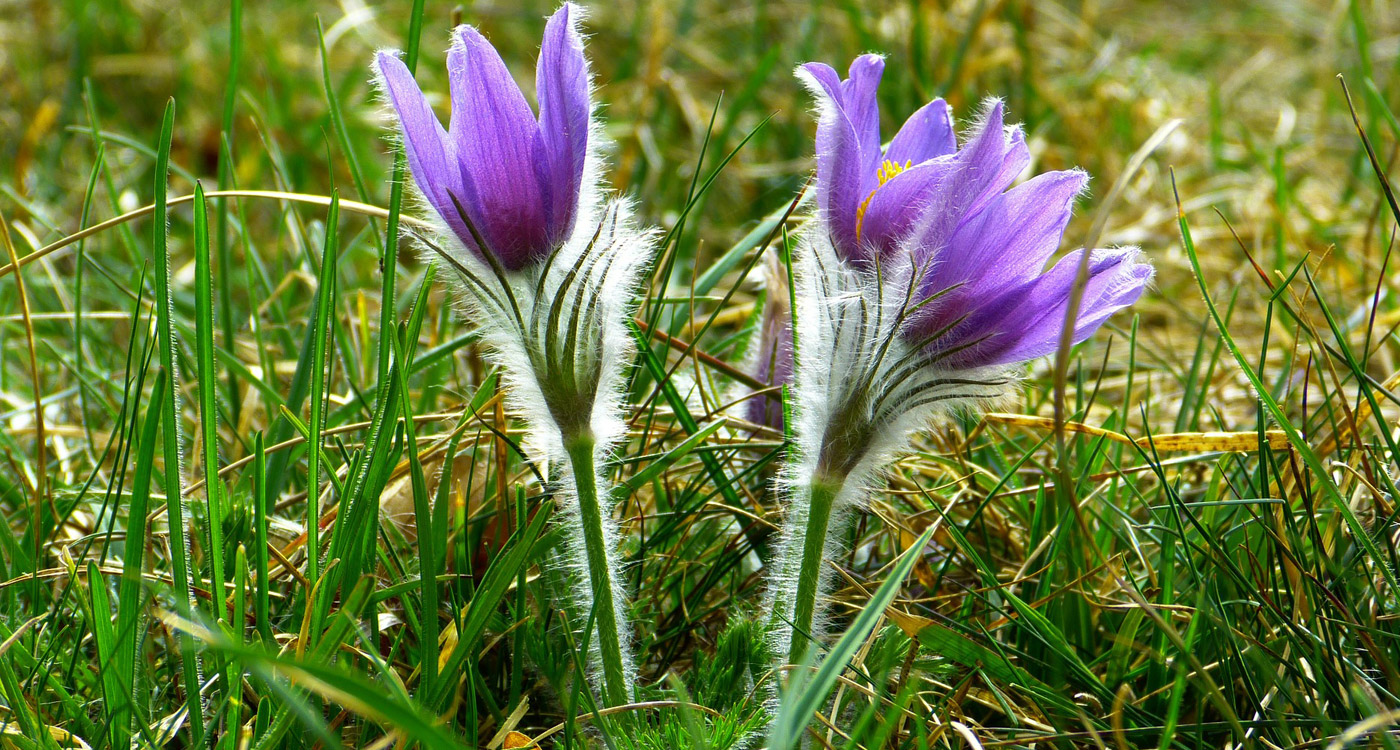
The journey to officially designate a state flower is often a thoughtful process, reflecting the desire to honor a natural symbol that is both representative and cherished by the populace. For South Dakota, this honor belongs to the American Pasqueflower. This delicate yet hardy bloom has roots deeply embedded in the state’s history and environment, making it a fitting emblem.
Discovering the American Pasqueflower
The American Pasqueflower, scientifically known as Anemone patens or Pulsatilla nuttalliana, is a perennial wildflower that graces the landscape of South Dakota with its distinctive appearance. It is a true harbinger of spring, often one of the first flowers to emerge from the thawing earth, carpeting the prairies with its vibrant hues.
A Symbol of Resilience and Renewal
The emergence of the pasqueflower in early spring is a powerful symbol of renewal and resilience. After the long, often harsh winters characteristic of the American Midwest, this flower’s tenacious ability to bloom against the lingering frost and snow speaks volumes about the spirit of South Dakota. It pushes through the soil, unfurling its petals as if to greet the returning warmth and life. This resilience is a trait often mirrored in the people and communities of South Dakota.
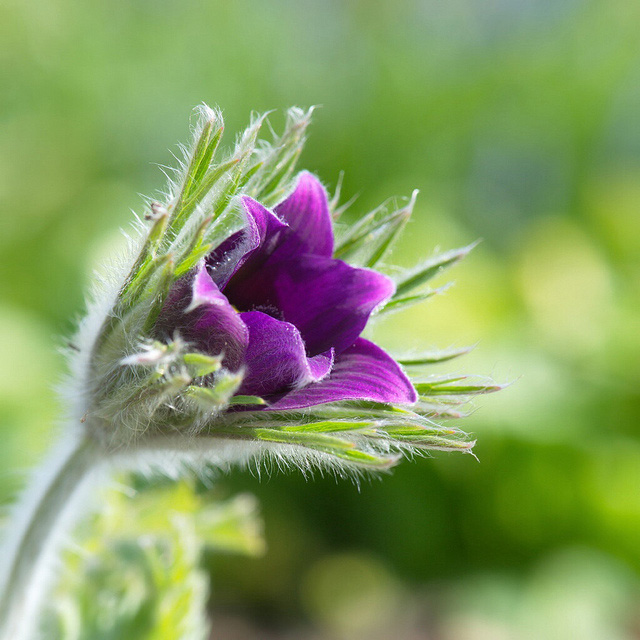
The pasqueflower is not a flashy, attention-grabbing bloom, but rather possesses a quiet, understated beauty. Its petals are typically a lovely shade of lavender or purple, though variations can include white or pale blue. These bell-shaped flowers are often covered in fine, silky hairs, which help to protect them from the cold and wind, further underscoring their hardiness. The fuzzy stems and buds add a soft texture, making it a delight to behold.
The name “pasqueflower” itself is evocative. It is derived from “Pasque,” an old word for Easter, reflecting the flower’s common blooming time around the Easter season. This association with a time of rebirth and celebration adds another layer to its symbolic significance.
Historical Significance and Designation
The process of selecting a state flower often involves legislative action, with proposals and debates leading to an official designation. The American Pasqueflower was officially adopted as the state flower of South Dakota in 1903. This decision was made by the state legislature, recognizing the flower’s widespread presence and its aesthetic appeal across the state’s diverse natural settings, from the rolling plains to the scenic Black Hills.
The choice of the pasqueflower reflects a deep appreciation for the native flora of South Dakota. Prior to its official designation, various flowers were likely admired and considered, but the American Pasqueflower stood out for its prevalence and its strong association with the state’s natural beauty. It embodies the spirit of the prairie, a defining feature of the Midwest landscape.
Where to Find South Dakota’s State Flower
The American Pasqueflower can be found gracing numerous landscapes throughout South Dakota, particularly in its natural prairie habitats. For travelers and nature enthusiasts eager to witness this beautiful bloom firsthand, certain areas offer prime viewing opportunities, especially during the spring months.
Prairie Lands and Natural Habitats
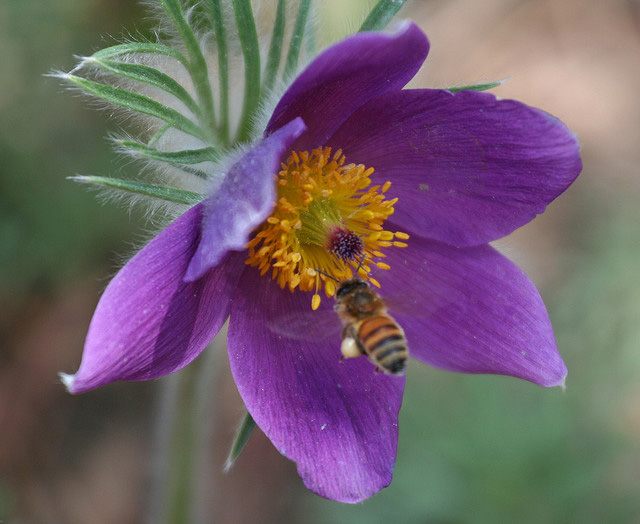
The vast expanses of prairie that define much of South Dakota are the ideal environment for the American Pasqueflower. These open grasslands provide the sunlight and well-drained soils that the flower thrives in. Areas managed by the National Park Service and state parks often preserve these native habitats, offering visitors a chance to see the pasqueflower in its natural glory.
For instance, exploring the open grasslands near Badlands National Park or the expansive prairies within the Wind Cave National Park can yield sightings of the pasqueflower. These parks are not only home to dramatic geological formations and abundant wildlife like bison and prairie dogs but also to a rich tapestry of wildflowers, including the state flower.
Beyond the national parks, many state parks and recreation areas across South Dakota also protect prairie ecosystems. Parks like Custer State Park, renowned for its wildlife loop and scenic drives, also contain areas where wildflowers bloom prolifically in the spring. Even driving along rural county roads, particularly in areas with less intensive agriculture, can reveal patches of these charming flowers.
Best Times for Viewing
The blooming season for the American Pasqueflower is typically from April through May, sometimes extending into early June depending on the specific location and weather patterns. Early spring is the most opportune time to witness the pasqueflower in its full glory. As the snow recedes and the ground warms, the flowers emerge, often in waves.
Travelers planning a trip to South Dakota with the specific intention of seeing the state flower should aim for a visit during this spring window. It’s advisable to check local park websites or contact visitor centers for the most up-to-date information on blooming status, as natural cycles can vary year to year. Gentle hikes on designated trails within natural areas are recommended to minimize impact on the delicate ecosystem. Remember to stay on marked paths and refrain from picking the flowers, allowing others to enjoy their beauty and ensuring their continued presence for future generations.
Beyond the Bloom: Experiencing South Dakota’s Natural Wonders
While the American Pasqueflower is a beautiful symbol, its presence is just one facet of the breathtaking natural landscapes that South Dakota has to offer. From the rugged grandeur of the Black Hills to the vast, awe-inspiring prairies, the state is a treasure trove for outdoor enthusiasts and anyone seeking to connect with nature.
Iconic Landmarks and Natural Attractions
South Dakota is home to some of the most recognizable natural and man-made landmarks in the United States. The aforementioned Mount Rushmore National Memorial, with the colossal faces of presidents carved into the granite, is a must-see for many visitors. Nearby, the Crazy Horse Memorial, an ongoing mountain carving honoring Native American heritage, offers a different perspective on monumental artistry.
The Badlands National Park presents a starkly beautiful, otherworldly landscape of eroded buttes, pinnacles, and spires. Its dramatic geological formations are a testament to millions of years of natural history, and it’s also a prime location for spotting wildlife. Within the park, scenic drives and hiking trails allow visitors to immerse themselves in this unique environment.
Further north, the Black Hills region is a vast expanse of rolling hills, dense forests, and clear lakes. This area is a haven for outdoor activities, including hiking, camping, and fishing. It’s also home to attractions like the Custer State Park, known for its scenic drives such as the Needles Highway and Wildlife Loop Road, where herds of bison often roam freely. The caves within the Black Hills, such as Wind Cave National Park and Jewel Cave National Monument, offer a glimpse into the subterranean wonders of the state.
Tourism and Accommodation Options
Exploring the natural beauty of South Dakota is a quintessential part of the travel experience. The state offers a range of tourism options to suit various preferences and budgets. From adventure seekers to those looking for a relaxing retreat, there are accommodations and activities to match.
For travelers seeking comfortable lodging, South Dakota provides a diverse array of hotels, resorts, and vacation rentals. In the larger cities like Sioux Falls or Rapid City, visitors can find a wide selection of hotels offering various amenities, from budget-friendly options to luxury suites. Near the national parks and popular attractions, charming lodges, cabin rentals, and even historic hotels offer unique stays that complement the surrounding natural environment. For instance, within or near Custer State Park, there are various lodges and resorts that provide direct access to hiking trails and scenic views.
The tourism infrastructure in South Dakota is well-developed, with visitor centers providing maps, information, and guided tours. Local culture can be experienced through museums, art galleries, and interactions with the friendly residents. Culinary experiences range from classic American diners to restaurants showcasing regional flavors. Whether you’re planning a luxury travel experience, a family trip, or a solo adventure, South Dakota offers a memorable journey filled with natural splendor, historical significance, and the gentle charm of its state flower.
LifeOutOfTheBox is a participant in the Amazon Services LLC Associates Program, an affiliate advertising program designed to provide a means for sites to earn advertising fees by advertising and linking to Amazon.com. Amazon, the Amazon logo, AmazonSupply, and the AmazonSupply logo are trademarks of Amazon.com, Inc. or its affiliates. As an Amazon Associate we earn affiliate commissions from qualifying purchases.