
Tex-Mex cuisine is far more than a mere culinary category; it’s a vibrant cultural tapestry woven from centuries of interaction between two distinct yet deeply intertwined cultures: those of Texas and Mexico. Often misunderstood or oversimplified, Tex-Mex represents a unique fusion, a robust and flavourful cuisine that has captivated palates far beyond its Southwestern origins, making it a pivotal part of culinary tourism and a staple lifestyle choice for many. For travellers exploring the diverse food landscapes of the United States, understanding Tex-Mex is essential to fully appreciate the rich history and vibrant communities that forged it.
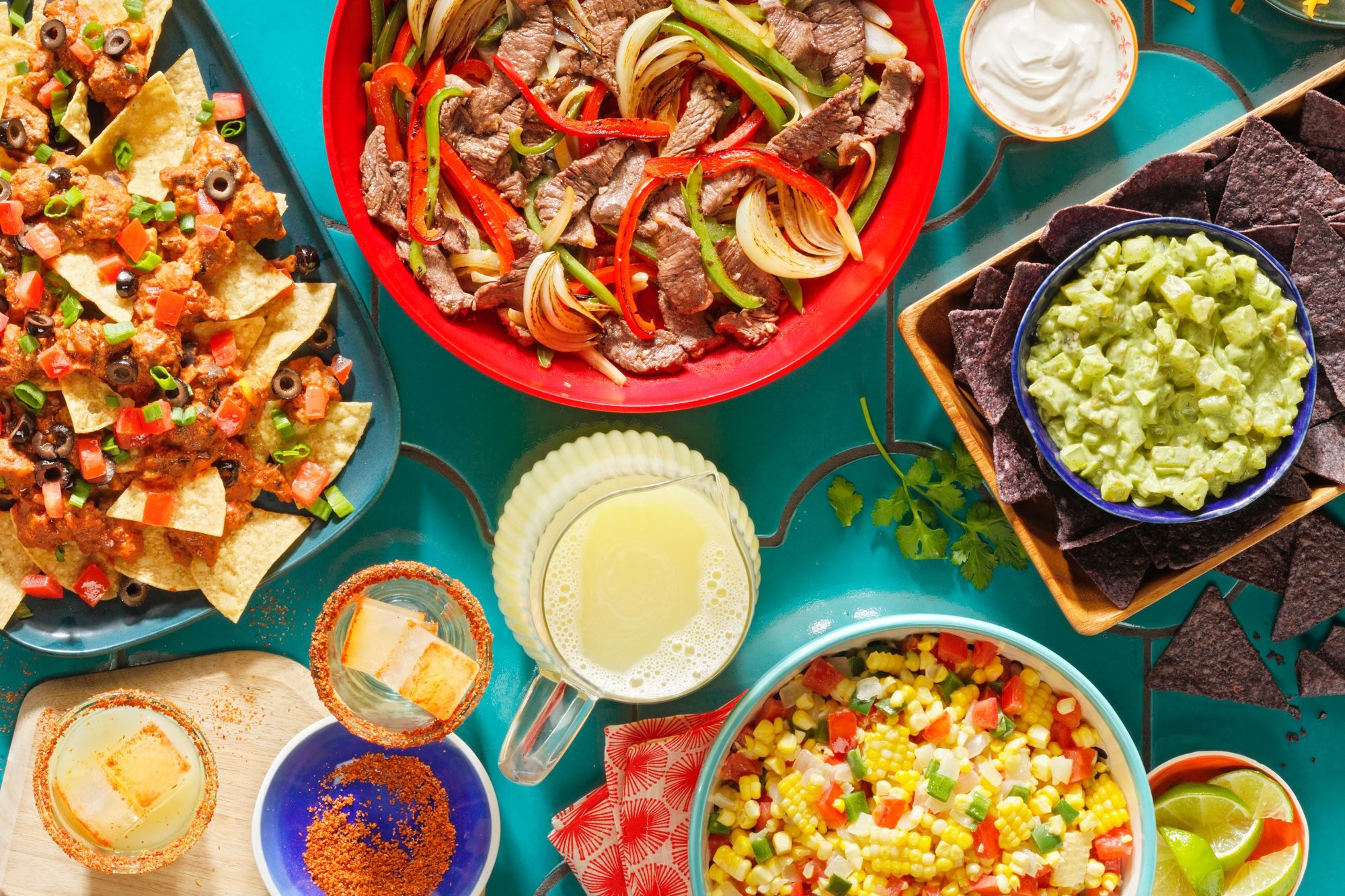
This article delves into the heart of Tex-Mex, distinguishing it from traditional Mexican food, tracing its historical evolution, highlighting its signature ingredients and iconic dishes, and exploring its significant role in the travel and lifestyle experiences of millions. From the bustling streets of San Antonio to family dinner tables across the globe, Tex-Mex offers a taste of a truly unique regional identity.
The Flavorful Fusion: Unpacking Tex-Mex Identity
To truly grasp “What Is Tex-Mex Cuisine?”, one must first understand that it is a distinct culinary tradition, not simply an Americanized version of Mexican food. While sharing common ancestors and ingredients, Tex-Mex has forged its own identity, shaped by the availability of local produce, historical circumstances, and the evolving tastes of the people living along the borderlands. It embodies a rich narrative of cultural exchange, adaptation, and innovation.
More Than Just Mexican Food: Defining Tex-Mex’s Uniqueness
At its core, Tex-Mex cuisine is a regional cooking style of Texas that draws heavily on both indigenous Tejano traditions and influences from neighboring Mexico, particularly from states like Coahuila, Nuevo León, and Tamaulipas. The distinction often lies in a few key characteristics: a more generous use of yellow cheese, especially cheddar and Monterey Jack; a greater emphasis on beef, often ground or shredded; the common inclusion of cumin as a foundational spice; and a preference for wheat flour tortillas alongside corn.
Traditional Mexican cuisine, by contrast, is incredibly diverse, varying significantly by region. It often features a wider array of chiles, focuses more on corn-based dishes (like sophisticated moles or intricate tamales), and uses different types of cheeses, often fresh and unaged. While both cuisines celebrate fresh ingredients and bold flavours, Tex-Mex tends to present a heartier, often richer profile, reflecting the ranching and farming heritage of Texas. This unique blend makes it an unmissable part of any culinary tour through the American Southwest.
A Culinary Crossroads: The Geographic and Cultural Blend
The very name “Tex-Mex” is a portmanteau reflecting its geographic genesis. It emerged from the cultural interactions along the United States-Mexico border, particularly in Texas. This border region, with its shared history, language, and traditions, became a fertile ground for culinary innovation. The vaqueros (cowboys) and early settlers, both Tejano and Anglo, adapted recipes to the ingredients readily available in the vast plains of Texas, which included abundant cattle and wheat, alongside the traditional corn and beans.
This culinary crossroads isn’t just about food; it’s about a way of life. It speaks to the shared heritage of families whose roots span both sides of the Rio Grande, to the vibrant festivals and celebrations that blend customs, and to the everyday meals that bring communities together. For those interested in local culture and authentic experiences, exploring Tex-Mex offers a direct link to this rich history.
A Rich History: From Border Ranches to Global Tables
The history of Tex-Mex is as flavorful and complex as its dishes, tracing a path from the earliest settlements to its current status as a globally recognized cuisine. It’s a story of resilience, adaptation, and the delicious outcome of cultural melting pots. Understanding its evolution enhances the appreciation of every bite.
The Roots of Flavor: Early Settlers, Vaqueros, and Indigenous Influences
The origins of Tex-Mex can be traced back to the 17th and 18th centuries when Spanish missions and settlements were established in what is now Texas. These early settlers brought European ingredients and cooking techniques, which mingled with the indigenous culinary practices of native tribes and the established traditions of northern Mexico. The Spanish introduction of cattle, wheat, and spices like cumin laid the groundwork for many Tex-Mex staples.
The Tejano people, descendants of Spanish colonialists and indigenous groups who settled in Texas centuries ago, developed a distinct food culture long before Texas became part of the United States. Their cuisine was characterized by hearty dishes made with local ingredients, emphasizing practicality and sustenance for ranch hands and families. This era laid the foundational elements, such as the use of grilled meats, chiles, and beans, which would later define Tex-Mex.
Evolution in the Lone Star State: How Tex-Mex Evolved Distinctively
After Texas joined the United States in 1845, the influx of Anglo settlers further influenced the cuisine. These new arrivals often adapted existing Tejano dishes to their own tastes and available ingredients, leading to the increased use of cheddar cheese, more extensive use of ground beef, and a tendency towards milder spice profiles compared to some traditional Mexican regional dishes. The expansion of railroads also played a crucial role, allowing easier access to diverse ingredients across the state and beyond.
The term “Tex-Mex” itself didn’t gain widespread popularity until the late 20th century. Originally, it was used by food writer Diana Kennedy in the 1970s to differentiate the cuisine of Texas from the authentic regional foods of Mexico. Before that, it was often simply referred to as “Mexican food” in Texas, a testament to its deeply embedded local identity. Tex-Mex restaurants began to pop up in cities like San Antonio, Dallas, and Houston as early as the late 19th and early 20th centuries, serving working-class families and becoming popular eateries for locals and travellers alike. These establishments, often humble at first, evolved into beloved community landmarks, defining the dining landscape for generations.
Key Ingredients and Signature Styles
The essence of Tex-Mex cuisine is captured in its characteristic ingredients and cooking methods, which create a comforting, bold, and unforgettable flavour profile.
- Cheese: Yellow cheeses, particularly cheddar and Monterey Jack, are ubiquitous. They melt beautifully over enchiladas, are generously sprinkled on tacos, and form the basis of the beloved queso dip. This contrasts with the fresh, white cheeses often found in interior Mexico.
- Beef: While pork and chicken are also used, beef reigns supreme in Tex-Mex. Ground beef is a staple in tacos and burritos, while shredded beef often fills enchiladas, and grilled cuts are central to Fajitas. This reflects Texas’s strong ranching tradition.
- Cumin: This earthy spice is a signature flavour of Tex-Mex, providing a warm, aromatic base that differentiates many dishes from their Mexican counterparts, which often rely on other spices and chiles for depth.
- Wheat Flour Tortillas: While corn tortillas are certainly present, especially in traditional dishes, wheat flour tortillas are just as prevalent, used for burritos, soft tacos, and as a scoop for dips. This is another nod to the agricultural history of the region.
- Chiles: While not always as fiery as some Mexican dishes, Tex-Mex uses a variety of chiles like jalapeños, poblanos, and serranos, often in salsas, sauces, and as fresh garnishes, adding crucial layers of flavour and heat.
- Hearty and Comforting: Tex-Mex dishes are typically substantial and satisfying, often rich with sauces, melted cheese, and generous portions, making them ideal for family meals or a hearty stop for travellers exploring local attractions.
Iconic Dishes: A Taste of Tex-Mex Tradition
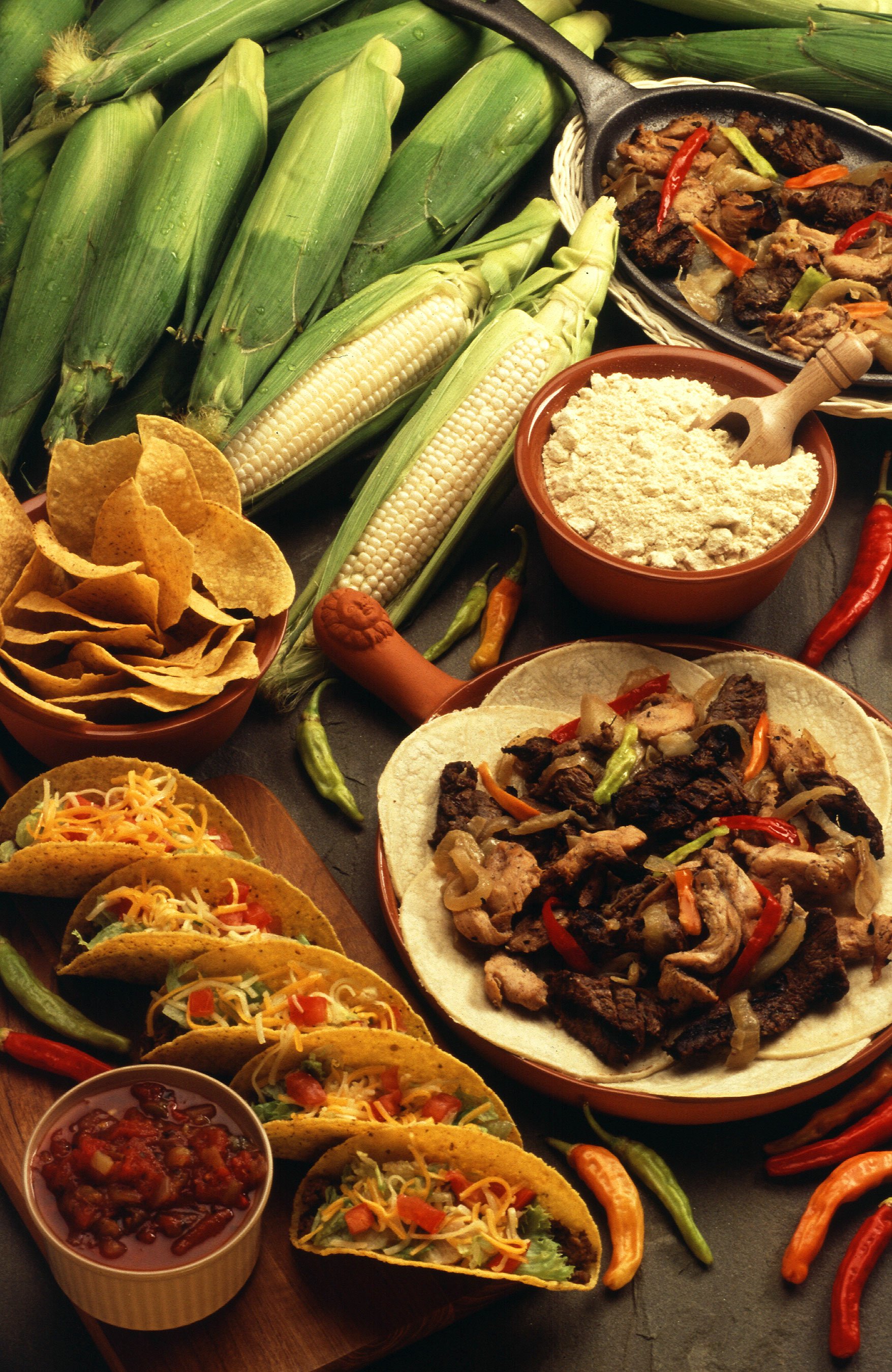
No exploration of Tex-Mex is complete without delving into its most famous creations. These dishes are not just meals; they are culinary landmarks, representing the heart and soul of this vibrant cuisine.
From Chili con Carne to Sizzling Fajitas: Exploring the Classics
The Tex-Mex menu is packed with dishes that have achieved legendary status, becoming popular not just in the Southwest but across the United States and internationally.
- Chili con Carne: Perhaps the quintessential Tex-Mex dish, Chili con Carne (chili with meat) originated in Texas and became a cultural phenomenon. Unlike many modern chili recipes, classic Tex-Mex Chili con Carne often contains no beans or tomatoes in the base, focusing instead on tender chunks of beef simmered in a rich, spicy gravy made from dried chiles and cumin. It’s a foundational dish, often served over rice or as a topping for other items.
- Fajitas: A relatively modern Tex-Mex sensation, Fajitas burst onto the scene in the mid-20th century. Originally made from inexpensive cuts of beef (skirt steak), marinated and grilled, then sliced into strips and served sizzling on a cast-iron platter with sautéed onions and bell peppers, tortillas, and various fixings. Chicken, shrimp, and vegetable Fajitas are now also common. The theatrical presentation makes them a favourite for group dining and a highlight of many restaurant experiences.
- Nachos: The ultimate shareable appetizer, Nachos were invented in Piedras Negras, Mexico, just across the border from Eagle Pass, Texas, by Ignacio “Nacho” Anaya in 1943. Simple tortilla chips topped with melted cheese and pickled jalapeños, they quickly became a staple, evolving into elaborate “super Nachos” with ground beef, beans, sour cream, and guacamole.
- Enchiladas: While Enchiladas exist in many forms across Mexico, the Tex-Mex version typically features corn tortillas rolled around a filling (often cheese, beef, or chicken), smothered in a chili gravy or a rich queso sauce, and baked until bubbly. A sprinkle of more shredded cheese and sometimes a fried egg are common additions.
- Tacos: Tex-Mex Tacos are famed for their versatility. While soft corn and flour tortillas are common, the crispy fried corn tortilla shell filled with seasoned ground beef, shredded lettuce, diced tomatoes, and grated cheddar cheese is an icon of Tex-Mex, a quick and satisfying meal that perfectly encapsulates its hearty appeal.
- Burritos, Quesadillas, and more: Other beloved dishes include large flour Burritos stuffed with various fillings; Quesadillas, essentially grilled cheese sandwiches made with tortillas; and Chimichangas, deep-fried burritos popular in regions like Arizona and New Mexico but enjoyed throughout Tex-Mex territory. Each offers a unique texture and flavour experience, cementing Tex-Mex’s reputation for comfort food.
Beverages and Accompaniments
Beyond the main dishes, Tex-Mex culture thrives on its delicious supporting cast:
- Margaritas: The quintessential Tex-Mex cocktail, the Margarita (tequila, lime juice, orange liqueur) is a refreshing complement to the rich flavours of the food. Whether on the rocks or frozen, it’s a staple of social gatherings and restaurant dining.
- Chips and Salsa/Queso/Guacamole: The complimentary basket of warm tortilla chips served with vibrant salsa is an expected start to any Tex-Mex meal. Add a bowl of creamy queso (melted cheese dip) or fresh guacamole, and you have the perfect preamble to the feast. These small details significantly enhance the overall dining experience, contributing to the convivial atmosphere.
- Mexican Beer: Light lagers like Corona or Modelo are popular choices, providing a crisp contrast to the spicy and rich flavours.
Tex-Mex as a Travel & Lifestyle Experience
Tex-Mex is more than just food; it’s a lifestyle, a cultural anchor that profoundly influences travel destinations, local economies, and daily routines across Texas and beyond. For those looking to immerse themselves in local culture and authentic experiences, the Tex-Mex trail offers a unique journey.
Culinary Tourism in the Southwest: Where to Experience Authentic Tex-Mex
For travellers with a passion for food, a Tex-Mex culinary adventure is a must. The best places to experience authentic Tex-Mex are, unsurprisingly, in Texas itself, though its influence stretches into neighboring states like New Mexico, Arizona, and California, each with their own regional variations.
- San Antonio: Widely regarded as the spiritual home of Tex-Mex, San Antonio offers an unparalleled experience. Historic landmarks like the Alamo are complemented by a vibrant culinary scene, particularly along the River Walk and in the Market Square. Here, you can find legendary Tex-Mex institutions, some operating for over a century, offering classic enchiladas, puffy tacos, and sizzling fajitas.
- Dallas and Houston: These major metropolitan areas boast a staggering array of Tex-Mex restaurants, from upscale, modern interpretations to beloved hole-in-the-wall joints. They reflect the diverse populations and sophisticated palates of these booming cities. Exploring these cities’ dining scenes is a key part of any tourism itinerary.
- Austin: Known for its vibrant food truck scene and innovative culinary landscape, Austin puts its own spin on Tex-Mex, often incorporating fresh, local ingredients and creative twists on traditional dishes. This city is a great destination for those seeking a modern take on Tex-Mex traditions.
When planning your trip, consider booking accommodations near popular Tex-Mex districts to fully immerse yourself. Whether it’s a boutique hotel in Austin or a charming guesthouse in San Antonio, proximity to the best food offers an authentic taste of local life. Look for restaurants with long histories, packed dining rooms, and reviews that praise their authentic flavour and generous portions. Many establishments are family-owned, reflecting generations of culinary heritage.
Lifestyle Appeal: Family Gatherings, Casual Dining, and Vibrant Culture
Tex-Mex is intrinsically linked to a relaxed, convivial lifestyle. It’s the food of family gatherings, casual weeknight dinners, and celebratory outings. Its approachable nature makes it a favourite for all ages, embodying a sense of warmth and community. The ease of sharing dishes like Nachos or a sizzling platter of Fajitas promotes interaction and camaraderie, making it ideal for social events.
Furthermore, Tex-Mex culture extends beyond restaurants. It influences grocery store aisles, with dedicated sections for tortillas, salsas, and chiles. It inspires home cooks, who often have their own cherished recipes for chili gravy or queso. This pervasive presence highlights its role as not just a cuisine, but a deeply embedded aspect of daily life and local identity in Texas.
Beyond the Plate: Exploring Local Markets, Festivals, and Cooking Classes
For an even deeper dive into the Tex-Mex lifestyle, consider exploring local attractions and activities:
- Farmers’ Markets: Visit markets in cities like San Antonio or Austin to discover the fresh produce, artisanal cheeses, and handmade tortillas that form the backbone of Tex-Mex cooking. This offers a glimpse into the agricultural richness that supports the cuisine.
- Food Festivals: Many towns and cities in Texas host food festivals celebrating local flavours, including Tex-Mex. These events are fantastic opportunities to sample a variety of dishes, enjoy live music, and experience the festive local culture.
- Cooking Classes: For a hands-on experience, seek out cooking classes that teach the fundamentals of Tex-Mex. Learning to make your own tortillas, chili gravy, or tamales can be an incredibly rewarding and educational experience, allowing you to take a piece of Tex-Mex culture home with you. This aligns perfectly with the “Experiences” aspect of travel.
The global spread of Tex-Mex means you can find variations in cities like New York, Chicago, and even in Europe or Asia. However, to truly understand its roots and enjoy its most authentic expressions, a journey to Texas is indispensable.

Conclusion: The Enduring Legacy of Tex-Mex
Tex-Mex cuisine is a culinary triumph, a delicious testament to cultural convergence and regional identity. Born from the rich history and unique geography of Texas and Mexico, it has evolved into a distinct and beloved food tradition cherished for its hearty flavours, comforting dishes, and vibrant character. From the robust Chili con Carne to the sizzling Fajitas and the endless possibilities of Tacos and Enchiladas, Tex-Mex offers a diverse palate of experiences.
For the modern traveller, Tex-Mex is not just a meal; it’s an immersive cultural journey. Exploring its origins, savouring its iconic dishes, and engaging with the communities that celebrate it provides deep insights into the local culture, lifestyle, and history of the American Southwest. So, whether you’re planning a trip to the Lone Star State or simply seeking to expand your culinary horizons, diving into the world of Tex-Mex cuisine promises a rewarding and utterly delicious adventure. It’s a cuisine that truly embodies the spirit of discovery and the joy of shared experiences, making it an essential part of the global travel and lifestyle landscape.
LifeOutOfTheBox is a participant in the Amazon Services LLC Associates Program, an affiliate advertising program designed to provide a means for sites to earn advertising fees by advertising and linking to Amazon.com. Amazon, the Amazon logo, AmazonSupply, and the AmazonSupply logo are trademarks of Amazon.com, Inc. or its affiliates. As an Amazon Associate we earn affiliate commissions from qualifying purchases.