
California, often referred to as the Golden State, stands as a titan in the political landscape of the United States. Its immense population and economic power translate directly into significant influence within the federal system, particularly concerning presidential elections. The question of “how many votes does California have?” isn’t just about a number; it’s a reflection of its demographic gravity, cultural diversity, and unparalleled contribution to the nation’s identity and economy. This article delves into the mechanics of California’s electoral power, tracing its growth through history and exploring how this political might is intricately woven into the fabric of the state’s vibrant travel, tourism, and lifestyle offerings.
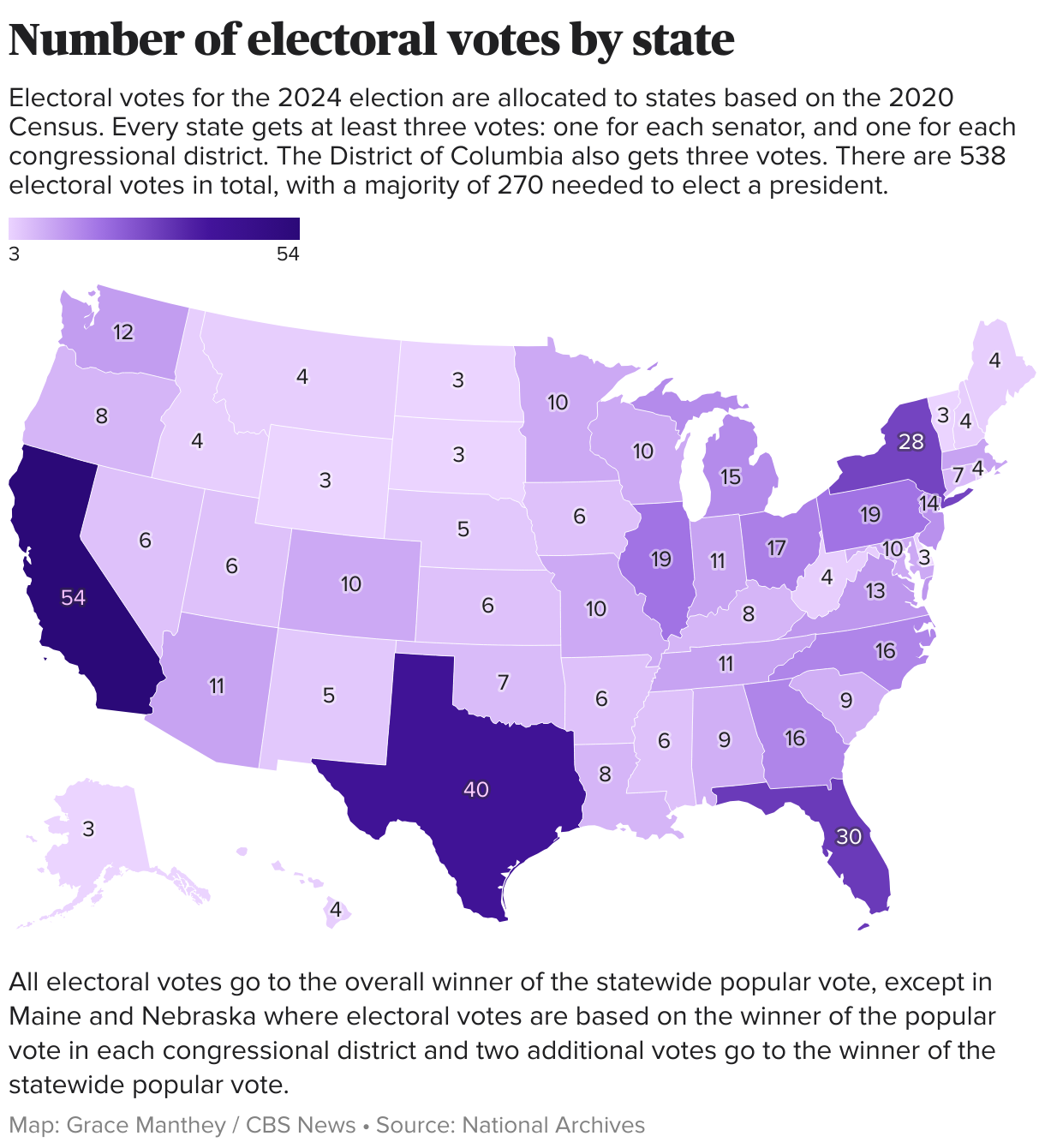
California’s Electoral Footprint: A Political Powerhouse
The number of electoral votes a state possesses is a direct function of its population, as determined by the decennial United States Census. Each state is allocated a number of electors equal to its total number of representatives in Congress (House members plus two senators). This system, known as the Electoral College, ensures that presidential elections are not solely decided by a few heavily populated urban centers but also consider the representation of smaller states. However, California’s sheer size means it naturally commands the largest share of these critical votes.
The Electoral College Explained and California’s Early Influence
Understanding California’s electoral standing requires a brief look at the Electoral College. In essence, when citizens vote for president, they are technically voting for a slate of electors pledged to a particular candidate. The candidate who wins the popular vote in a state typically wins all of that state’s electoral votes (a “winner-take-all” system, with exceptions in Maine and Nebraska). To secure the presidency, a candidate needs to win a majority of the total electoral votes available nationwide.
Historically, California did not always hold its current electoral sway. In the early 20th century, its electoral power was modest, reflecting its nascent population. For instance, in 1904, California had just 10 electoral votes. This number gradually increased as the state began its journey of rapid growth, fueled by agricultural booms, industrial expansion, and later, technological innovation. By 1920, the state’s electoral vote count had risen to 13, a steady but not yet dominant figure. The electoral votes continued to climb to 22 in 1932, a testament to its burgeoning population even during the Great Depression. This trajectory of increasing influence set the stage for California to become the electoral giant it is today.
Tracking the Golden State’s Growing Electoral Might
The post-World War II era marked an exponential population surge in California, dramatically increasing its electoral importance. The allure of the “Golden State,” with its promise of prosperity, innovation, and an enviable lifestyle, attracted millions from across the United States and beyond. This demographic boom directly translated into a substantial increase in electoral votes:
- 1944: 25 electoral votes
- 1956: 32 electoral votes
- 1968: 40 electoral votes
- 1980: 47 electoral votes
- 1992: 54 electoral votes
- 2004: 55 electoral votes
- 2016: 55 electoral votes
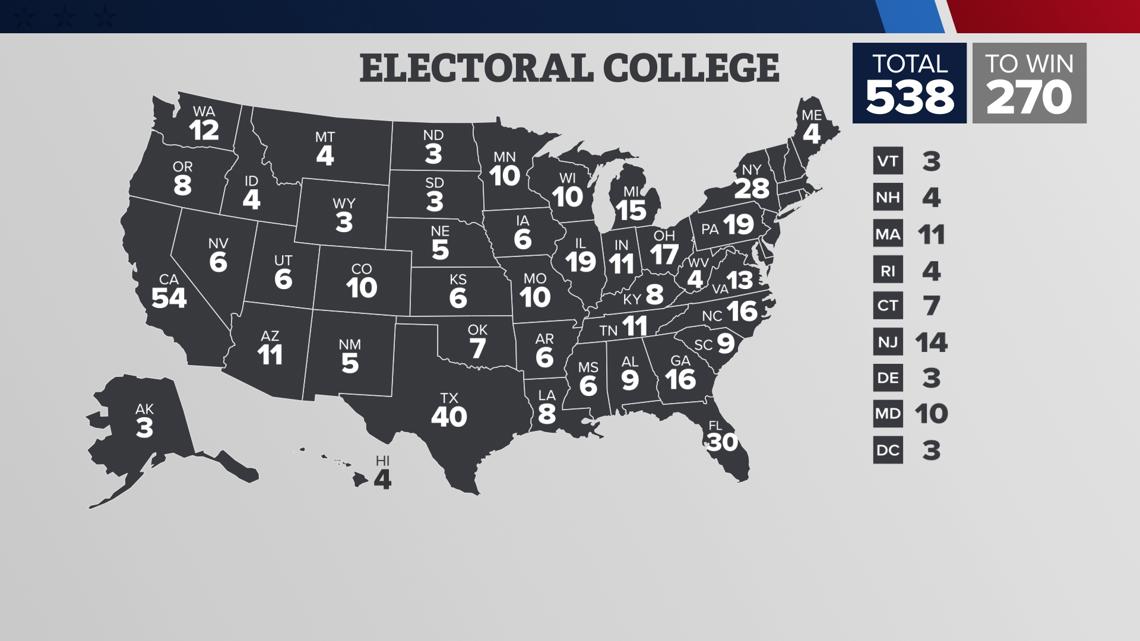
For the 2024 and 2028 presidential elections, based on the 2020 Census, California holds 54 electoral votes. While this represents a slight decrease from its peak of 55 (the first time California lost an electoral vote), it still makes it by far the most electorally powerful state in the United States. Its 54 votes alone represent nearly 20% of the 270 electoral votes needed to win the presidency, making California a critical battleground (or reliable stronghold, depending on the political leanings) that no presidential candidate can afford to ignore.
A Demographic Marvel: Population, Influence, and the Fabric of the State
The story of California’s electoral votes is fundamentally a story of its population growth. From a frontier outpost to a global economic and cultural powerhouse, its demographic journey is as compelling as its diverse landscapes.
From Humble Beginnings to a Global Metropolis: California’s Population Explosion
California’s population trajectory has been nothing short of extraordinary. From a mere 1.5 million residents in 1900, it swelled to 10.5 million by 1950. The subsequent decades saw continued, aggressive growth:
- 1960: 15.7 million
- 1970: 19.9 million
- 1980: 23.7 million
- 1990: 29.8 million
- 2000: 33.8 million
- 2010: 37.2 million
- 2020: 39.5 million
As of recent estimates, California’s population hovers around 39 million, making it the most populous state in the nation. This immense demographic footprint is composed of a rich tapestry of cultures, ethnicities, and socio-economic backgrounds, contributing to a vibrant and dynamic society that is reflected in everything from its culinary scene to its political discourse.
This population growth has been a double-edged sword, bringing both immense prosperity and significant challenges, particularly concerning infrastructure, housing, and environmental sustainability. Yet, it is precisely this growth that has solidified California’s position as a national leader and a global trendsetter.

The Interplay of Demographics, Economy, and Lifestyle
The sheer scale of California’s population directly fuels its economic engine. It boasts the largest state economy in the United States and is one of the largest economies in the world. This economic power is diverse, encompassing technology in Silicon Valley, entertainment in Hollywood, agriculture in the Central Valley, and a thriving tourism industry along its stunning coastline and mountain ranges.
The diverse demographics create a melting pot of cultures that enrich California’s lifestyle. From the culinary delights of San Francisco and Los Angeles to the vibrant art scenes and music festivals, the state offers an unparalleled array of experiences. This cultural richness is a significant draw for tourists worldwide, contributing billions to the state economy and supporting countless jobs in the travel, hospitality, and accommodation sectors. The demand for diverse lifestyles, from bustling urban centers to serene mountain retreats and laid-back beach towns, drives a thriving market for hotels, resorts, villas, and unique long-term stays that cater to every preference and budget.
Beyond the Ballot Box: Exploring California’s Diverse Landscapes and Vibrant Culture
While its electoral votes highlight its national importance, California’s true allure lies in its unparalleled diversity of landscapes, cultures, and experiences. A journey through the Golden State is a journey through multiple worlds, each offering unique attractions, accommodation options, and lifestyle possibilities.
Northern California: Innovation, Nature, and Urban Charms
Northern California is a region of dramatic contrasts, where cutting-edge technology meets ancient redwood forests and picturesque wine country.
- San Francisco: An iconic city known for the Golden Gate Bridge, historic cable cars, and the infamous Alcatraz Island. Its vibrant culinary scene, diverse neighborhoods, and unique architecture make it a top travel destination. Accommodation ranges from luxury hotels overlooking the bay to charming boutique inns and serviced apartments in areas like Nob Hill or Fisherman’s Wharf. Don’t forget a stroll through Golden Gate Park for a taste of urban nature.
- Silicon Valley: Home to tech giants, cities like San Jose, Santa Clara, and Palo Alto offer a glimpse into the future. While primarily a business hub, it also offers modern hotels and lifestyle experiences centered around innovation and upscale dining.
- Wine Country: Napa Valley and Sonoma Valley are world-renowned for their vineyards, gourmet restaurants, and luxurious resorts. Travelers can indulge in wine tastings, spa treatments, and exquisite dining experiences, staying in charming villas or high-end hotels. Nearby cities like Santa Rosa and Berkeley offer additional cultural attractions.
- Natural Wonders: The majestic Redwood National and State Parks invite travelers to marvel at towering ancient trees, providing serene camping or rustic lodge accommodation options. Eastward, the Sierra Nevada mountains host Lake Tahoe, a pristine alpine lake offering year-round outdoor activities from skiing to boating, complemented by a range of resorts and cozy cabins.
Central California: Agricultural Heartland and Natural Wonders
The heart of California is a region of fertile farmland, dramatic mountains, and untamed wilderness, offering a different kind of adventure.
- Central Valley: This vast agricultural area, stretching from Bakersfield to Sacramento, is the food basket of the nation. Cities like Fresno, Stockton, Modesto, and Visalia serve as gateways to incredible national parks. Accommodation here is typically more budget-friendly, often with familiar hotel chains catering to road trippers and business travelers.
- National Parks: Yosemite National Park, a UNESCO World Heritage site, mesmerizes with its towering granite cliffs, giant sequoias, and breathtaking waterfalls. Nearby, Sequoia National Park is home to some of the world’s largest trees by volume. Visitors can choose from historic lodges within the parks, cabins, or camping, providing an immersive natural experience.
- Coastal Gems: Along the rugged central coast, destinations like Big Sur offer dramatic ocean views and luxury cliffside resorts, perfect for romantic getaways. The historic Hearst Castle near San Simeon provides a glimpse into opulent early 20th-century life.
Southern California: Glamour, Beaches, and Desert Escapes
Southern California is synonymous with sunshine, Hollywood glamour, and endless beaches, attracting millions seeking entertainment and relaxation.
- Los Angeles: The entertainment capital of the world, Los Angeles boasts attractions like Universal Studios Hollywood, the Hollywood Walk of Fame, and the Griffith Observatory. From luxurious hotels in Beverly Hills to trendy boutique stays in Downtown LA and beachside retreats in Santa Monica and Malibu, accommodation options are as diverse as the city itself. Popular beach areas include Venice Beach with its bohemian vibe, and cities like Long Beach, Glendale, Santa Clarita, Pasadena, Torrance, Downey, Inglewood, West Covina, and Compton.
- Orange County: Home to Disneyland Park in Anaheim, this county is a magnet for family tourism. Beach cities like Huntington Beach, Irvine, Garden Grove, Santa Ana, Fullerton, and Corona offer a quintessential Southern California experience with resorts and hotels designed for all ages.
- San Diego: Known for its beautiful beaches, laid-back atmosphere, and attractions like the San Diego Zoo and Balboa Park. Coastal towns like La Jolla Cove, Carlsbad, Oceanside, Chula Vista, and Escondido provide abundant accommodation options, from luxury resorts to cozy beach rentals.
- Desert Landscapes: East of the coastal areas, the Mojave Desert reveals its stark beauty. Palm Springs is a desert oasis famous for its mid-century modern architecture, golf courses, and luxurious spa resorts. Nearby Joshua Tree National Park offers unique hiking and stargazing experiences, with boutique hotels and vacation rentals catering to those seeking a desert escape. Cities like Riverside, San Bernardino, Moreno Valley, Rancho Cucamonga, Ontario, Lancaster, Palmdale, Victorville, Fontana, Hesperia, Jurupa Valley, Menifee, and Oxnard serve as crucial urban centers and transportation hubs for travelers exploring this vast region.
- Other Noteworthy Cities: Fremont, Elk Grove, Salinas, Pomona, Hayward, Sunnyvale, Roseville, Concord, Thousand Oaks, Simi Valley, Antioch, Vallejo, Fairfield, Richmond, Ventura, Norwalk, Daly City, Vista, and Merced each contribute to the rich cultural and economic tapestry of the state, offering their own local attractions, dining, and accommodation choices for travelers seeking authentic Californian experiences off the beaten path.
Planning Your California Journey: Accommodation and Experiences in a State of Influence
Whether drawn by its political gravity or its sun-kissed shores, a trip to California promises an unforgettable experience. The state’s vastness means careful planning is essential to make the most of its diverse offerings.
Iconic Landmarks and Must-See Attractions Across the State
From the awe-inspiring natural beauty of Yosemite National Park and the ancient groves of Redwood National and State Parks to the vibrant energy of Los Angeles and San Francisco, California is a treasure trove of landmarks.
- In the north, gaze upon the Golden Gate Bridge, explore Alcatraz Island, and savor the world-class wines of Napa Valley. Don’t miss the pristine waters of Lake Tahoe for outdoor adventures.
- Central California beckons with the majestic sequoias of Sequoia National Park and the dramatic coastal drives of Big Sur, alongside the historical grandeur of Hearst Castle.
- Southern California offers endless entertainment at Disneyland Park and Universal Studios Hollywood, strolls along the Santa Monica Pier and Venice Beach, and wildlife encounters at the San Diego Zoo and the scenic beauty of La Jolla Cove. For a unique desert experience, Joshua Tree National Park and Palm Springs are unparalleled. Each landmark offers not just a sight to behold, but an experience that embodies the spirit of California.
Finding Your Perfect California Stay: Hotels, Resorts, and Unique Accommodations
With millions visiting annually, California offers an incredible array of accommodation options to suit every taste and budget.
- Luxury Resorts: From the five-star hotels in Beverly Hills and Napa Valley to opulent beachside resorts in Malibu and Laguna Beach, California caters to those seeking an indulgent escape. These establishments often boast world-class amenities, gourmet dining, and breathtaking views.
- Boutique Hotels: Found in trendy neighborhoods of San Francisco, Los Angeles, and San Diego, boutique hotels offer unique design, personalized service, and a distinct local flavor.
- Family-Friendly Options: Theme park adjacent hotels near Disneyland Park, expansive resorts with kids’ clubs, and vacation rentals with multiple bedrooms are abundant, particularly in Orange County and coastal towns.
- Budget-Conscious Stays: Travelers on a tighter budget will find numerous motels, hostels, and chain hotels, especially in the Central Valley and suburban areas. Websites offering booking and comparison tools are invaluable for finding the best deals.
- Unique Accommodations: For a truly memorable experience, consider glamping in Joshua Tree National Park, a cozy cabin in Yosemite National Park, or a charming bed and breakfast in wine country. For longer stays, apartments and villas are available for rent, offering a home-away-from-home experience.
The enduring influence of California, whether in the halls of political power or the hearts of travelers worldwide, is undeniable. Its 54 electoral votes underscore its critical role in shaping the future of the United States, while its diverse landscapes, dynamic cities, and welcoming hospitality continue to attract, inspire, and captivate all who visit. The Golden State remains a place where dreams are forged, innovations are born, and unforgettable journeys begin.
LifeOutOfTheBox is a participant in the Amazon Services LLC Associates Program, an affiliate advertising program designed to provide a means for sites to earn advertising fees by advertising and linking to Amazon.com. Amazon, the Amazon logo, AmazonSupply, and the AmazonSupply logo are trademarks of Amazon.com, Inc. or its affiliates. As an Amazon Associate we earn affiliate commissions from qualifying purchases.