
Traveling to Puerto Rico often sparks a fundamental question for many: Do I need a U.S. passport? The answer, while straightforward for United States citizens, carries nuances that can impact your travel planning. As a vibrant Caribbean gem that seamlessly blends American convenience with a distinct Latin American flair, Puerto Rico stands as an accessible escape for millions. This guide aims to clarify the identification requirements, offer essential travel tips, and inspire your journey to this captivating island, ensuring your adventure is as smooth as possible.
The status of Puerto Rico as a United States territory is key to understanding its travel regulations. For U.S. citizens, travel to Puerto Rico is considered domestic travel, akin to flying from New York to California or Florida. This means that a U.S. passport is generally not required, simplifying the travel process significantly. However, for international visitors, the requirements align with those for entering the mainland United States. Understanding these distinctions is crucial for anyone planning to explore Puerto Rico’s historic cities, lush rainforests, and stunning beaches.

Our comprehensive look will not only address the specifics of required identification but also delve into the broader aspects of planning your Puerto Rico adventure. From selecting the perfect accommodation to immersing yourself in the local culture and discovering iconic landmarks, we’ll cover everything you need to know. Whether you’re dreaming of a luxury travel experience in a high-end resort or a budget travel expedition exploring hidden local gems, preparing with the right information will enhance your trip.
Understanding Puerto Rico’s Status and Travel Requirements
The unique political status of Puerto Rico as a commonwealth of the United States is central to its travel regulations. This means that while it maintains its distinct culture, language, and governmental structure, it operates under U.S. federal law, including immigration and customs policies. For travelers, this status offers both ease and specific considerations.
For United States Citizens
For U.S. citizens, traveling to Puerto Rico is essentially like traveling between any two U.S. states. This fundamental fact simplifies the process immensely: a passport is not required for air travel from the mainland United States, Hawaii, Alaska, or any other U.S. territory. When boarding a flight, you will simply need a valid, government-issued photo identification. This makes Puerto Rico an incredibly appealing destination for U.S. citizens seeking an international-feeling experience without the need for international travel documents or currency exchange hassles, as the official currency is the US Dollar.
For those traveling by sea, such as on a cruise, similar rules generally apply for closed-loop cruises departing from and returning to a U.S. port. However, it’s always prudent to check with your specific cruise line as their internal policies for identification can vary, especially if the itinerary includes stops in foreign ports. While a passport might not be strictly mandated, having one can simplify boarding procedures and offer peace of mind.
For International Travelers
For individuals who are not U.S. citizens, the rules for entering Puerto Rico are identical to those for entering the mainland United States. This means that a valid passport from your country of origin is absolutely necessary. Furthermore, depending on your nationality, you may also require a U.S. visa or an approved Electronic System for Travel Authorization (ESTA) if your country is part of the Visa Waiver Program.
U.S. Customs and Border Protection officers process all international arrivals, ensuring compliance with federal immigration laws. Therefore, if you are traveling from countries such as Canada, the United Kingdom (UK), Mexico, or countries within the European Union (Europe), you must meet all standard U.S. entry requirements. It is always advisable for international travelers to check the official website of the U.S. Department of State or consult with their local embassy or consulate well in advance of their trip to confirm all necessary documentation. This proactive approach ensures a smooth and stress-free entry into Puerto Rico, allowing you to focus on the excitement of your upcoming travels.
Required Identification: What to Bring
Even though a U.S. passport is not mandatory for domestic air travel to Puerto Rico, bringing the correct form of identification is critical for boarding your flight and navigating the island. The Transportation Security Administration (TSA) has specific guidelines for acceptable identification.
Acceptable Forms of ID for U.S. Citizens
For U.S. citizens, a variety of government-issued photo IDs are accepted for domestic air travel to Puerto Rico. The most common and widely recognized form is a state-issued driver’s license or a state identification card. However, due to the REAL ID Act, which aims to enhance security standards for state-issued driver’s licenses and identification cards, it’s crucial to ensure your ID complies with these regulations.
As of May 7, 2025 (and previously postponed from earlier dates), every air traveler 18 years of age and older will need a REAL ID compliant driver’s license or identification card, or another acceptable form of ID, to fly within the United States, including to Puerto Rico. REAL ID compliant cards are typically marked with a star at the top of the card. If your state’s driver’s license or ID card is not REAL ID compliant and you do not have another acceptable form of identification, you will not be permitted to fly.
Other forms of identification accepted by the TSA include:
- U.S. Passport or Passport Card
- U.S. Military ID (active duty or retired military, and their dependents)
- Enhanced Driver’s License (issued by some states like Michigan, New York, Vermont, Minnesota, and Washington for land and sea travel to specific regions)
- Permanent Resident Card (Green Card)
- DHS trusted traveler cards (Global Entry, NEXUS, SENTRI, Fast Pass)
- Airline or airport-issued ID (if issued under a TSA-approved security plan)
- Federally recognized tribal-issued photo ID
- Foreign government-issued passport (for non-U.S. citizens)
It is highly recommended to check the official TSA website (tsa.gov) for the most up-to-date and complete list of acceptable forms of identification before your trip. Always travel with an ID that is current and in good condition to avoid any issues at the airport.
The Benefits of Carrying Your Passport (Even if Not Required)
While a U.S. passport might not be a strict requirement for your trip to Puerto Rico, carrying it offers several distinct advantages and is often recommended for enhanced peace of mind.
Firstly, a passport is universally recognized as the strongest form of identification. This can be beneficial not just for air travel, but also for other activities on the island. For instance, while a driver’s license is typically sufficient, presenting a passport might streamline processes like checking into hotels or renting a car, especially if your driver’s license is from a state unfamiliar to local service providers.
Secondly, in unforeseen circumstances, such as losing other forms of identification, a passport provides a crucial backup. Should your driver’s license or state ID be lost or stolen during your travels, having your passport can significantly expedite the process of proving your identity and securing a replacement or temporary travel documents if needed. It also serves as proof of U.S. citizenship, which could be important in rare emergency situations where you might need assistance from federal authorities.
Lastly, carrying your passport keeps it current and ready for any future international trips you might plan. Even if Puerto Rico is your only destination for now, having an active passport means you’re prepared for spontaneous travels to other destinations, eliminating the rush of applying for or renewing one under pressure. For those who frequently engage in lifestyle travel or business stays, a passport is an indispensable tool, simplifying identity verification and providing a sense of security wherever you go.
Planning Your Puerto Rico Adventure
With the identification requirements sorted, the exciting part begins: planning your immersive Puerto Rico adventure. The island offers a kaleidoscope of experiences, from sun-drenched beaches and vibrant city life to ancient rainforests and thrilling outdoor activities.
Exploring Puerto Rico’s Vibrant Culture and Attractions
Puerto Rico is a treasure trove of cultural richness, historical depth, and natural beauty. Its diverse tourism offerings cater to every type of traveler.
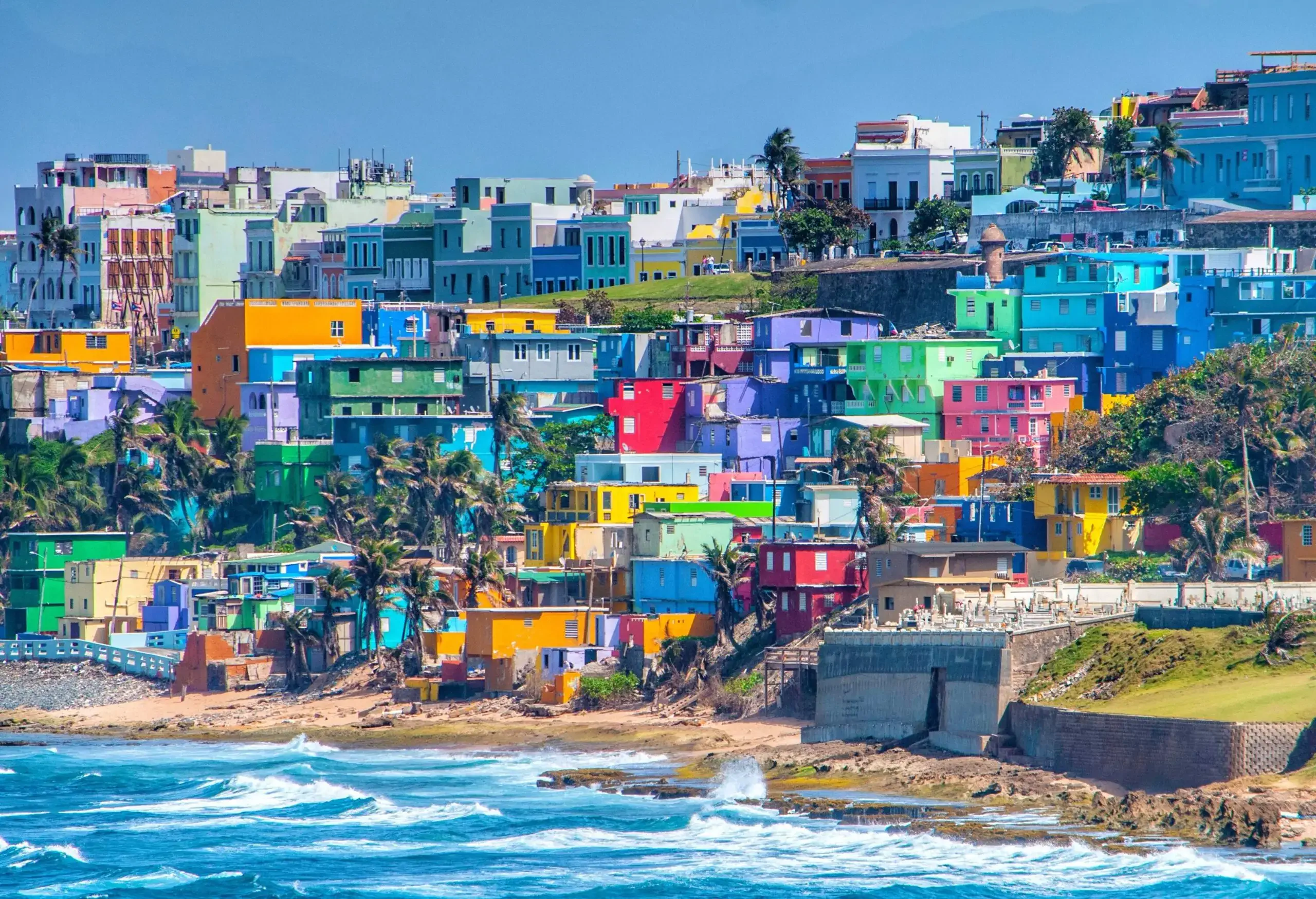
Begin your journey in the capital city of San Juan. No visit to San Juan is complete without wandering through the cobblestone streets of Old San Juan, a designated UNESCO World Heritage site. Here, you’ll find colorful Spanish colonial buildings, charming plazas, and formidable historic landmarks such as Castillo San Felipe del Morro and Castillo de San Cristobal. These ancient fortresses offer a fascinating glimpse into the island’s strategic past and provide breathtaking views of the Atlantic Ocean. The local culture in Old San Juan thrives with art galleries, boutique shops, and a bustling culinary scene that invites you to savor traditional Puerto Rican food and its most famous cocktail, the Piña Colada.
Beyond San Juan, nature enthusiasts will be drawn to El Yunque National Forest, the only tropical rainforest in the U.S. National Forest System. Hiking through its lush trails, discovering cascading waterfalls, and listening to the calls of the coqui frog is an unforgettable experience. For unparalleled beach relaxation, take a ferry or small plane to the smaller islands of Culebra and Vieques. Culebra is home to Flamenco Beach, consistently ranked among the world’s most beautiful beaches, with its powdery white sand and turquoise waters. Vieques boasts one of the brightest Bioluminescent Bays in the world, an ethereal natural phenomenon best experienced on a moonless night.
Other notable destinations include Ponce, known as the “Pearl of the South,” with its neoclassical architecture and art museums, and Rincón on the west coast, a surfer’s paradise famous for its stunning sunsets. For more accessible beach experiences, Luquillo Beach near El Yunque offers calm waters and local kiosks selling delicious fritters and seafood. Each destination offers unique attractions and experiences, promising a rich and varied travel itinerary.
Accommodation and Travel Tips
Puerto Rico offers a diverse range of accommodation options to suit every preference and budget. From luxurious oceanfront resorts in Dorado and San Juan to charming boutique hotels in Old San Juan, cozy guesthouses, and spacious apartments or villas available through various booking platforms. When selecting your stay, consider location, amenities, and user reviews. Many hotels and resorts offer enticing packages that include meals, activities, and spa services, catering to both family trips and romantic getaways. Booking in advance, especially during peak season (December to May), is highly recommended for the best selection and rates.
Practical Travel Tips:
- Currency: The official currency is the U.S. dollar, making transactions seamless for U.S. visitors. Credit cards are widely accepted, but it’s wise to carry some cash for smaller vendors or rural areas.
- Language: While Spanish is the primary language, English is widely spoken, especially in tourist areas and major cities. Learning a few basic Spanish phrases, however, will enhance your experience and is always appreciated by locals.
- Transportation: Renting a car is often the best way to explore the island beyond San Juan, offering flexibility to visit remote beaches and natural attractions. Major car rental agencies are available at Luis Muñoz Marín International Airport (SJU). Public transportation outside of San Juan is limited. Ride-sharing services are available in metropolitan areas.
- Safety: Puerto Rico is generally safe for tourists, but like any destination, it’s important to exercise common sense. Be aware of your surroundings, avoid walking alone at night in unfamiliar areas, and secure your valuables. Always be mindful of strong ocean currents at beaches and heed local warnings.
- Packing: Pack light, breathable clothing suitable for a tropical climate. Swimwear, comfortable walking shoes for exploring, and a light rain jacket for unexpected showers in the rainforest are essentials. Don’t forget sunscreen, insect repellent (especially for evening activities near water), and a reusable water bottle.
Making the Most of Your Visit: Beyond Documentation
Once you’ve confirmed your documentation and planned your itinerary, shifting focus to the immersive cultural experiences and practical aspects of navigating Puerto Rico will truly enrich your journey. The island invites you to embrace its rhythms, flavors, and genuine hospitality.
Navigating Puerto Rico: Practical Advice
Weather and Best Time to Visit: Puerto Rico enjoys a tropical climate year-round, with average temperatures ranging from the mid-70s to mid-80s Fahrenheit (24-30°C). The peak tourist season is from December to May, offering drier, cooler weather ideal for exploring. The off-season (June to November) is warmer and wetter, falling within hurricane season, but also brings fewer crowds and potentially lower prices for flights and accommodations. Regardless of the season, packing appropriate attire for tropical weather is key: light clothing, swimwear, and comfortable shoes for walking. A light rain jacket is also advisable, especially for visits to the rainforest.
Local Etiquette and Cultural Sensitivity: The people of [Puerto Rico](https://lifeoutofthebox.com/puerto-rico], known as Boricuas, are renowned for their warmth and hospitality. A few gestures of cultural sensitivity can go a long way:
- Greetings: A simple “Hola” (hello) or “Buenos días/tardes/noches” (good morning/afternoon/evening) is always appreciated.
- Punctuality: While often relaxed, it’s still polite to be on time for formal appointments.
- Dress: Casual attire is generally acceptable, but dress respectfully when visiting churches or formal establishments.
- Tipping: Tipping practices are similar to the mainland U.S.—15-20% for good service in restaurants, and a few dollars for hotel staff or tour guides.
Food and Drink: A Culinary Journey: Puerto Rican cuisine is a delicious fusion of Taíno, Spanish, and African influences. Don’t leave without trying:
- Mofongo: A signature dish made from mashed green plantains with garlic, olive oil, and pork cracklings, often filled with chicken, beef, seafood, or vegetables.
- Lechón: Slow-roasted suckling pig, a staple of local festivities, especially found along the “Pork Highway” (Ruta del Lechón) in Guavate.
- Pasteles: Similar to Mexican tamales, these are made from green banana and root vegetable masa filled with meat, wrapped in banana leaves, and boiled.
- Local Rum: Puerto Rico is famous for its rum. Consider a tour of a distillery or simply enjoy local cocktails like the original Piña Colada.
Activities and Entertainment: Beyond its natural beauty and historical sites, Puerto Rico offers a vibrant array of activities and entertainment. Experience the electrifying rhythms of Salsa dancing in local clubs, enjoy water sports like snorkeling, scuba diving, and paddleboarding, or embark on an adventure kayaking through the magical Bioluminescent Bays. The island’s festive spirit is palpable, with music, dance, and celebrations often filling the streets, providing an authentic taste of Puerto Rican lifestyle.
Why Puerto Rico is a Must-Visit Destination
Puerto Rico offers an unparalleled travel experience, especially for U.S. citizens. The ease of domestic travel, coupled with a completely immersive foreign culture, makes it a unique destination. You can explore ancient Spanish fortresses in the morning, hike through a tropical rainforest in the afternoon, and relax on a pristine beach by sunset, all without the need for currency exchange, international phone plans, or passport control hassles (for U.S. citizens).
The island’s resilience, its people’s vibrant spirit, and its rich tapestry of history, art, and music create an atmosphere that is both welcoming and profoundly captivating. Whether you’re seeking adventure, relaxation, cultural immersion, or simply a taste of paradise, Puerto Rico delivers a comprehensive and unforgettable travel experience. Its blend of familiar U.S. amenities and distinctly Caribbean charm ensures that every visitor can find their perfect slice of island life.
So, while a U.S. passport is generally not a requirement for U.S. citizens heading to Puerto Rico, bringing one (or at least a REAL ID compliant identification) and embracing the island’s unique offerings will prepare you for a truly enriching and memorable journey. Start planning your escape to this captivating U.S. territory today!
LifeOutOfTheBox is a participant in the Amazon Services LLC Associates Program, an affiliate advertising program designed to provide a means for sites to earn advertising fees by advertising and linking to Amazon.com. Amazon, the Amazon logo, AmazonSupply, and the AmazonSupply logo are trademarks of Amazon.com, Inc. or its affiliates. As an Amazon Associate we earn affiliate commissions from qualifying purchases.