
Absolutely, the answer is a resounding yes: Arizona is indeed a Right to Work state. This foundational principle, deeply embedded in the state’s constitution since 1946, plays a significant role in shaping its economic landscape, influencing everything from business investment and employment opportunities to the very fabric of its lifestyle and the burgeoning tourism sector. For anyone considering a visit, a relocation, or an investment in the Grand Canyon State, understanding this aspect of its legal framework is crucial.
The concept of “Right to Work” often sparks considerable debate, yet its practical implications are undeniable, particularly in a state as dynamic and diverse as Arizona. From the sun-drenched golf courses of Scottsdale to the bustling downtown corridors of Phoenix and the artistic enclaves of Sedona, the state’s Right to Work status subtly underpins many facets of its allure, affecting labor markets, business growth, and even the operational dynamics of its world-class hotels and resorts.
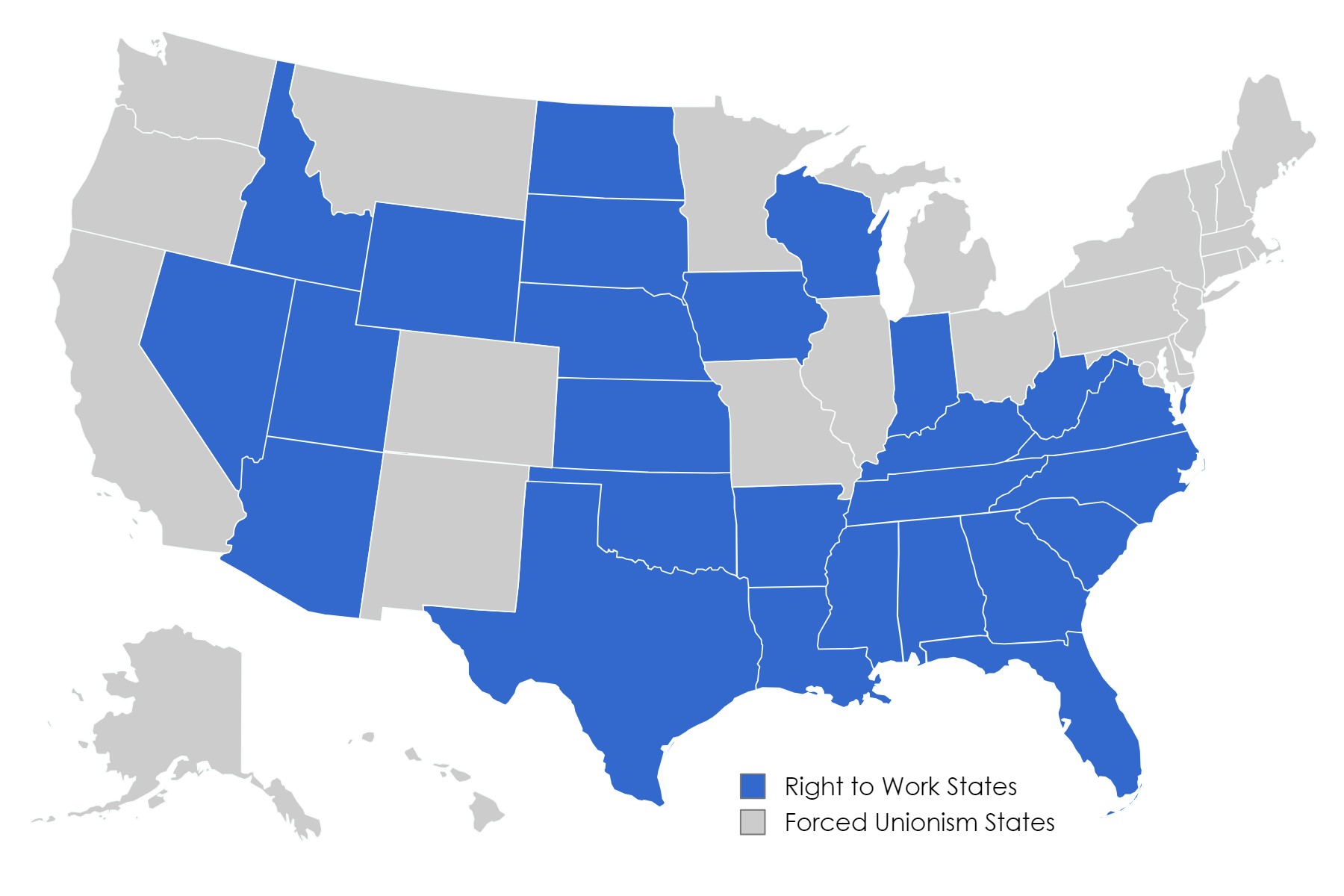
In this comprehensive guide, we’ll delve into what being a Right to Work state truly means for Arizona, exploring its historical context, economic impacts, and how it translates into real-world scenarios for both residents and visitors. We’ll also connect these insights to the broader themes of travel, accommodation, lifestyle, and the unforgettable experiences that make Arizona a premier destination.
Understanding Arizona’s Right to Work Status: Foundations and Implications
To truly grasp the essence of Arizona’s economic and social environment, one must first understand the legal framework of “Right to Work.” This isn’t just a political term; it’s a legal protection that has tangible effects on businesses, employees, and the broader economy, which in turn influences the hospitality and tourism sectors that are so vital to the state.
Defining “Right to Work” in the Grand Canyon State
At its core, “Right to Work” legislation prohibits agreements between employers and labor unions that require employees to join a union, pay union dues, or pay agency fees as a condition of employment. In essence, it grants individuals the right to work without being compelled to affiliate with a labor organization. For a state like Arizona, this means:
- Individual Freedom: Employees have the freedom to choose whether or not to join or support a labor union, without fear of losing their job. This fosters a sense of individual autonomy in the workplace, which is often cited by proponents as a key benefit.
- Voluntary Union Membership: While unions can still operate and represent employees in Arizona, membership and financial support are entirely voluntary. Unions must still represent all employees in a bargaining unit, even those who choose not to join or pay dues, a concept known as “free riding.”
- Impact on Collective Bargaining: The voluntary nature of membership can affect the bargaining power of unions, as a smaller membership base might mean less leverage during negotiations. This often leads to different dynamics in wage and benefit discussions compared to states where union membership or fee payment is mandatory.
The inclusion of this provision in the Arizona Constitution more than seven decades ago cemented its status as a state committed to a particular philosophy of labor relations. This commitment has since served as a significant beacon for businesses considering relocation or expansion, viewing it as a strong indicator of a business-friendly environment.
Economic and Lifestyle Repercussions
The Right to Work status is often hailed by business advocates for its potential to foster economic growth by attracting companies seeking a more flexible labor market and lower operational costs. For Arizona, this has meant:
- Business Attraction: Many companies, especially those in manufacturing, technology, and logistics, view Right to Work states as more attractive for investment due to perceived lower labor costs and fewer potential union-related disruptions. This influx of businesses creates jobs across various sectors, from high-tech manufacturing in Chandler to distribution centers in Goodyear.
- Job Market Dynamics: A vibrant business climate naturally leads to a robust job market, offering diverse opportunities for individuals looking to move to Arizona. This can include roles in tourism, healthcare, education, and various service industries that support the growing population. The competitive job market often encourages innovation and efficiency within companies.
- Cost of Living Considerations: While Right to Work laws are debated regarding their direct impact on wages, the overall economic environment they help create can influence the cost of living. A healthy economy can support diverse housing options, from luxury homes in Paradise Valley to more affordable suburban housing in Mesa or Glendale, impacting the lifestyle choices available to residents.
- Investment in Infrastructure: As businesses and populations grow, so does the need for infrastructure. Arizona’s economic expansion often translates into investments in roads, public transportation, and utilities, enhancing connectivity and making travel within the state more efficient for both residents and tourists.
The lifestyle in Arizona is intrinsically linked to its economic vitality. A thriving economy, supported by business-friendly policies, means more resources are available for public services, cultural attractions, and recreational facilities. This contributes to the overall high quality of life that attracts so many to the state, whether for short-term stays at a luxurious resort or for long-term residency.
The Right to Work Influence on Arizona’s Tourism and Hospitality

For a state renowned globally for its natural beauty, vibrant cities, and unparalleled outdoor adventures, the Right to Work status might seem like an obscure legal detail. However, its influence on the tourism and hospitality sectors is profound and multifaceted, impacting everything from hotel development to the quality of guest experiences.
Boosting Hotel and Resort Development
Arizona’s consistent economic growth, partly fueled by its business-friendly climate, has made it a magnet for developers looking to build new hotels, resorts, and accommodation options. The stability and predictability offered by the Right to Work environment can be appealing to investors who are planning multi-million dollar projects.
- Luxury and Boutique Stays: From five-star resorts like The Phoenician in Scottsdale to historic gems like the Arizona Biltmore in Phoenix, Arizona boasts an impressive array of luxury accommodations. The ease of doing business and managing labor costs in a Right to Work state can contribute to the profitability and expansion of such high-end properties, ensuring continued investment in world-class amenities and services. New boutique hotels also find fertile ground for development, catering to specialized travel experiences.
- Conference and Convention Facilities: Cities like Phoenix and Tucson are major hubs for conferences, conventions, and corporate events. A stable labor environment can be a critical factor for event organizers and hotel chains like JW Marriott Desert Ridge when selecting locations, as it often translates to reliable staffing and potentially more competitive pricing for large-scale bookings. This directly impacts business travel and contributes significantly to local tourism economies.
- Diverse Accommodation Options: Beyond luxury, the Right to Work status also contributes to a diverse range of accommodation, from budget-friendly motels for road-trippers exploring Route 66 to spacious apartments and villas suitable for long-term stays or family trips. The competitive market fostered by such economic conditions ensures that travelers have ample choice, regardless of their budget or specific needs.
Enhancing the Tourism Experience
The economic vibrancy enabled by a Right to Work environment indirectly enhances the overall tourism experience in Arizona. A robust economy means more resources are available for developing and maintaining attractions, supporting local businesses, and improving visitor services.
- Investment in Attractions: Healthy state and local economies can lead to greater investment in tourist attractions, cultural institutions, and outdoor recreational facilities. This includes everything from the preservation efforts at the Grand Canyon and Saguaro National Park to the development of new museums and entertainment complexes in urban areas.
- Service Excellence: While a complex issue, the competitive nature of the job market in a Right to Work state can sometimes incentivize service excellence, as businesses strive to attract and retain customers through superior guest experiences. From the knowledgeable guides leading tours through Antelope Canyon to the attentive staff at a Five-Star resort near Camelback Mountain, a focus on quality service is paramount in the hospitality sector.
- Diverse Lifestyle Offerings: The economic climate supports a diverse array of lifestyle experiences for visitors. Whether it’s luxury travel, eco-tourism, culinary adventures, or budget-friendly explorations, the state’s economic structure allows for a broad spectrum of services to flourish. This includes everything from hot air balloon rides over the desert to jeep tours in Sedona and vibrant food scenes in Tucson.
Arizona’s Broader Appeal: Beyond Labor Laws
While its Right to Work status is a significant factor in Arizona’s economic identity, it is, of course, just one piece of a much larger, incredibly appealing puzzle. Arizona’s enduring popularity as a destination for travel, relocation, and lifestyle is built upon a foundation of stunning natural beauty, rich cultural heritage, and a forward-thinking approach to modern living.
Iconic Landmarks and Unforgettable Experiences
Arizona is synonymous with some of the most breathtaking natural landmarks in the United States. These natural wonders draw millions of visitors annually, irrespective of the state’s labor laws, yet they are sustained and enhanced by the economic vitality that those laws help foster.
- The Grand Canyon: This global icon is a testament to the power of nature, offering awe-inspiring vistas, hiking trails, and unique geological formations. Accommodation options range from rustic lodges within the National Park to more luxurious hotels in nearby Flagstaff.
- The Red Rocks of Sedona: Famous for its vibrant red rock formations and spiritual vortexes, Sedona offers a unique blend of outdoor adventure, wellness tourism, and artistic culture. Its charming boutique hotels and healing retreats exemplify a distinct lifestyle appeal.
- Monument Valley and the Painted Desert: These cinematic landscapes, deeply rooted in Native American culture, offer incredible photographic opportunities and a profound sense of history. The ability to visit and appreciate these remote landmarks is supported by accessible travel infrastructure and a healthy tourism industry.
- Urban Adventures: Phoenix and Tucson provide vibrant urban experiences with world-class dining, museums, arts districts, and sports venues. Scottsdale is a haven for luxury shopping, fine dining, and lively nightlife, attracting visitors seeking a sophisticated desert lifestyle. The growth of these urban centers, with their diverse accommodation options from luxury suites to extended-stay apartments, is inherently tied to the state’s economic expansion.

A Lifestyle of Opportunity and Adventure
For those considering moving to Arizona, the Right to Work status is often weighed alongside the state’s compelling lifestyle proposition. Arizona offers a blend of sunny weather, abundant outdoor activities, and a welcoming community, making it attractive for diverse demographics – from retirees to young professionals and families.
- Outdoor Recreation: With over 300 days of sunshine annually, Arizona is a paradise for outdoor enthusiasts. Hiking, mountain biking, golf, and water sports are popular activities, especially in areas like Lake Havasu City and along the Colorado River. This active lifestyle is a major draw for both residents and visitors seeking experiences beyond traditional sightseeing.
- Retirement Haven: The state has long been a top choice for retirees, offering a combination of favorable climate, affordable living (in many areas), and excellent healthcare facilities. The economic stability and diverse service industries supported by the state’s policies contribute to the comfortable and convenient lifestyle many retirees seek.
- Growing Tech and Business Hub: Beyond tourism, Arizona is emerging as a significant hub for technology, aerospace, and renewable energy. The business-friendly environment encourages innovation and creates a dynamic job market, attracting a talented workforce from across the United States and beyond. This influx of professionals contributes to a vibrant and diverse cultural landscape.
- Cultural Richness: Arizona’s unique blend of Native American, Hispanic, and Western influences creates a rich tapestry of culture, evident in its art, cuisine, and festivals. From the historic missions of Tucson to the vibrant art scene in Old Town Scottsdale, there are endless opportunities to explore local heritage and traditions.
In conclusion, Arizona’s identity as a Right to Work state is a fundamental aspect of its economic framework, influencing its growth trajectory, business environment, and ultimately, the daily lives and travel experiences within its borders. While this status contributes to its appeal as a dynamic and opportunity-rich locale, it is the synergistic combination of this economic foundation with its spectacular natural wonders, diverse lifestyle offerings, and welcoming spirit that truly defines Arizona as an exceptional destination for everyone, from intrepid travelers seeking adventure to those looking for a place to call home.
LifeOutOfTheBox is a participant in the Amazon Services LLC Associates Program, an affiliate advertising program designed to provide a means for sites to earn advertising fees by advertising and linking to Amazon.com. Amazon, the Amazon logo, AmazonSupply, and the AmazonSupply logo are trademarks of Amazon.com, Inc. or its affiliates. As an Amazon Associate we earn affiliate commissions from qualifying purchases.